From over 100,000 films, discover the handful you'll love.
Free or premium access to the world's largest documentary library.
92 films(Page 2 of 2)
Caviar can sell for upwards of $3,000 a kilo, while illegal trade may be twelve times larger than the legitimate market in Kazakhstan.
Rangers in Thailand battle poachers over rosewood in a dangerous national park conflict.
In Cameroon, the bushmeat trade threatens endangered gorillas and chimpanzees, raising concerns about potential global pandemics linked to wildlife consumption.
Daphne Sheldrick founded a trust in Nairobi to care for orphaned elephants, having raised and reintegrated 11 infants back into the wild.
In 2014, poachers killed over 1,200 rhinos in South Africa, prompting the use of drones to combat illegal activity in national parks.
The Zinave National Park in Mozambique was almost emptied by poachers. Now, it's hoped 7,500 wild animals will bring the park back to life. This is the largest resettlement of wild animals ever to take place.
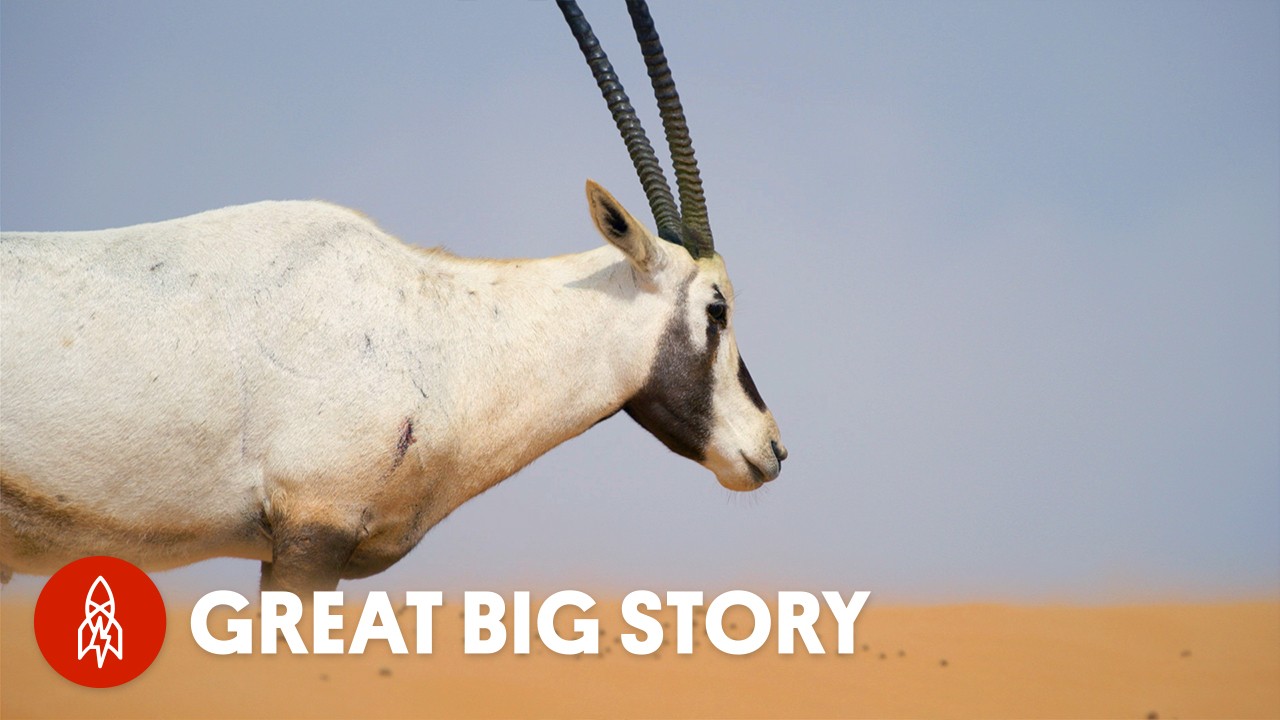
The Arabian Oryx survives extinction due to conservation efforts in the UAE since the 1970s.
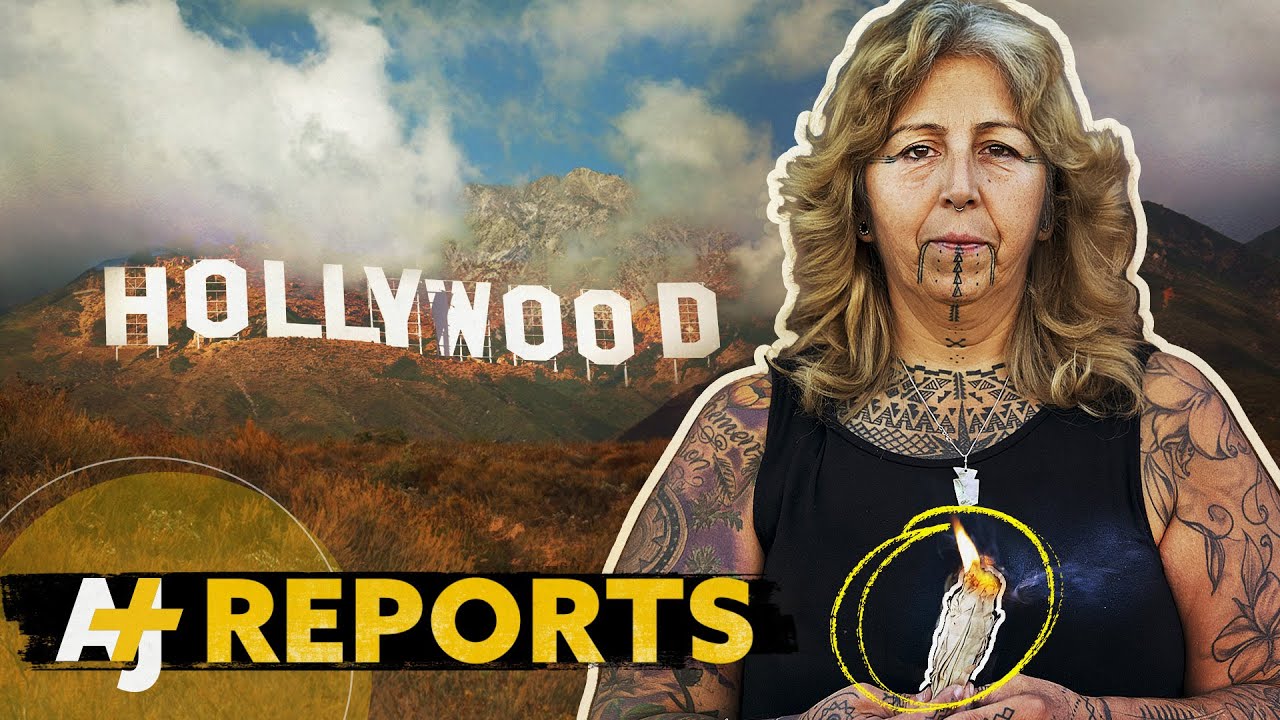
White sage, a plant sacred to Indigenous peoples of Southern California, has seen a surge in demand due to social media trends, leading to a black market for its harvest.
A single elephant tusk can sell for over $4,000 on the black market, contributing to the ongoing threat of extinction for the species.
In 2003, Majete Wildlife Reserve in Malawi was nearly devoid of wildlife, but now hosts lions, leopards, elephants, and rhinos due to conservation efforts.
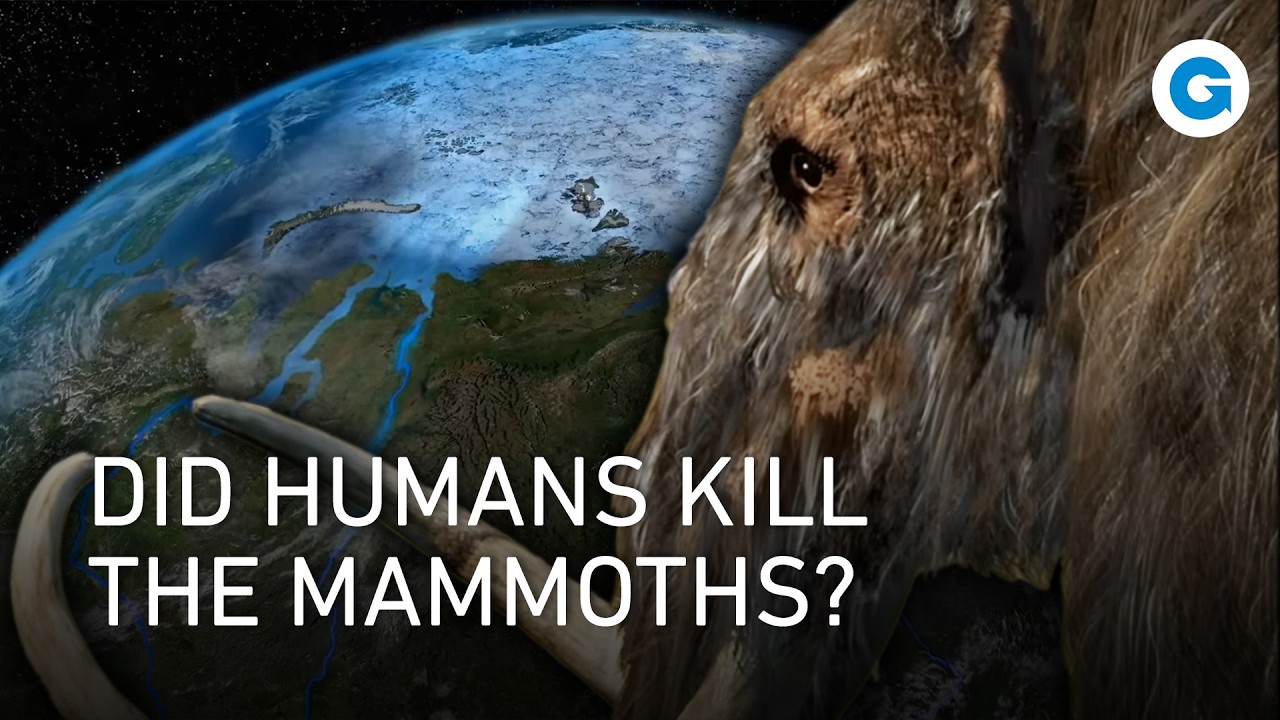
Over 1,000 mammoths died at a site in Predosti, suggesting human involvement in their extinction during the late Pleistocene epoch.
Rhino horn can sell for up to $94 per gram on the black market, driven by demand in Asia and resulting in a high-stakes war against poaching.
Jeffrey Goldberg discusses Mark and Delia Owens' fight against poaching in this week's New Yorker.
Four in ten adults in Swaziland are infected with HIV, impacting wildlife conservation efforts as staff members fall ill and struggle to maintain operations.
Lake Baikal is large enough to supply fresh water for half a century and hosts many seals.
345 orphaned orangutans are cared for at a center in Borneo, many of them rescued after their mothers were killed by poachers.
90% of the animal population in Gorongosa National Park disappeared during Mozambique's civil war, but conservation efforts are now helping it recover.
In 2010, a census counted 480 mountain gorillas in Rwanda, marking the only increasing population of apes in the world due to conservation efforts.
African elephants and rhinoceroses face critical threats from poaching and the ivory trade, prompting local initiatives aimed at conservation and ecosystem preservation.
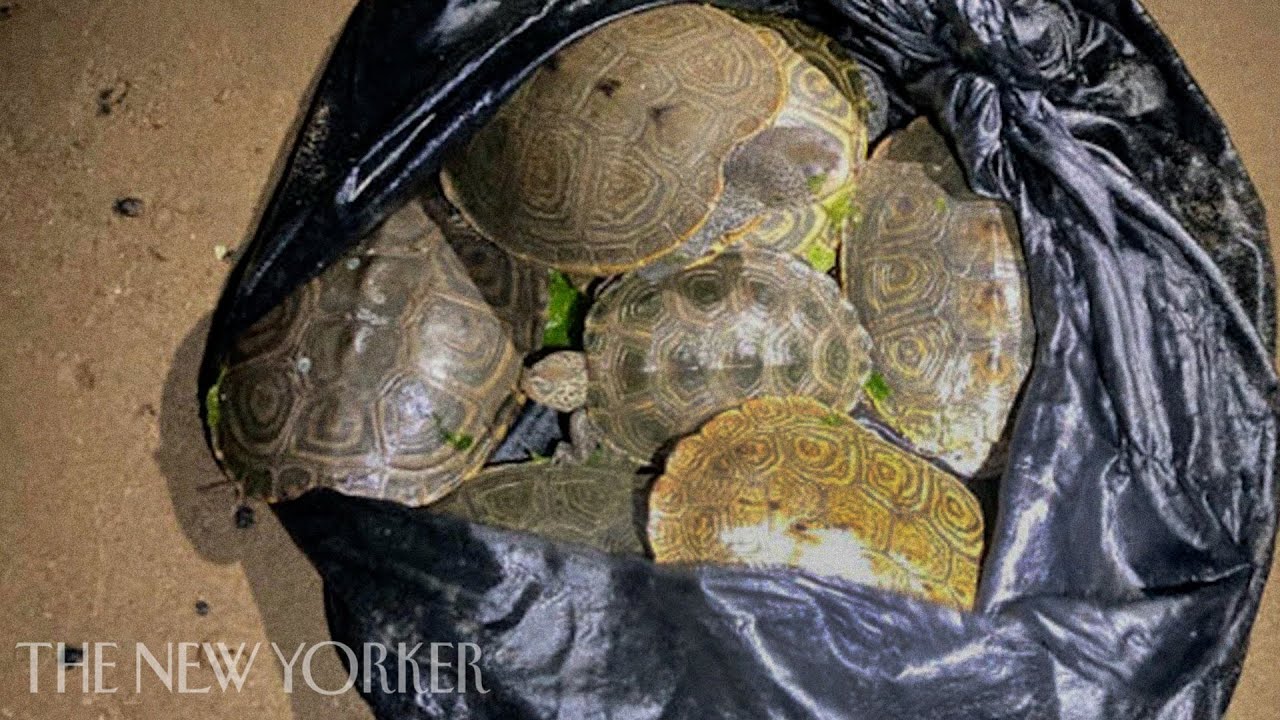
Two buckets of crabs and turtles are taken from Jamaica Bay, where poaching has surged during low tides and the COVID-19 pandemic.
Only about 3,000 wild Cuban crocodiles remain, primarily found in the Zapata Swamp, which is the only place they can live in the wild.
Rhinos in Zimbabwe are making a comeback thanks to elite anti-poaching efforts at Malilangwe Trust.
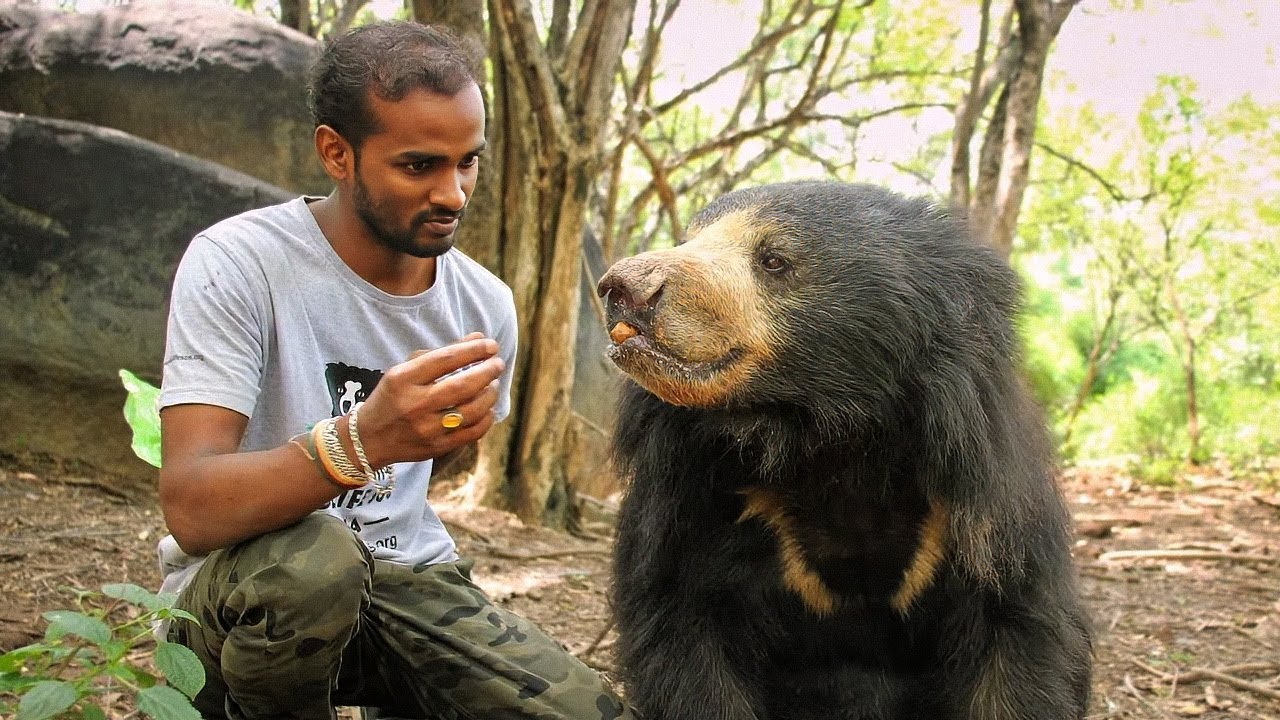
Over 400 years, sloth bears in India have been exploited for entertainment, with 628 bears rescued from captivity by Kartick Satyanarayan and Geeta Seshamani.
110,000 people mobilized to plant 52 million mangrove seedlings across 15,600 hectares in Senegal, revitalizing critical coastal ecosystems.
Leitah Mkhabela leads the Black Mambas to protect rhinos in South Africa's Balule Reserve.
200 elephants live in the Lewa reserve, where guardians David and Licario work to protect wildlife and address the challenges of conservation.
Four elephants are captured by hunters from the Mnong community in Vietnam's high plateaux, using traditional methods passed down through generations.
Cotton-top tamarins are just nine inches tall and face endangerment due to poaching demands.
Granny (J2), a centenarian orca, survived in the waters off the West Coast during a time when her family faced harpooning and capture for display.
On March 28, 2005, the first litter of Iberian lynx was born in captivity, marking a significant milestone in conservation efforts at Doñana National Park.
9,500 animals were poached in Zimbabwe last December, as farmers struggle against the consequences of government land reform policies.
Over 150 rangers have died protecting gorillas in Virunga National Park, where poaching and illegal charcoal production threaten wildlife.
Pangolins, the most trafficked mammals in the world, face severe population decline due to illegal trade for their scales and meat, with one million trafficked in the last decade.
Ali protects endangered marine turtles in Saziley, Mayotte, from poachers.
A young female rhino in Zambia is vital for the survival of her endangered species.
Around 24 million feral pigs now roam Australia, threatening the survival of the endangered cassowary in the Daintree rainforest.
More than 400 gorillas disappear each year due to poaching, with traffickers killing six to seven adults for every baby gorilla taken.
In 1819, only 50 southern white rhinos remained in the world, but their population has since grown to about 7,000, with 1,600 in Hluluwe-Umfolozi National Park.
A three-year-old tigress named Ahimsa has recently taken possession of her own territory in Kanha National Park, a refuge for Bengal tigers in India.
Conservationists attempt to approach gorillas in Gabon, risking aggression from a male silverback.
The Arabian Oryx recovers from extinction due to successful conservation efforts in the UAE.
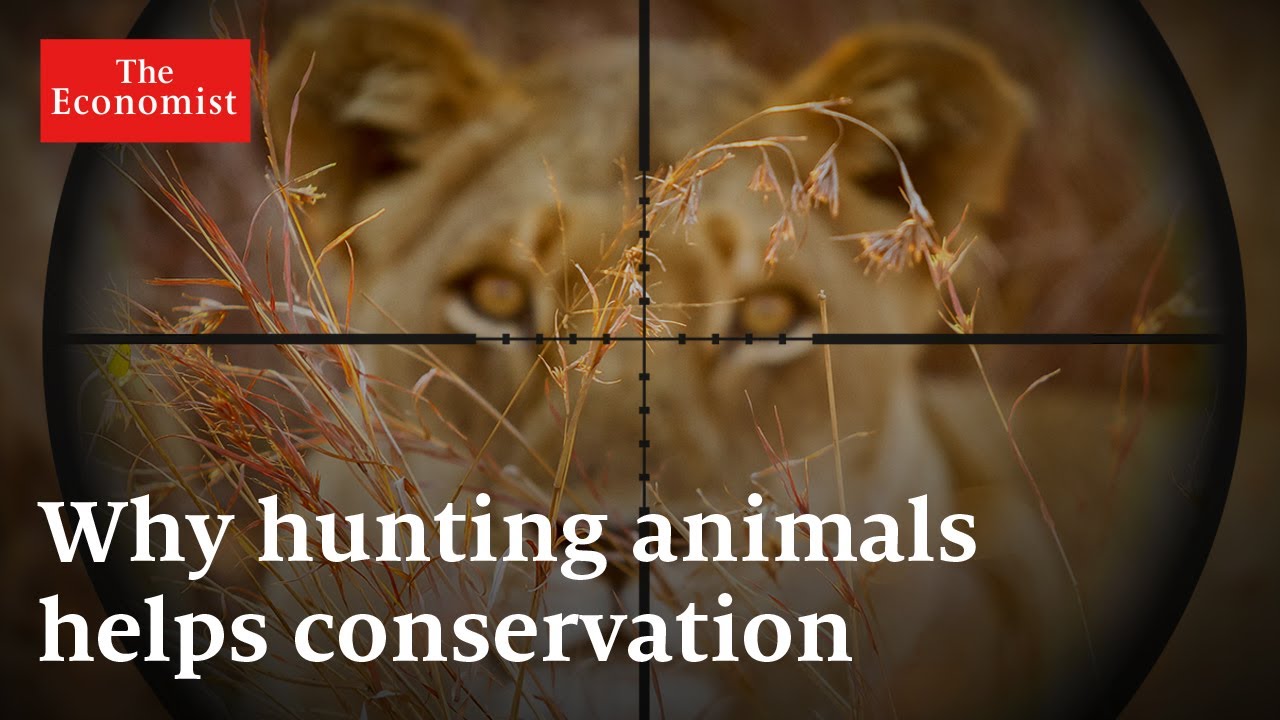
Over 30,000 mammal trophies were imported by Americans in 2017, raising questions about the role of trophy hunting in wildlife conservation.
The global trade of rhino horns is examined through an investigation that highlights poaching and illegal trafficking threatening rhino populations worldwide.
Yadav has worked as a guide in Chitwan National Park since 1982, assisting in the care and tracking of animals like the Indian rhinoceros.