From over 100,000 films, discover the handful you'll love.
Free or premium access to the world's largest documentary library.
51 films(Page 1 of 2)
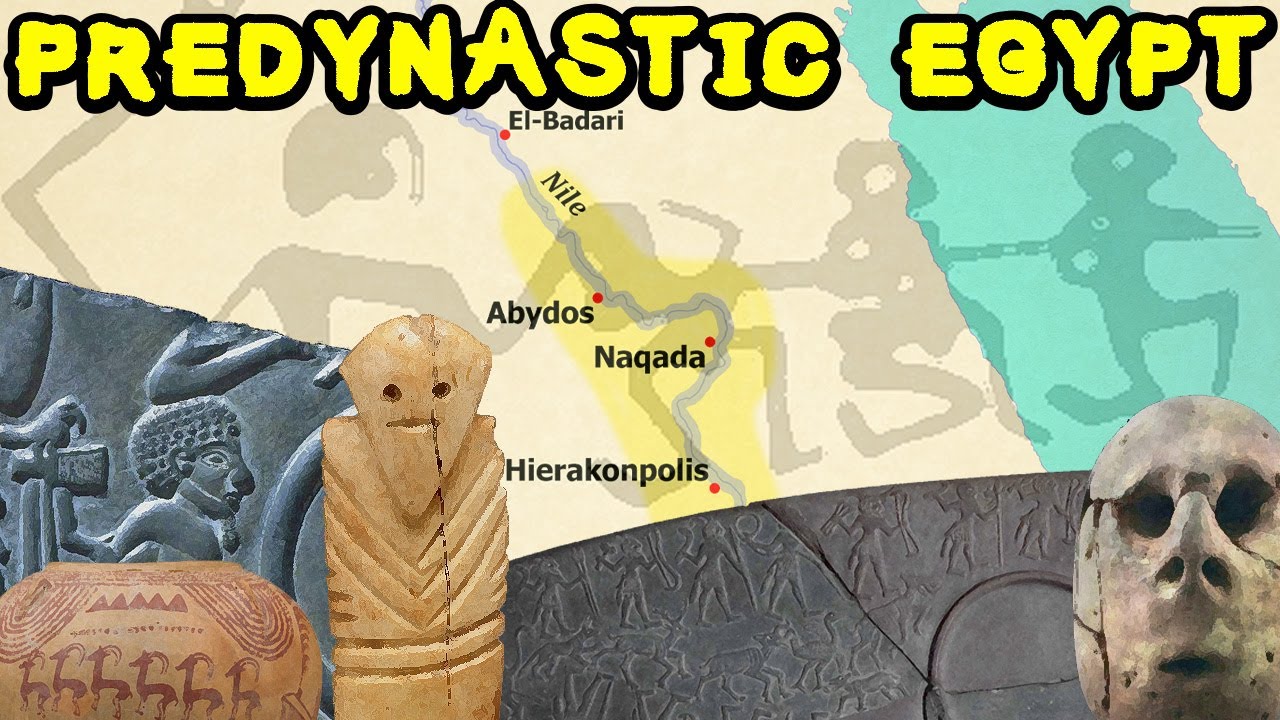
Early Egyptian history is explored through the cultures of the Faiyum, Merimde, Badarian, and Naqada, which laid the groundwork for ancient Egypt.
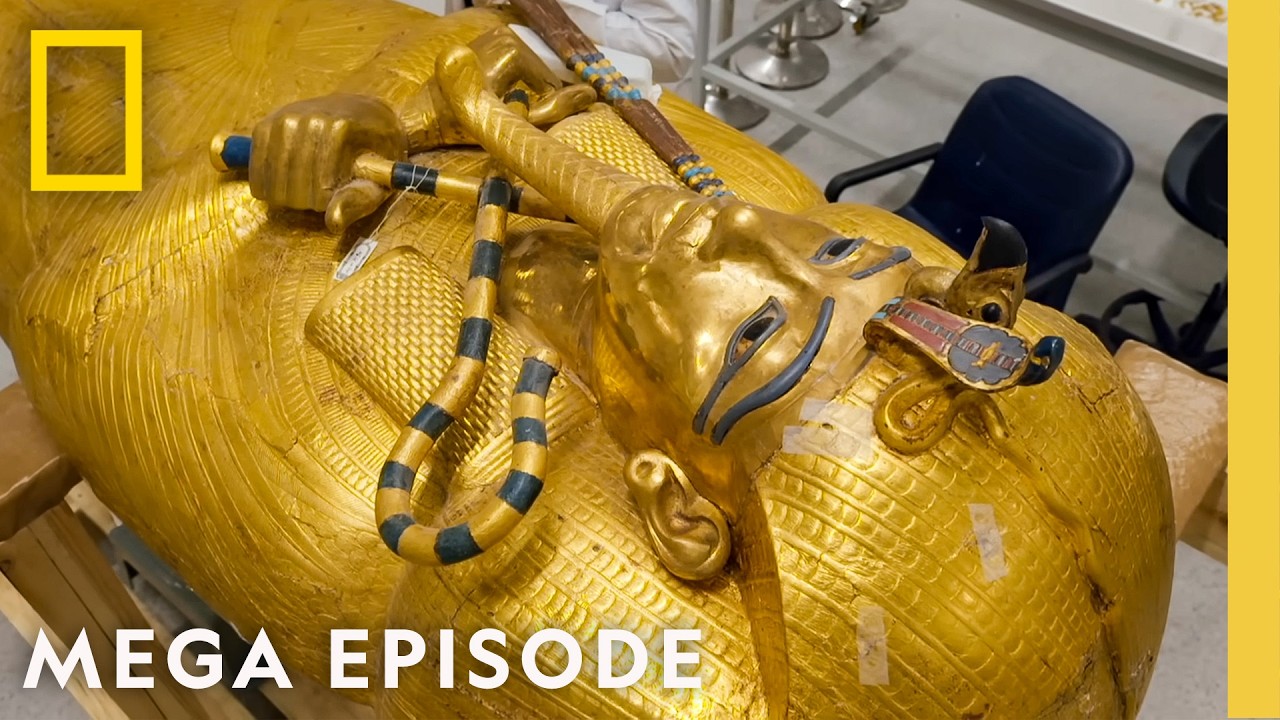
Over 5,000 artifacts were found in Tutankhamun's tomb, including a coffin made of more than 200 pounds of solid gold.
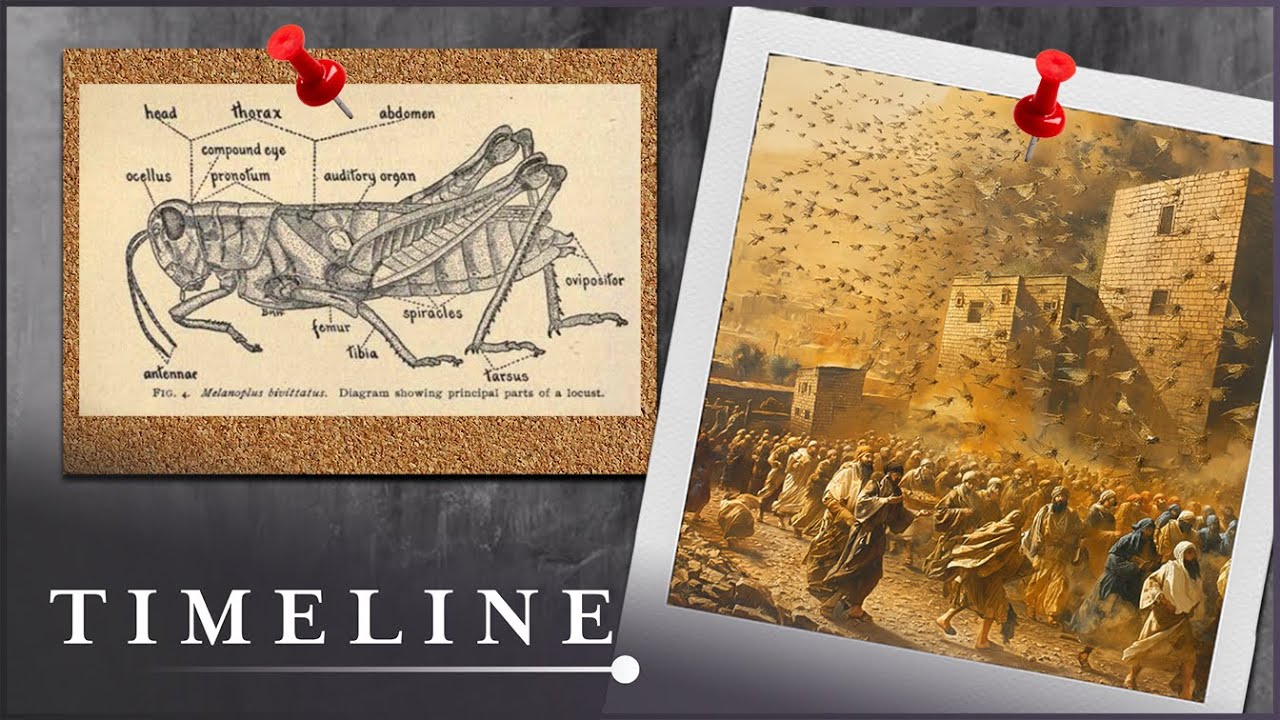
Ancient hieroglyphics and stone carvings depict the parting of the sea and the biblical plagues, suggesting these events may have historical roots.
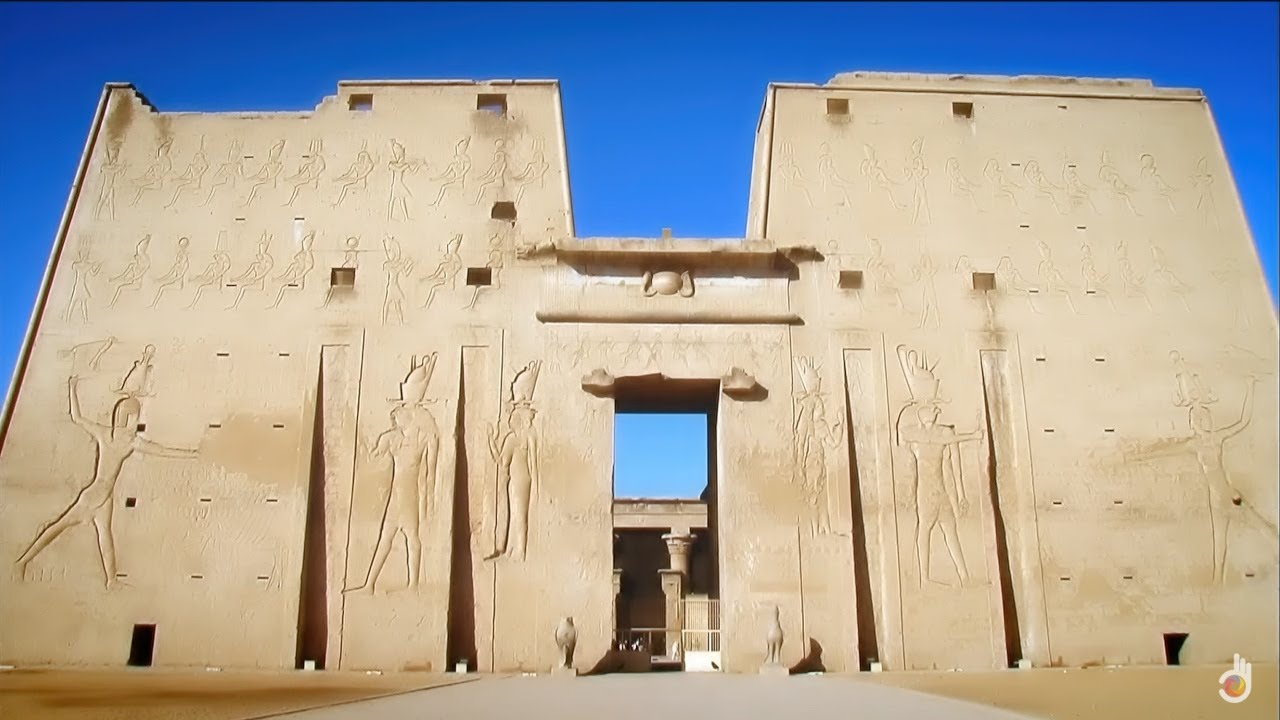
A thirty-foot-wide cavity is discovered beneath a temple entrance, suggesting a possible burial site for Cleopatra in the Valley of the Kings.
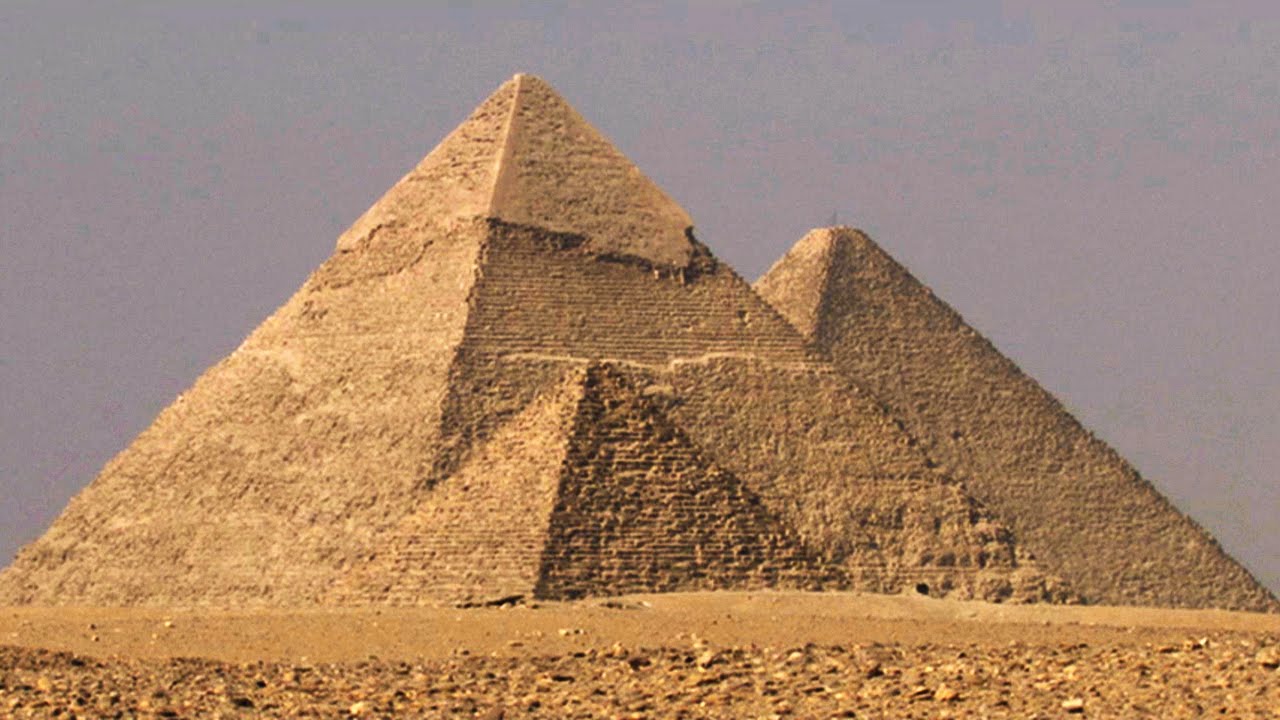
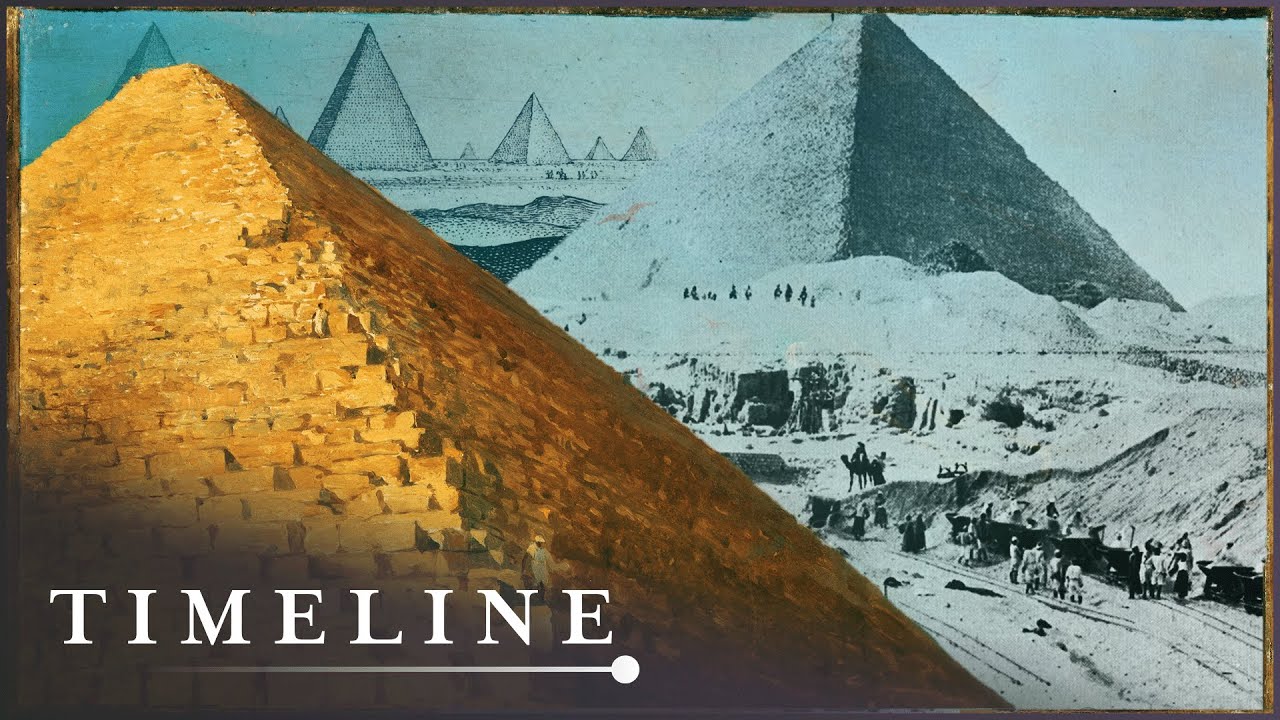
The Great Pyramid of Giza stands over 140 meters tall and serves as the final resting place of King Kufu, symbolizing ancient Egypt's architectural achievements.
Three and a half thousand years ago, a tightly packed community thrived in a village on Luxor's west bank, revealing the lives of ordinary ancient Egyptians.
Over 4,500 years ago, the Great Pyramid of Giza was built for King Khufu, marking the beginning of ancient Egyptian civilization.
By 945 BC, Libyan generals seized control of Egypt during the 22nd dynasty, adopting local customs to maintain their power.
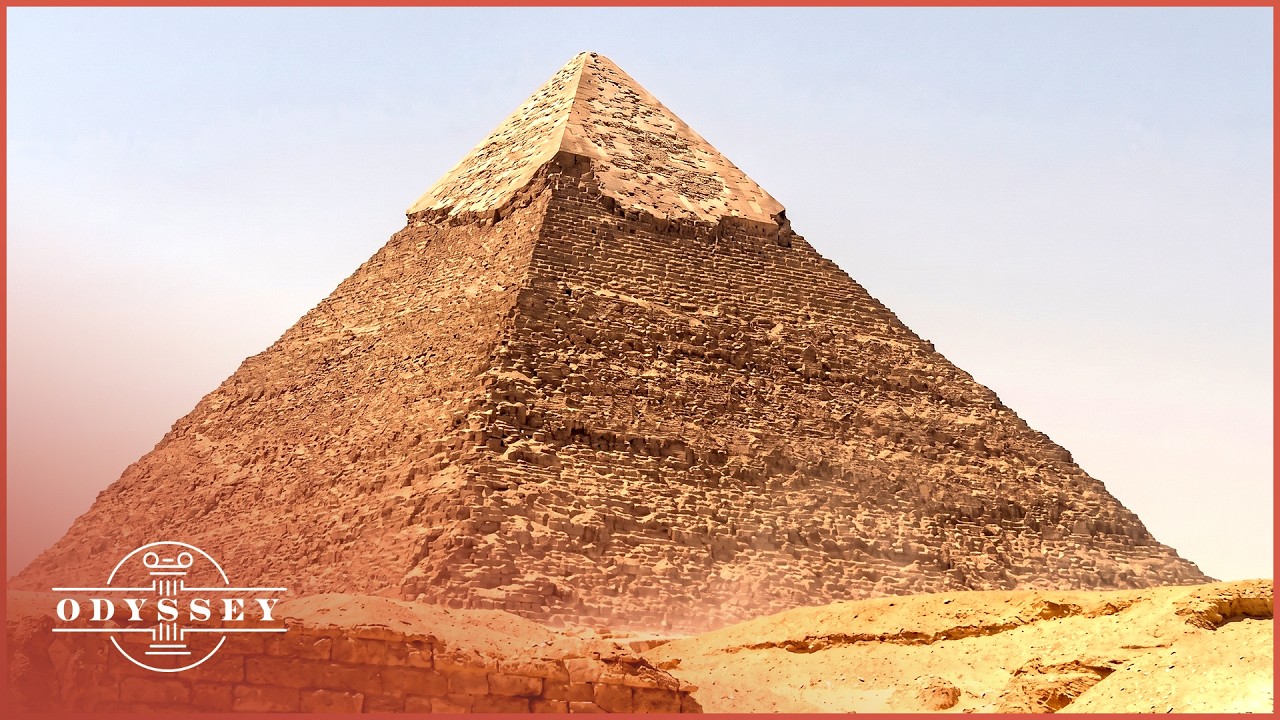
The Great Pyramid of Giza, built over 4,500 years ago, stands 481 feet tall and weighs nearly six million tons, consisting of 2.3 million stone blocks.
A thirty-foot-wide cavity beneath the Taposiris Magna temple may hold the lost tomb of Cleopatra, according to archaeologist Kathleen Martinez.
Egyptologist Vassil Dobrev investigates the elusive reign of Old Kingdom pharaoh Pepy and seeks archaeological evidence of his rule in ancient Egypt.
A thousand miles up the Nile, David Adams sails through Sudan, reflecting on the ancient civilization of the black Pharaohs that once ruled the region.
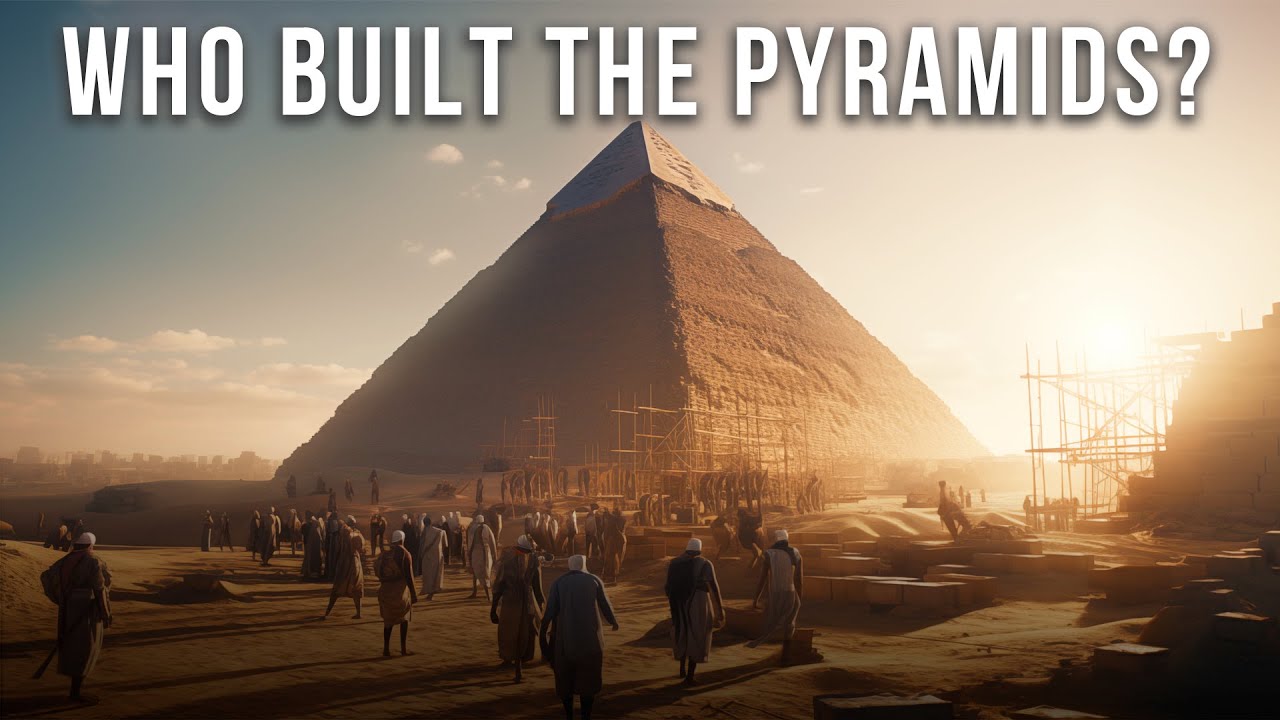
Six million tons of stone were shaped and transported over 30 years to build the Great Pyramid, a monumental achievement of ancient engineering.
A 4,000-year-old sealed burial chamber is discovered in Egypt's Valley of the Kings, revealing insights into ancient burial practices and looting.
Beer, a beverage with roots in ancient civilizations and a significant role in American history, is explored by food expert Adam Richman across the United States.
Over the course of eight months, a team of over 60 workers excavates a one square mile area south of the Great Pyramids of Giza.
At 482 feet high, the Great Pyramid was the tallest structure on Earth for 4,000 years and served as the final resting place of pharaoh Khufu.
Three and a half thousand years ago, a tightly packed community of ordinary Egyptians lived in a village on Luxor's West Bank, near the Valley of the Kings.
Three and a half thousand years ago, a tightly packed community thrived in a village on Luxor's West Bank, home to ordinary Egyptians living daily lives.
134 sandstone columns in Karnak Temple, each inscribed with Ramses II's name, stand 66 feet high, revealing his monumental legacy in ancient Egypt.
The Great Pyramid of Giza, built with 2.3 million stone blocks, weighs nearly six million tons and was the tallest building on Earth for 3,800 years.
Multiple gigantic skeletons, measuring between seven and eight feet tall, are discovered in West Virginia, raising questions about their origins and historical suppression.
During a season of excavations, archaeologists search for clues to Ramses II's success, including a temple believed to be the first built during his reign.
The Nile River, covering a distance of 1,200 km, has been central to Egypt's culture and daily life for over 4,000 years.
Over 4,000 miles of the Nile River shaped the civilization of ancient Egypt, influencing agriculture and culture for thousands of years.
Ramesses II's mummy, transported to Paris in 1976, faced a scientific mission to combat a fungal infection and revealed insights into his health issues.
Light serves as a cosmic messenger, revealing the universe's history from ancient Egypt to the Big Bang, and illustrating the evolution of vision through time.
A dying man offers his body for a mummification experiment to help solve the ancient Egyptians' secret preservation techniques.
More than 5,000 years ago, ancient Egyptians built the Step Pyramid of Saqqara, a key site for understanding their burial practices and beliefs about the afterlife.
66 years is the exceptional reign of Pharaoh Ramses II, known for his military conquests and monumental building projects in ancient Egypt.
On December 4, 1970, Bruce Gernon and his father encountered a strange cloud while flying from Andros Island in the Bahamas to Palm Beach, Florida.
The Great Pyramid at Giza was the tallest building ever created by mankind until the early 20th century.
Over 2,000 years after its decline, a German-Egyptian team searches for artifacts at Heliopolis, the largest temple of the Pharaohs in Cairo.
Recent excavations in Pi-Ramses, led by Professor Henning Franzmeier, reveal a palace and treasure room that highlight the legacy of Pharaoh Rameses II.
The Great Pyramid, built around 2580-2560 BCE, stands 481 feet tall and consists of 2.3 million blocks, some weighing as much as 50 tons.
Egypt's Great Pyramid at Giza, built 4,500 years ago, remains the only intact structure of the Seven Ancient Wonders of the World.
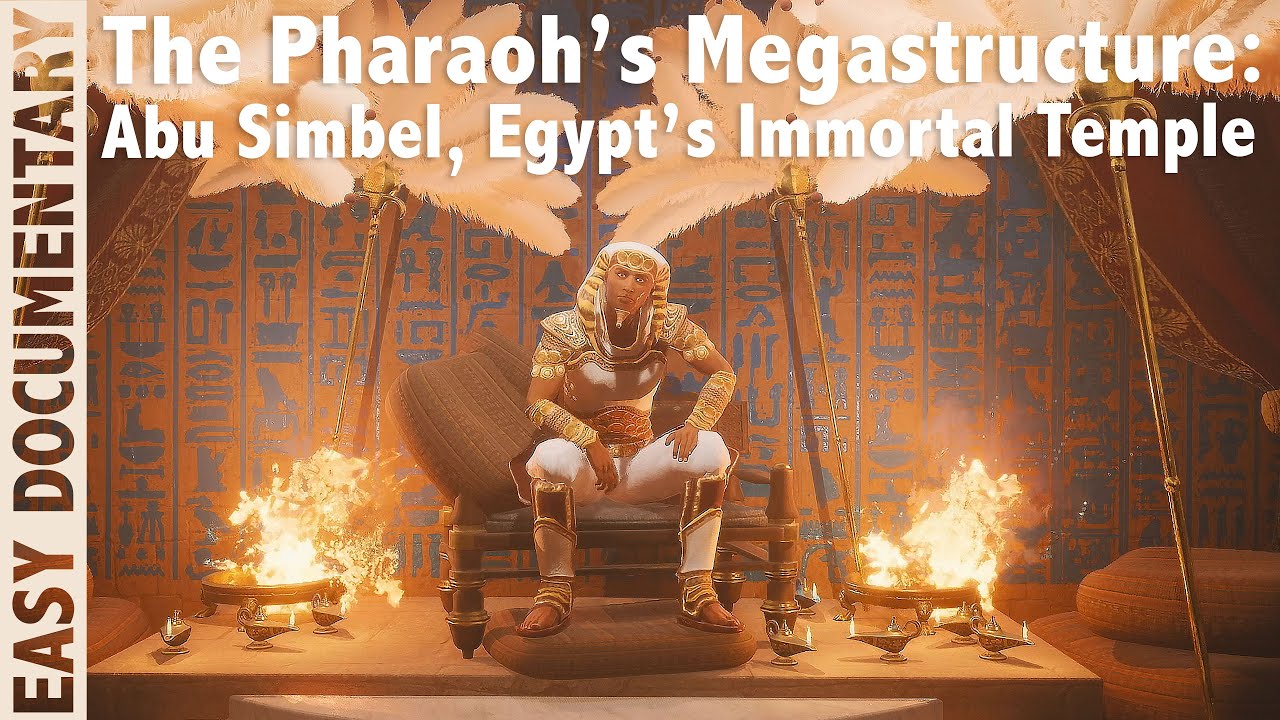
Abu Simbel, built by Pharaoh Ramses II over 3,000 years ago, showcases ancient engineering prowess and modern preservation efforts against the Aswan High Dam's threat.
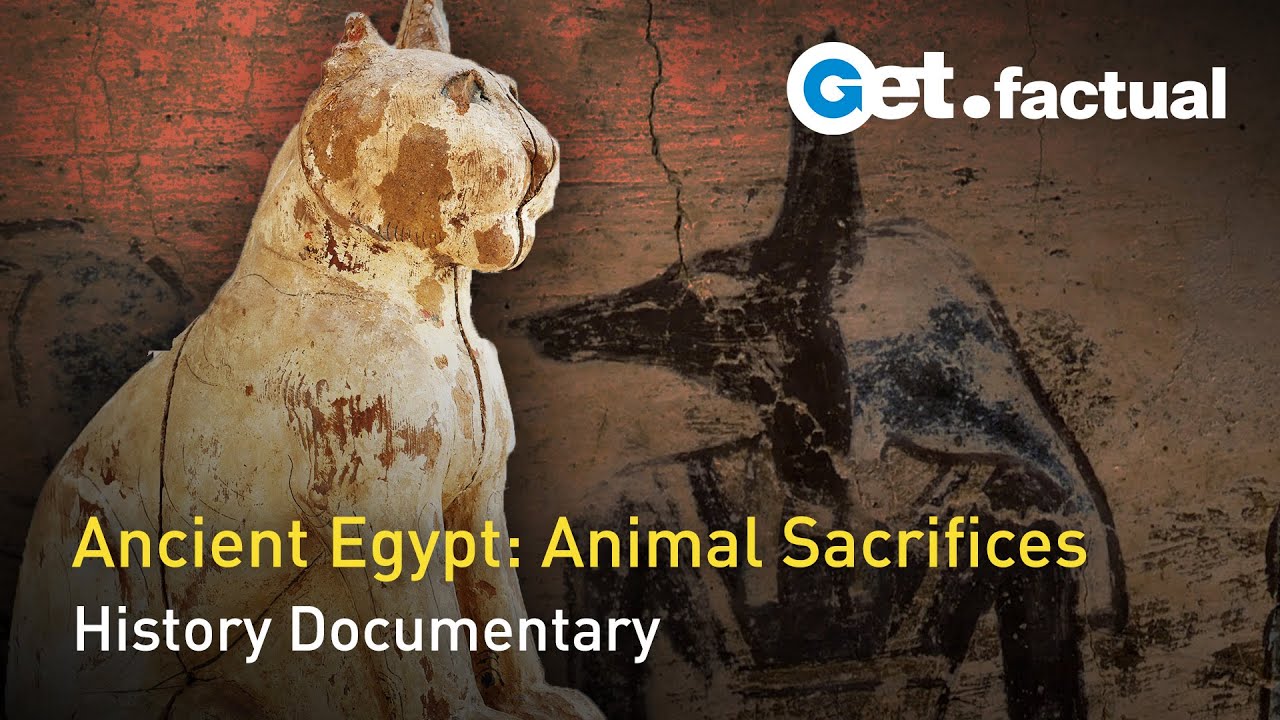
180,000 cat mummies were destroyed in the 19th century, yet countless others remain, raising questions about ancient Egyptian animal mummification practices.
LiDar scans near Saqqarah reveal an ancient canal that allowed boats to reach the necropolis over 4,000 years ago.
Pharaoh Akhenaten's radical shift to monotheism nearly dismantled the religious fabric of Ancient Egypt, leading to significant consequences for his legacy.
Hieroglyphs carved into the tombs of the Valley of the Kings may hold the key to understanding the ancient Egyptians' burial practices and beliefs.
Alexander the Great's conquest of Egypt led to his acceptance as a living god and the founding of Alexandria, merging Greek ambition with Egyptian divinity.
A 3,000-year-old baboon mummy may help locate the mythical Land of Punt, once thought to be a mere legend in ancient Egyptian history.
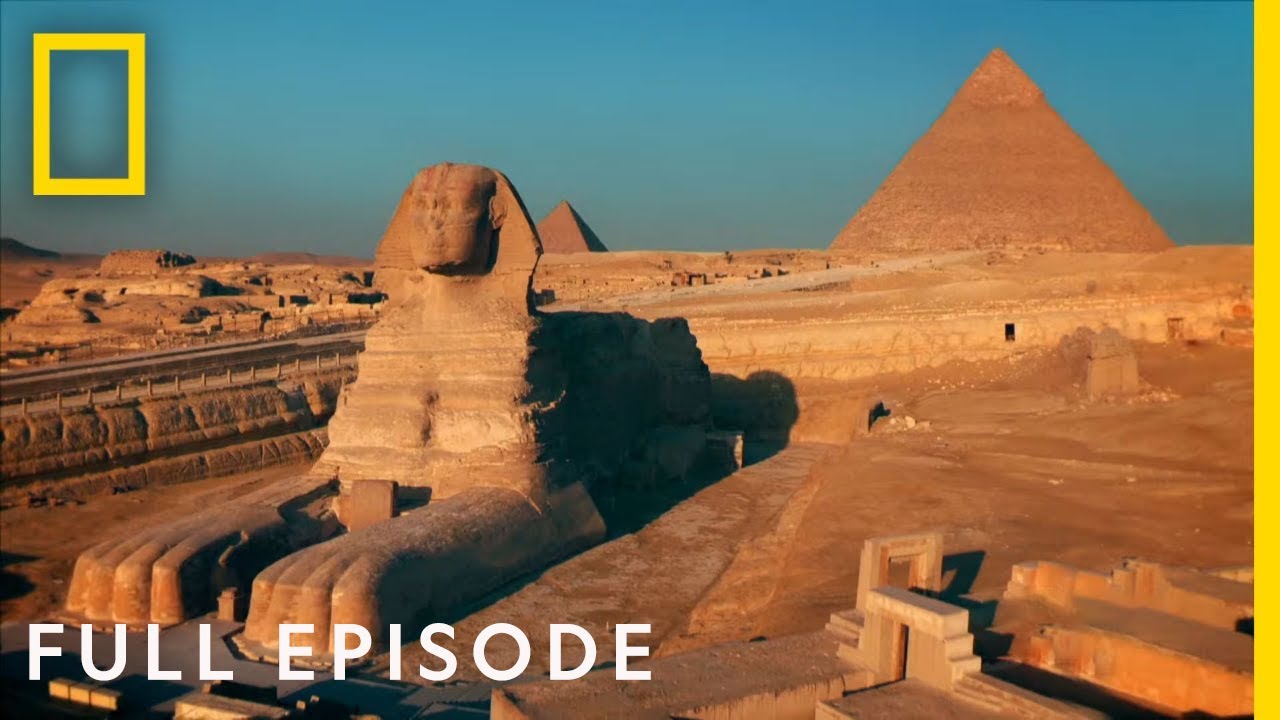
The Great Sphinx at Giza is the oldest and largest colossal statue from ancient Egypt, yet its purpose and meaning remain largely unknown.
Watch a brief look at Akhenaten, one of Ancient Egypt's most fascinating Pharaohs.
Archaeologists theorize ancient Egyptians kept wild animals to combat natural chaos.
An ancient Egyptian army fell sick when beer ran out, forcing them to drink water instead.
Around 3,500 BC, the Scorpion King ruled Upper Egypt, marking the beginning of a complex society that would lead to the construction of the pyramids.