From over 100,000 films, discover the handful you'll love.
Free or premium access to the world's largest documentary library.
49 films(Page 1 of 2)
Learn about the catastrophic eruption of Mount Vesuvius in 79 AD on The Smithsonian Channel.
A tabloid published photos of Princess Margaret, leading to a royal divorce in 1976.
A routine dive off the coast of Greece uncovers ancient artifacts, including pottery and tools, revealing insights into early human settlements.
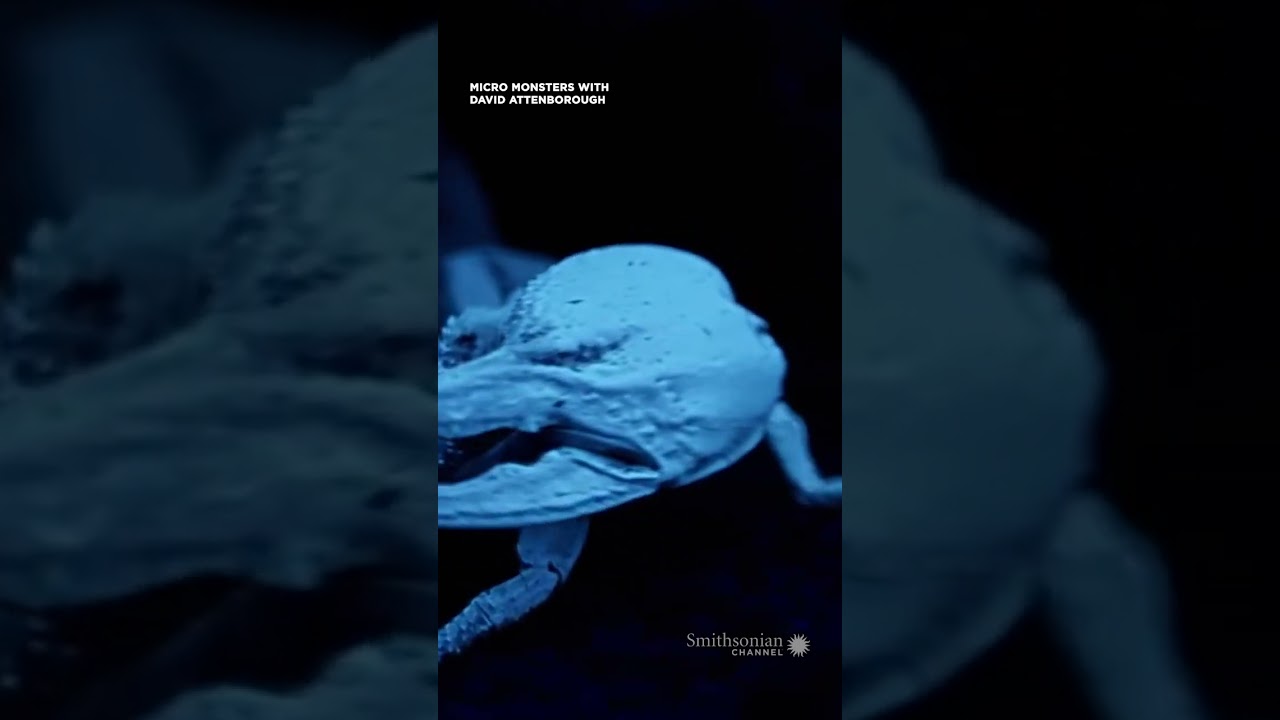
In the mating ritual of scorpions, male specimens engage in a unique courtship dance that involves caressing the female's mouth parts.
Cherry Healy tests methods for cooking the perfect sausage with a team of scientists.
The Skywalk Glass Bridge at the Grand Canyon uses ancient Egyptian building methods.
In a heartwarming short from The Smithsonian Channel, ducklings navigate the challenge of jumping from a tree to the ground, facing potential dangers along the way.
Carrie Nation's axe-wielding activism against alcohol in the early 1900s ignites a nationwide temperance movement, influencing organized crime and societal unrest.
Crime and punishment in ancient Pompeii reflect the broader themes of justice in Roman society, highlighting historical practices and societal norms.
Marvin Toliver, a social worker, breaks the cycle of generational trauma in communities.
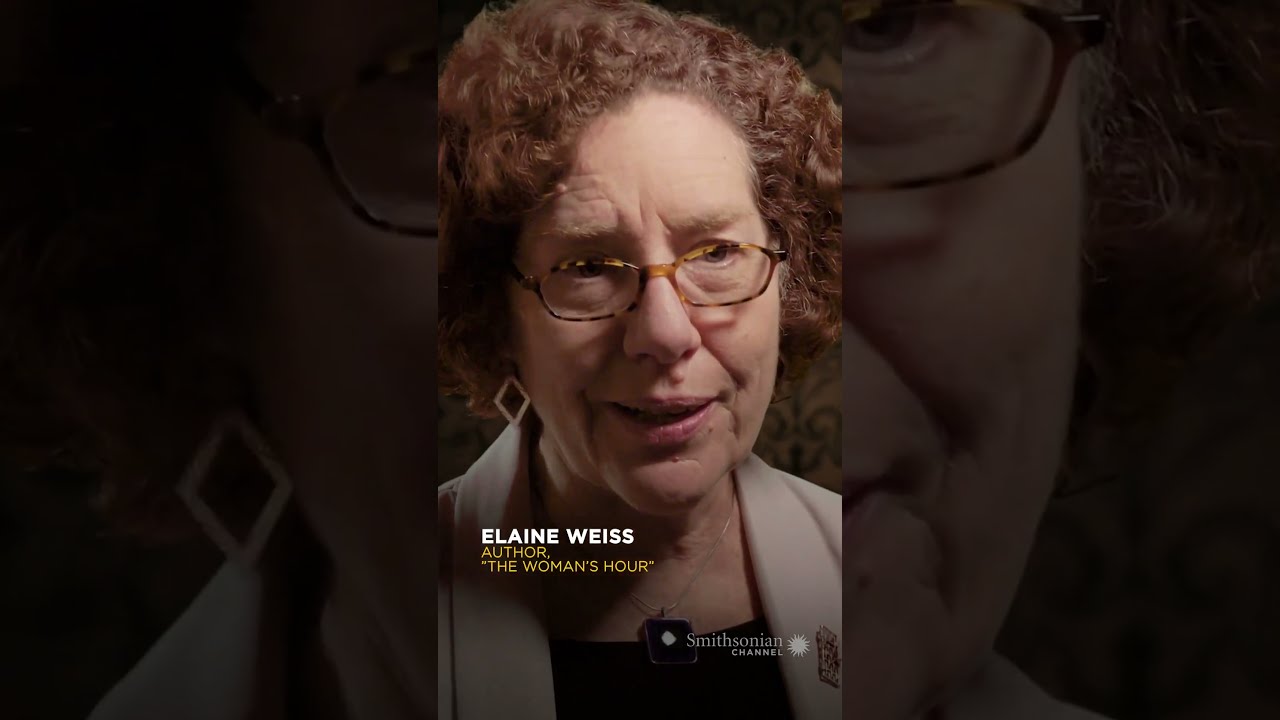
Edith Wilson managed presidential duties after her husband, Woodrow Wilson, suffered a stroke in 1919, demonstrating her significant influence in American politics.
Eleanor Roosevelt's advocacy for social justice and women's rights during her tenure as First Lady from 1933 to 1945 solidified her legacy as a humanitarian stateswoman.
The Goliath birdeater, a massive tarantula known for its intimidating size and unique characteristics, exhibits a surprisingly shy nature despite its fearsome reputation.
Stonehenge highlights the ancient engineering skills used to transport and erect its massive stones, remaining a significant historical site today.
A 15-foot male hippopotamus in Zambia climbs a steep cliff to access water, showcasing the species' agility and adaptability in its natural habitat.
Carl Laemmle builds Universal on a 230-acre farm in 1912, creating the world's largest facility for making motion pictures in Hollywood.
Levittown serves as a key example of post-World War II suburban development in America, highlighting issues of inclusivity and accessibility in these neighborhoods.
The 1918 flu pandemic spread rapidly across the globe, with personal stories and historical cemeteries illustrating its impact on communities and cultures.
Ida B. Wells, a prominent civil rights activist based in Chicago, is recognized for her significant contributions to the anti-lynching movement and racial justice.
Lorenz the Runner Duck loves dog food and shares a unique bond with Helios the labrador.
Marianne North, a pioneering Victorian artist, traveled the world to paint vibrant landscapes, showcasing her unique perspective on nature's beauty.
Mary Walker, a controversial figure in American history, is examined for her radical contributions during the Civil War and the debate over her Medal of Honor.
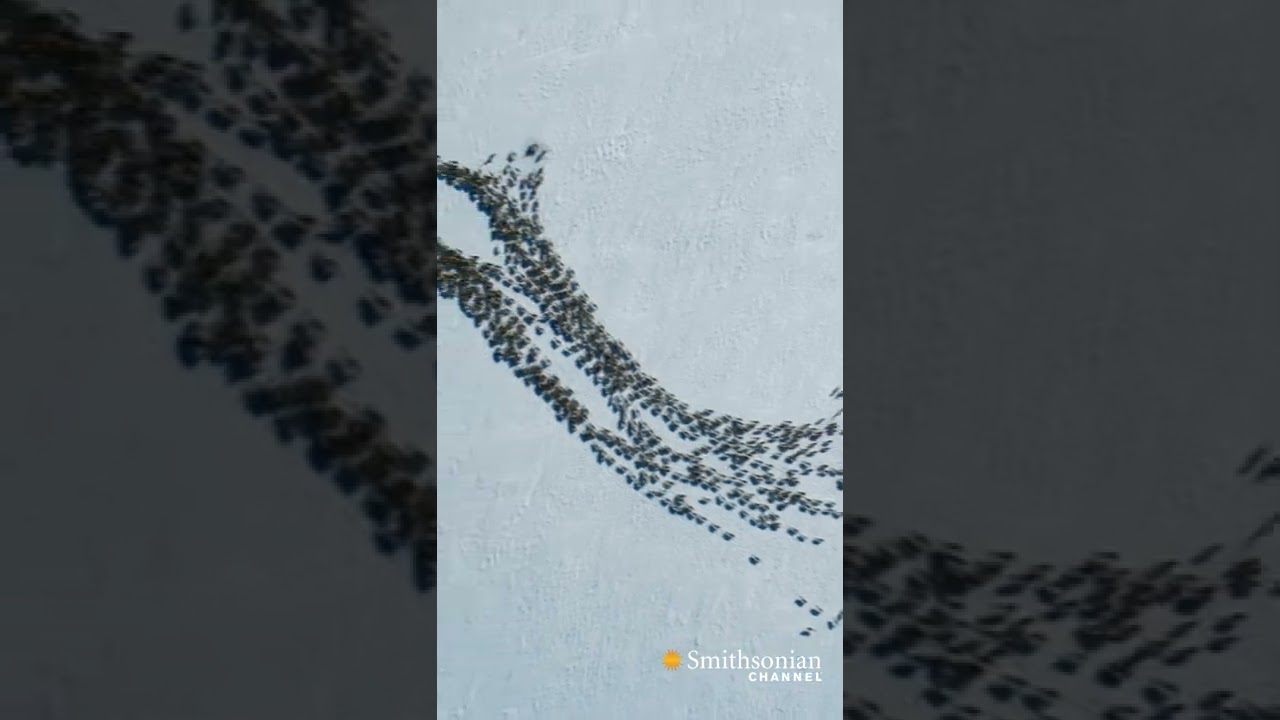
In Norway, 3,000 reindeer compete each year for 8 spots to pull Santa's sleigh, highlighting the region's landscapes and Sami herding traditions.
Picasso the dog forms a unique friendship with Pax the pig, illustrating the emotional bonds that can exist between different animal species.
Prince Harry showcases his skills during a match at Paramount, despite a brief fall.
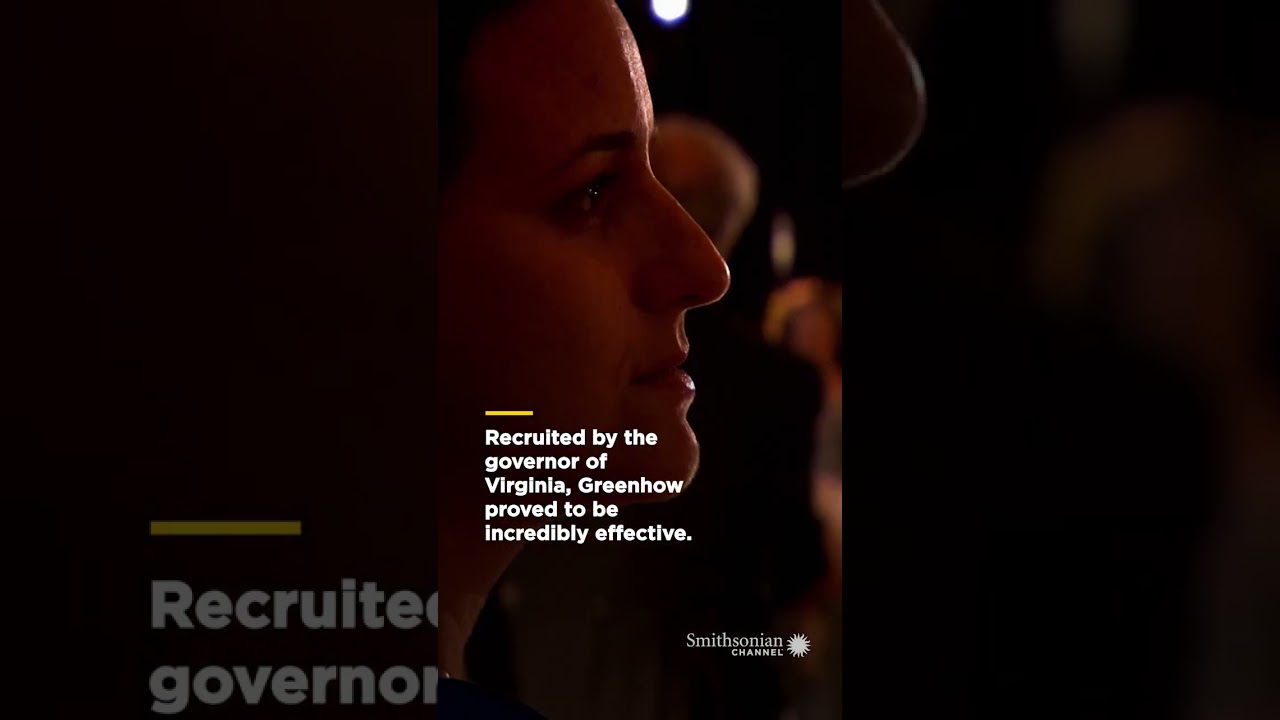
Rose Greenhow, a Confederate spy in Washington, D.C., utilized her social connections to gather intelligence that significantly influenced the Civil War.
Takeko Nakano, a rare female samurai warrior, actively led troops in battle during Japan's Boshin War, challenging gender norms of her time.
Tapirs, often misunderstood, exhibit their unique behavior of diving into water for food, highlighting their surprising relation to horses and hippos.
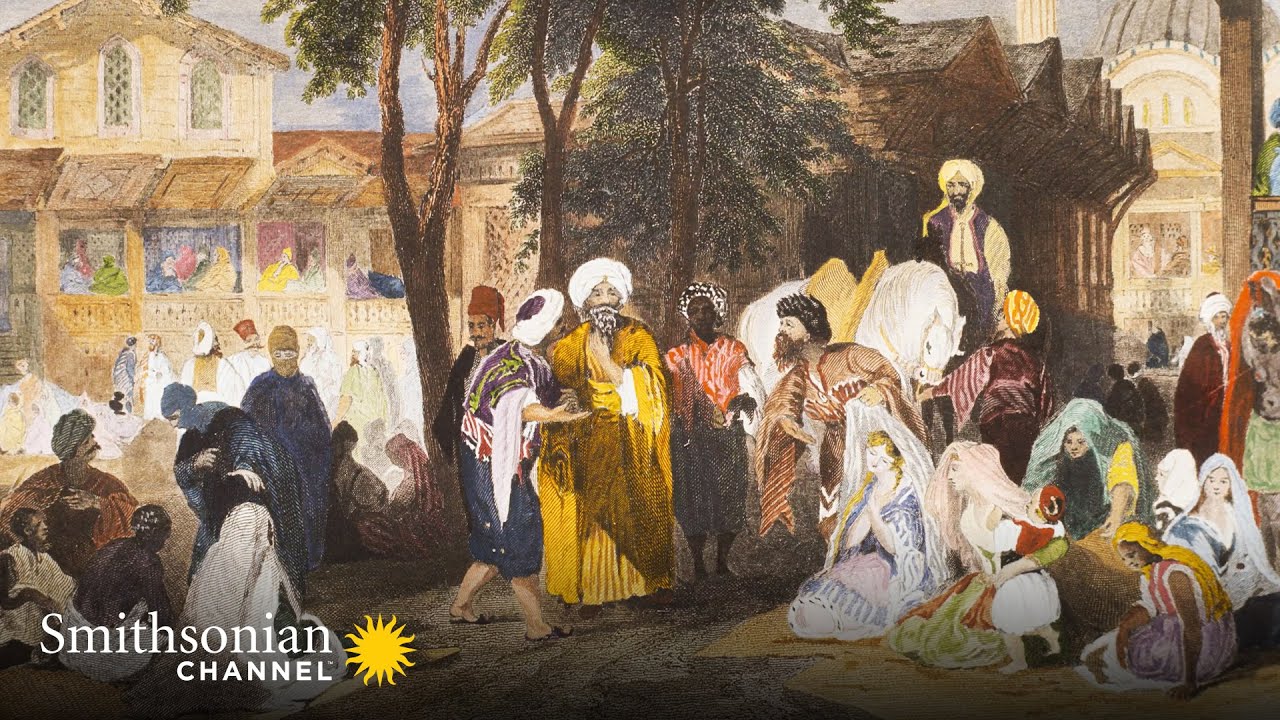
The Indian ocean slave trade in the 17th century surpasses the Atlantic trade in scale.
Hengdian World Studios, or Chinawood, is the largest outdoor film studio in the world.
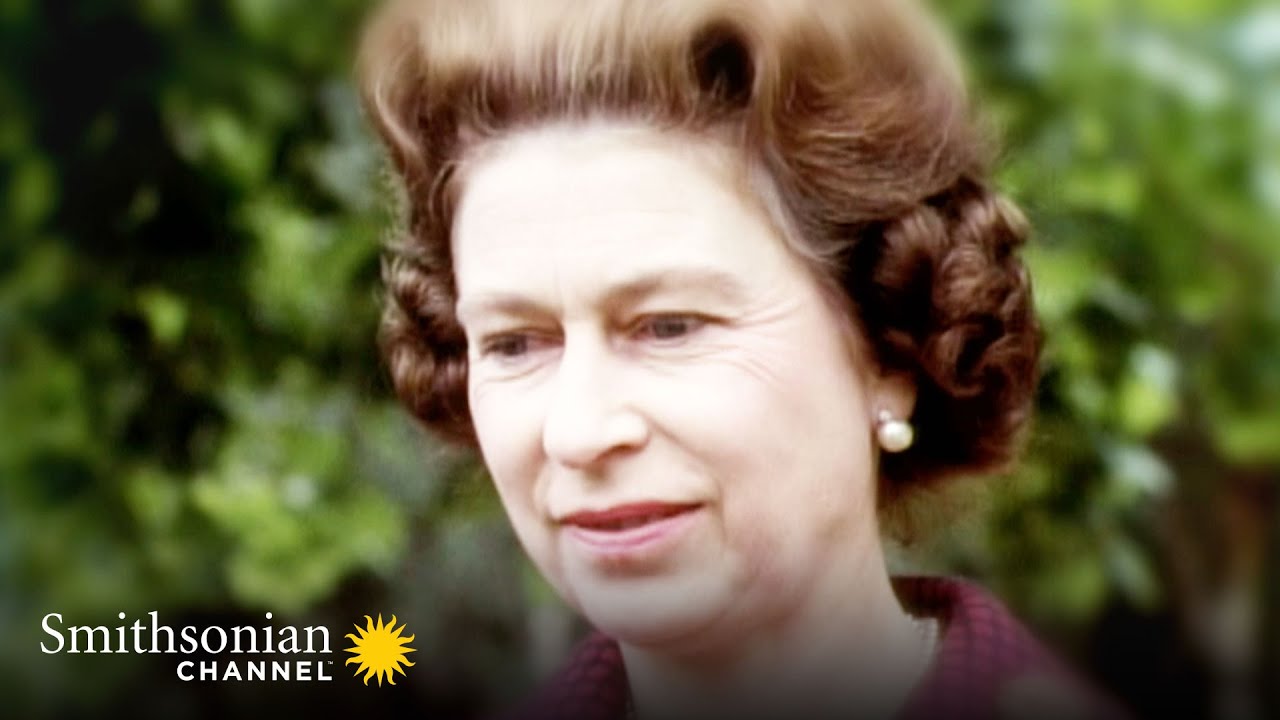
The Queen addresses the nation in London five days after Princess Diana's death.
Shells serve as protective structures for numerous marine and terrestrial species, influencing food chains and habitats across various ecosystems.
The Spanish Flu, often misattributed to Spain, actually originated from a natural mutation on a farm in the USA, likely in Kansas or Arkansas.
The Blotched Fantail's venomous stinger can be lethal if it connects with a vital organ.
In 17th century Versailles, the opulent palace's design featured only two toilets for hundreds of guests, contributing to its notorious unsanitary conditions.
In 1920s New York City, construction workers faced perilous conditions, with 40% of them dying while building the iconic skyscrapers that define the skyline.
Leopard seals fight for over 10 minutes, showcasing their strength on The Smithsonian Channel.
Various animals, including a black and white cow, cat, skunk, crows, and doves, exemplify peaceful coexistence and the beauty of diversity in nature.
A pig and a cockatoo form an unusual bond, showcasing the diverse relationships found in the animal kingdom on The Smithsonian Channel.
Buggy the kangaroo and Wally the wombat befriend each other at a rescue center.
The British Antarctic Survey's center withstands extreme cold and relocates in danger.
In the Ethiopian highlands, gelada brothers engage in a fierce confrontation that highlights their intense sibling rivalry and striking appearance.
President Woodrow Wilson's stroke is examined for its possible connection to the Spanish Flu pandemic, highlighting the influence of Edith Galt Wilson during his presidency.
Royal menus in the early 17th century reflect the cultural influences of the Middle Ages, alongside significant events like the Last Inquisition in Europe.
Ancient Egyptian beliefs about chaos and order were deeply influenced by their worship of demigods and deities like Isis, shaping their worldview and daily practices.
Plague doctor masks, with their bird-like design, were historically believed to ward off evil spirits while reflecting ongoing healthcare profit motives.
The 1918 flu pandemic, often misattributed to Spain, actually originated in Kansas and was downplayed by the Wilson Administration amid World War I.
Stonehenge's mysteries are explored, suggesting it may have been a marriage site, with theories linking it to tombs and giants, featuring insights from Randall Carlson.