From over 100,000 films, discover the handful you'll love.
Free or premium access to the world's largest documentary library.
242 films(Page 2 of 6)
Paleontologists debate whether the fossil LH PV18 belongs to the theropod Tarbosaurus bataar or represents a distinct species, Raptorex kriegsteini.
At Tanque Loma, researchers propose that at least 22 giant ground sloths of the genus Eremotherium died due to being surrounded by their own feces.
Dimetrodon, a sail-backed reptile from the Palaeozoic Era, serves as a significant link in the evolutionary history leading to modern mammals.
Dinosaurs lived in the Gobi desert 250 million years ago, as shown in this Spanish video.
Dinosaurs lived in the Gobi Desert 250 million years ago, now explored in Full Documentaries.
Tiktaalik, a crucial fossil from the Devonian period, illustrates the evolutionary transition from aquatic life to land-dwelling animals and connects modern humans to their fish ancestors.
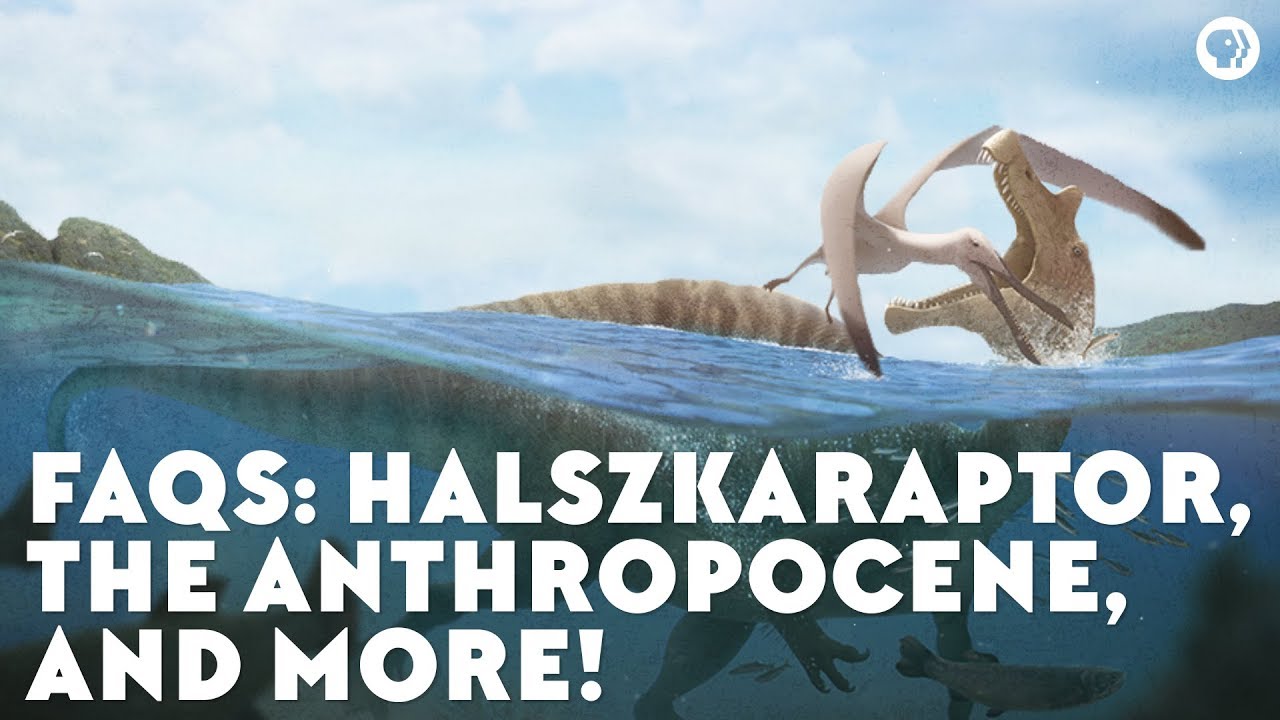
PBS Eons addresses audience questions from its first season, exploring Earth's history from the origins of life to the Cenozoic Era.
In 2003, microbiologists identified giant viruses that challenge existing concepts of microbial life and evolution, prompting a reevaluation of what it means to be alive.
Coal formation is traced back to bizarre plants that thrived across ancient landscapes, from Colorado to China, under immense heat and pressure.
In the Pacific Northwest, ancient geologic landmarks reveal the impact of over 7,000 years of catastrophic floods, reshaping the region's landscape and ecology.
In 1978, a rock shop owner discovered tiny bones in Montana that led to the identification of a new dinosaur species named Myasaura.
Titanoboa, the largest snake ever known, thrived in ancient Colombia around 59 million years ago due to the effects of a warming planet.
During the Cenozoic era, a significant mass extinction event led to a relative shrinkage of mammalian brains, influencing evolutionary development.
Yellowstone, a supervolcano in North America, has played a crucial role in creating some of the continent's most remarkable fossil deposits.
Ancient rock art in Australia reveals depictions of megafauna, prompting researchers like Professor Bruno David from Monash University to explore their historical existence.
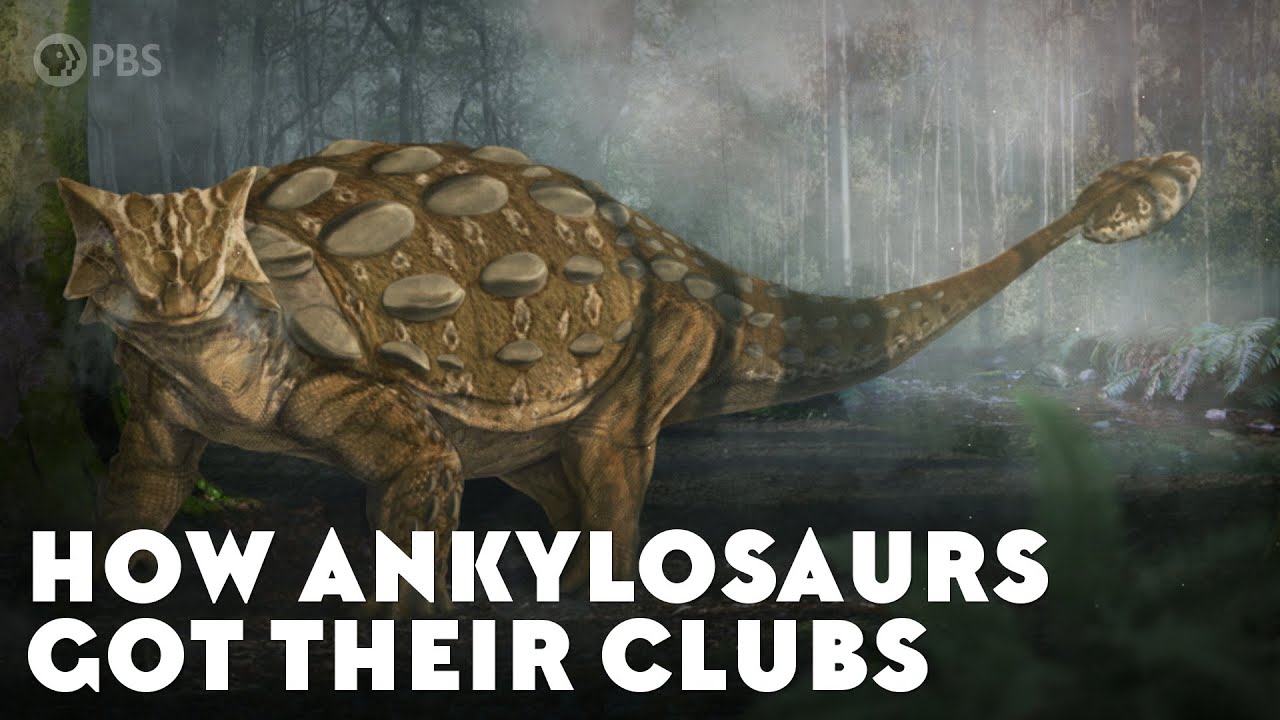
Ankylosaurs, known for their distinctive club-like tails, are examined for the evolutionary development and functional significance of this unique anatomical feature.
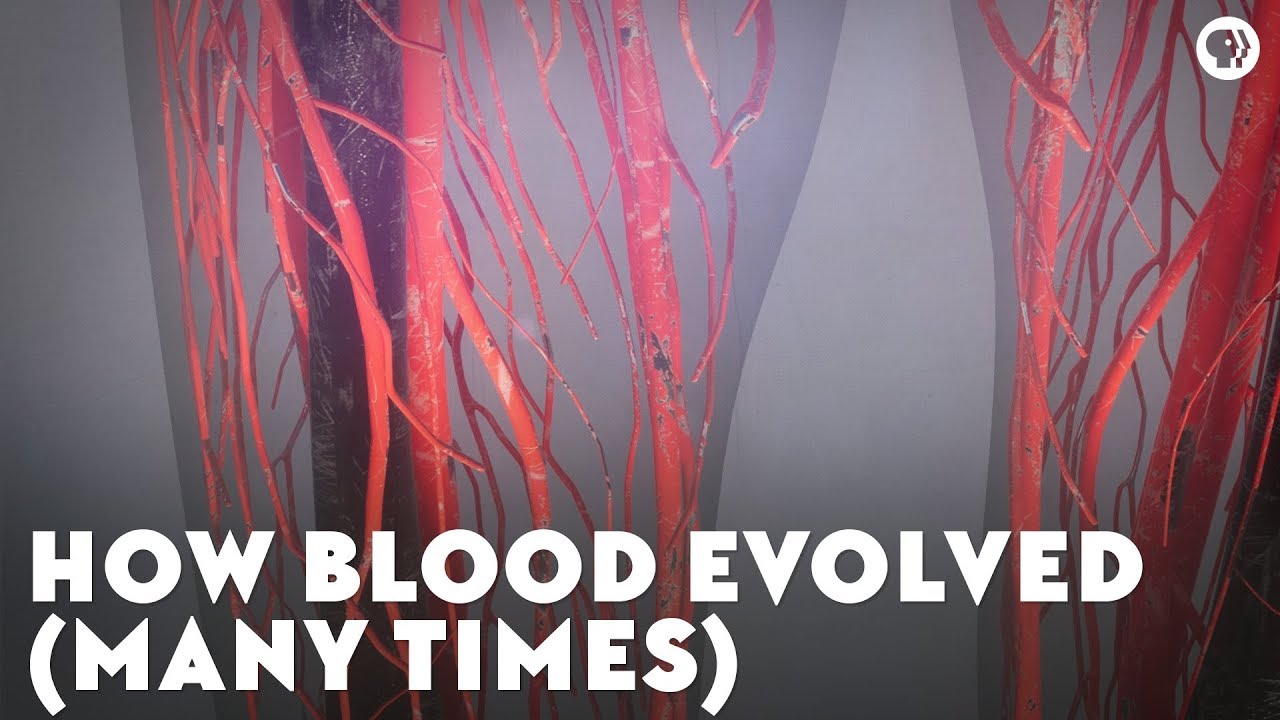
Blood has evolved in various forms, including red, blue, and green, showcasing its transformative role in the evolutionary history of animals over millions of years.
Chilis, the most widely cultivated spice crop globally, evolved their unique heat as a defense mechanism, leading to their widespread culinary popularity.
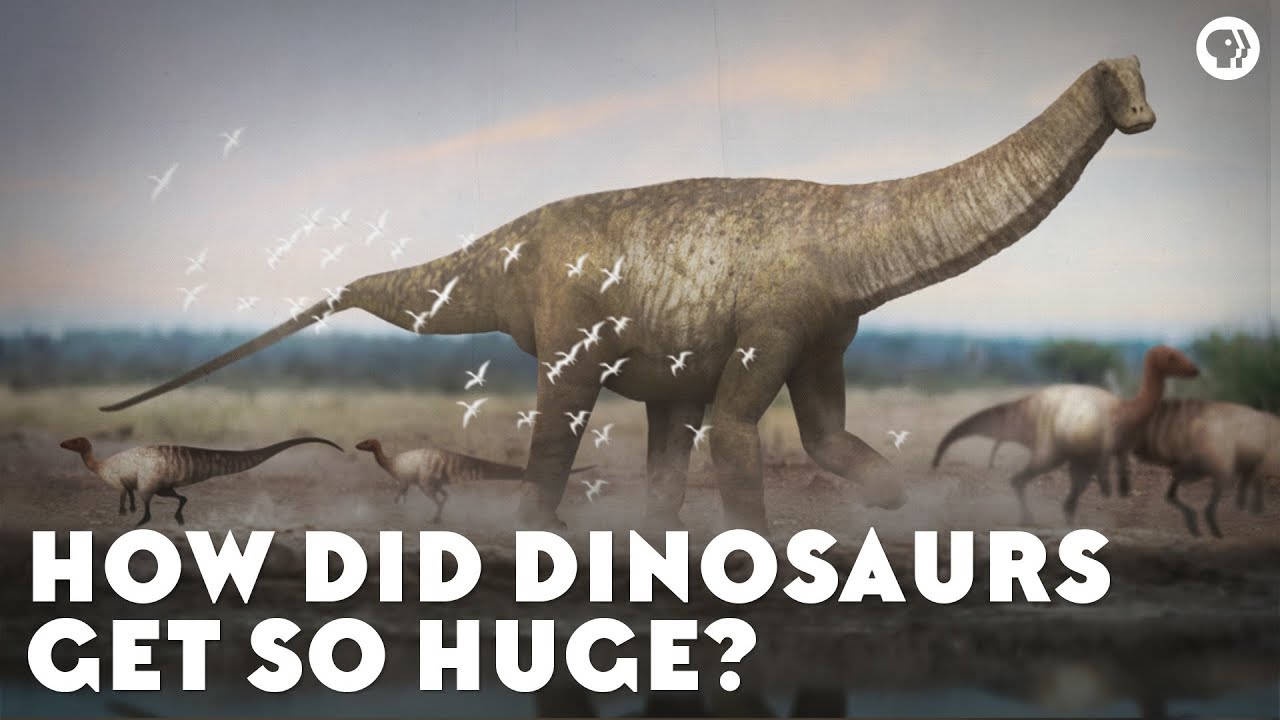
Dinosaurs, some as tall as a five-story building, roamed the Earth during the Jurassic and Cretaceous Periods, showcasing remarkable evolutionary adaptations.
The extinction of dinosaurs led to significant ecological changes that facilitated the evolution of diverse fruit species and their respective consumers.
The evolutionary transition from dinosaurs to birds is explored through scientific evidence, including the impact of the asteroid 66 million years ago and new survival theories.
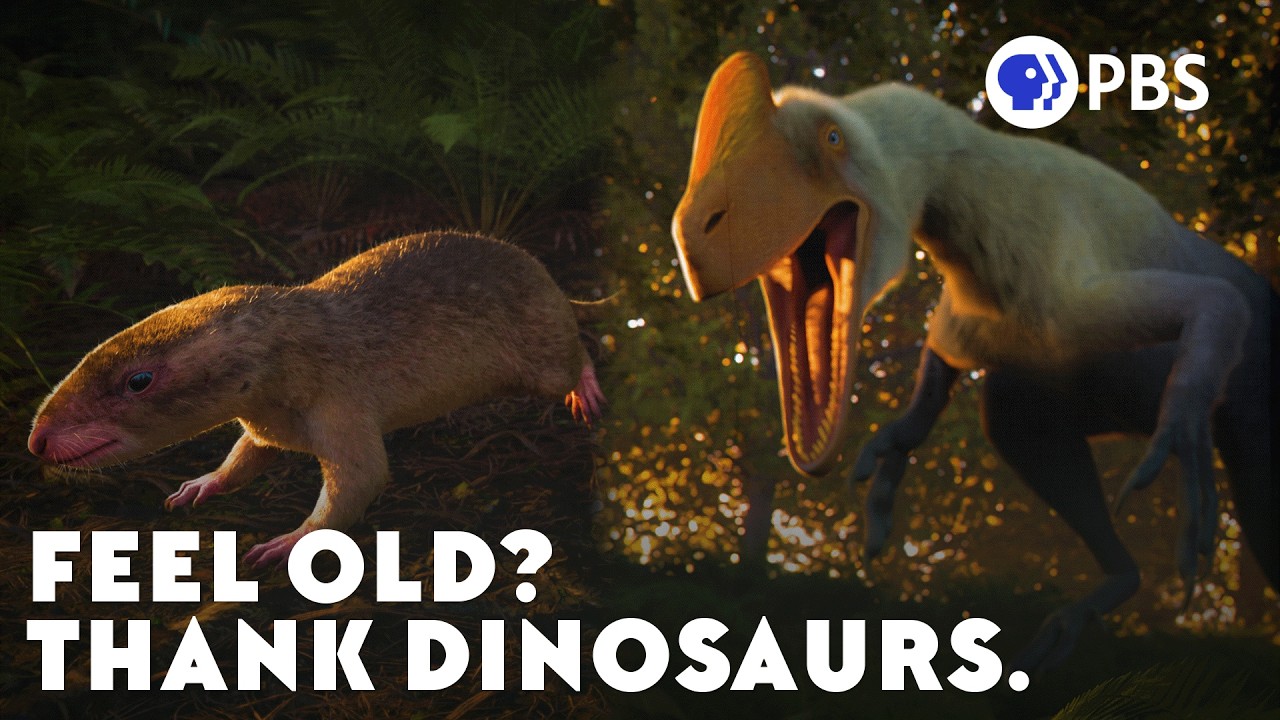
Dinosaurs may have influenced the aging process in modern vertebrates, suggesting a link between their extinction and the accelerated aging of species today.
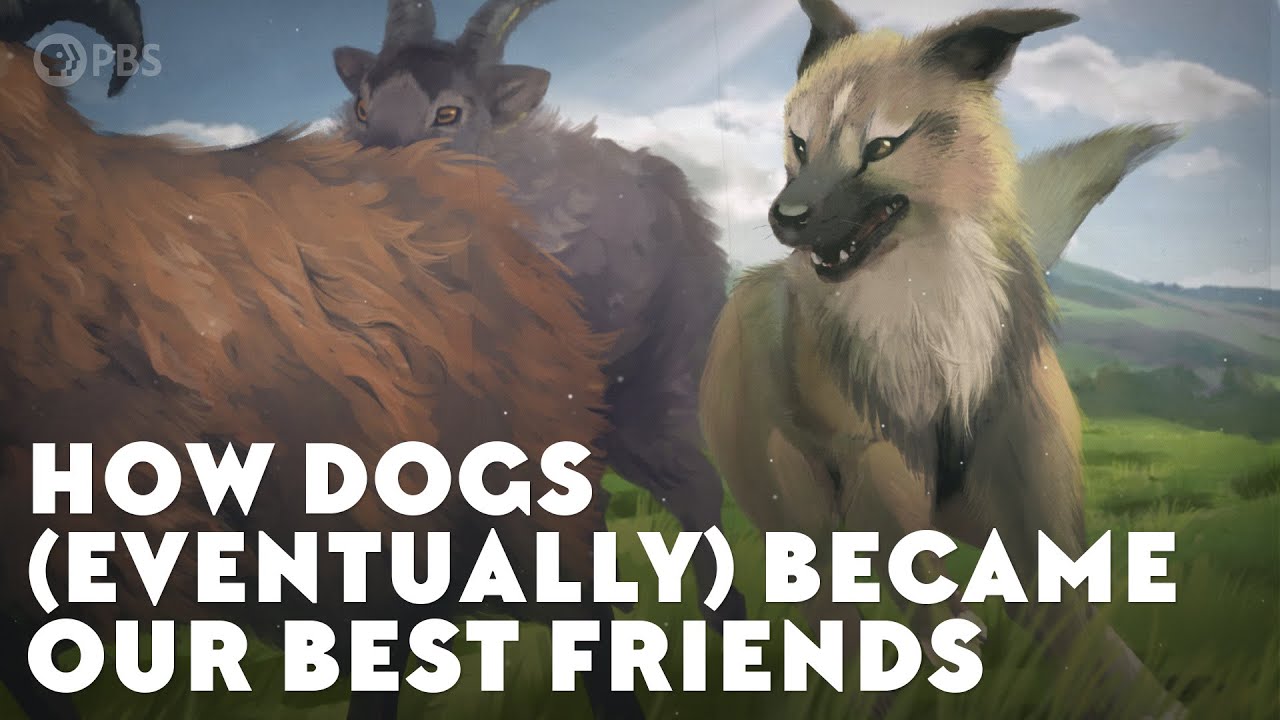
Thousands of years of interactions between humans and wolves led to the domestication of dogs, shaping their genetics and anatomy into the companions known today.
Sponges, resilient filter-feeding organisms, have survived multiple mass extinction events and played a crucial role in maintaining Earth's ecosystems.
At the Smithsonian National Museum of Natural History's Deep Time Hall, experts explain the mechanisms of evolution and the historical context of its understanding.
Horses, which thrived globally, vanished from North America for 10,000 years before being reintroduced by Spanish explorers in the 16th century.
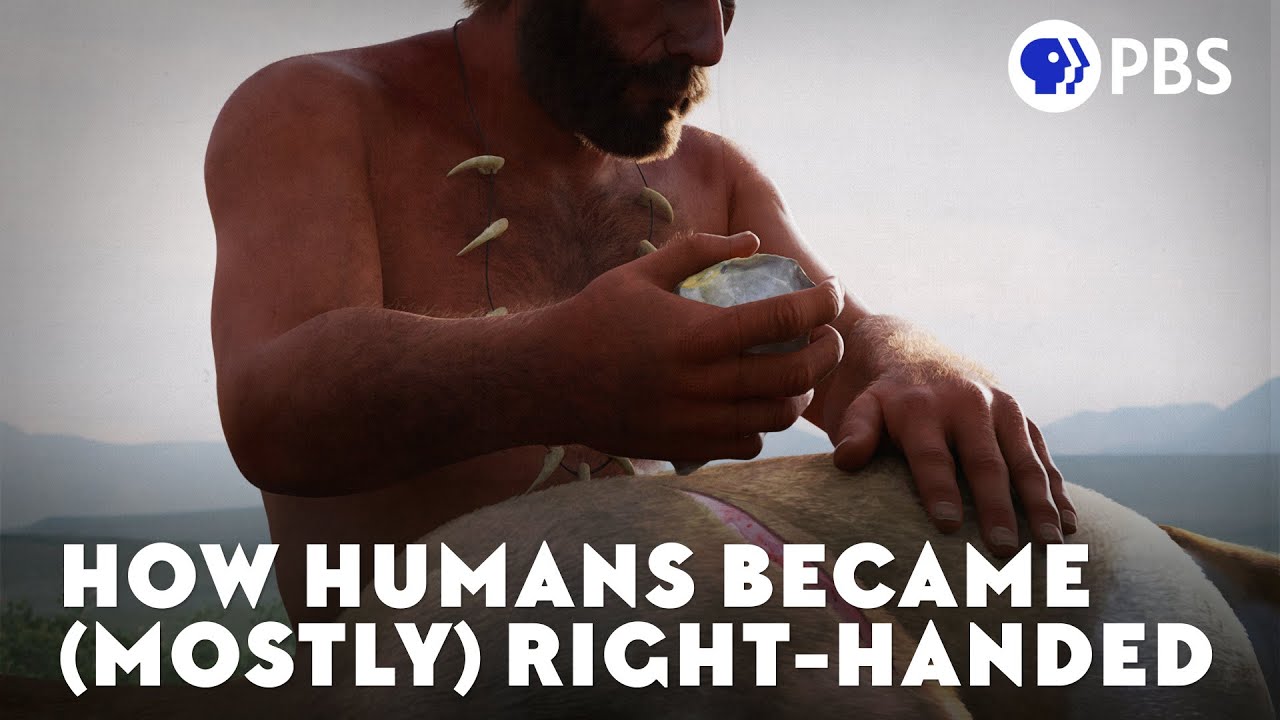
Right-handedness in humans may have deep evolutionary roots, with left-handedness offering unexpected advantages, as explored through various scientific perspectives.
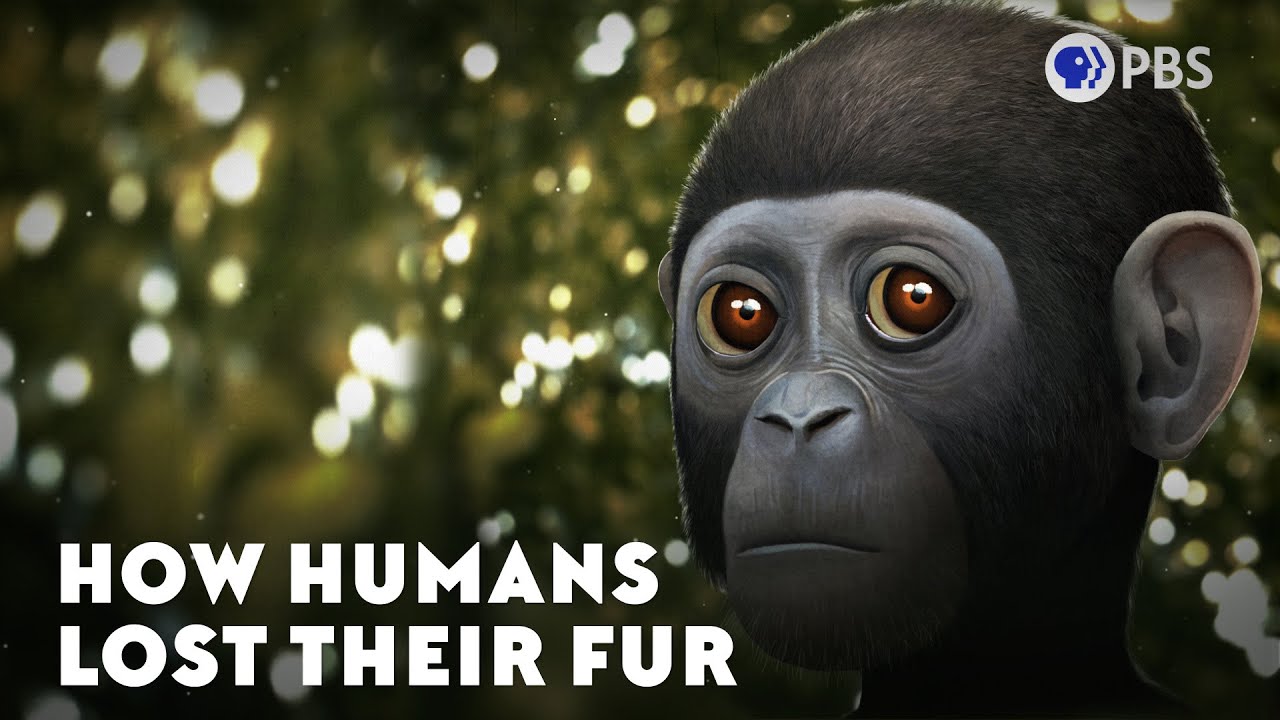
Humans are the only primates without a coat of thick fur, a change that significantly impacted body temperature regulation and shaped human evolution.
Aegirocassis, the largest radiodont from the Early Ordovician, reached over 2 meters in length, enabled by a significant evolutionary shift in plankton.
Botanical carnivory evolves as certain plants adapt to nutrient-poor environments, showcasing unique survival strategies in species like sundews.
In the Cambrian period, the emergence of terrestrial plants significantly altered Earth's climate and contributed to the first mass extinction event.
Los Angeles' geological landscape has been significantly shaped by plate tectonics, revealing a complex natural history beneath its urban development.
Pterosaurs, the ancient flying reptiles, experienced evolutionary changes that enabled flight but ultimately contributed to their extinction.
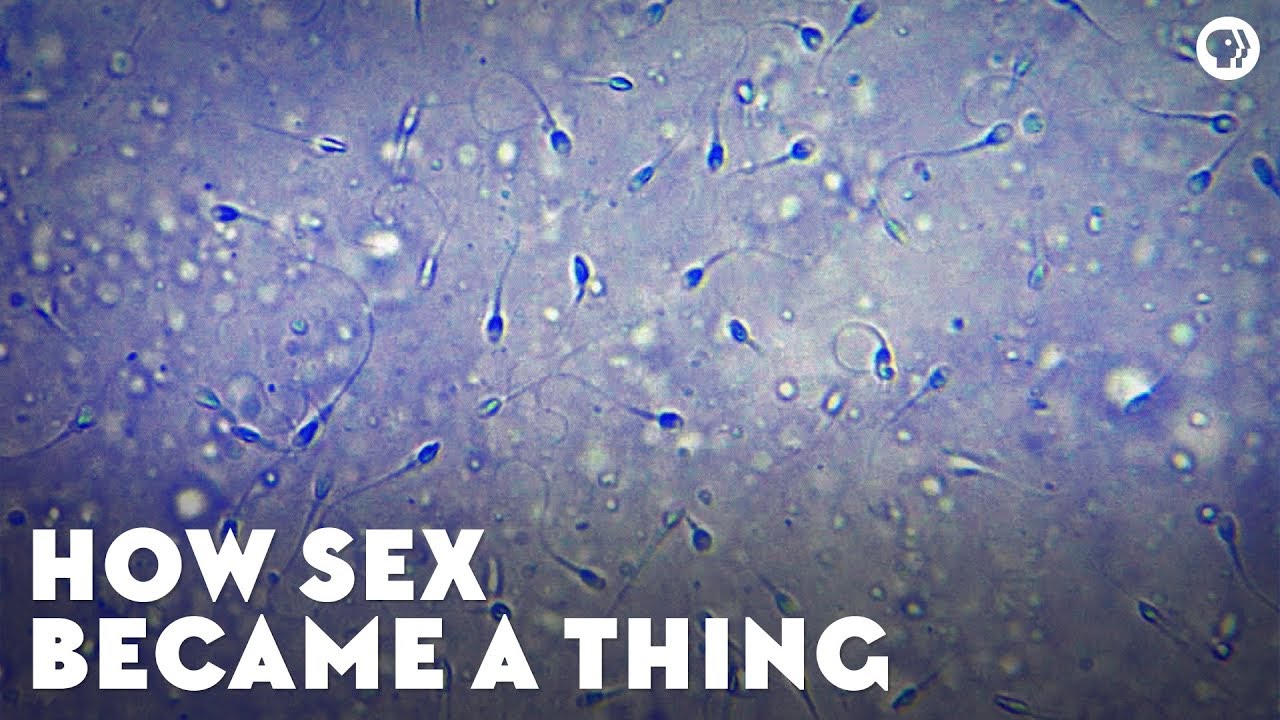
Sexual reproduction's evolutionary history is explored, tracing its origins and significance in the development of life on Earth.
Sloths exhibit remarkable ecological diversity, having evolved from marine foragers and underground dwellers to their current arboreal lifestyle, with only tree-dwelling relatives remaining.
Throughout the Cenozoic Era, marsupials and their metatherian relatives thrived in South America, adapting to various ecological niches and evolving into diverse forms.
At Cerro Ballena in Chile, over 40 skeletons of marine mammals from the Late Miocene Epoch reveal insights into the environmental changes that may have contributed to their demise.
Two extinct relatives of horses and rhinos, chalicotheres, exhibit significant differences in body structure despite their close evolutionary relationship.
The evolution of the egg is traced from the first land-dwelling vertebrates to modern mammals and birds, emphasizing that the egg came first.
Ancestors of modern cephalopods like octopuses and squids possessed shells that initially provided protection but ultimately became a liability in their evolution.
Tyrannosaurus rex, known for its massive size and small arms, presents a complex evolutionary narrative regarding the function and adaptation of its forelimbs.
Turtles evolved from ancient reptiles, and their unique shells have prompted scientists to reevaluate the history of reptile evolution.
The evolution of walruses over nearly 20 million years reveals that their tusks are not linked to their feeding habits, challenging previous assumptions.
Nunalleq, a village in southwest Alaska, thrived during the Little Ice Age, prompting exploration of its survival strategies and the climate change causes of that era.
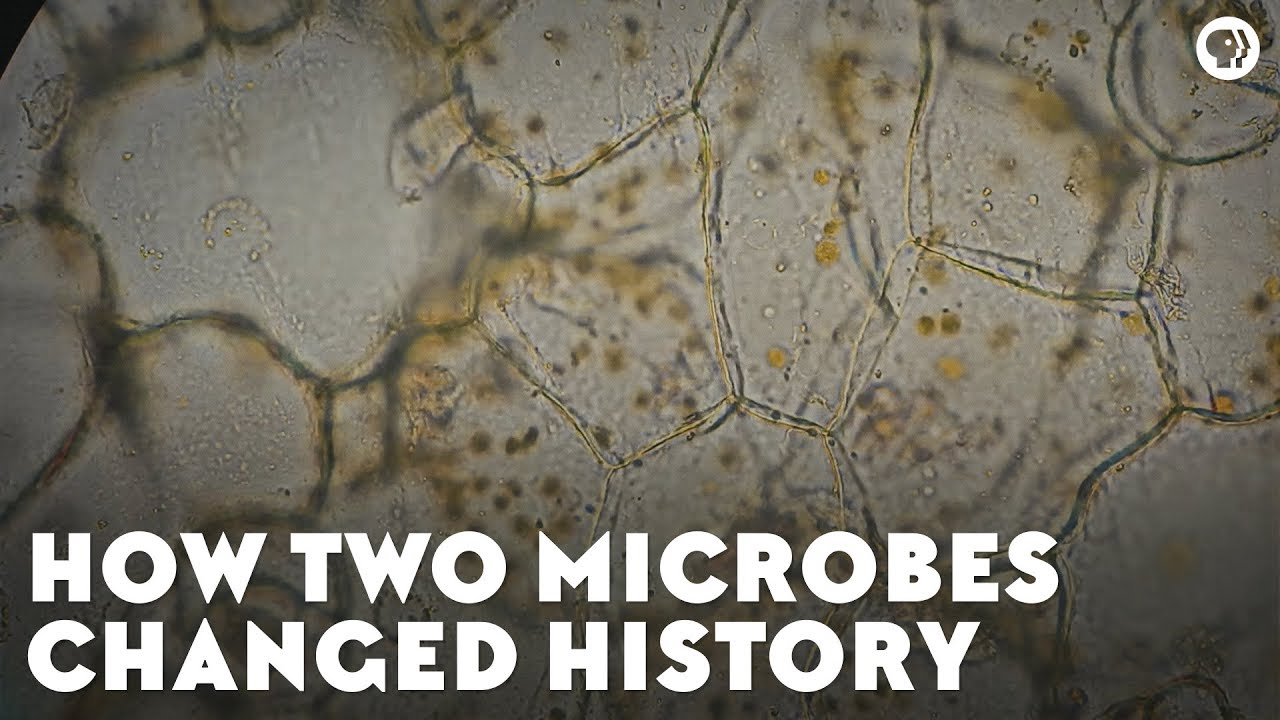
Two billion years ago, a symbiotic relationship formed between two microbes, leading to the evolution of complex life and the organelles found in modern cells.
Over 600 million years ago, Earth experienced two significant glaciation events known as Snowball Earth, which left evidence of ice coverage on every continent.
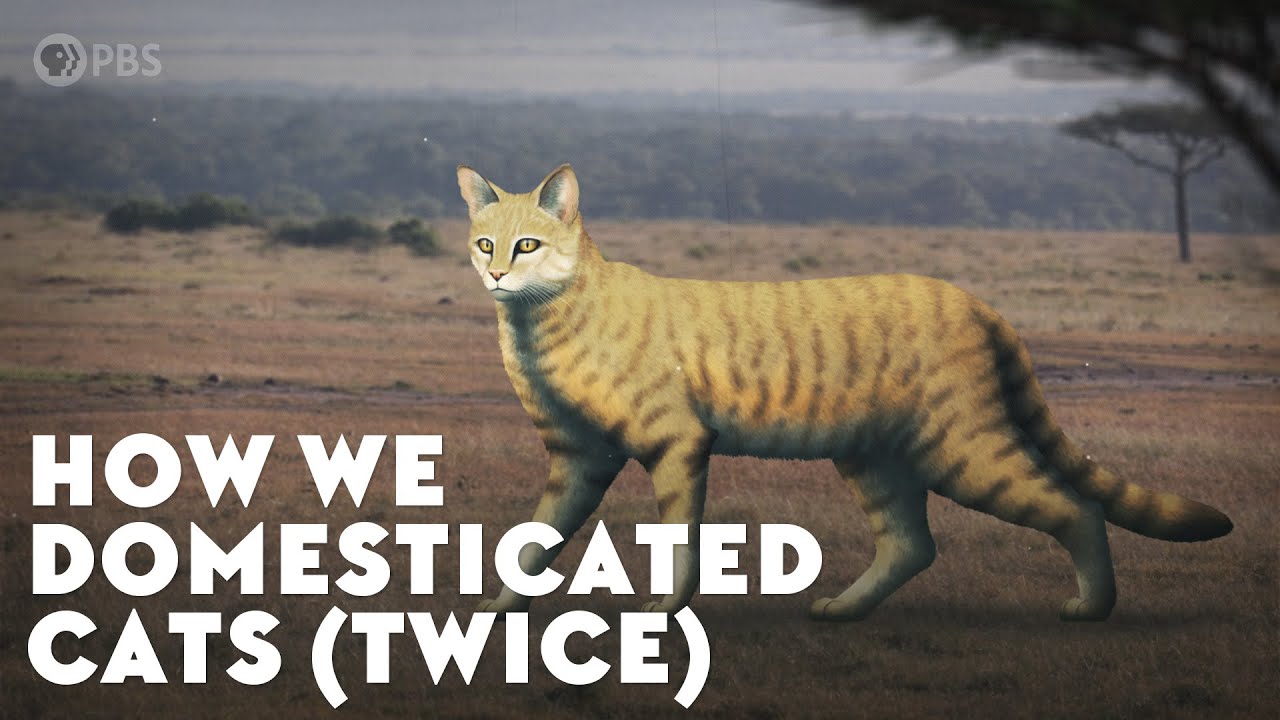
A 9,500-year-old burial site in Cyprus provides some of the earliest evidence of the companionship between humans and cats, highlighting their domestication history.
Sixty-six million years ago, a giant asteroid impact led to the extinction of the dinosaurs, with recent research pinpointing its origin and trajectory.