From over 100,000 films, discover the handful you'll love.
Free or premium access to the world's largest documentary library.
66 films(Page 2 of 2)
Researchers grow human brain tissues to understand unique brain development and neuron production.
Neuroscientist Albert Moukheiber examines how social influences shape human perception, decision-making, and behavior in various contexts.
Fourteen electrodes are implanted deep into Olivia's brain to investigate the source of her epilepsy and map brain functions.
Neuroscientist Heather Berlin says that defining consciousness requires understanding first-person subjective experience, which is only accessible to the individual.
Isaac Hempstead Wright discusses life before 'Game of Thrones' and memorable moments with john bradley.
COVID-19 causes loss of smell, impacting lives, as seen in Karen's confectionary business.
Mayim Bialik discusses her transition from acting in 'Blossom' to earning a PhD in Neuroscience from UCLA and her role on 'The Big Bang Theory.
Oregon just became the first state to decriminalize drugs, promoting treatment over jail time.
Scientists believe mental processes can be coded, as shown by USC's memory-restoring microchips.
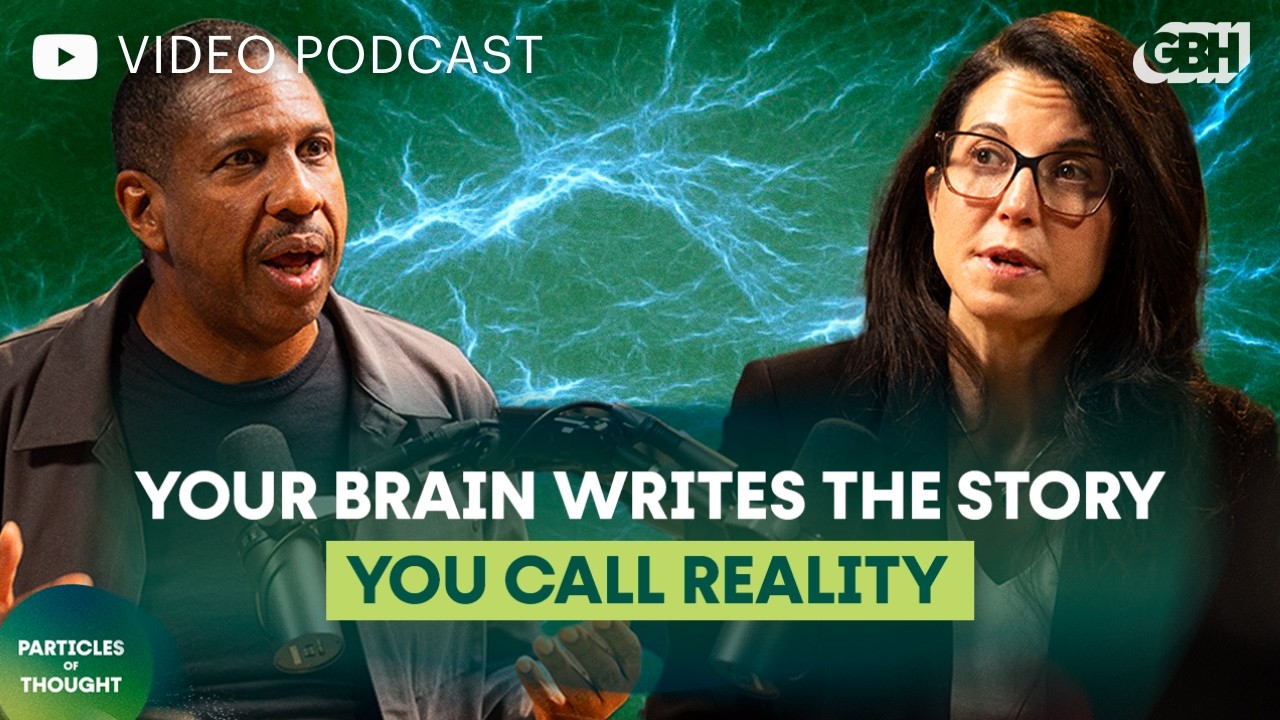
Prof. Nasir Raza Awan discusses reality and perception through neuroscience and philosophy.
Dani Clode invents an extra thumb to enhance human capabilities at the University of Cambridge.
86 percent of men reach orgasm during sex, while only 62 percent of women report the same, raising questions about the reasons behind this gap.
Early childhood experiences significantly shape brain development, with synapse growth peaking at 15,000 connections per neuron by age three.
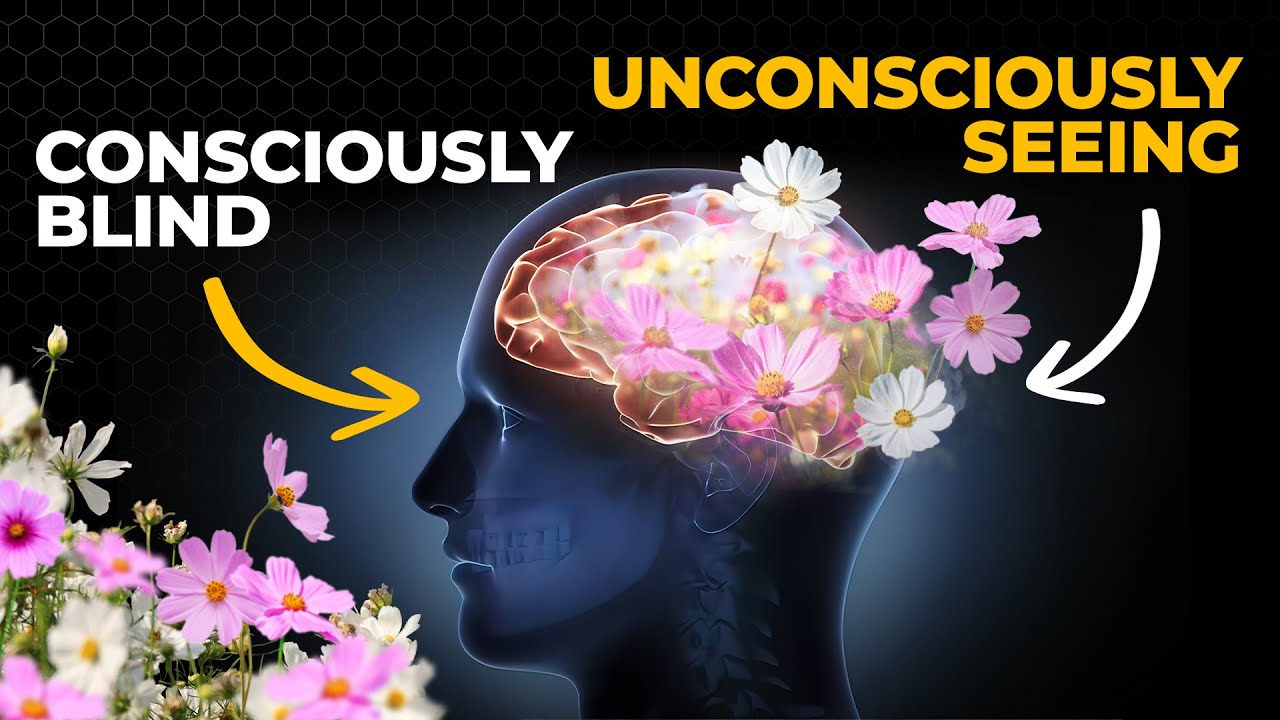
Blindsight is a condition where individuals with visual impairments can respond to visual stimuli without conscious awareness, as explored through case studies and research from the University of California, Berkeley.
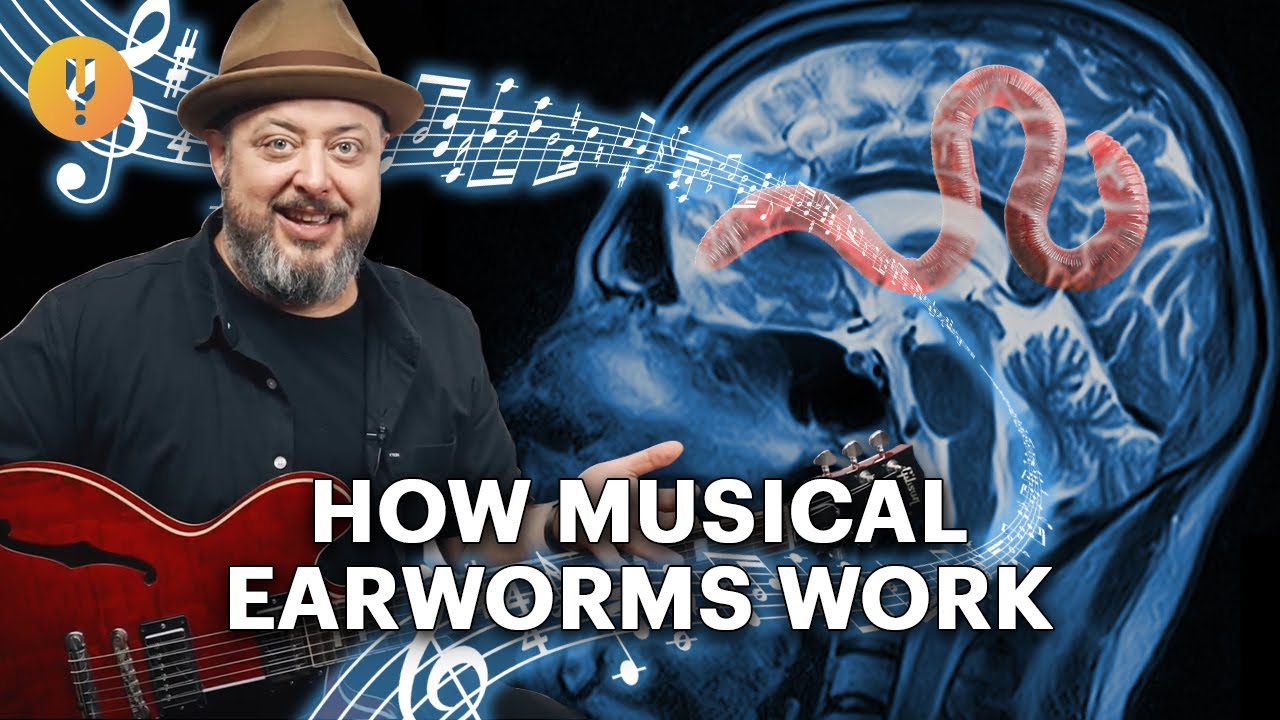
Dr. Carole Scherling from Belmont University explains the science behind earworms, the phenomenon of catchy songs lingering in our minds long after hearing them.
Dr. Michael Oliver from Belmont University explains why live music feels better than recordings.
Neuroscientists explore how communication between different brain regions contributes to the formation of individual identity and consciousness.
Memories, identity, and the sense of self are shown to be constructs of the brain, rather than accurate recordings of reality.