From over 100,000 films, discover the handful you'll love.
Free or premium access to the world's largest documentary library.
97 films(Page 2 of 3)
Aerial cinematography captures Canada's diverse landscapes and iconic landmarks from a helicopter, showcasing the country's beauty from a unique perspective.
In various natural and domestic settings, playful baby animals, including cheeky ferrets, are highlighted through humorous narration.
The River Clutha in Scotland is home to diverse ecosystems that are significantly affected by human activities and environmental changes.
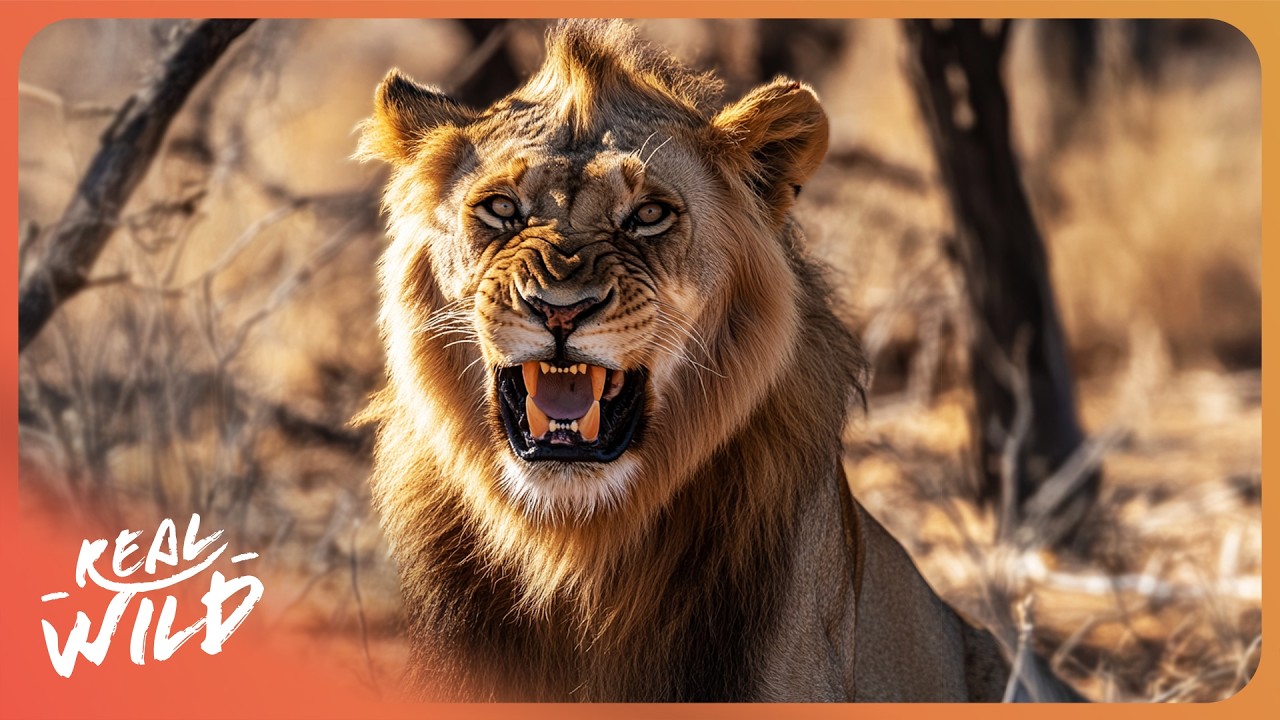
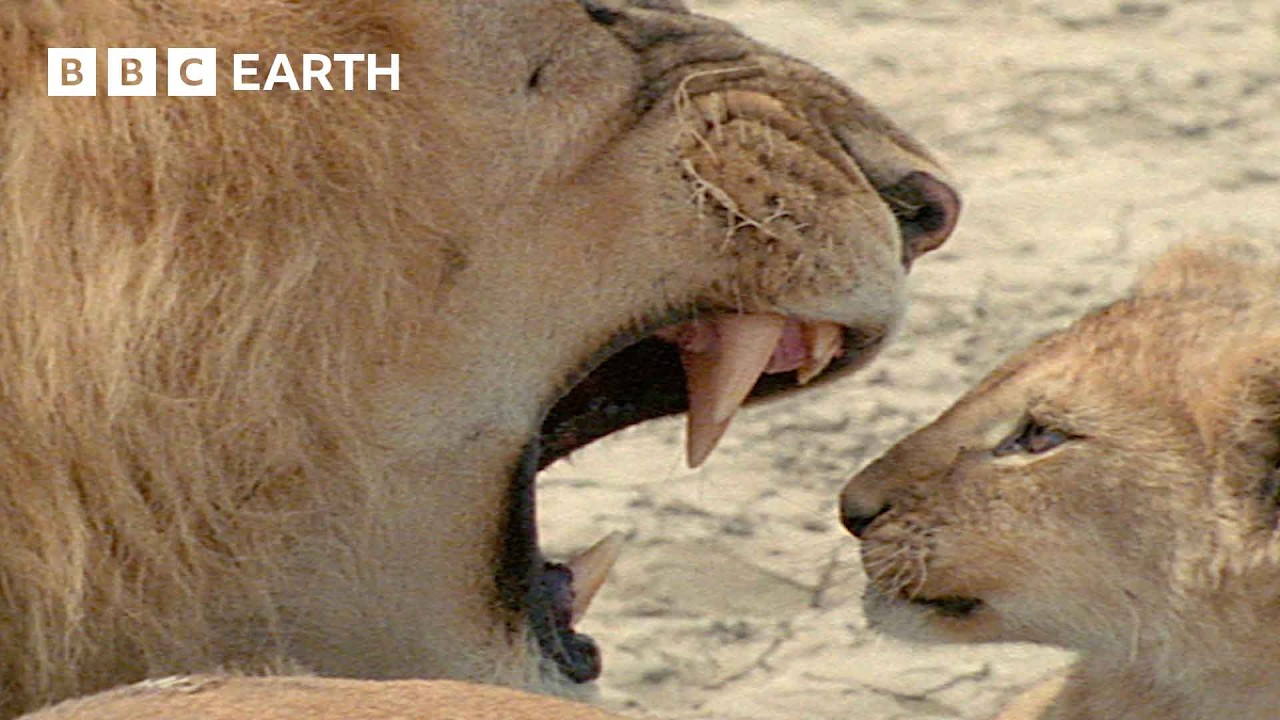
Wild cats, including tigers, jaguars, lions, and cheetahs, showcase unique evolutionary traits and survival strategies across diverse global habitats.
In Erindi Game Reserve, Namibia, wildlife expert Steve Leonard examines the rich biodiversity and animal behaviors within this unique ecosystem.
Dinosaurs' extinction around 66 million years ago led to significant evolutionary changes in sharks, birds, and turtles, as illustrated by rare wildlife footage.
Black rhinos in Kenya's Maasai Mara National Reserve are critically endangered, with conservation efforts vital for their survival as a male rhino seeks a female and her calf.
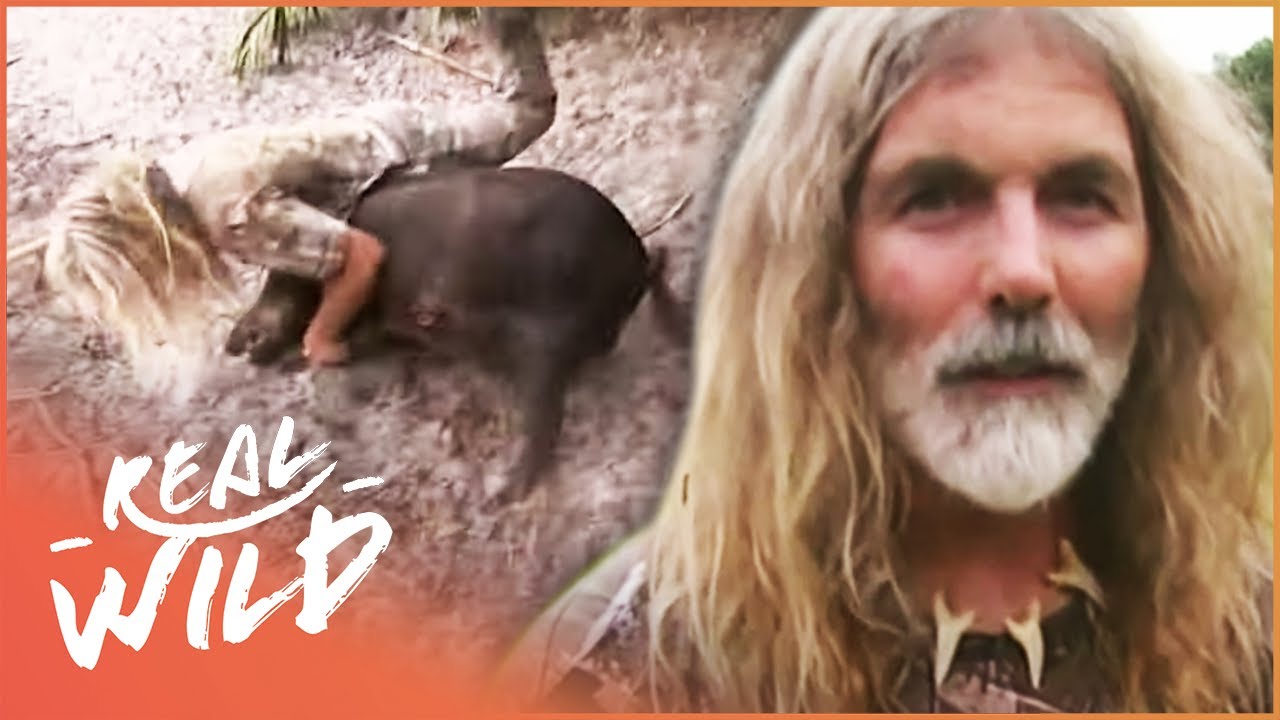
Manny Puig faces the intense challenge of capturing a larger wild boar in 90-degree heat after successfully catching a massive hog in Florida.
A group of nine winter travellers navigates the Missinaibi River using traditional methods, showcasing the importance of preserving ancestral knowledge in a modern world.
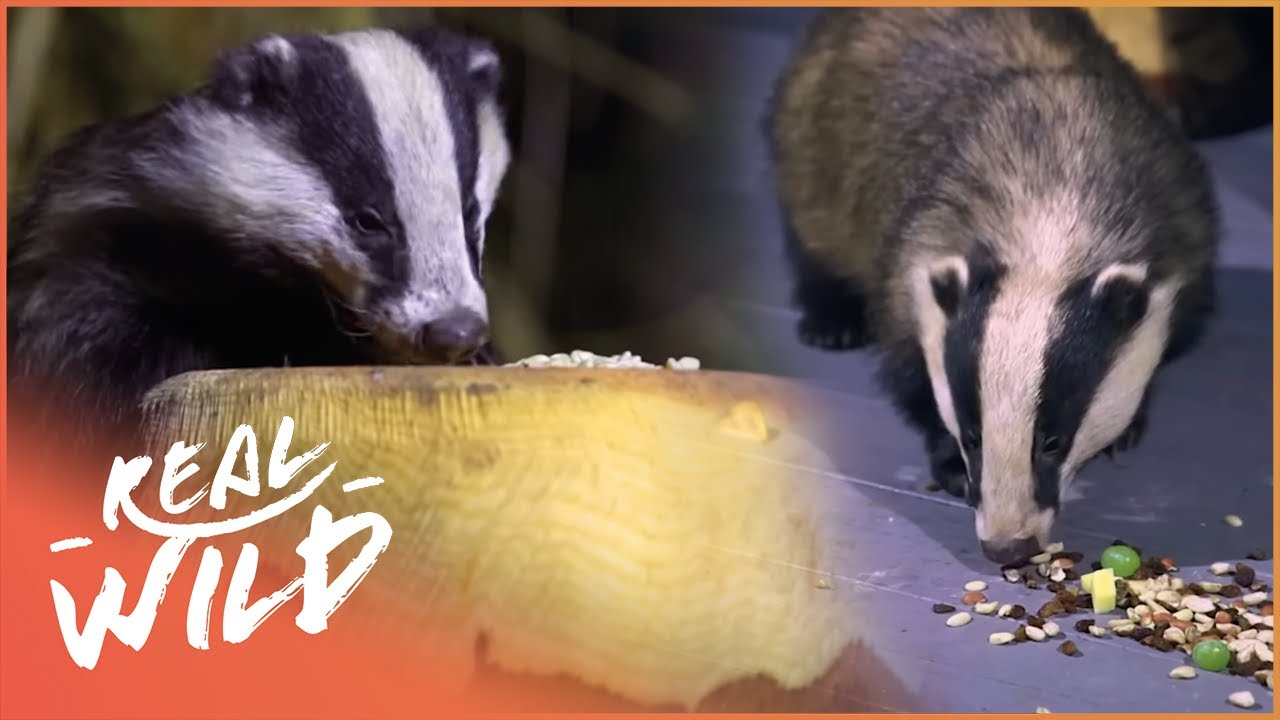
In a suburban backyard, a woman cares for a family of wild badgers while wildlife experts Steve Backshall and Miranda Krestovnikoff explore nocturnal animal behavior in Britain.
In the sand forest of Africa, Brittany, Anga, and Bruce search for elusive leopards while waiting in the bush after a punctured tire leaves them stranded.
Craig Potton explores the Rangitata River in New Zealand, emphasizing the local Māori people's history and their deep connection to the landscape.
Craig Potton explores the River Clarence in New Zealand, emphasizing the cultural significance and historical ties of the local Māori communities to the landscape.
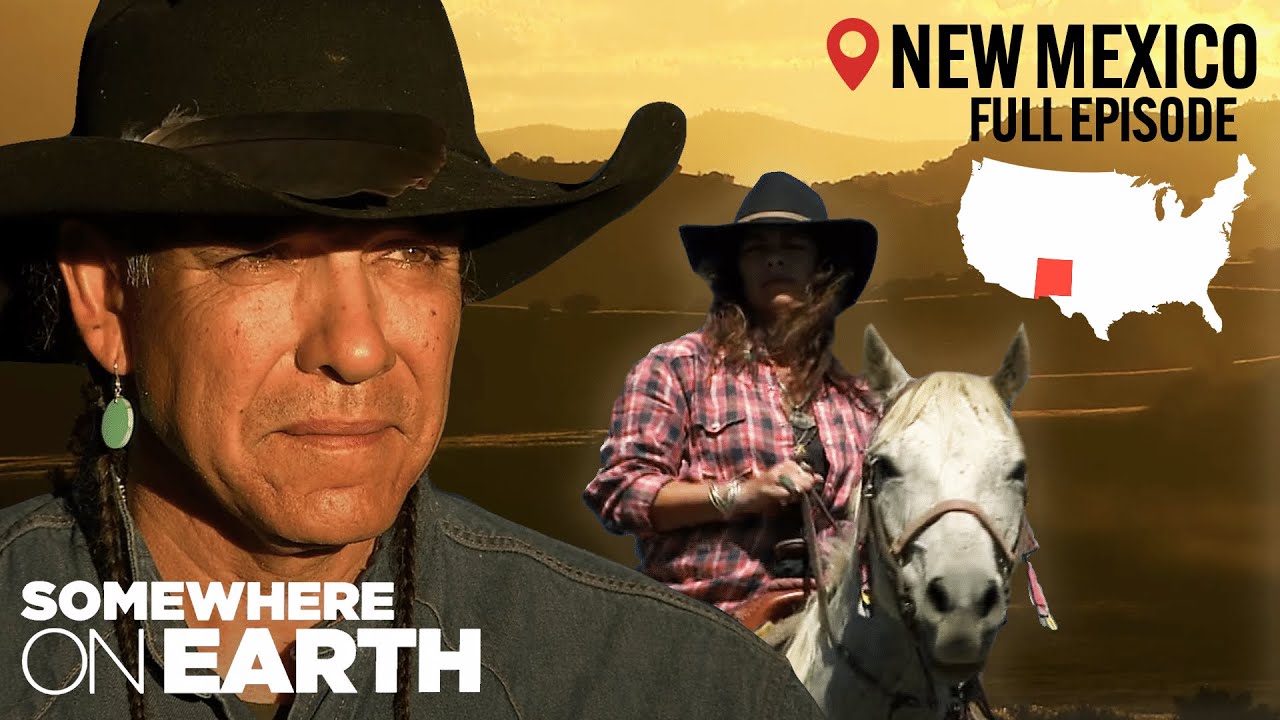
New Mexico, a vast and sparsely populated state, showcases the lives of individuals like Sarah, James, and Kristi as they connect with its stunning landscapes and rich heritage.
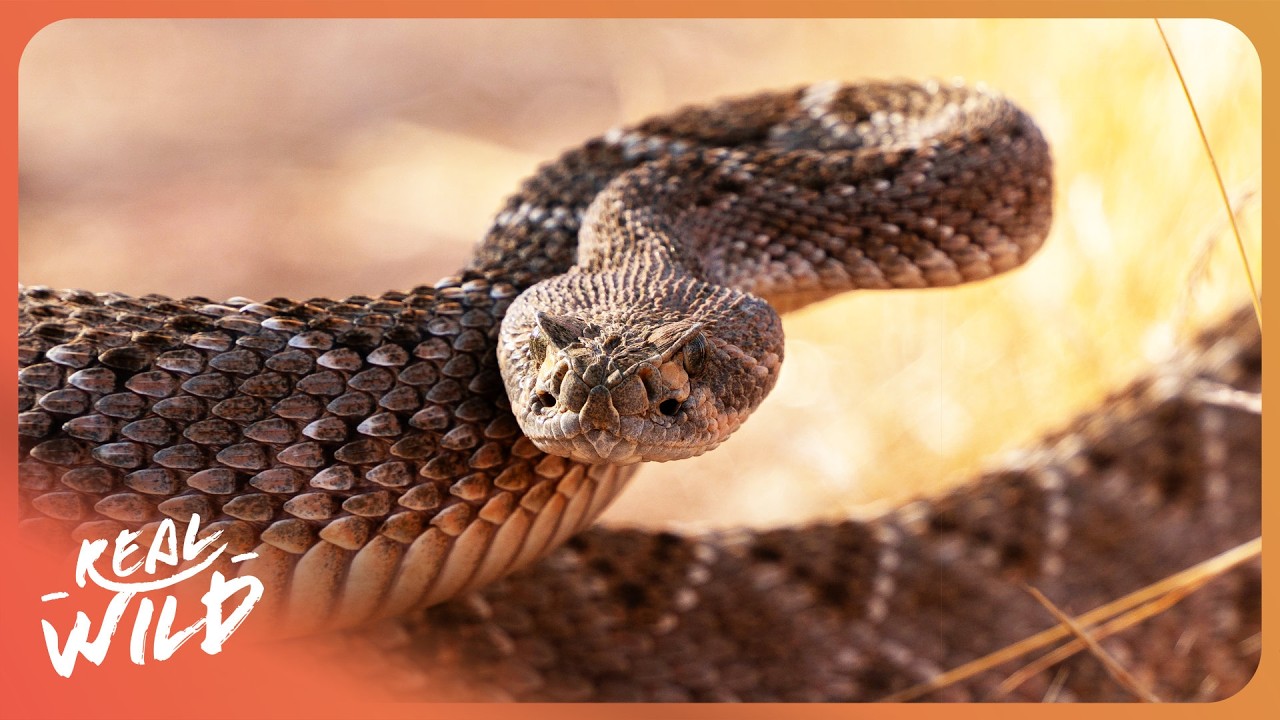
In the deserts of the American Southwest, a female Western Diamondback rattlesnake uses heat-sensing pits to hunt prey while navigating threats from predators.
Jane Goodall's pioneering research on wild chimpanzees in Gombe Stream National Park reshaped primate studies and sparked global conservation initiatives.
In rural Canada, adolescents navigate their relationships with authority figures while experiencing the contrasts between structured classrooms and the freedom of outdoor play.
Water's unique properties and essential role in sustaining life on Earth are explored alongside its potential significance in the search for extraterrestrial life.
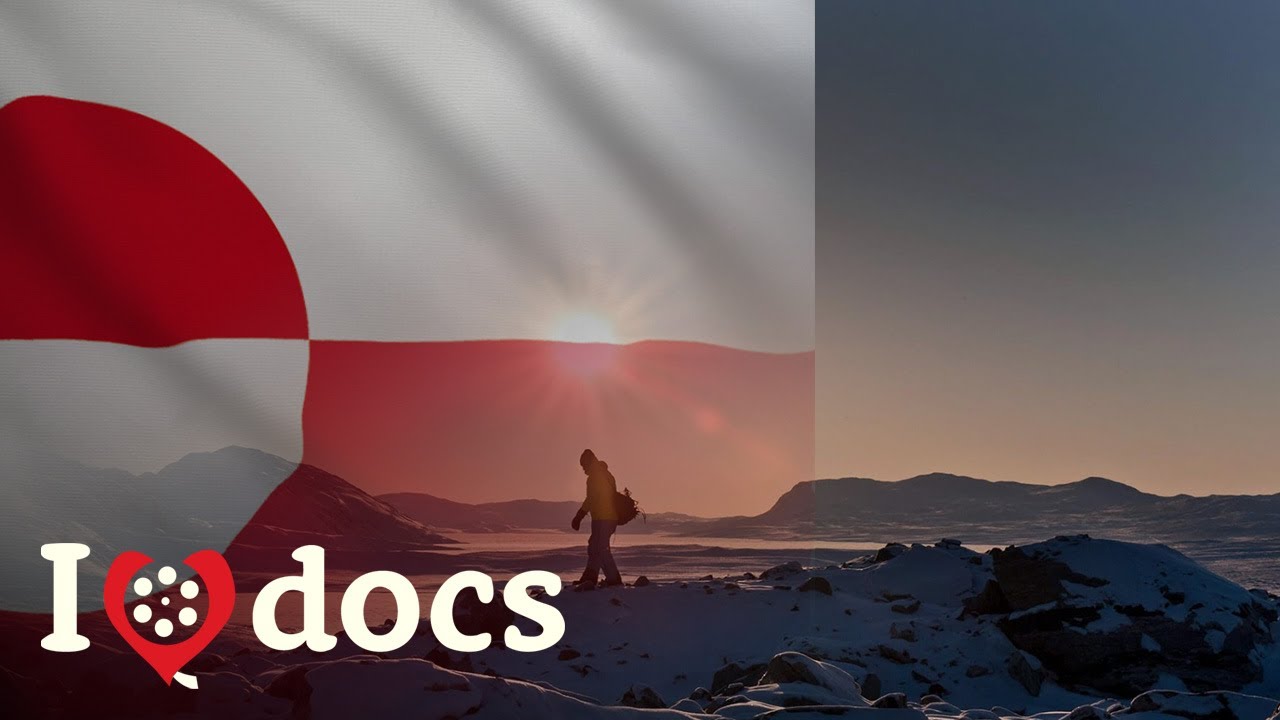
Greenland's majestic wildlife and stunning scenery are increasingly threatened by climate change, as explored by Stewart McPherson in his voyage around the island.
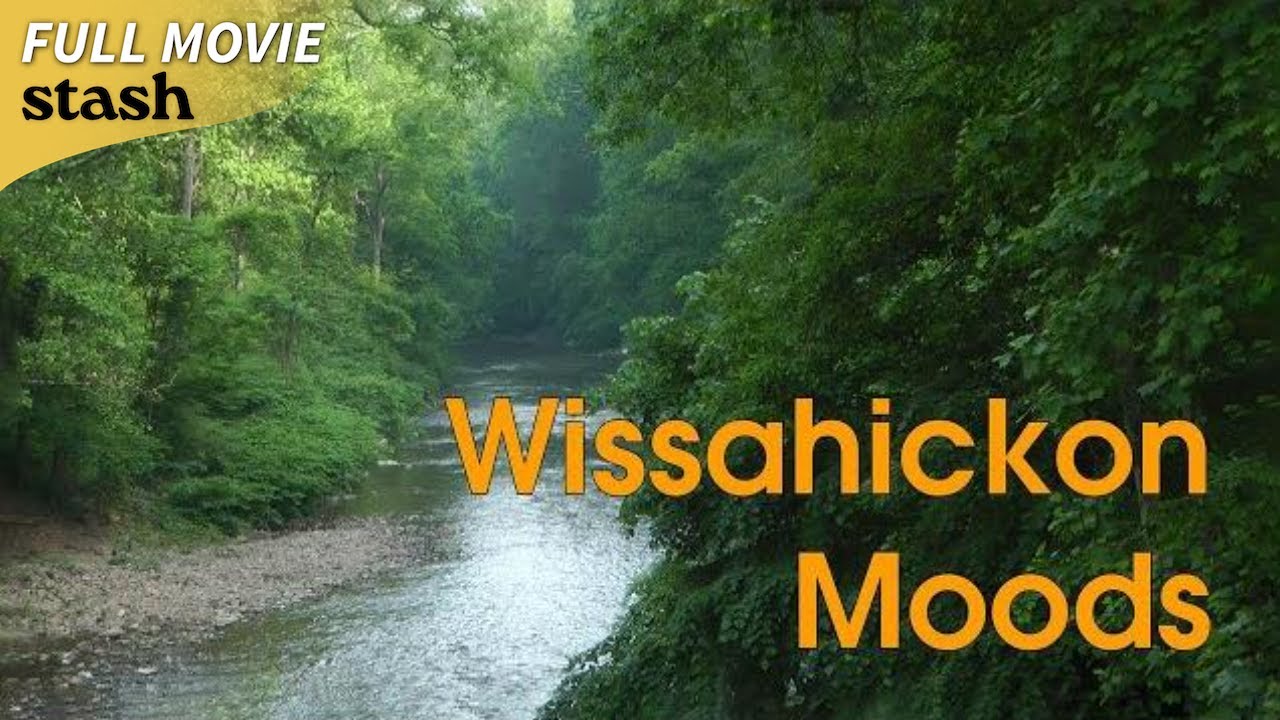
Wissahickon Creek in Pennsylvania is showcased through ambient visuals accompanied by music composed by Chris Zabriskie, highlighting the area's natural beauty.
In the Chocó region of Colombia, the world's wettest place, unique biodiversity thrives within rainforests that host numerous endemic species.
Serrania de la Macarena, part of Colombia's first national park, is home to over 15 million specimens, showcasing the country's remarkable biodiversity.
Europe's forests, once decimated by a mini ice age, now cover approximately 1,000 million hectares, showcasing diverse habitats from Mediterranean cork forests to Arctic taiga.
Chiribiquete, a remote region in Colombia's Amazon, features prehistoric towers, waterfalls, and diverse ecosystems that host a significant portion of the world's species.
William Padilla-Brown forages for mushrooms in Pennsylvania, highlighting the ecological importance of fungi and promoting sustainability through citizen science initiatives.
British photographer Stephen Gill transforms rural South Sweden's landscape into a creative platform, capturing the essence of birds through innovative photography techniques.
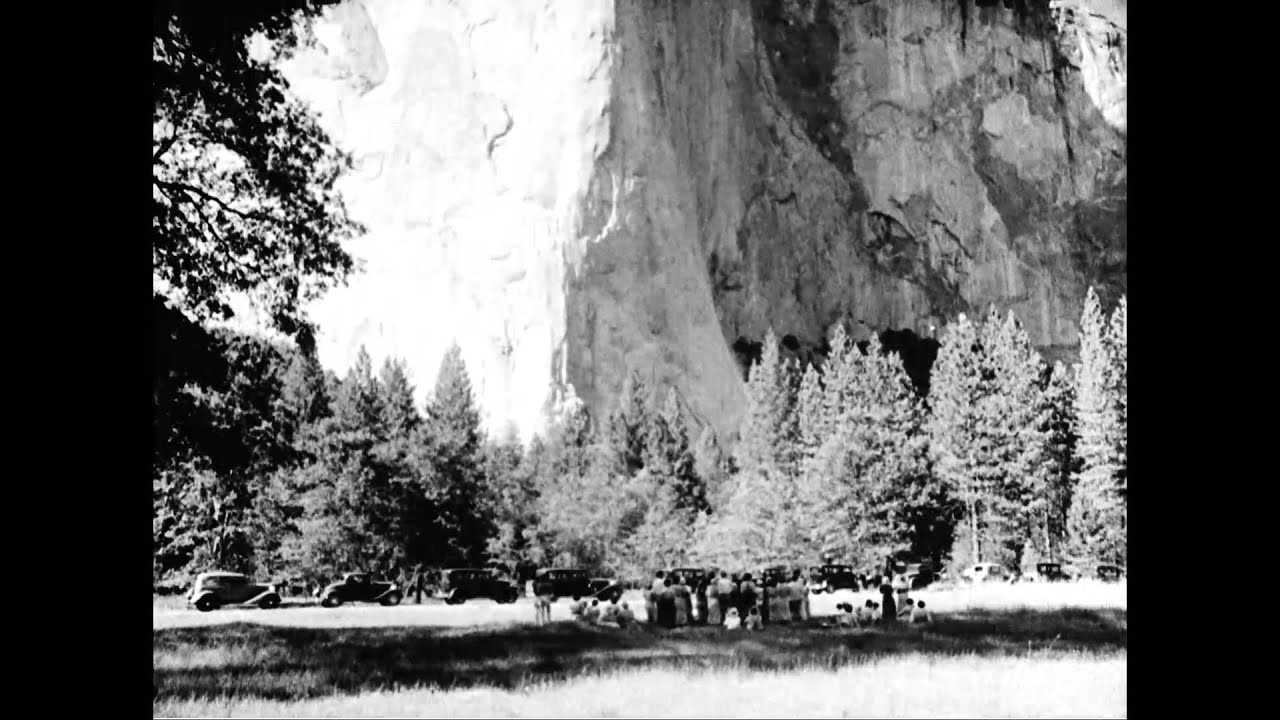
Yosemite National Park is showcased through its iconic landscapes, including Yosemite Falls, El Capitan, and Mirror Lake, while tourists engage in recreational activities.
In Erindi Game Reserve, Namibia, wildlife expert Steve Leonard examines the behaviors and habitats of hyenas and rhinos in their natural environment.
A sniffer dog at a border checkpoint identifies a potentially deadly threat, highlighting the critical role of trained animals in ensuring safety.
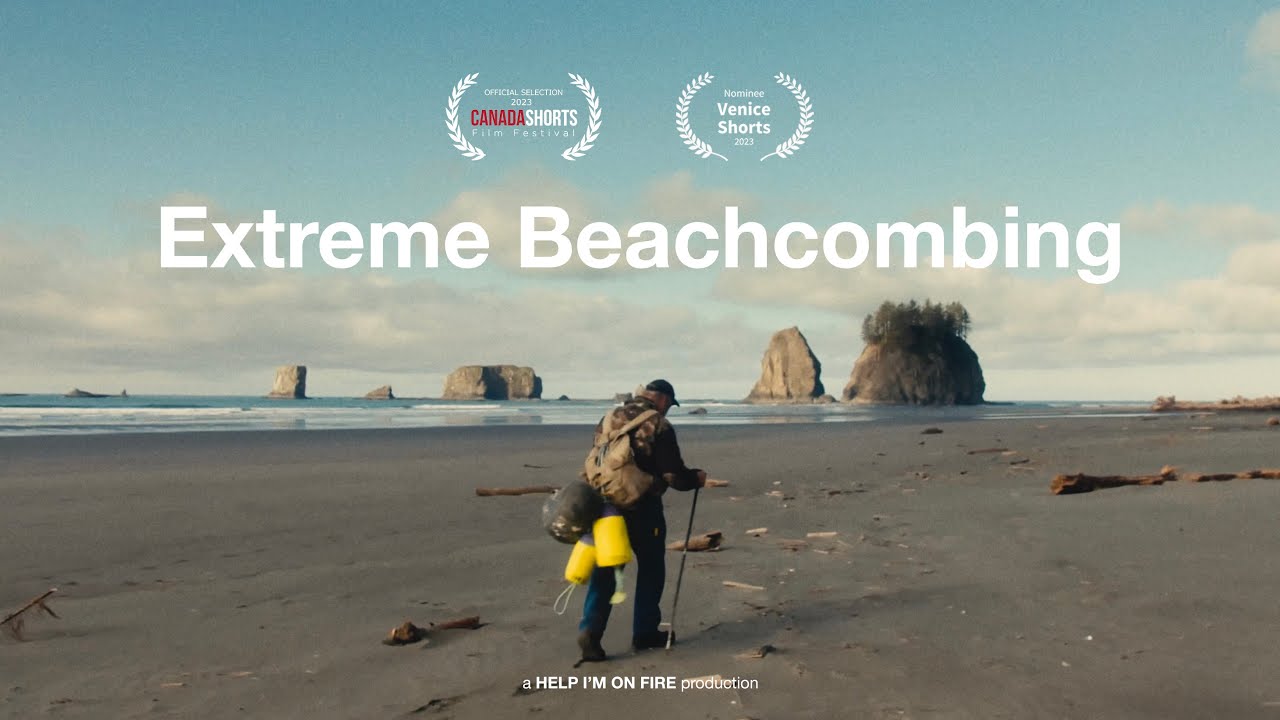
Retired plumber John Anderson shares his 46-year obsession with collecting manmade objects from the Pacific Northwest's obscure beaches in a poetic exploration of extreme beachcombing.
Puffin fathers hunt fish to feed their families while seahorse dads protect their eggs, showcasing the diverse roles of male parenting in the animal kingdom.
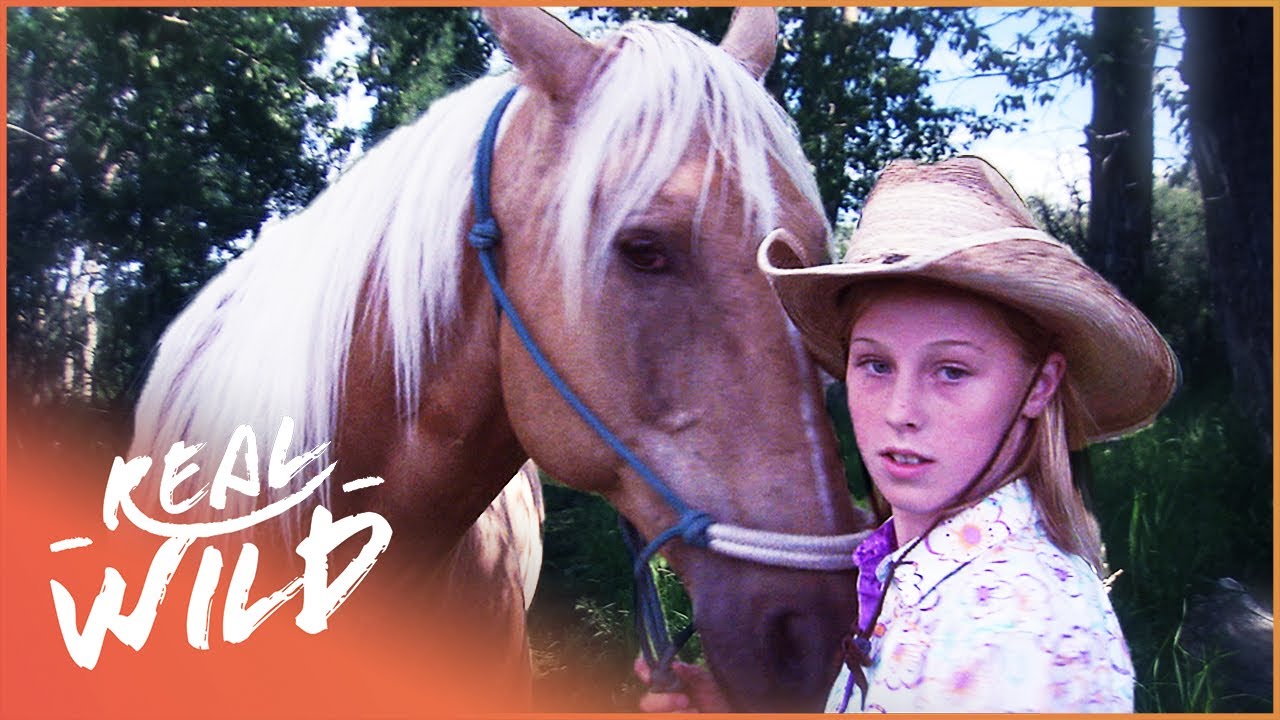
A young girl lost in a dense forest relies on her horse for safety and survival as night approaches, illustrating the profound bond between humans and animals.
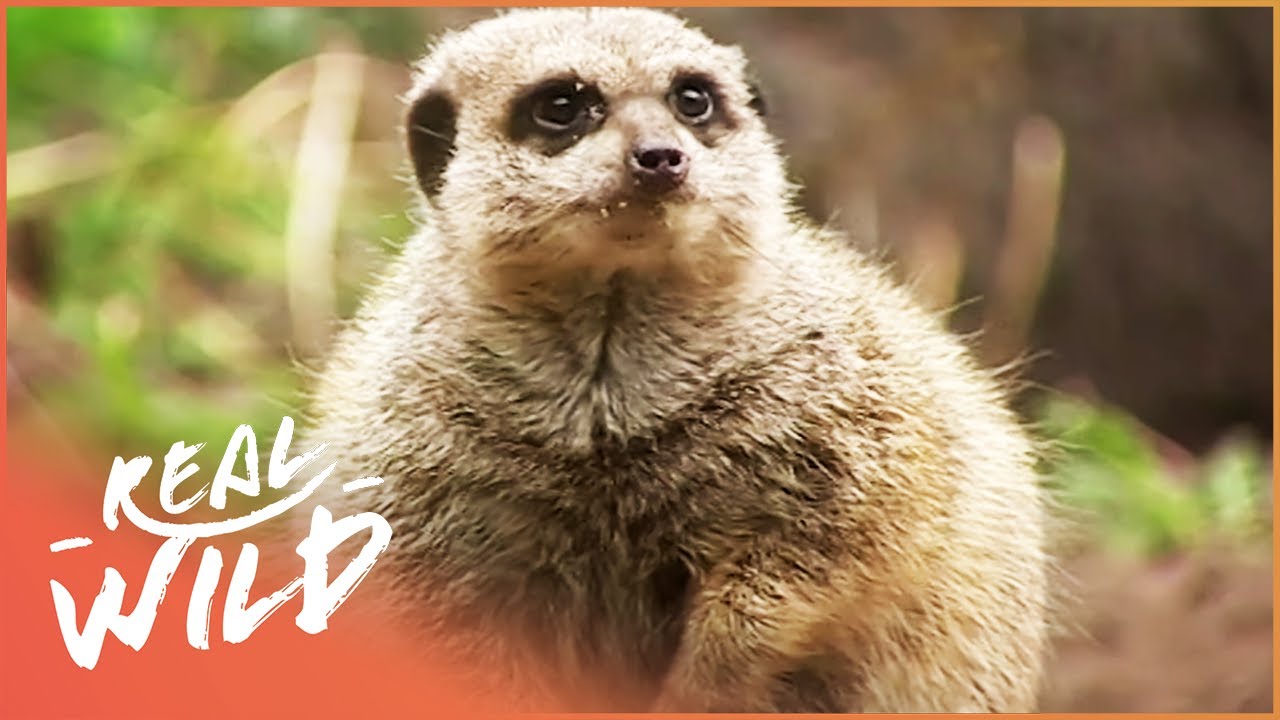
In a new pen at a British zoo, a family of meerkats playfully argues over food, highlighting their social interactions and behaviors.
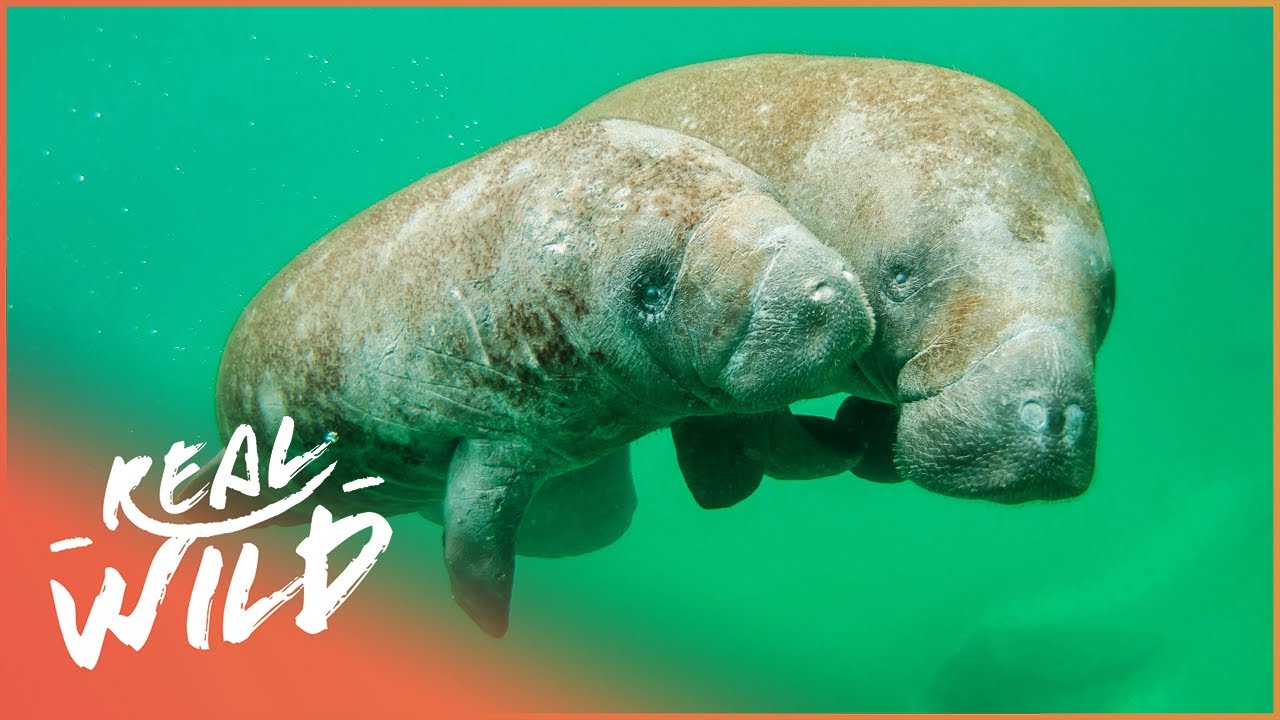
Manny encounters a manatee in murky waters, showcasing the surprising interactions between humans and wildlife in their natural environments.
Yosemite National Park is showcased through scenic views and tourist activities, featuring landmarks such as Bridal Veil Falls, El Capitan, and Half Dome.
In the deep jungle, Manny encounters a dangerous wild boar, illustrating the unpredictable nature of wildlife in remote environments.
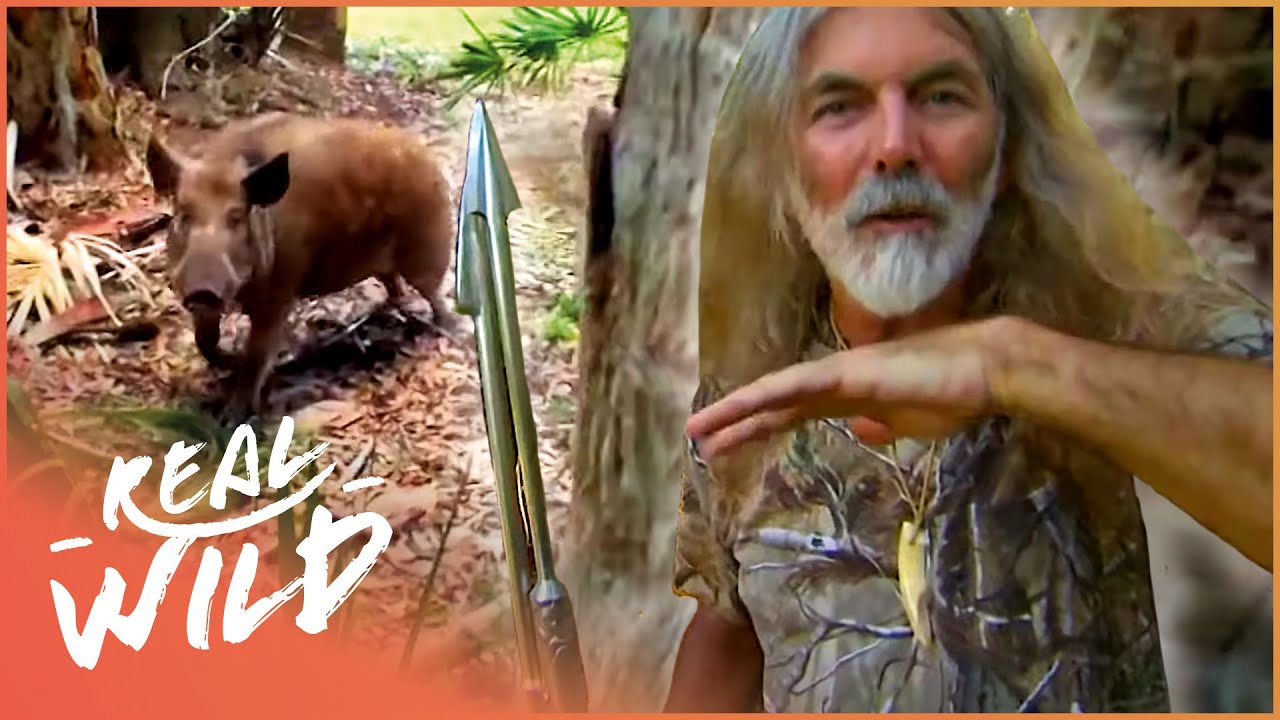
Manny demonstrates medieval hunting techniques by successfully taking down a large wild boar using Viking-style spears in a rural setting.
Beaches around the world are shaped by natural processes and human activity, raising questions about the origins and sustainability of sand resources.
Their colors attract a few insects and birds - but what is it good for?
In a calming exploration of nature, snails, frogs, and wild animal families are showcased to highlight their behaviors and the benefits of nature on wellbeing.
Manny searches for a wild boar in North America's forests, highlighting the dangers posed by this formidable and aggressive animal.
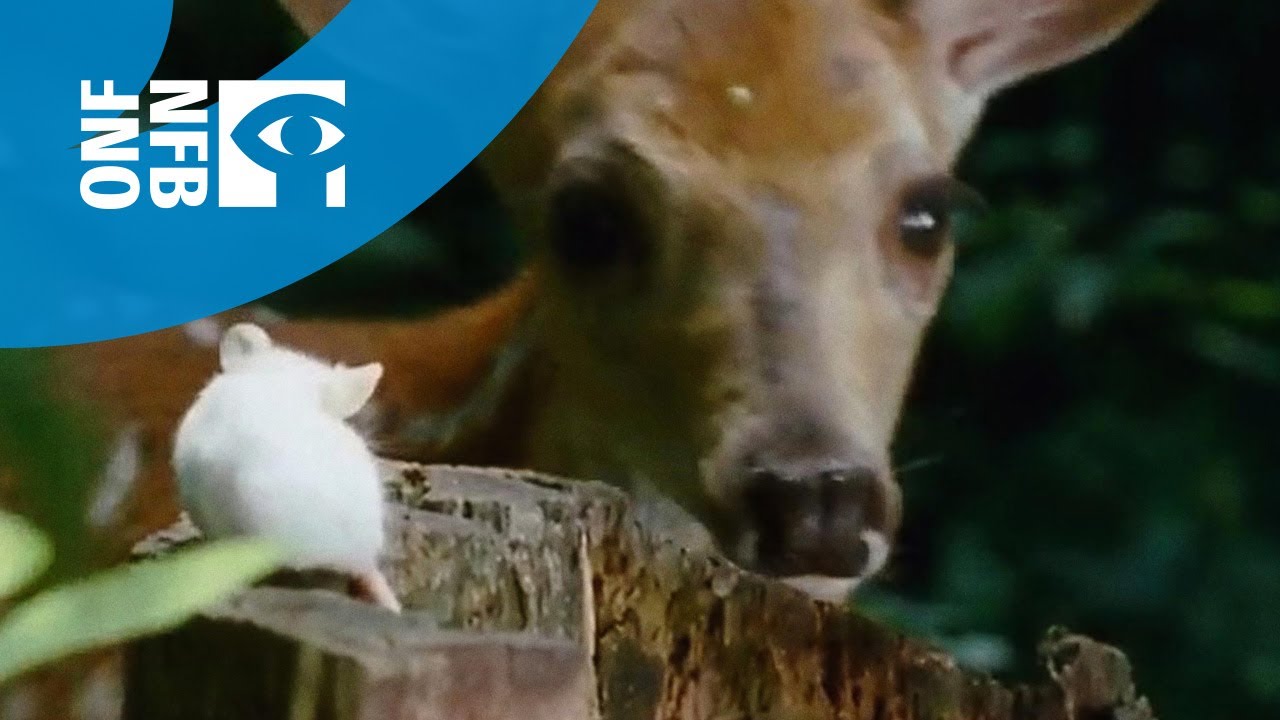
A white mouse causes chaos in a forest, riding on a bumbling black bear while other animals, including a deer and a hawk, attempt to restore order.
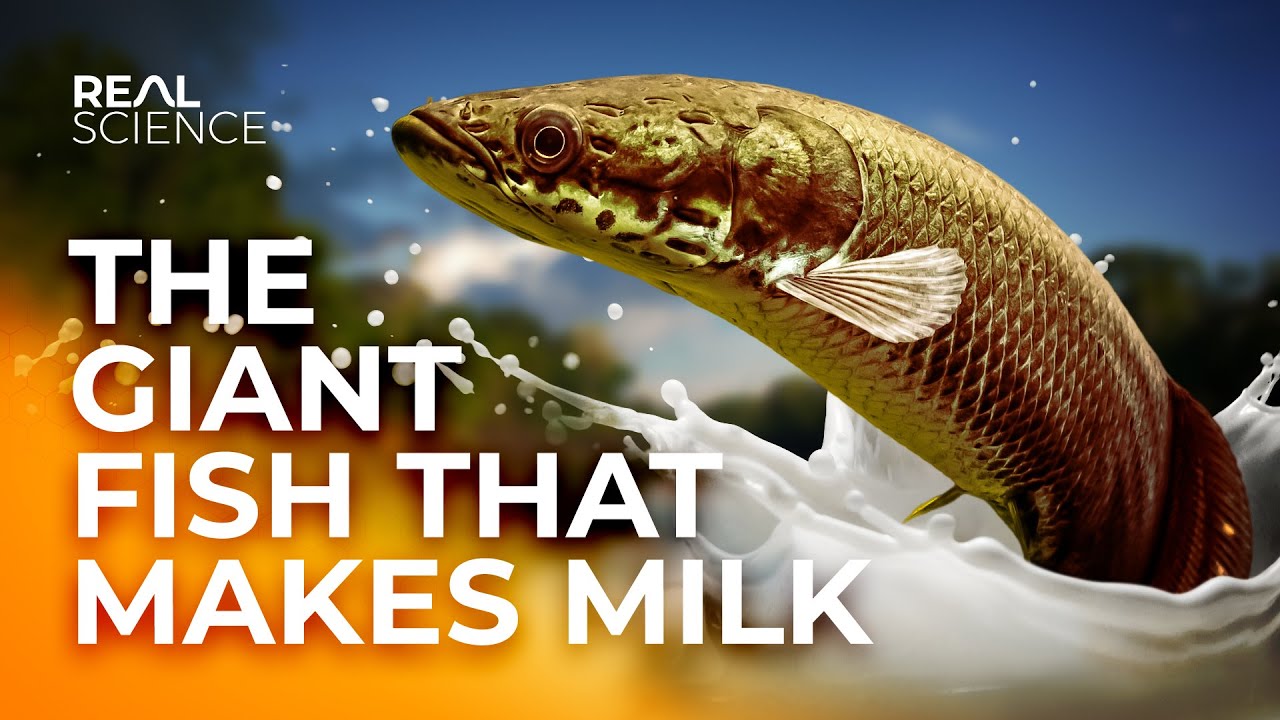
In the Amazon River, the arapaima fish produces a unique form of milk that challenges traditional understandings of fish reproduction.
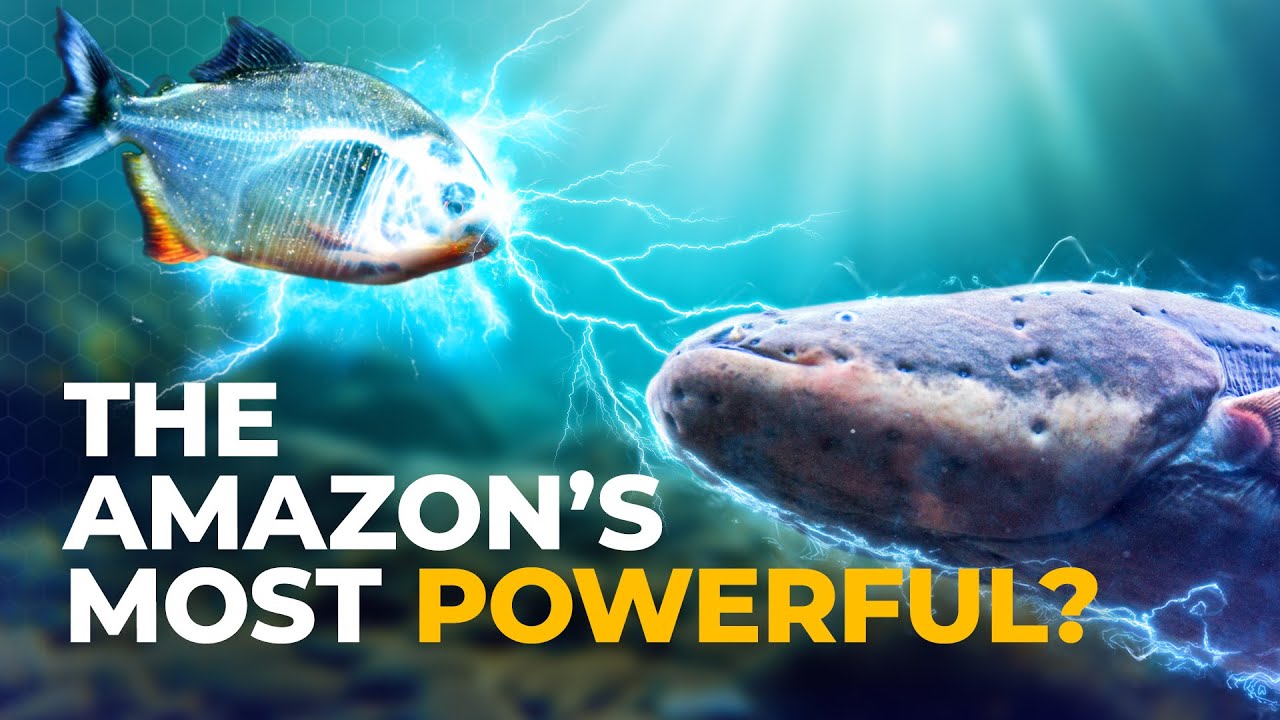
Electric eels, found in the Amazon River basin, use specialized cells to produce electric shocks for navigation, communication, and hunting.
Parasites, which make up nearly half of all living organisms on Earth, play a complex role in ecosystems and can benefit biodiversity and human health.
Sacred animals such as elephants and camels hold significant spiritual and cultural meanings in various societies around the world.
In the deep jungles of an undisclosed location, wildlife expert Manny searches for crocodiles, snakes, and other elusive animals in their natural habitat.
Sarah Marquis recounts collecting 600 slugs as a child in Switzerland to earn pocket money for a National Geographic magazine.