From over 100,000 films, discover the handful you'll love.
Free or premium access to the world's largest documentary library.
56 films(Page 1 of 2)
Atalya, a young Israeli woman, challenges military conscription and ignites discussions on political beliefs and activism amid the Israeli-Palestinian conflict.
135 men serve as the Swiss Guard, the world's smallest army, sworn to protect the Pope and uphold a tradition that dates back over 500 years.
On 26 September 1983, Stanislav Petrov, the command officer at Russia's main nuclear command post, faced a false alarm of five incoming U.S. missiles.
Anglo-Saxon life in England, marked by social hierarchy and harsh realities, is explored through the experiences of a Saxon Thane and a Churl.
2,300 babies were abandoned in Russia in 2018, prompting a look at the lives of six individuals from different generations across the country.
Rudolf Höss administered Auschwitz, where over a million people were murdered during the Holocaust, operating the camp with chilling efficiency.
At one point, there were 100,000 heroin addicts in New York, prompting community leaders to implement acupuncture as an alternative treatment method.
Native American veterans have the highest per-capita service rate of any group in America, reflecting a deep commitment to military service despite historical injustices.
Fort Hood in Killeen, Texas, recorded 19 soldier suicides in one year, reflecting a growing mental health crisis among veterans and active-duty personnel.
More than 8 million people of color served with the Allies during the Second World War, yet many of their stories remain largely untold.
Reginald and Ronald Kray were born on October 24, 1933, in Hoxton, London, and became infamous for their control over the city's criminal activities in the 1960s.
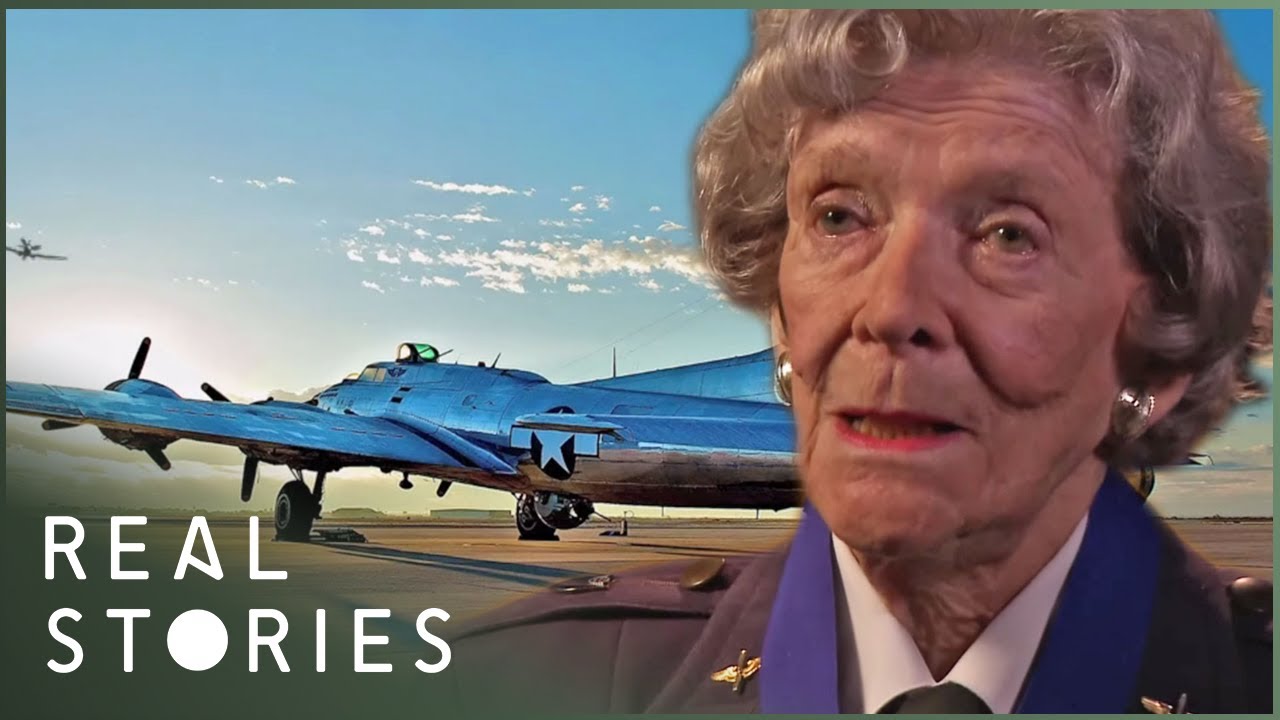
25,000 American women, from diverse backgrounds, served as WASP pilots during WWII, showcasing their courage and dedication before being disbanded without recognition.
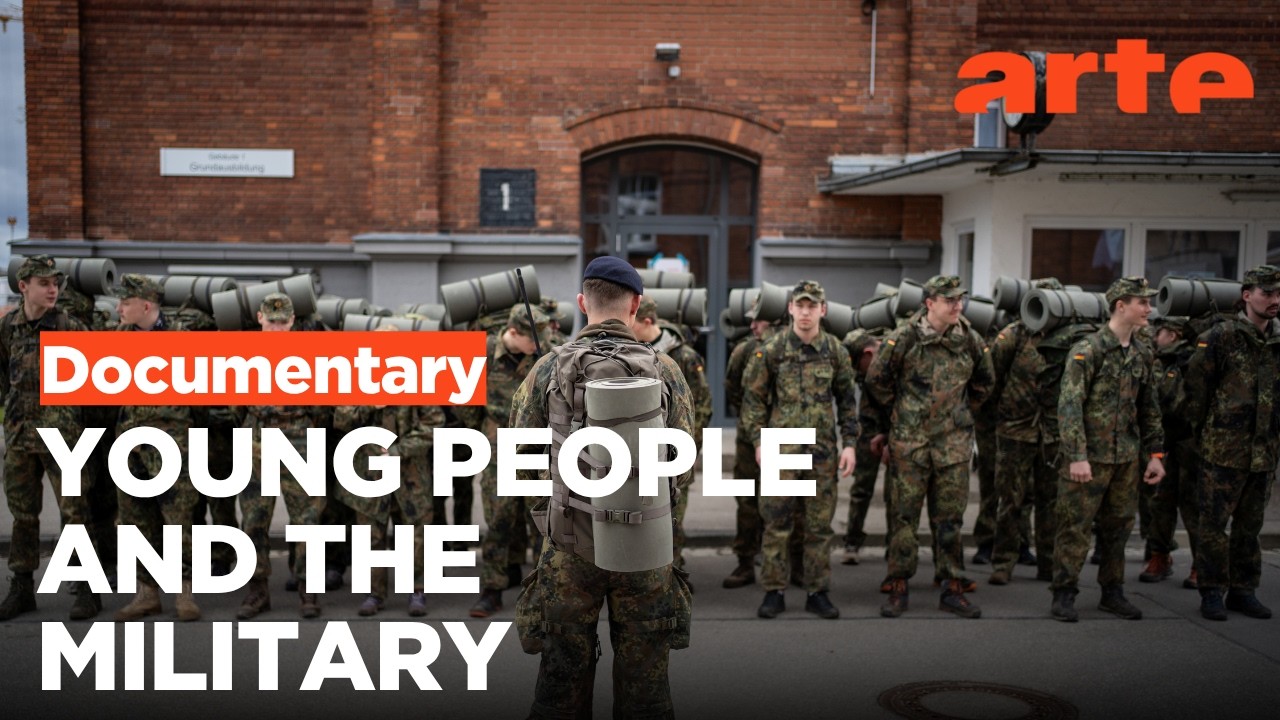
In response to geopolitical tensions and the war in Ukraine, European nations like France and Germany are actively recruiting young people into their armed forces.
John Kerry and the Vietnam Veterans Against the War (VVAW) highlight the disillusionment of soldiers and the anti-war protests that emerged in the wake of the Vietnam War.
The Royal 22e Régiment, formed in 1914, is the only French-speaking Canadian battalion that served in the First World War and continues to operate today.
1,700 public cleanliness fines are issued each year in Lausanne, where littering is strictly regulated and can result in hefty penalties.
For over seven years, hundreds of people have been detained at Guantanamo Bay, with ongoing debates about the prison's closure and its effects on those held.
Shoenice, a YouTube sensation known for extreme eating stunts, shares his challenging upbringing, military experiences, and commitment to combating global hunger.
Thousands of Indigenous Canadians enlisted in World War II, despite being told by the government that they had no business fighting in the conflict.
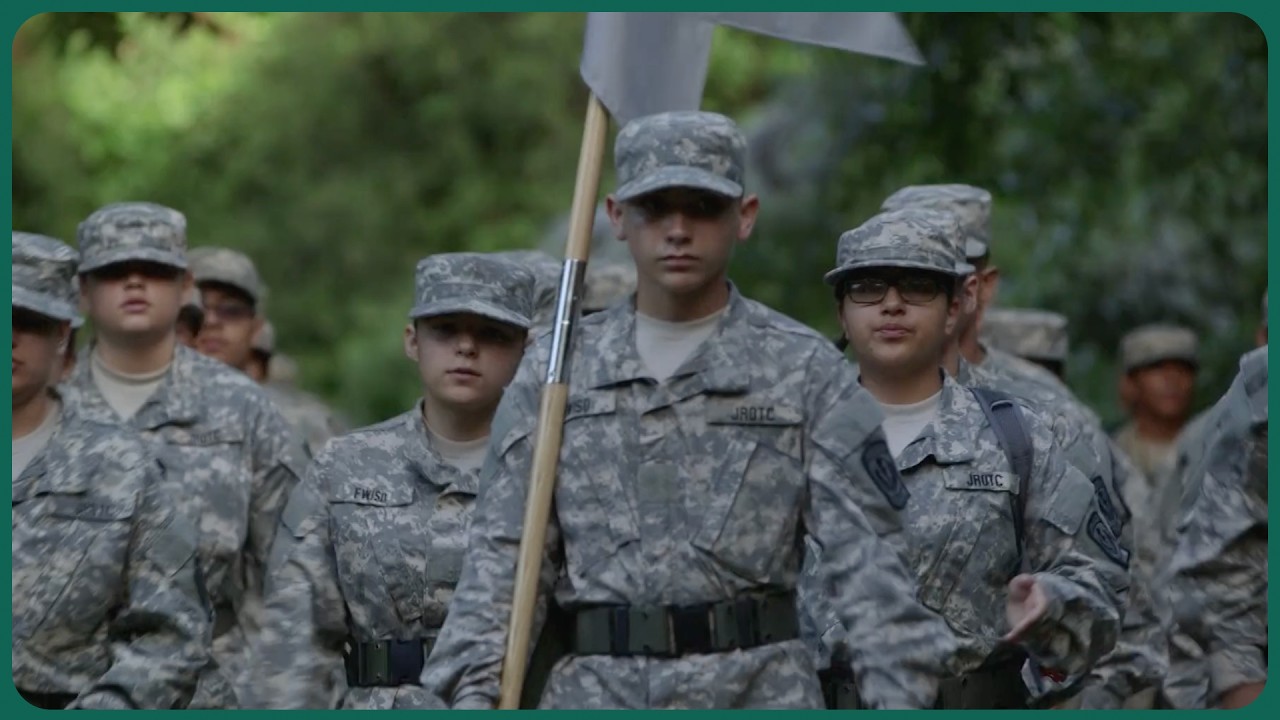
In the United States, the Army recruits 80,000 new soldiers annually through the JROTC program, which operates in over 3,000 public schools nationwide.
In public schools across the United States, the Junior Reserve Officers' Training Corps (JROTC) program recruits teenagers to support military enlistment efforts.
Joe Biden reflects on his enduring friendship with John McCain, highlighting their collaboration and mutual respect despite political differences.
Nearly half a million free people of color lived in the United States on the eve of the Civil War, with over 250,000 in the South.
On February 3, 1943, the USAT Dorchester sank after being torpedoed, resulting in the deaths of 674 of the 904 people on board.
During the Civil War, free black families in Virginia sent husbands and sons to fight with the U.S. Colored Troops, advocating for emancipation in their letters home.
At 25, Co Hoedeman was recently married and had completed his military service before moving to Canada to pursue a career in animation.
US National Guard members share their experiences of serving in Iraq while facing the challenges of responding to Hurricane Katrina upon their return.
A new group of Army nurses arrives in Korea, quickly assigned to hospital duties while adapting to the challenges of military life.
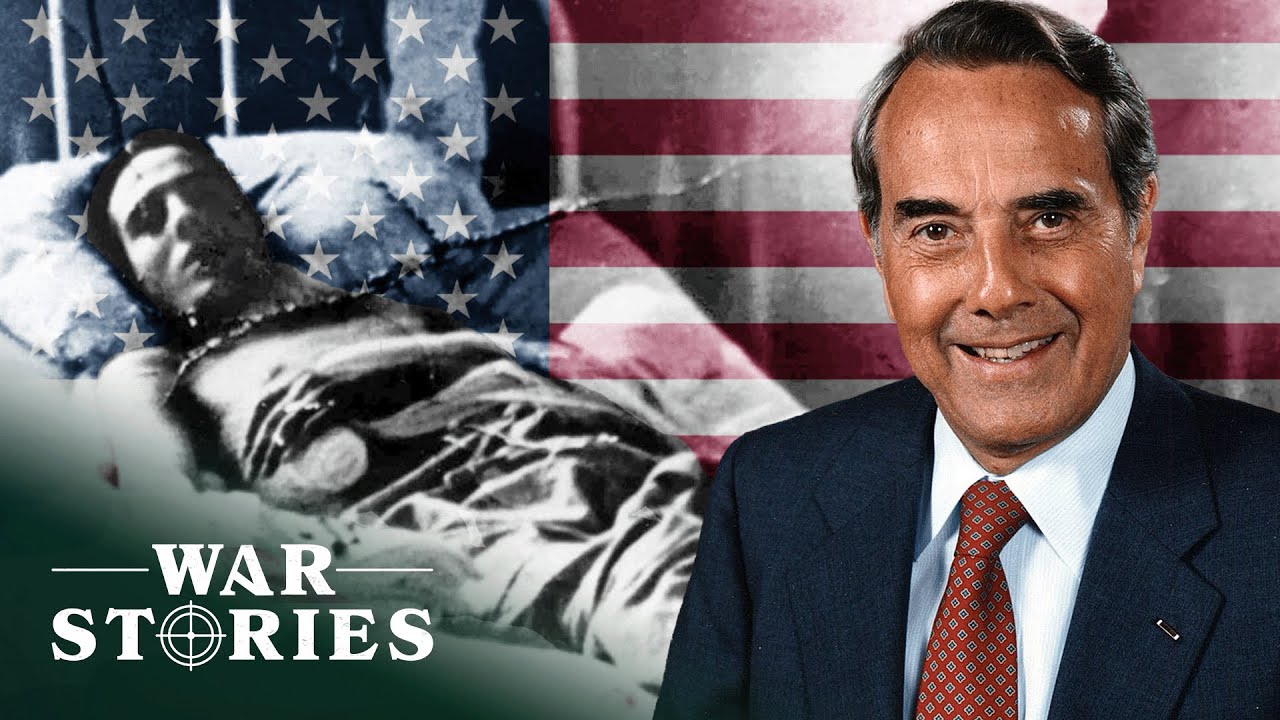
Bob Dole, a soldier in the 10th Mountain Division, was severely wounded during World War II's brutal fighting on Hill 913 in Italy before becoming a prominent U.S. Senator.
On September 3, 1971, Michael McConnell and Jack Baker applied for a marriage license in Hennepin County, marking a significant moment in LGBTQ history.
In 1944, Jackie Robinson wrote a letter to the War Department after being ordered to move to the back of a military shuttle, leading to a charge of insubordination.
Peter Sorensen reflects on his Vietnam War experiences and the lasting impact of loss, prompting vital conversations about service and sacrifice.
Soldiers returning from Iraq and Afghanistan face the challenges of undiagnosed PTSD, highlighting a culture of neglect surrounding their mental health.
Georges P.
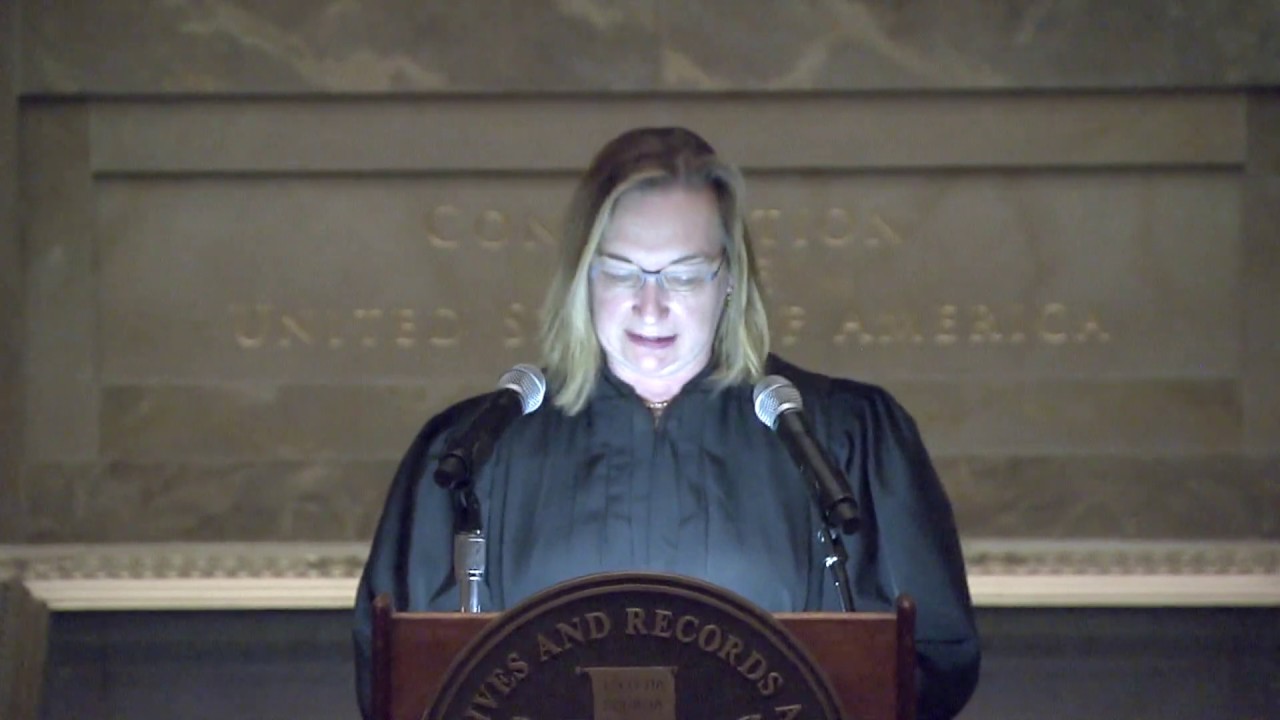
Thirty-one applicants from various countries were granted U.S. citizenship during a naturalization ceremony at the National Archives on December 14, 2018.
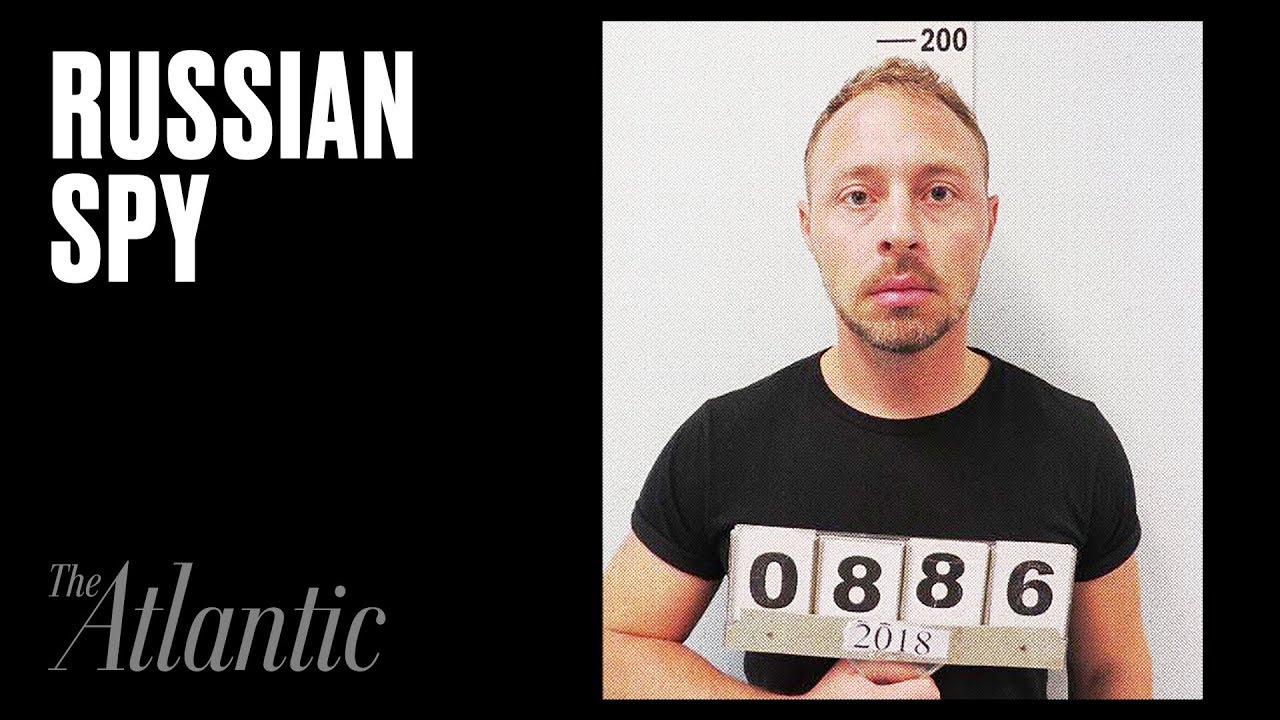
Deniss Metsavas received a court sentence of 15 years and 6 months for passing details about Estonian international cooperation to Russian military intelligence.
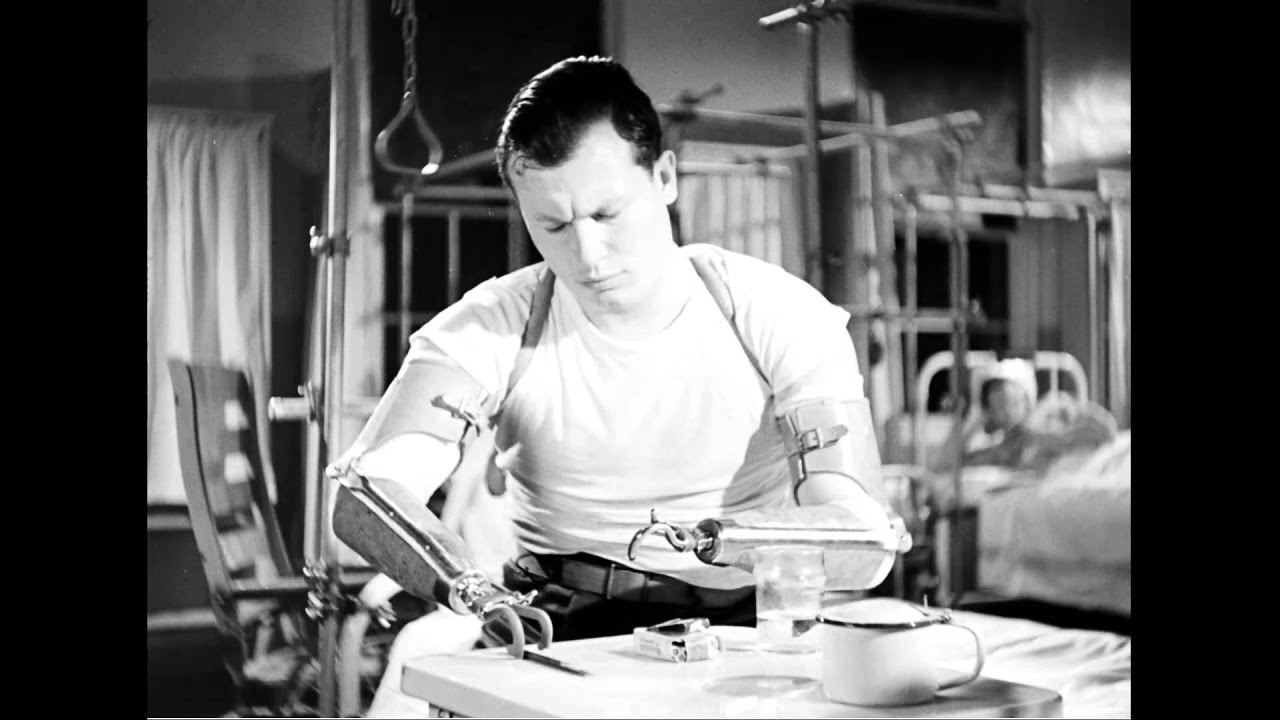
On June 6, 1944, a soldier lost both his hands in a training accident, leading to his rehabilitation at Walter Reed Army Medical Center.
On June 6, 1944, Frank DeVita dropped the ramp on the USS Samuel Chase, exposing soldiers to enemy fire as they landed on Omaha Beach.
Charles "Checker" Tomkins served as a code talker during World War II, translating military messages in Cree to secure communications for the Canadian military.
A young woman seeks a ride with the Hollywood Victory Caravan to reach her brother in an Army hospital during World War II.
Bill Rector served as a gun captain during the Korean War, overseeing 22 men and capturing his experiences on film with an eight millimeter camera.
200,000 Serbs were forced to leave their homes in Croatia during the war, facing rejection and hardship upon attempts to return.
Each day, legionnaires at a checkpoint in French Guiana stop ten to fifteen vehicles to combat illegal gold mining in the rainforest.
In June 1775, Peter Salem shot British Major John Pitcairn during the Battle of Bunker Hill, marking a significant moment for Black soldiers in the Revolutionary War.
Every young Israeli, except for Ultra Orthodox religious students and Arabs, must serve in the military, with conscription lasting two years for most.
A soldier with HIV demonstrates military training during situational exercises, arguing for the inclusion of HIV-positive individuals in the armed forces.
20,000 dogs served in World War I as scouts, rescue dogs, and messengers, forming strong bonds with their military handlers.
Over 800 Cossacks patrol Sochi during the Winter Olympics, marking a significant revival of their historical role in Russian society.