From over 100,000 films, discover the handful you'll love.
Free or premium access to the world's largest documentary library.
28 films
Forest elephants drink 100 liters of water daily as they navigate the challenges of the dry season in Gabon's Luongo National Park.
Gray whales undertake a 10,000 to 12,000-mile round trip migration from Arctic feeding grounds to breeding lagoons on Mexico's Baja Peninsula.
Half of Belize's territory is covered in jungle, and its shores are home to the world's second largest barrier reef.
27,000 hectares of fragmented forest remain along the Kinabatangan River, threatened by deforestation and the expansion of palm oil plantations.
A 13-meter-long whale shark glides through the murky waters of the Essequibo Delta, the largest fish on earth feeding on plankton.
Four of the world's eight species of marine turtles lay their eggs at Shell Beach, which attracts up to a thousand turtles each year from April to September.
A female leatherback turtle can lay between 50 and 100 eggs at Shell Beach, which attracts nearly 1,000 turtles each year for nesting.
More than 1,100 homes have been destroyed in the worst wildfires to hit the country in a decade, prompting urgent calls for climate action.
Half of Belize's territory is covered in jungle, and its shores host the world's second largest barrier reef, making it a key ecological area.
Abu Dhabi's rapid urbanization contrasts with its rich natural heritage, as environmental engineer Nathalie Staelens relocates hawksbill turtles to protect their habitat.
Mangroves in Brazil's tropical coasts face threats from the shrimp industry today.
A vast expanse of 1,000 square kilometers in Belize is protected as the Port Honduras Marine Reserve, home to diverse wildlife and mangrove ecosystems.
Iriomote National Park, a UNESCO World Heritage site, is home to rare species like the Iriomote cat and showcases Japan's rich biodiversity in tropical forests and mangroves.
Kaieteur Falls, with its enormous drop, is one of the great natural wonders in the river system of the Essequibo, which stretches 1,000 kilometers.
Just a few drops of sea snake venom can kill a human, yet these toxins may lead to new medical treatments for severe pain and other ailments.
Three hours of fishing off the coast of Mozambique yields a bountiful catch for the Vahukas, who share the fish among their families.
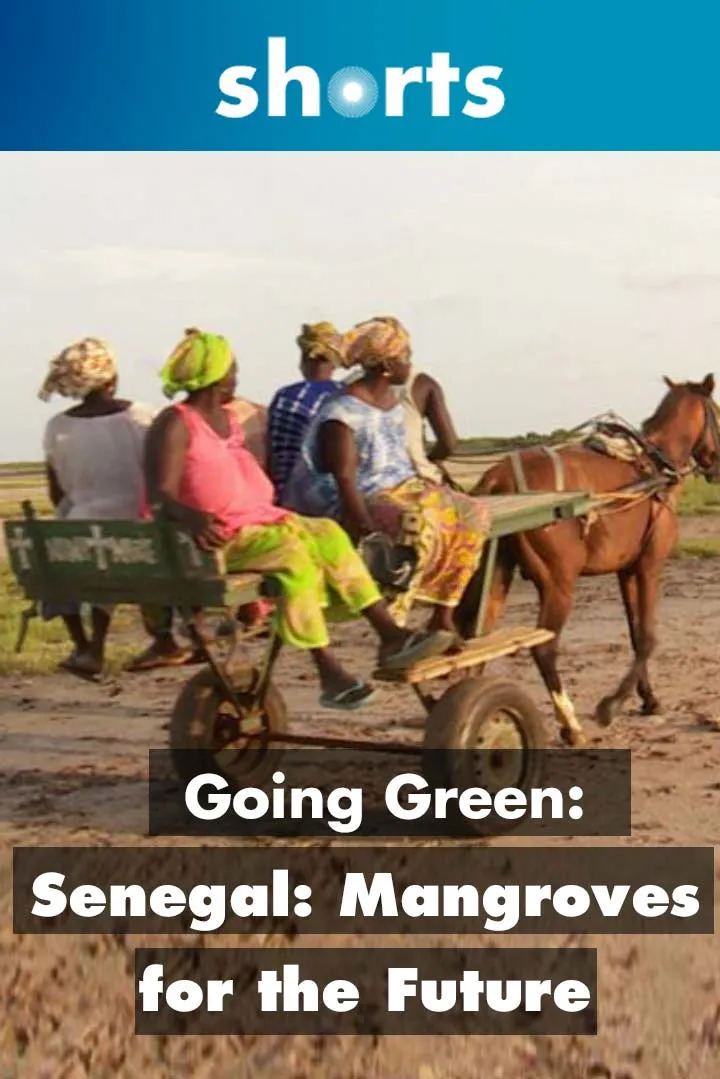
In Senegal, a women's initiative is working to combat rising sea levels by planting mangroves along the coastline to restore lost habitats.
Illegal logging threatens Indonesia's vital mangroves, impacting local livelihoods and ecosystems.
Rachel Silverstein advocates for mangroves in Miami to protect the community from climate change.
615 hectares of mangrove forests in Ghazi Bay, Kenya, are monitored by local scientists to assess their health and combat climate change.
The mudskipper thrives on land, feeding and courting in mangroves in 'Land of Dragons.'
Over the past 30 years, illegal deforestation has led to a loss of a quarter of Madagascar's mangrove surface area.
6,000 trees are planted by children in Senegal as part of a reforestation initiative aimed at combating deforestation and climate change.
110,000 people mobilized to plant 52 million mangrove seedlings across 15,600 hectares in Senegal, revitalizing critical coastal ecosystems.
A 13-year-old boy invented a light that moves at night to scare away lions, protecting cattle without harming the animals.
In Xuan Thuy, Northern Vietnam, biologist Truong Quang Nguyen studies the unique biodiversity of mangroves, including the rare aquatic snake Ran Bong.
Dutch engineers began draining swamps and constructing dikes in the Essequibo region of Guyana around the year 1600 to support colonial settlement.
A fluctuating tidal level of eight meters complicates a 43-kilometer kayak leg for teams racing through Costa Rica's challenging terrain.