From over 100,000 films, discover the handful you'll love.
Free or premium access to the world's largest documentary library.
97 films(Page 1 of 3)
About 25% of animals in the savanna perish due to water and food shortages during the harsh dry season.
The Mara River meanders for nearly 400 kilometers through the Maasai Mara, serving as a critical lifeline for wildlife during the annual migration.
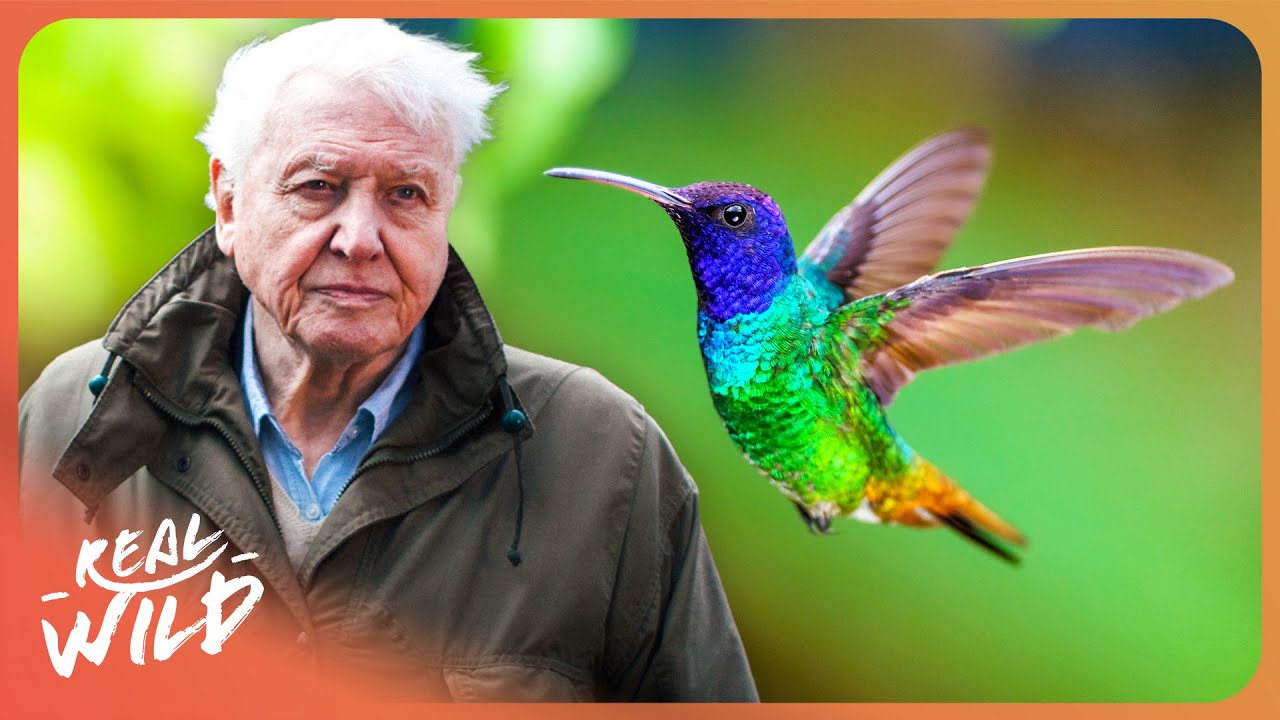
Hummingbirds, native to South America, exhibit remarkable flying abilities and unique relationships with flowers, as explored through stunning slow-motion footage.
A hippo can hold its ground against lions, forcing them to allow it a share of water in the dangerous Okavango delta.
Wildebeests migrate over 800 kilometers from the Serengeti to the Masai Mara each year, facing dangers like crocodiles and lions along the way.
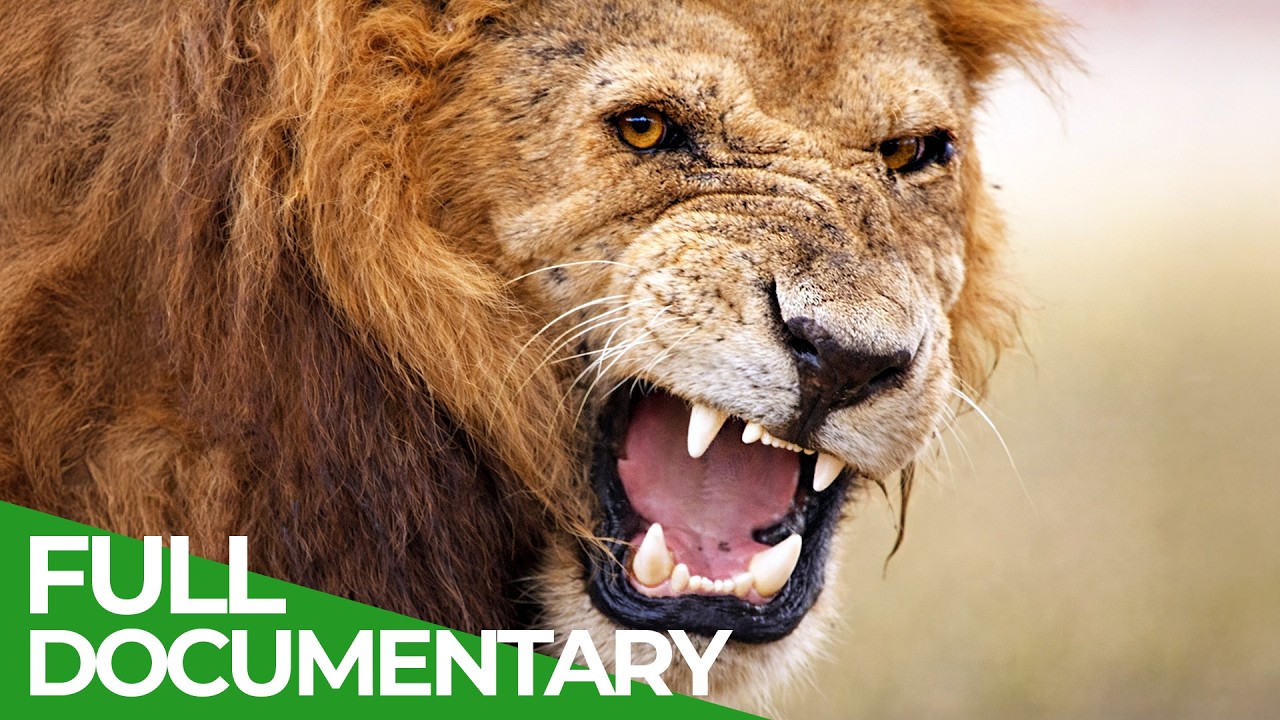
Lions can produce roars that reach volumes of 114 decibels, comparable to the sound of a rock concert.
Seventeen lions, imported from South Africa, are reintroduced to Akagera National Park, altering the ecosystem and triggering instinctual fear among herbivores.
Poison dart frogs, chameleons, and praying mantises exhibit remarkable survival strategies, showcased through advanced 3D visualization techniques.
Kali struggles to feed her cubs while Moto searches for his lost love, Nyota, in the Serengeti.
Climate change is altering the survival strategies of big cats in the Serengeti, forcing species like cheetahs and lions to adapt in unprecedented ways.
Five lion cubs in Masai Mara Reserve navigate challenges and internal tensions as they grow into skilled hunters under the leadership of Oloborr.
Animal behaviourist Kevin Richardson relocates 27 lions and 14 hyenas to a new sanctuary, navigating complex logistics while ensuring their safety and comfort.
A female clownfish may lay up to 1,000 eggs beneath her anemone home, with fertilization occurring shortly after.
More than 15,000 lions, leopards, and hyenas inhabit the Maasai Mara in Kenya, where they engage in a nightly contest for survival.
A clan of around 70 spotted hyenas competes with a pride of lions for territory and prey in the northern Serengeti's grasslands.
Lionesses and spotted hyenas compete for survival in the wild's harsh conditions.
Pat Parelli addresses behavioral issues in four challenging horses, including Luna and Solo Tu, using natural horsemanship techniques to foster trust and safety.
In Romania, a young wolf named Slava leaves his pack and travels over 1,000 kilometers across Europe, facing numerous challenges in search of a new home.
Lionesses may mate more than 250 times during their fertile period, while facing threats from solitary males and buffalo as they protect their cubs.
Brazil's Mata Atlântica and Pantanal regions showcase a rich biodiversity, featuring species like muriqui monkeys, jaguars, and unique coastal wildlife amid environmental challenges.
Australia and New Zealand's unique ecosystems feature ancient species like sperm whales in Kaikōura Canyon and longfin eels that migrate thousands of kilometers.
Over 1.2 million wildebeests migrate from the Serengeti into Kenya's Masai Mara, creating one of the largest wildlife spectacles on Earth.
A lion's roar can reach 114 decibels, making it 25 times louder than a gas-powered lawnmower and audible from eight kilometers away.
Over half of Africa's large wild animals have disappeared in the last four decades, prompting urgent conservation efforts in South Africa.
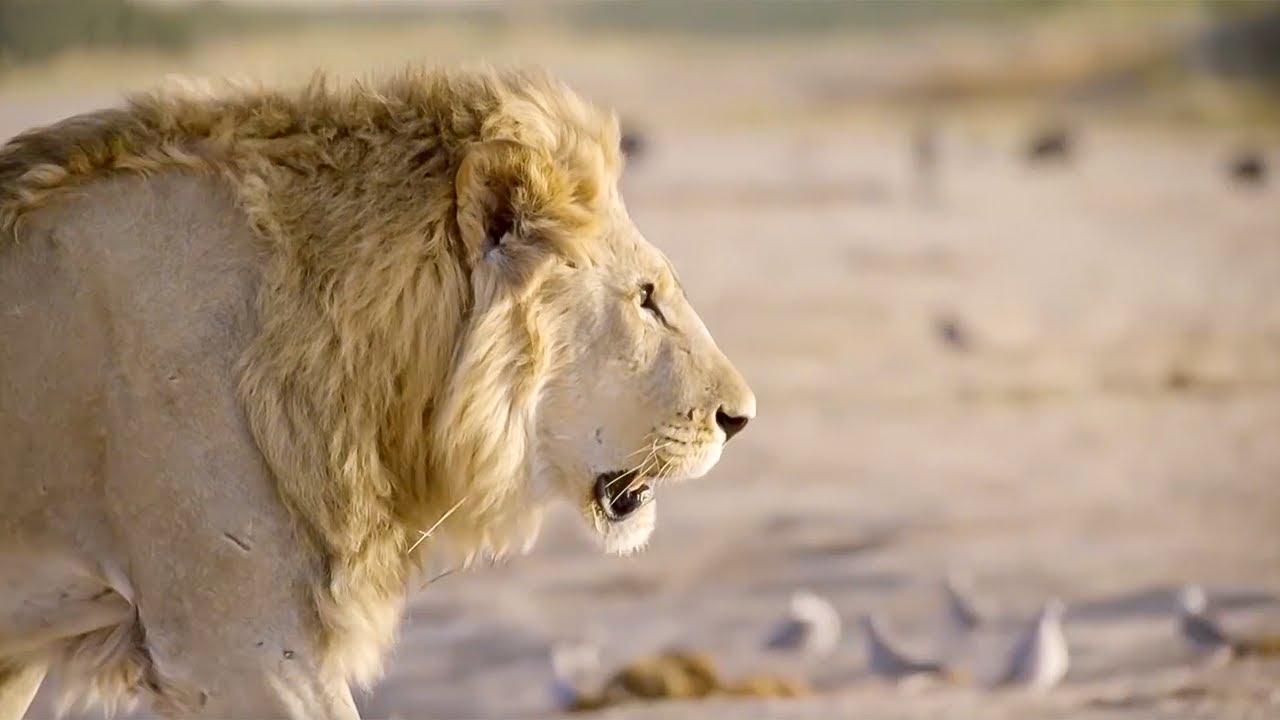
A pair of young male lions loll in the grass while conservationist Paula Kahumbu discusses the challenges of wildlife preservation in Kenya.
Tigers, lions, leopards, and jaguars showcase their raw power and agility in their natural habitats, revealing the remarkable lives of the world's largest big cats!
Yellowstone National Park's diverse wildlife, including bison, wolves, grizzly bears, and elk, adapts to the challenges of seasonal changes throughout the year.
The Nile River, originating in Rwanda's Nyongu National Park, supports diverse wildlife while facing threats from poaching and invasive species.
Wolves can reach speeds of up to 60 km per hour while hunting in packs of four to ten members, using teamwork to take down prey.
Lions, tigers, leopards, and cheetahs exhibit their hunting skills and territorial behaviors across the African savannah and other habitats.
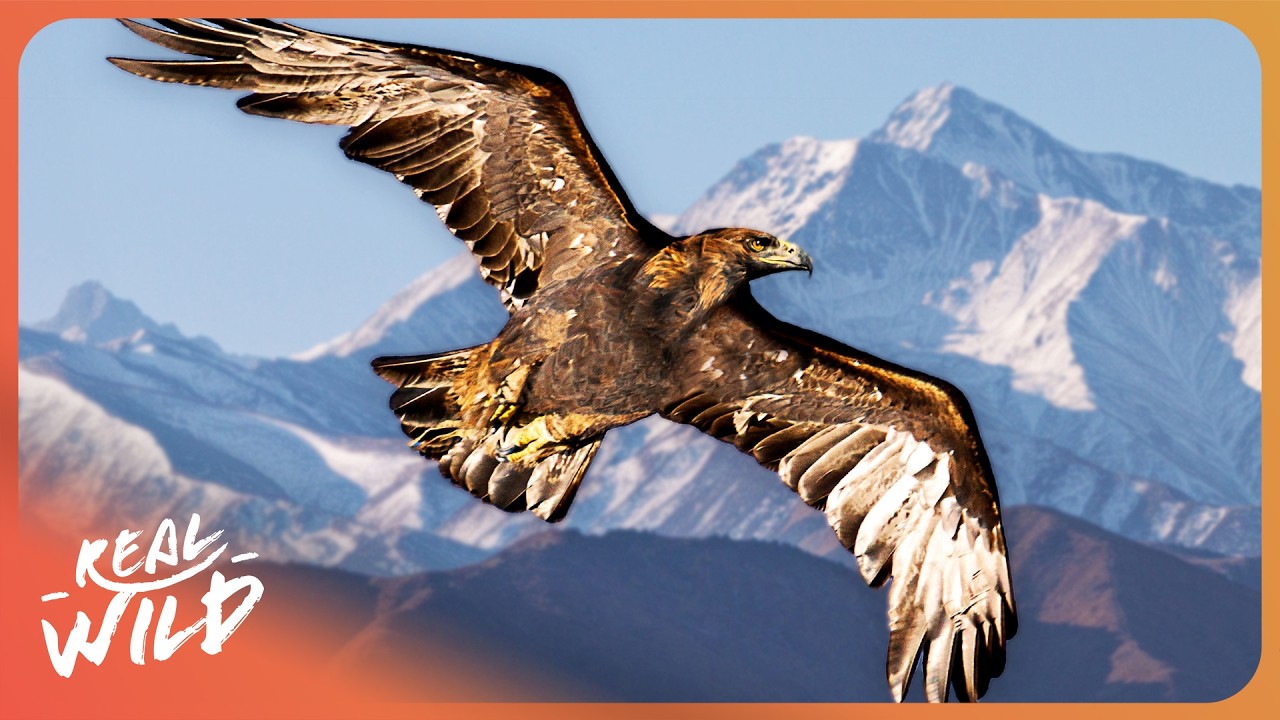
In the diverse landscapes of Italy, golden eagles and short-toed snake eagles showcase their unique hunting strategies while navigating a fragile Mediterranean ecosystem.
A leopard can mate as often as every 15 minutes during a five-day period with a female, marking his territory to defend against rivals.
In South Africa, scientists examine the anatomy and social dynamics of lions and tigers, revealing their hunting prowess and vocal capabilities.
In the wild, Japanese macaques enjoy hot springs, while olive baboons exhibit complex social structures and young primates learn survival skills through play.
Six females from the Gol Kopje pride struggle to survive in a 200 square kilometer territory during the harsh dry season of the Serengeti.
Wild cats face significant survival challenges due to habitat fragmentation and human-wildlife conflict, as illustrated by the rehabilitation of Duke the caracal and conservation efforts for cheetahs and Iberian lynx.
Hippos can wander up to 32 miles at night in search of food, often resorting to eating the droppings of fellow hippos during the dry season.
A massive asteroid impact 66 million years ago caused catastrophic environmental changes, leading to the extinction of dinosaurs and the rise of mammals.
Yellowstone National Park's diverse wildlife, including bighorn sheep, bison, and wolves, faces seasonal challenges that shape their survival and interactions.
Animal communication is explored through examples like honeyguide birds, border collies, and elephants, highlighting the debate over language versus instinct.
In the Amazon Rainforest, jaguars and ecitom ants exemplify survival strategies, while the Maasai Mara showcases the complex interactions between baboons and cheetahs.
In Africa, lions and cheetahs form coalitions to secure territory, while black-backed jackals adapt to desert life in Namibia and polar bears face challenges from climate change.
In the animal kingdom, iconic species such as lions, elephants, and rhinos face unique adaptations and urgent conservation challenges amid habitat loss and poaching.
Animal behavior is examined through the lens of emotions, politics, culture, and homosexuality, highlighting complex social interactions across species.
Paleontologists from McGill University and the Tier team investigate fossil sites in Saskatchewan and Alberta to understand the mass extinction that killed the dinosaurs.
In the animal kingdom, various species such as Puffins, Cheetahs, and Dolphins exhibit unique survival strategies and behaviors essential for their existence.
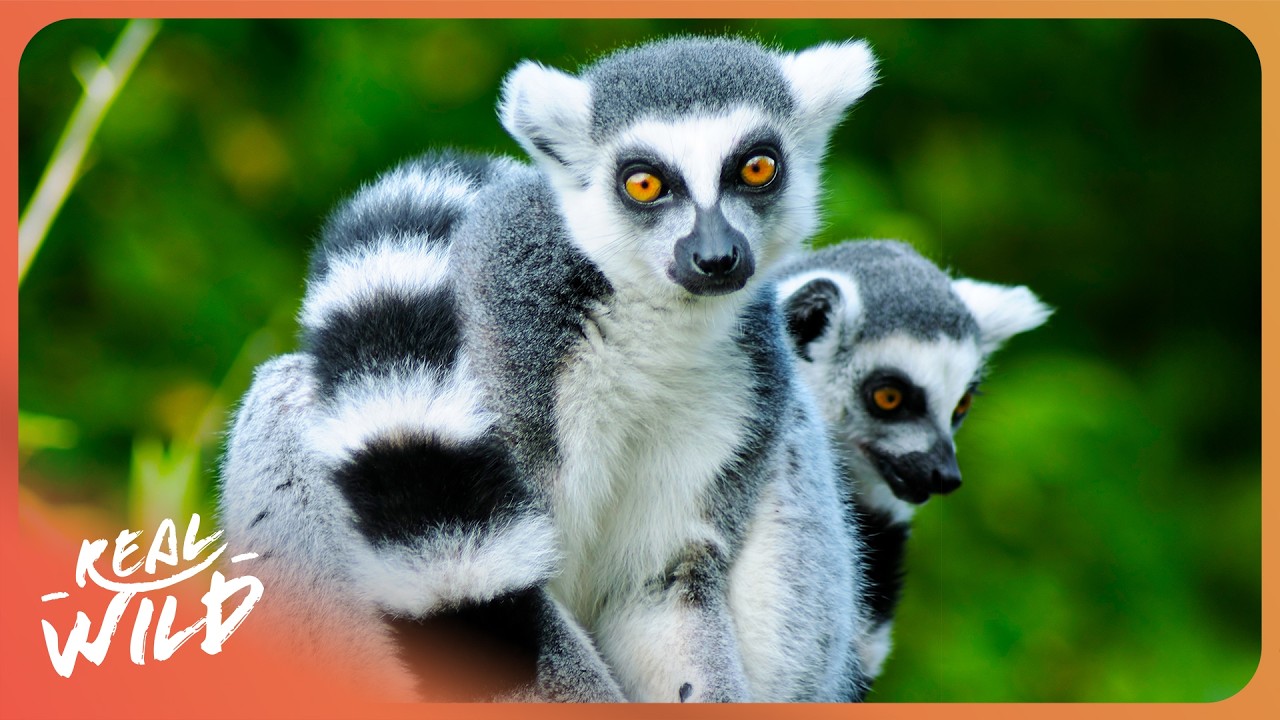
Madagascar's unique ecosystems, shaped by millions of years of isolation, support diverse wildlife, including endemic lemurs, chameleons, and culturally significant Zebu cattle.
Night vision cameras are set up to monitor the lions' activities after dark, revealing their behavior in captivity.