From over 100,000 films, discover the handful you'll love.
Free or premium access to the world's largest documentary library.
21 films
William the Conqueror's Domesday Book, a comprehensive survey from 1086, meticulously recorded land ownership across England, revealing the kingdom's socio-economic landscape.
400 hectares of land in the Congo are offered to white South African farmers seeking new opportunities after leaving their homes in South Africa.
The Shinnecock Nation, with a population of about 500, is confined to a 750-acre reservation while facing ongoing land encroachment from wealthy developers.
An average Hutterite colony supports about 100 people, living on a piece of land in Northeast Alberta that spans 7 square miles.
Land ownership in the Highlands and Islands of Scotland transformed in the 1980s, as new landlords from diverse backgrounds acquired vast estates, raising questions about control and community impact.
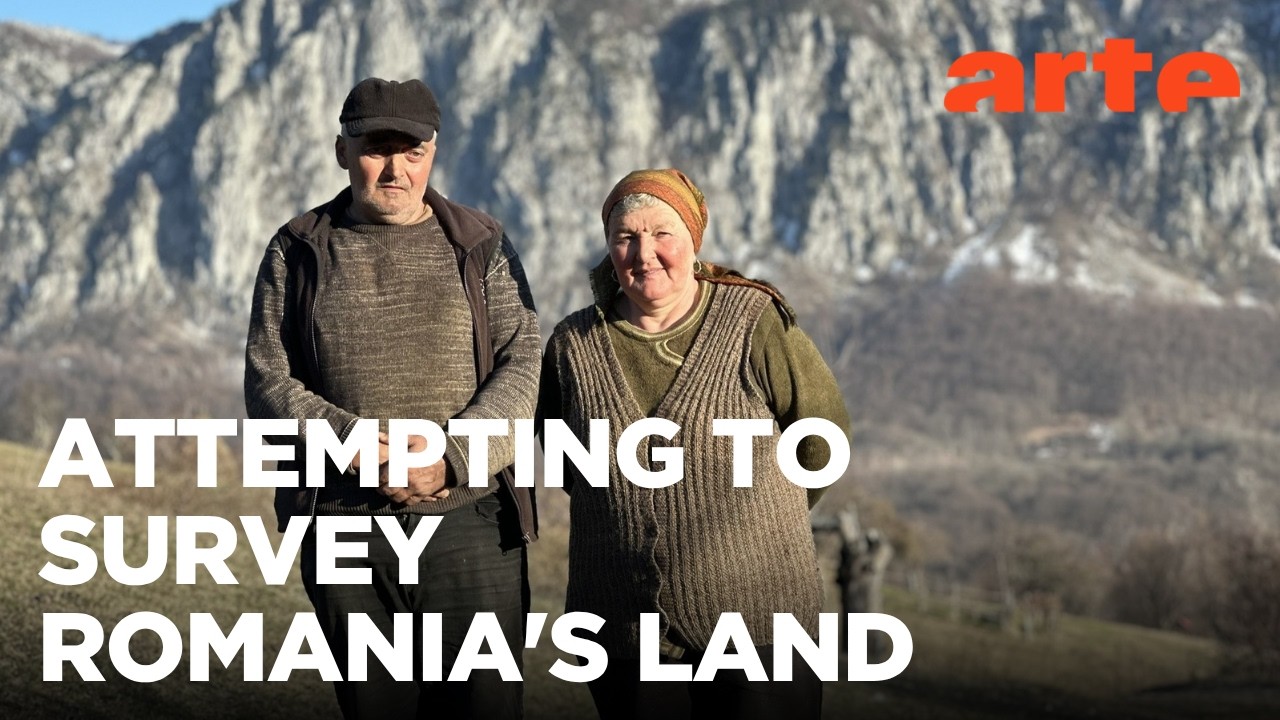
In Romania, topographers face challenges in surveying land due to an incomplete public register and longstanding mistrust among residents in remote mountain regions.
Namibia grapples with profound income inequality and the lasting impacts of German colonization, as foreign entities exploit its resources while indigenous communities face eviction threats.
William the Conqueror's Domesday Book, created in 1085-1086, served as a legal tool to legitimize Norman rule and redefine land ownership in England.
Aboriginal artists can only paint stories that they own, passed down through initiation ceremonies and age grading ceremonies.
Tensions between white farmers and spiritual pilgrims in Lesotho highlight a complex conflict over land rights and religious practices in South Africa.
Namibia's income inequality is exacerbated by the legacy of German colonization, with 6% of the population owning 70% of the land and foreign entities controlling its natural resources.
A third of Cape Town's 3.7 million residents live in informal settlements, struggling for basic services like water, sanitation, and electricity.
A North Dakota oil well produces 500 barrels a day, transforming local farmers into millionaires amid a significant oil boom.
A hospital mix-up leads to two families in Fiji mistakenly raising each other's children, revealing underlying tensions in a nation grappling with corruption.
Manhattan Beach allocated $350,000 for art to honor the Bruce family, whose land was seized over a century ago amid racial intimidation and city actions.
In Brazil, the Landless Rural Workers Movement (MST) confronts wealthy landowners in a deadly struggle over land ownership, highlighting stark economic inequalities.
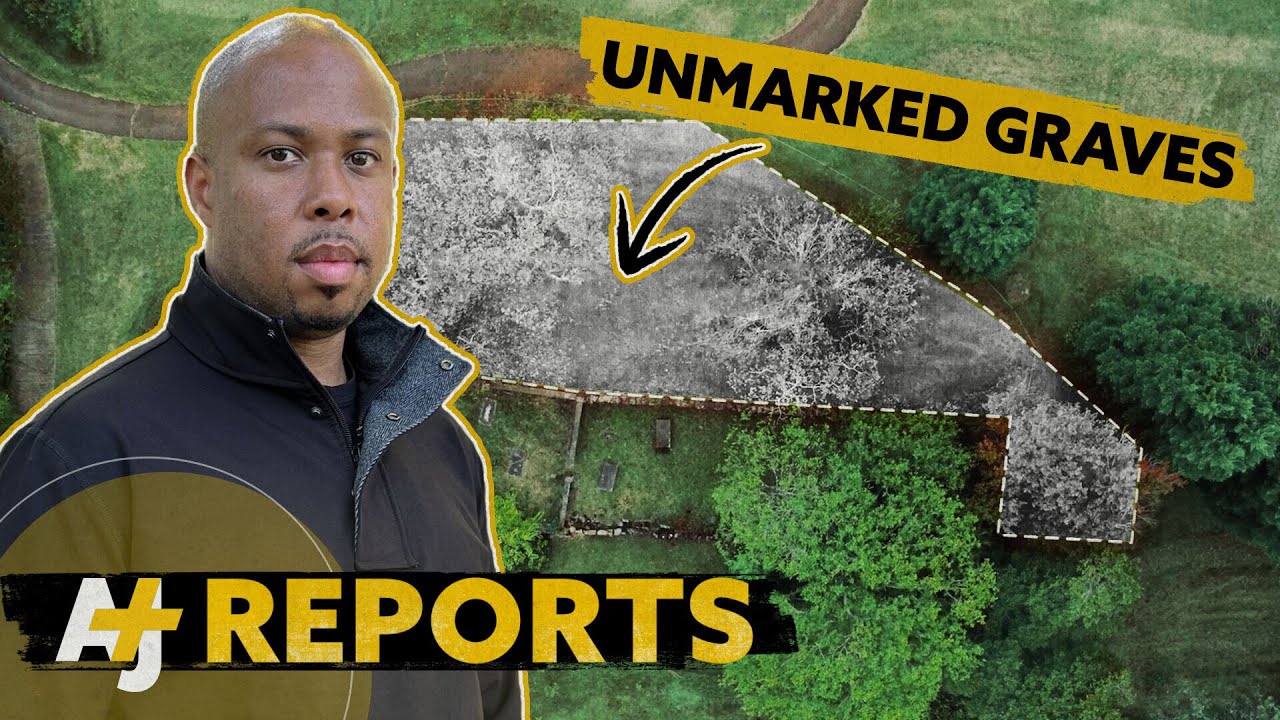
Dozens of enslaved African Americans are believed to be buried in unmarked graves at Pen Park, a former tobacco plantation in Charlottesville, Virginia.
A list of 70 individuals marked for elimination by cattle barons includes Nate Champion, a rancher in Johnson County, Wyoming.
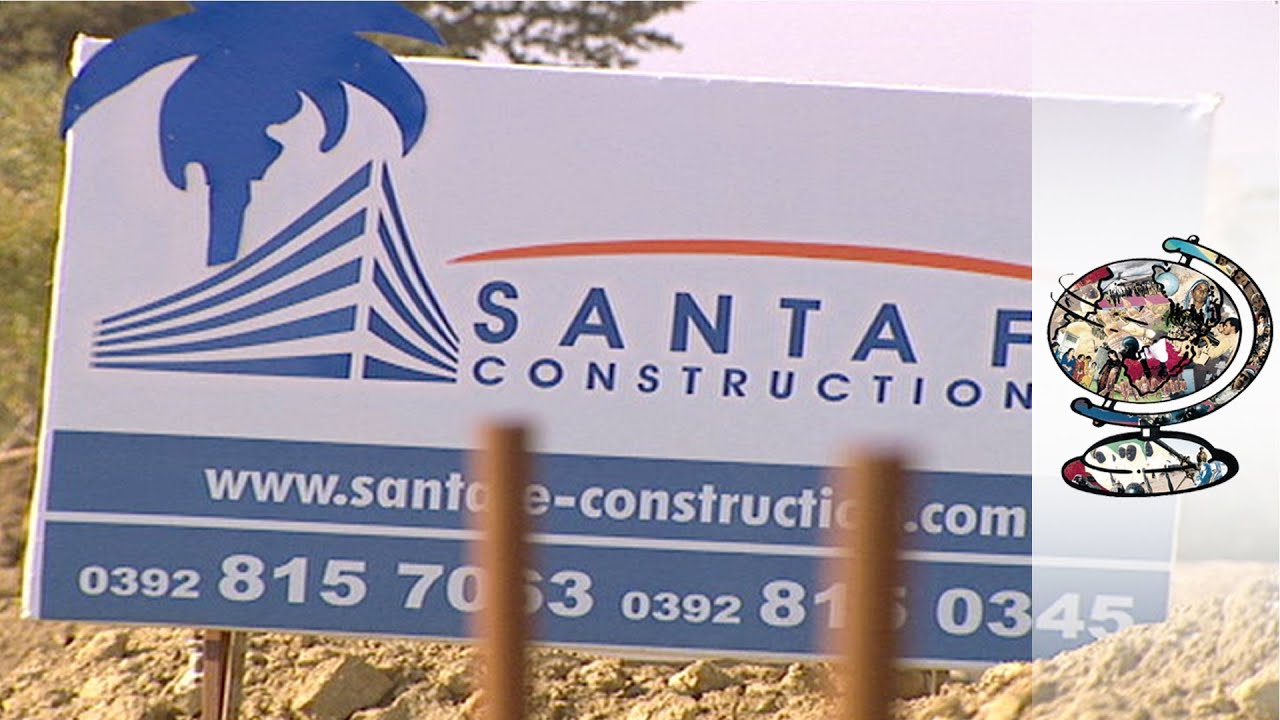
80% of homes in Northern Cyprus are claimed to belong to Greek Cypriots who fled during the island's division, raising ethical concerns for foreign buyers.
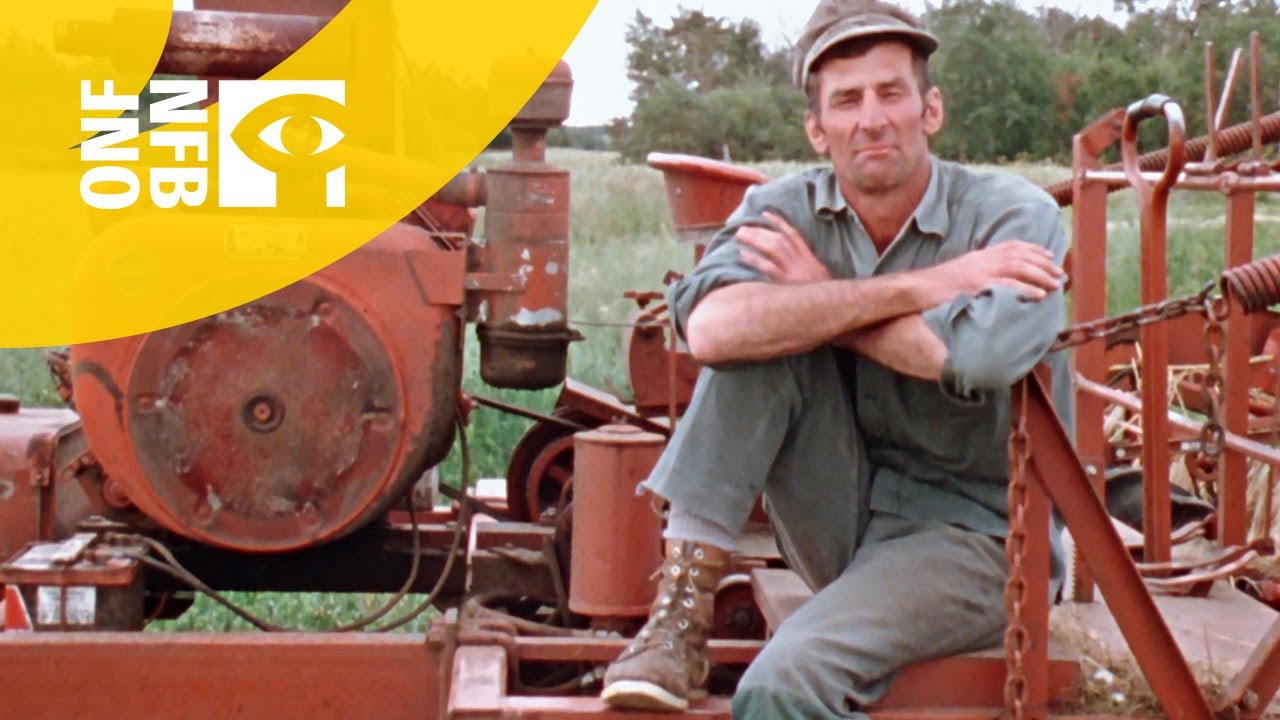
Seven farm families in Saskatchewan formed a cooperative to pool resources and combat rising operating costs threatening their agricultural livelihoods.
By age 17, George Washington owns 60,000 acres of land, but a royal proclamation threatens his ambitions and those of other colonists.