From over 100,000 films, discover the handful you'll love.
Free or premium access to the world's largest documentary library.
144 films(Page 1 of 3)
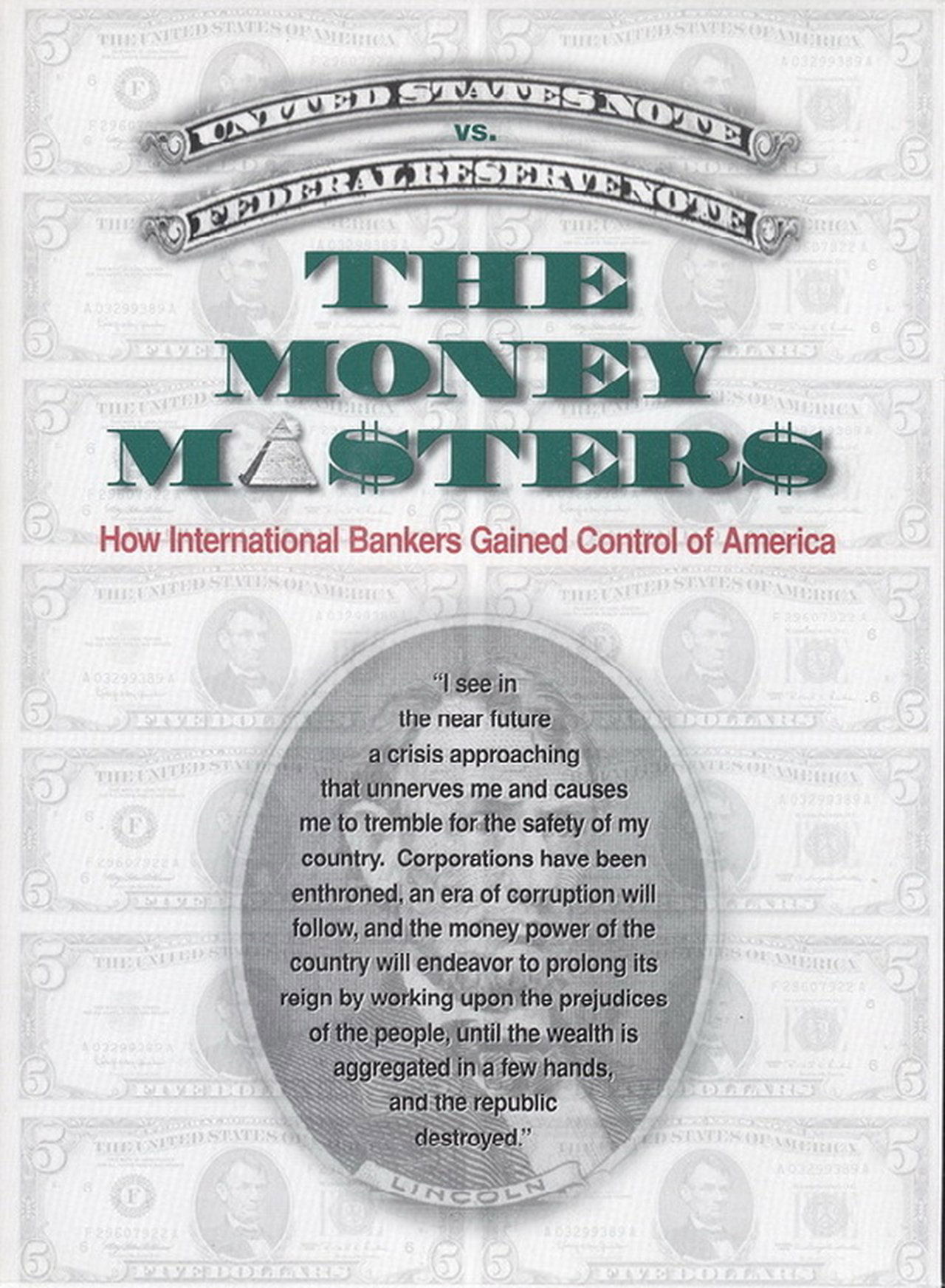
Since 1864, the United States has operated under a debt-based banking system, which the film argues is fundamentally flawed and unsustainable.
The global financial collapse of 2008 led to the disintegration of European economies and raised critical questions about the future of the global economy.
€1,800 billion in net asset purchases by the European Central Bank aims to address the economic fallout from the coronavirus crisis.
The global economic crisis, traced from the Bretton Woods Agreement to the Occupy Wall Street movement, highlights how U.S. Federal Reserve policies resemble a Ponzi scheme.
A collision between the Milky Way and the Andromeda galaxy is expected to occur in a few billion years, reshaping both galaxies.
The average American family has eight credit cards, reflecting the industry's growth fueled by deregulation and technological advancements.
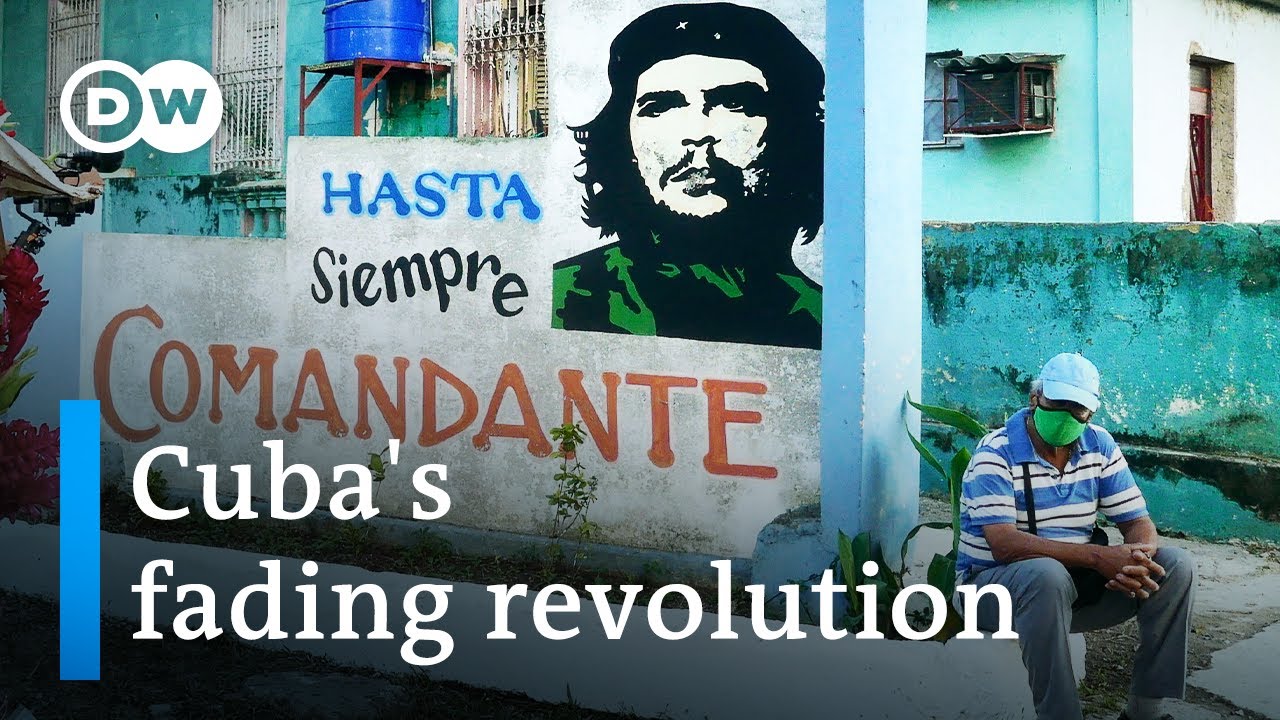
Real wages in Cuba fell despite nominal wage increases, leading to a significant decline in purchasing power for the population.
Inflation in Lebanon has reached over 140%, with food prices increasing by 500% in just one year, pushing 80% of the population into poverty.
Kenneth Rogoff, a Harvard economics professor and former IMF chief economist, discusses the complexities of high inflation and its gradual buildup.
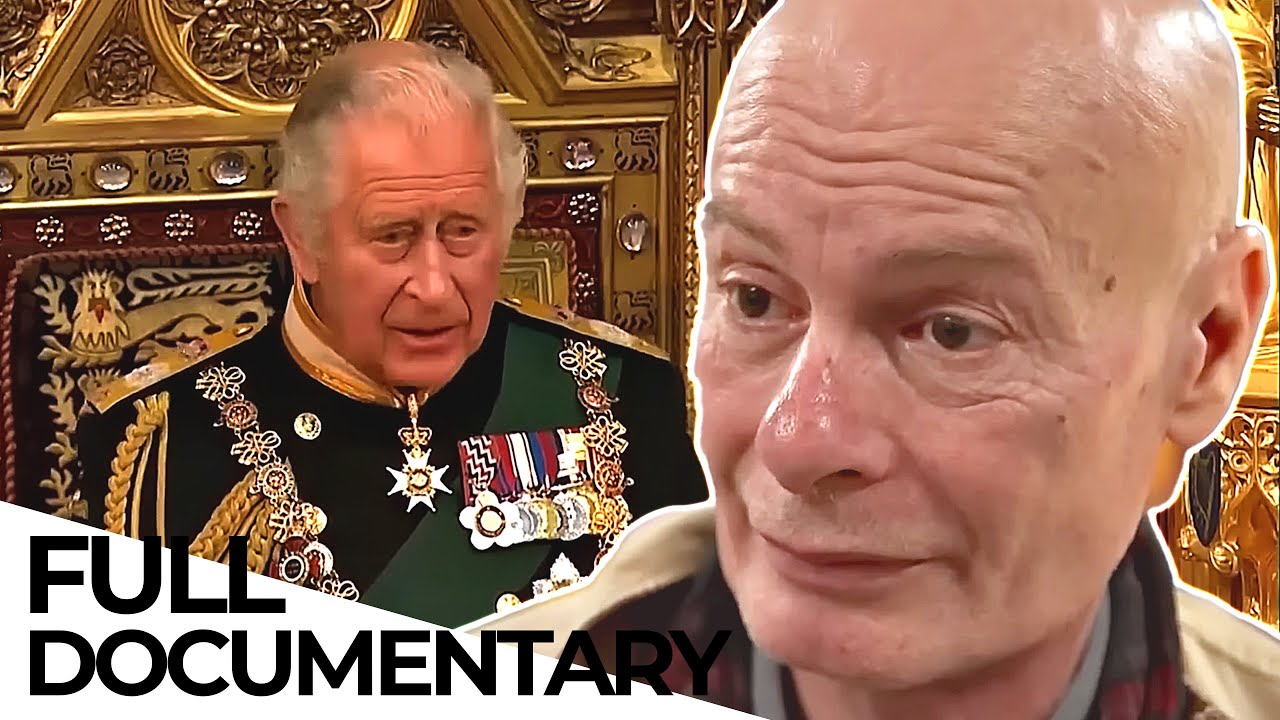
Poverty in the UK affects over 15 million people despite low unemployment, driven by inflation, wage instability, and cuts to social assistance.
Nine families in the UK struggle to make ends meet despite working, with one family living in tents after losing a full-time job.
Lebanon faces its worst economic crisis in history, with 80% of the population living in poverty and rampant inflation driving food prices up by 500%.
Escalating housing costs in cities like Berlin, Paris, and London are examined, revealing the impact of economic policies and demographic shifts across Europe.
The total value of all existing cryptocurrencies exceeds $2 trillion, reflecting a surge in interest and investment in digital currencies.
The Federal Reserve and the European Central Bank wield significant influence over global economies, shaping interest rates, employment, and wealth inequality through their monetary policies.
Andy Burnham participates in the Great Northern Investment Summit, highlighting regional development and investment opportunities in the UK.
UK finance minister Rachel Reeves outlines her strategy to address the energy crisis resulting from the ongoing war in Iran.
US Central Command chief General Michael Kurilla testifies before a Senate panel regarding the budget for military operations related to Iran.
The Federal Reserve and the European Central Bank play crucial roles in shaping global economic policies, influencing interest rates, inflation, and financial stability.
Inflation, often viewed as a natural economic occurrence, can also be a deliberate choice by governments to reduce debt burdens, as seen in Weimar Germany and Argentina.
Higher interest rates are expected to bring pain to households as the Federal Reserve tries to stop inflation and shift the economy into a new era.
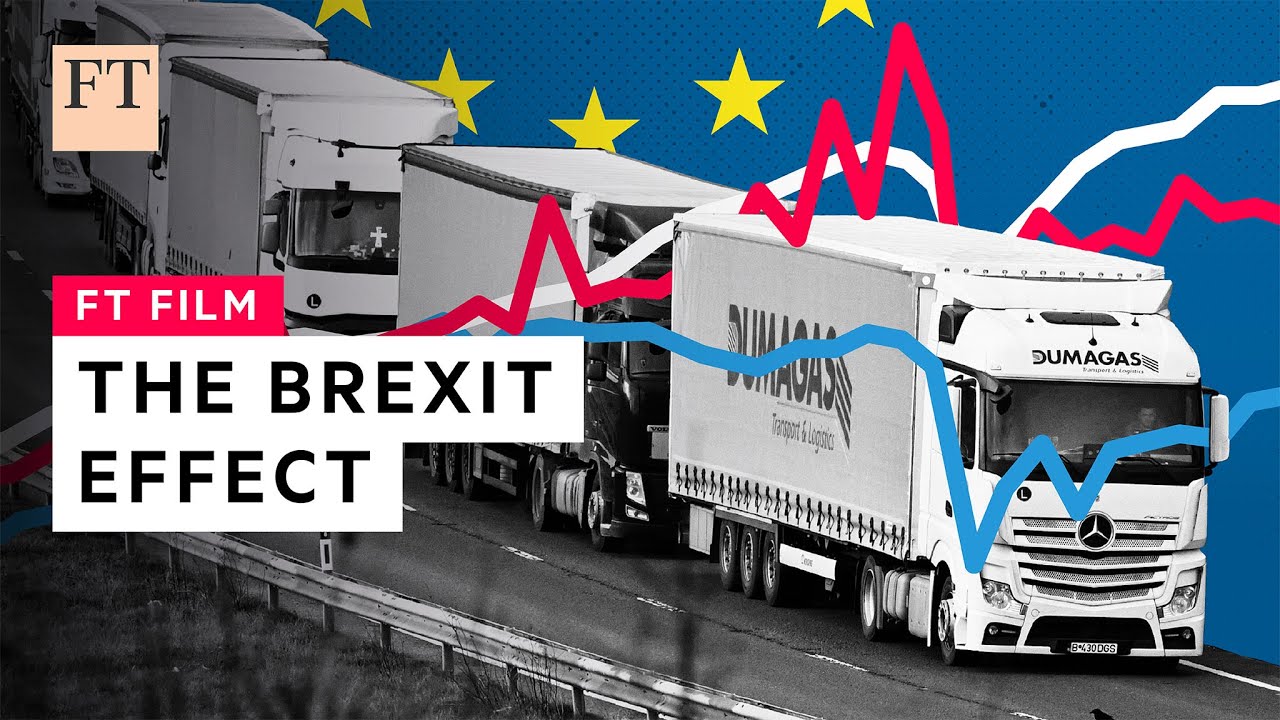
The original vote to leave the EU caused the pound to drop by about 10%, raising inflation by 2-3% and making imports more expensive.
Wall Street predicts bond market changes in 2017 due to rising inflation and central bank actions.
Japan's sales tax increase in April distorts spending and impacts the economy significantly.
Argentina struggles with economic crises and protests amid high inflation and currency devaluation.
The Taliban struggles with governance as Afghanistan's economy collapses and inflation soars.
Many households struggle with soaring inflation while CEO pay packages surge significantly.
Inflation in Argentina exceeded 200% when Javier Milei took office in November 2023, prompting a mix of support and dissent among citizens.
Argentina's inflation hits 109%, impacting businesses and daily life in Buenos Aires.
Argentina's financial turmoil, driven by political fears and rising inflation, significantly impacts the economy and daily lives of its citizens.
London faces a currency crisis as the pound plummets amid economic uncertainty in November.
Mark Carney warns Brexit could harm the British economy and lead to job losses.
World stock markets face a historic sell-off as central banks prepare for stimulus measures.
The Bank of England hints at potential interest rate rises in November amid economic challenges.
The Bank of England's Monetary Policy Committee debates interest rates amid inflation concerns.
US Treasury bonds maturing in 10 years or more experienced their worst sell-off since at least 1991, losing 3.6% in a single day following the 2016 election.
Boris Johnson resigns as British Prime Minister, leaving the Conservative Party in turmoil.
Boris Johnson meets with Saudi Crown Prince to discuss stabilizing oil prices and inflation.
Brazil's election reveals deep divisions and eroding democratic institutions amid rising hunger.
Britain's economy shows mixed results post-referendum, with rising inflation and a falling pound.
Russians confront tough economic times amid sanctions and a rebounding ruble post-Ukraine invasion.
Inflation remains flat despite central bankers' expectations that low interest rates would stimulate economic growth and reduce unemployment.
Europe faces a potential taper tantrum as ECB officials suggest reducing QE bond purchases, raising concerns about inflation and economic stability.
In December, eurozone inflation turns negative, with prices falling by 0.2% year-on-year.
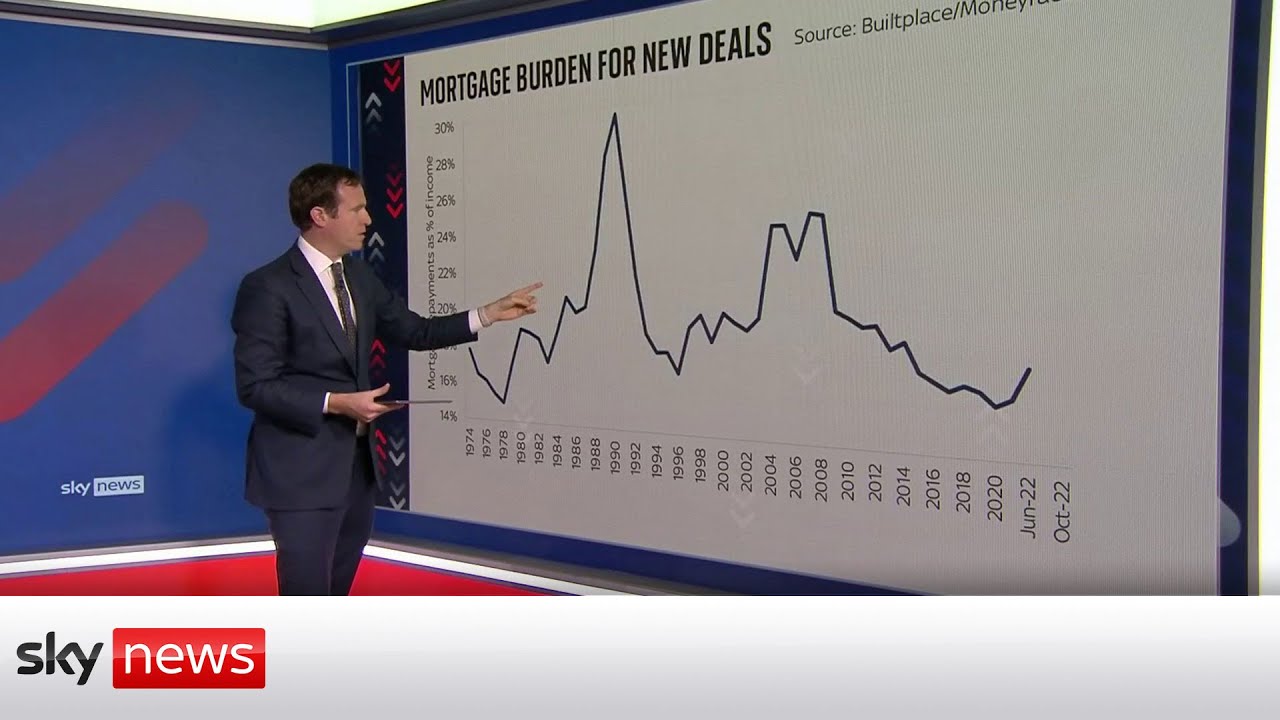
The Bank of England's official rate fluctuates, impacting mortgage costs in England.
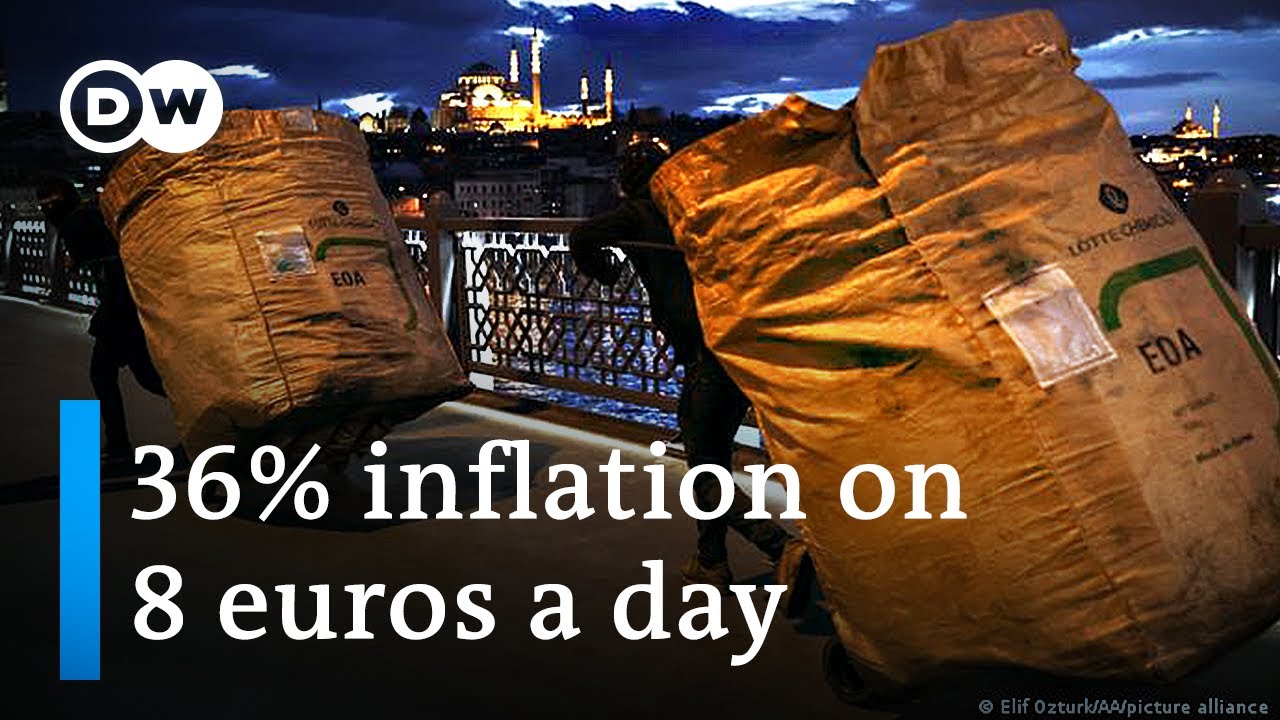
In Turkey, many face economic hardship as prices soar and the lira loses value.
Shrinkflation affects everyday products, with consumers noticing smaller sizes and higher prices.
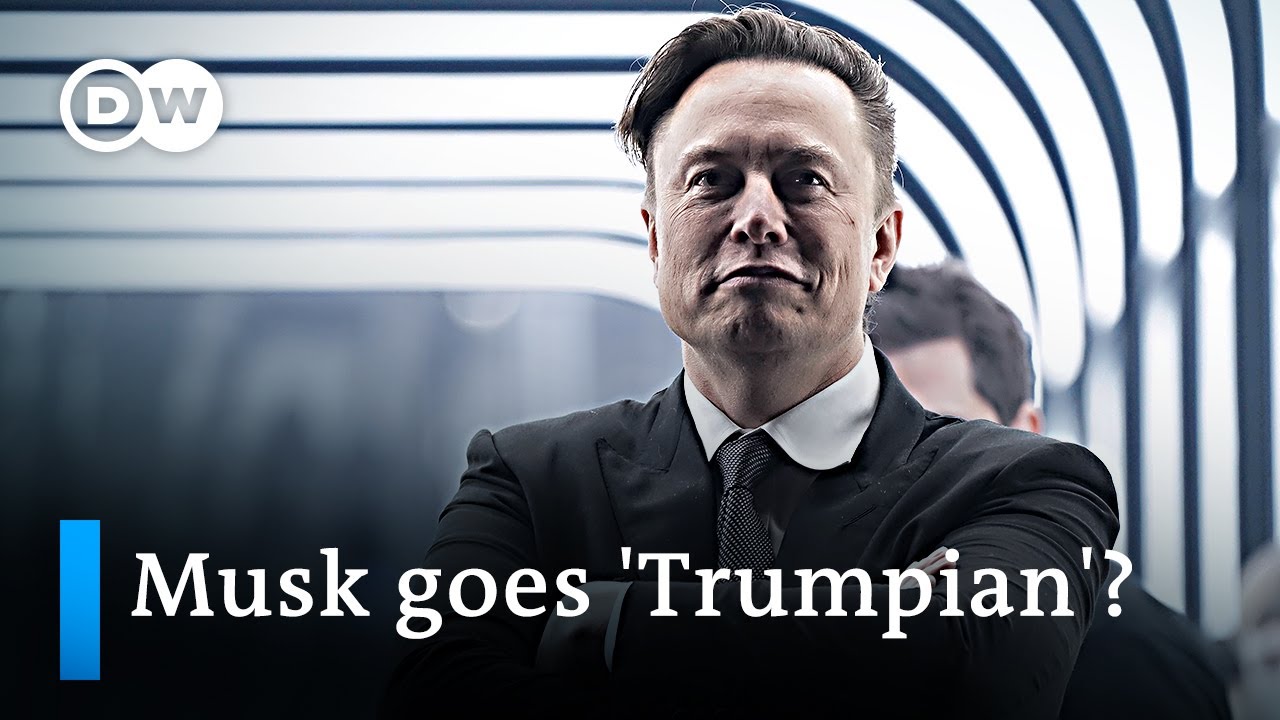
Elon Musk warns of economic downturn, calls for Tesla staff reduction and hiring freeze.