From over 100,000 films, discover the handful you'll love.
Free or premium access to the world's largest documentary library.
52 films(Page 1 of 2)
An early 1900s experiment with submarine technology leads to one of the most absurd events in naval history, highlighting the challenges of innovation.
The Spanish Civil War ignited in 1936, marked by mass executions and revolutionary upheaval, drawing global attention to the turmoil in the Iberian Peninsula.
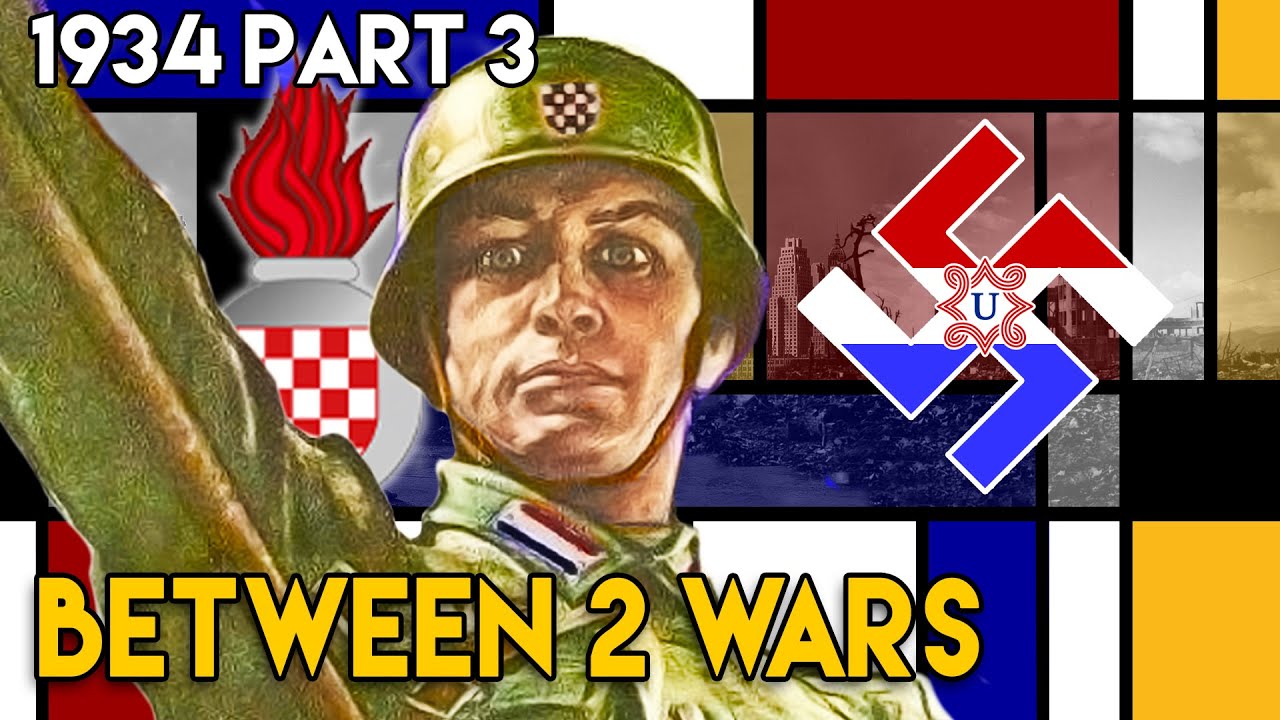
The rise of the Ustaše, a fascist movement in the Balkans, threatens King Aleksandar's efforts to unify a diverse Yugoslav identity amid rampant ethnic nationalism.
19th century China faces immense challenges as Western and Asian powers vie for influence, threatening its status as a once-mighty global leader.
The Dutch military's aggressive campaign to reclaim their colony, disguised as 'police actions,' highlights the complexities of post-war colonial tensions.
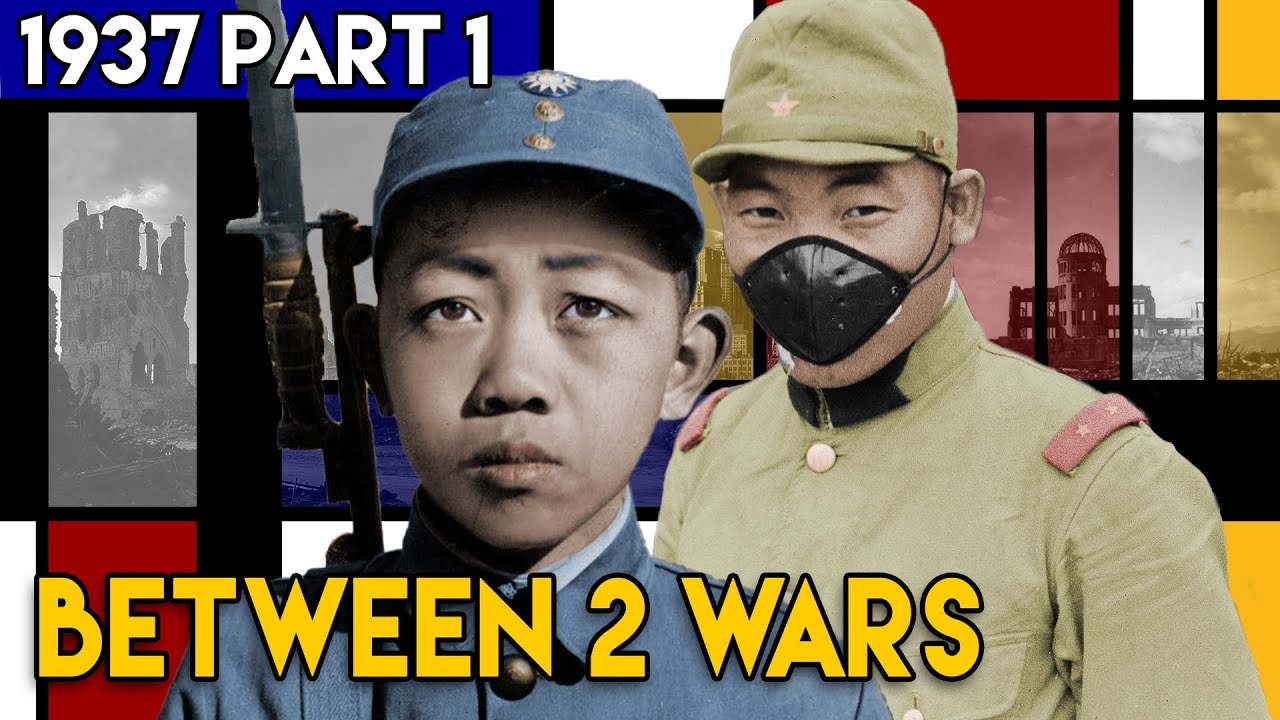
The Second Sino-Japanese War began in 1937, resulting in hundreds of thousands of deaths and millions displaced, raising questions about the true start of World War Two.
The historical roots of the Israel-Palestine conflict are explored, tracing its evolution from the Crusades to Israeli independence and regional tensions.
Dien Bien Phu marks the decisive battle of the First Indochina War, leading to the collapse of French colonial power and the division of Vietnam.
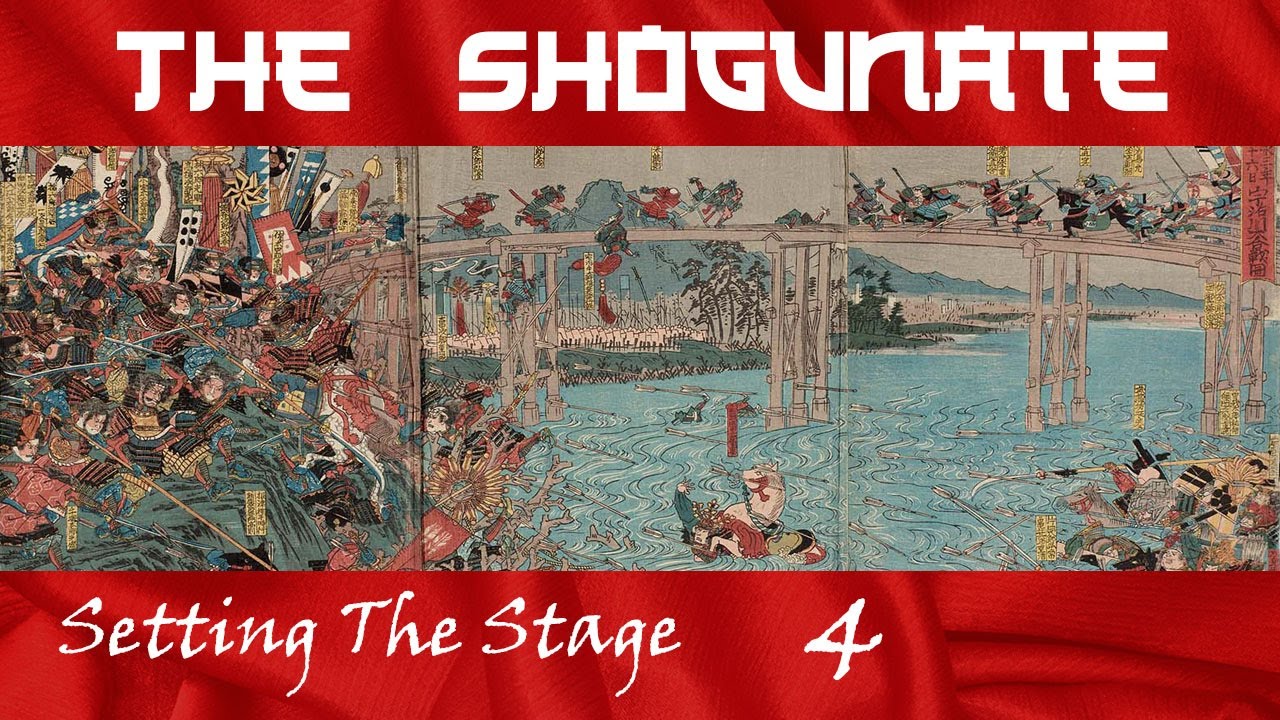
The Taira clan's controversial decisions under Kiyomori lead to the resurgence of the Minamoto clan and ignite Japan's first great Samurai war.
Tokugawa Ieyasu's eastern army engages in a brief skirmish with the western forces in Mino province, setting the stage for the pivotal battle of Sekigahara.
William the Conqueror's brutal military campaigns in northern England during 1069-70, known as the Harrying of the North, devastated villages and solidified his rule.
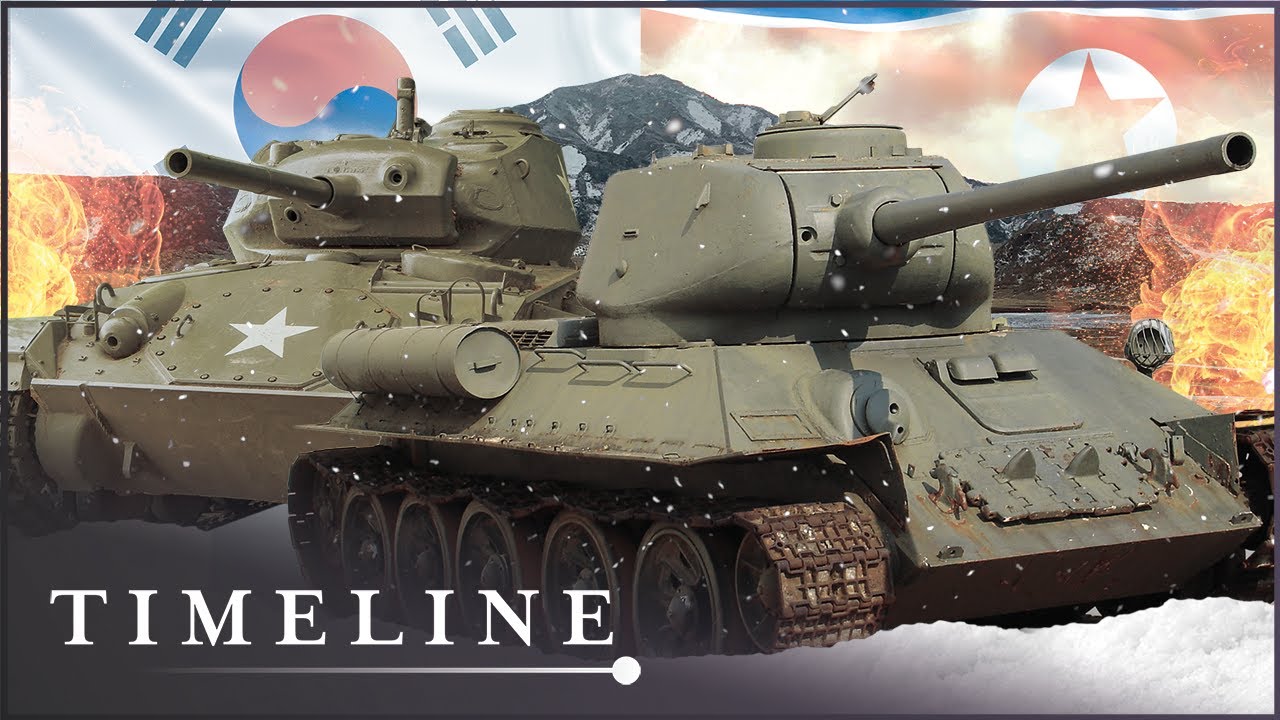
Tank battles on the Korean frontier highlight the intense conflict between North and South Korea, featuring American tankers on a critical rescue mission.
The Shimabara Rebellion in 1637-1638 marked a significant uprising against the Tokugawa Shogunate, resulting in widespread chaos and loss of life in Kyushu.
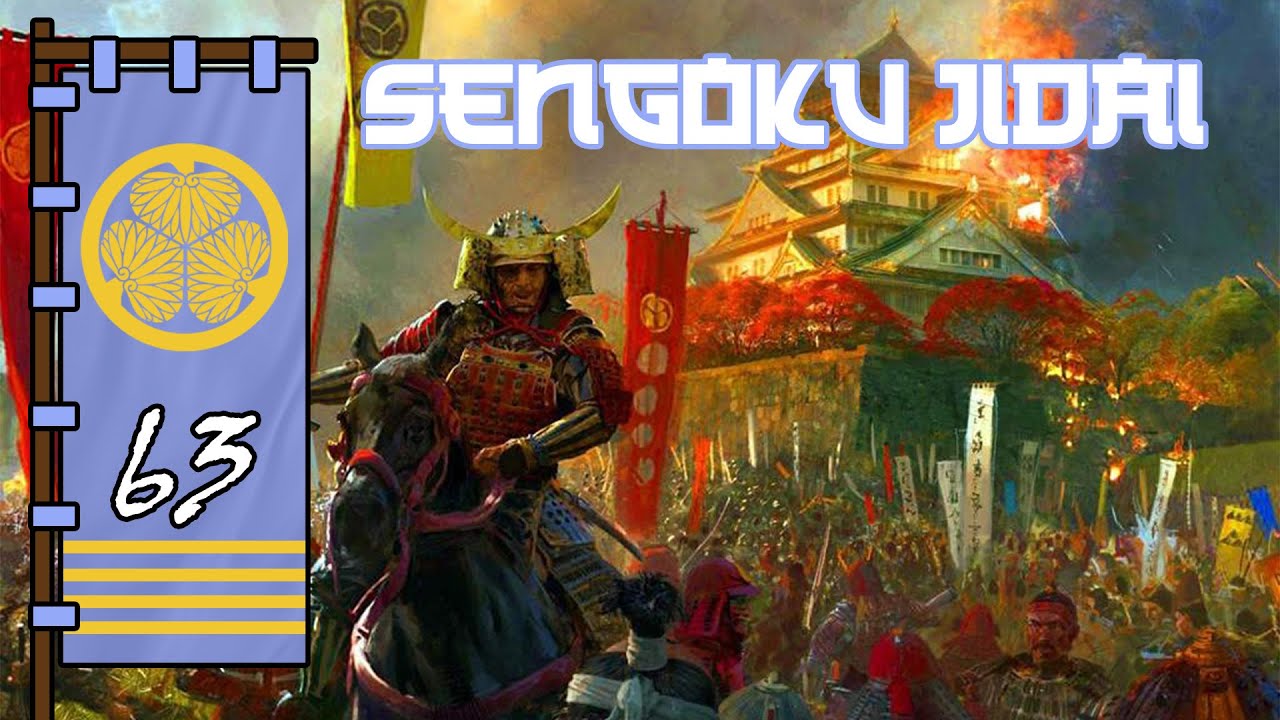
Tokugawa Ieyasu and Toyotomi Hideyori face off in legendary battles during the summer siege of Osaka, marking the dramatic conclusion of the Sengoku period!
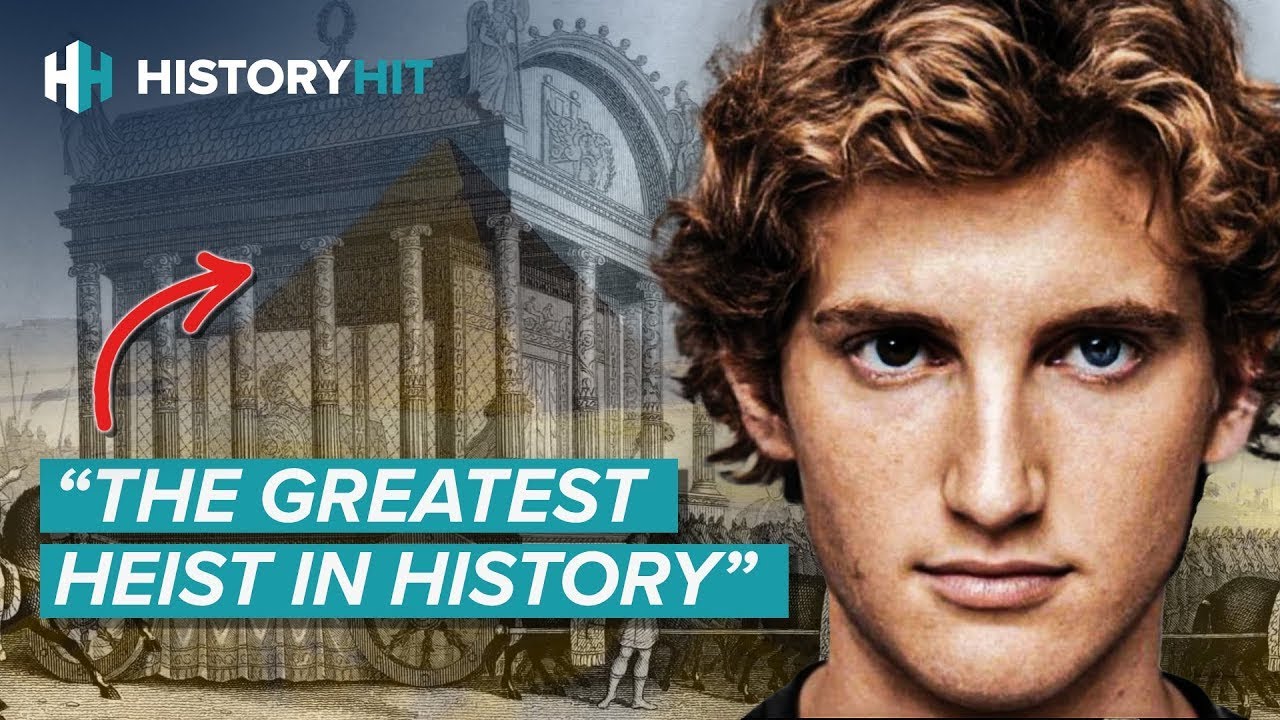
Alexander the Great's elaborate funeral carriage was stolen in 321 BC, igniting a fierce conflict between rival warlords Ptolemy and Perdiccas.
The conflict between the Hyksos rulers of northern Egypt and the Seventeenth Dynasty kings from Thebes marked a pivotal moment in the Second Intermediate Period.
Baku's oilfields played a crucial role in World War II, compelling Stalin and Hitler to confront each other in the pivotal battle of Stalingrad.
The legendary conflict between Takeda Shingen and Uesugi Kenshin on the Kawanakajima plain is explored through the first three pivotal battles of their rivalry.
The Alhambra features over 2,000 meters of defensive walls and 27 towers, built by the Nasrid dynasty more than 800 years ago in southern Spain.
Gotland's 1361 battle saw King Valdemar's Danish army decimate a hastily assembled militia of feudal peasants, resulting in over 1800 deaths outside Visby's gates.
The Battle of Shrewsbury in 1403 marked a pivotal clash between King Henry IV and rebel Henry Hotspur, shaping the future of England and Henry V's destiny.
Peleliu's Bloody Nose Ridge became the site of intense combat during the Mariana and Palau Islands campaign, marked by fierce resistance from Japanese forces against American troops.
The Battle of Towton in 1461, a pivotal conflict in the Wars of the Roses, resulted in thousands of deaths and led to the investigation of a memorial chapel by Richard III.
King Edward III's challenge to France during the Hundred Years' War, marked by battles at Crécy and Poitiers, reshaped Anglo-French relations and national identities.
Hernán Cortés' audacious decision to sink his fleet in 1519 set the stage for a brutal clash with the Aztec Empire, culminating in a devastating siege.
King Charles I's belief in the divine right of kings and his unpopular religious reforms ignited the English Civil War, pitting Roundheads against Cavaliers.
Nuclear weapons during the Cold War created a precarious balance of power, where the threat of total annihilation shaped global politics and human lives.
Bone hunters in the Philippines continue to search for the remains of 7,800 soldiers from World War II, supported by a Japanese government program.
The Battle of the Atlantic, fought from 1939 to 1945, was a critical conflict in World War II where Britain faced German U-boats threatening essential supply lines.
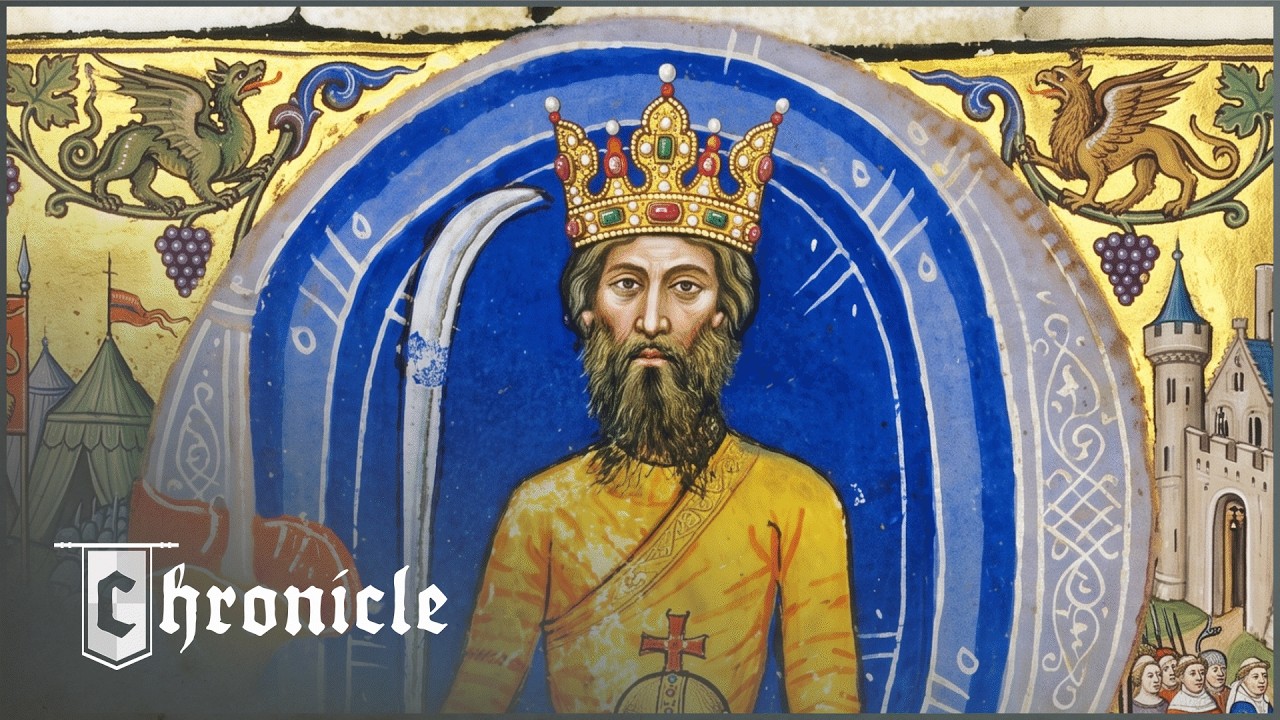
Attila the Hun, known as the "Scourge of God," united barbarian tribes and launched devastating attacks on the Roman Empire in the 5th century.
The 1990 Oka crisis involved Mohawk communities in Kahnawake and Kanehsatake confronting the Canadian military and citizens in a violent stand-off.
Eastern Europe's tumultuous post-World War I landscape, marked by conflicts involving Poland and Ukraine, continues to shape contemporary political tensions.
Burundi's history of ethnic tensions and civil unrest highlights the dire consequences of political instability in Central Africa.
In 410 AD, the Sack of Rome resulted from Emperor Honorius's betrayal of King Alaric and the desperate siege by 40,000 Visigoths seeking promised land.
In April 1851, the Fugitive Slave Act transformed Boston into a battleground for freedom seekers like William Parker, who organized resistance against slave catchers.
General William Tecumseh Sherman and Apache leader Geronimo are central figures in the narrative of the Indian Wars and the struggle for control of America.
In January 1945, the brutal siege of Budapest marked a decisive phase in World War II, coinciding with major German counter-offensives and the Soviet Vistula-Oder offensive.
Tiberius Gracchus, a Roman politician, attempts radical land reforms to aid impoverished farmers after the Punic Wars, leading to his assassination and a pivotal revolution.
In 1179, the fall of Jacob's Ford resulted in the deaths of 800 Crusader defenders and the enslavement of 700, marking a significant defeat for Saladin.
The devastating impact of Iraq's chemical warfare on Iranian civilians and military personnel during the 1980s is vividly captured through emotive footage and personal testimonies.
Colin Wallace, a former British military intelligence officer, exposed the use of fake news by intelligence agencies and faced murder accusations as a result.
In July 1936, a military coup ignites the Spanish Civil War, resulting in 400,000 deaths and lasting repercussions under General Franco's regime.
Hannibal Barca, a military strategist of the Second Punic War, brought Rome to its limits while his own civilization faced total destruction.
Mahatma Gandhi's final years from 1944 to 1948 are examined, highlighting his efforts to promote peace during India's violent struggle for independence and the Miracle of Noakhali.
Mao's Communist forces implement brutal land reforms and psychological warfare in 1947, shifting the balance of the Chinese Civil War against Chiang Kai-shek.
The defeat of the Communist Democratic Army in 1949 marked a brutal end to the Greek Civil War, influenced by Yugoslavia's withdrawal of support and American intervention.
More than 90% of Muslims have been expelled from diamond mining areas in the Central African Republic due to rising tensions between religious groups.
Tokugawa Ieyasu consolidates power in Japan following the decisive battle of Sekigahara, shaping the nation's political landscape for centuries to come.