From over 100,000 films, discover the handful you'll love.
Free or premium access to the world's largest documentary library.
51 films(Page 1 of 2)
Up to a billion planets similar to Earth may exist in the galaxy, according to scientists featured in this 50-minute documentary.
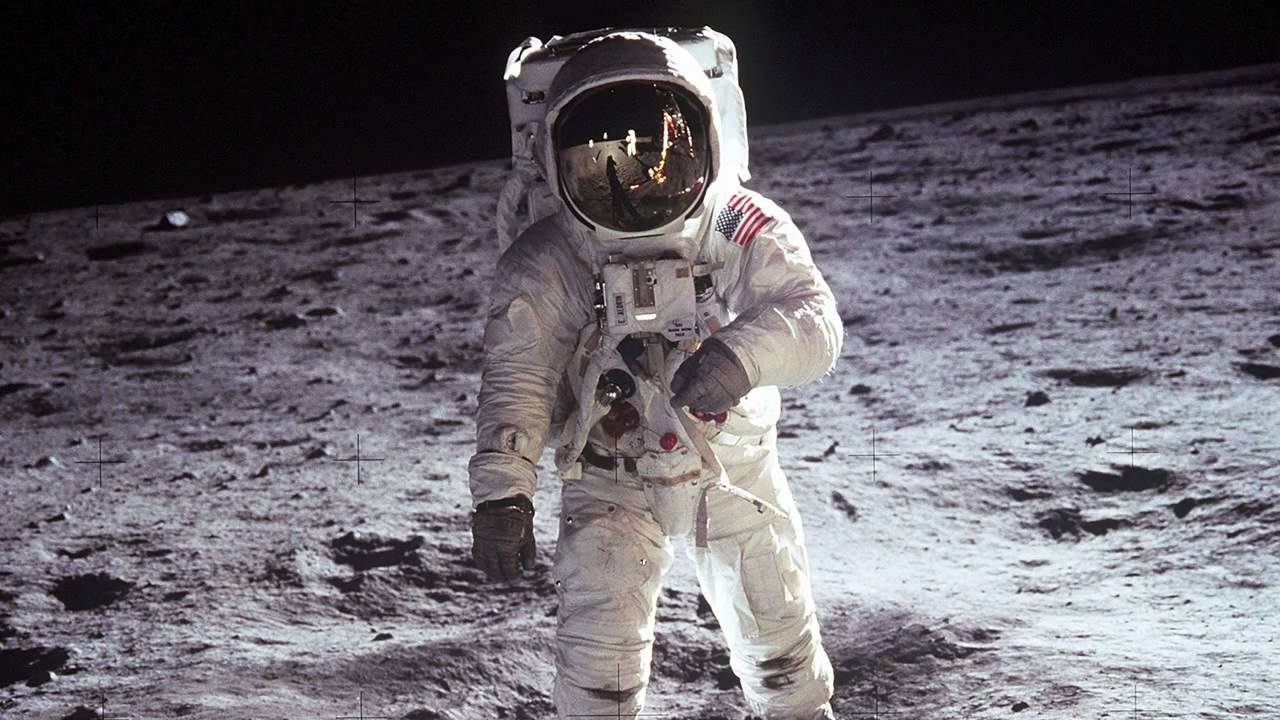
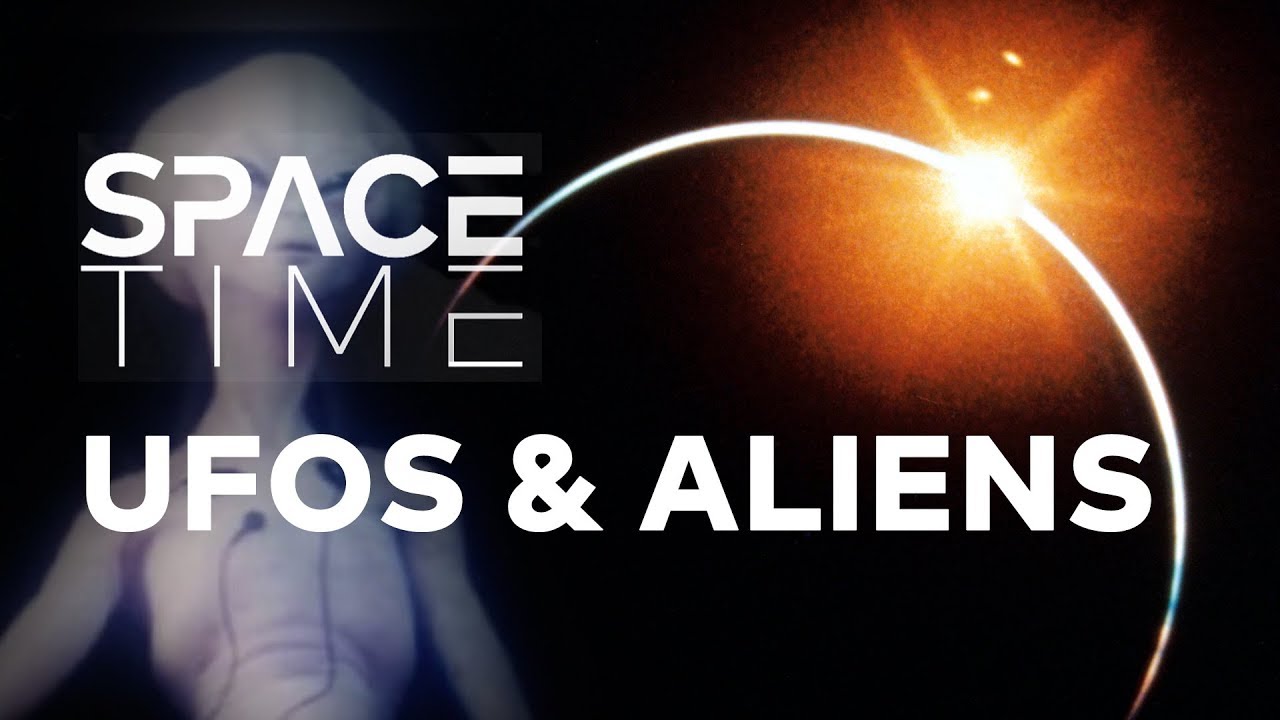
Conspiracy theories surrounding space travel, including the moon landing and UFO sightings, are examined alongside scientific insights into human survival in space.
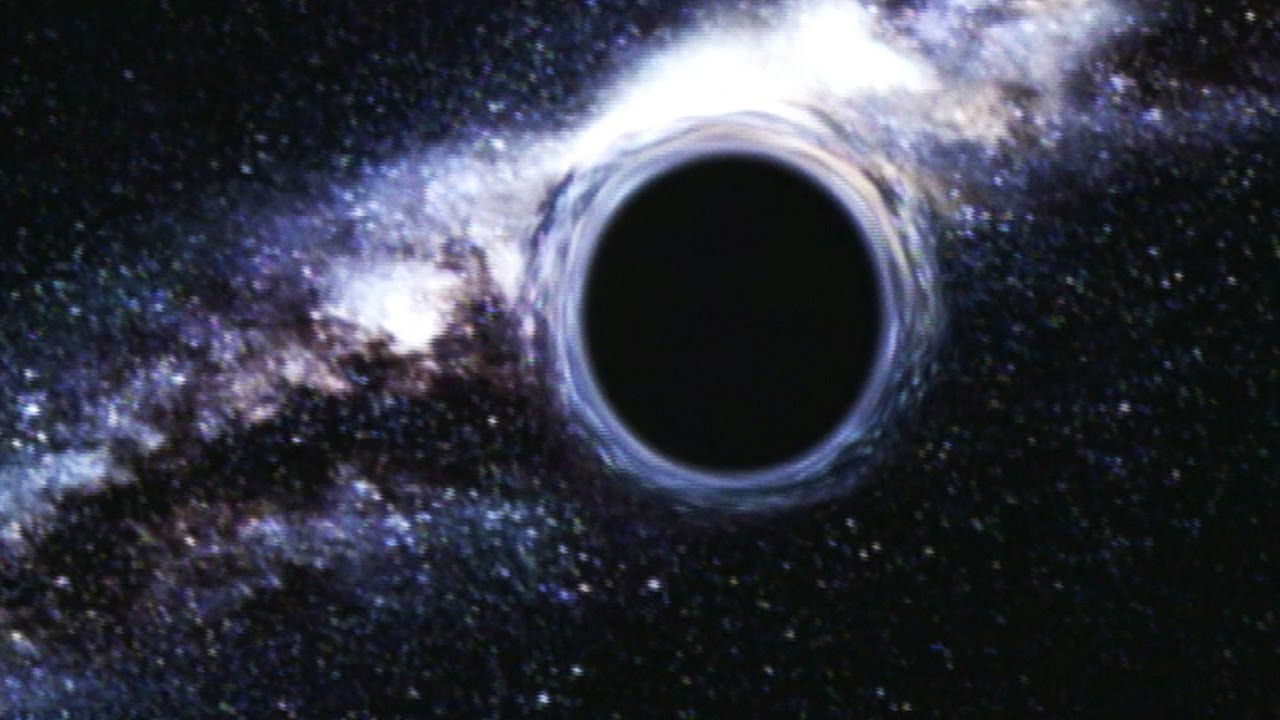
Black holes, regions of spacetime with immense gravitational pull, are explored through their structure, formation, and impact on the universe.
Space debris poses a significant threat to astronauts aboard the International Space Station and satellites, with hundreds of thousands of fragments orbiting Earth.
Space and our solar system are explored through seven episodes of the acclaimed series 'Zenith', offering a comprehensive look at our galaxy and beyond.
NASA's Perseverance rover launched on July 30, 2020, marking a significant step towards human exploration of Mars and the return to the Moon.
In 2015, NASA telescopes identified a promising exoplanet with Earth-like temperatures and potential liquid water, prompting astrophysicists to explore similar solar systems.
Astronaut and scientist Ulrich Walter examines the fundamental role of gravity in shaping life on Earth and its significance in understanding the universe.
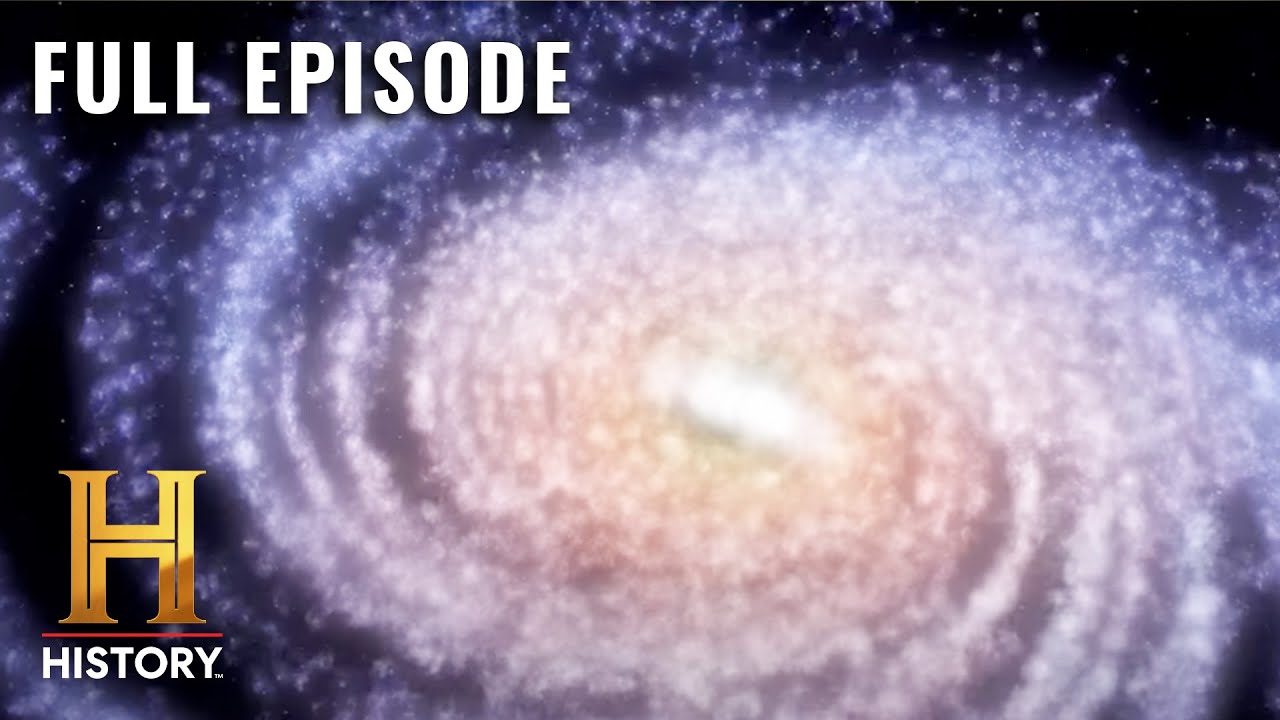
This episode reveals that Earth is not at the center of the Milky Way galaxy.
Explore the unique challenges of life, love, and sex in space as astronauts navigate daily routines and relationships beyond Earth.
There are an estimated one trillion planets in the Milky Way galaxy, many of which could potentially support life.
In 2019, space nations including China, Japan, and the United States reignite lunar exploration ambitions, exploring the feasibility of moon bases and tourism.
Jupiter and Saturn have played a major role in shaping the evolutionary history of the solar system, influencing its development after gas planets formed.
In 2015, Nepal experienced its strongest earthquake, with radar satellites providing precise geological mapping and insights into the disaster's impact.
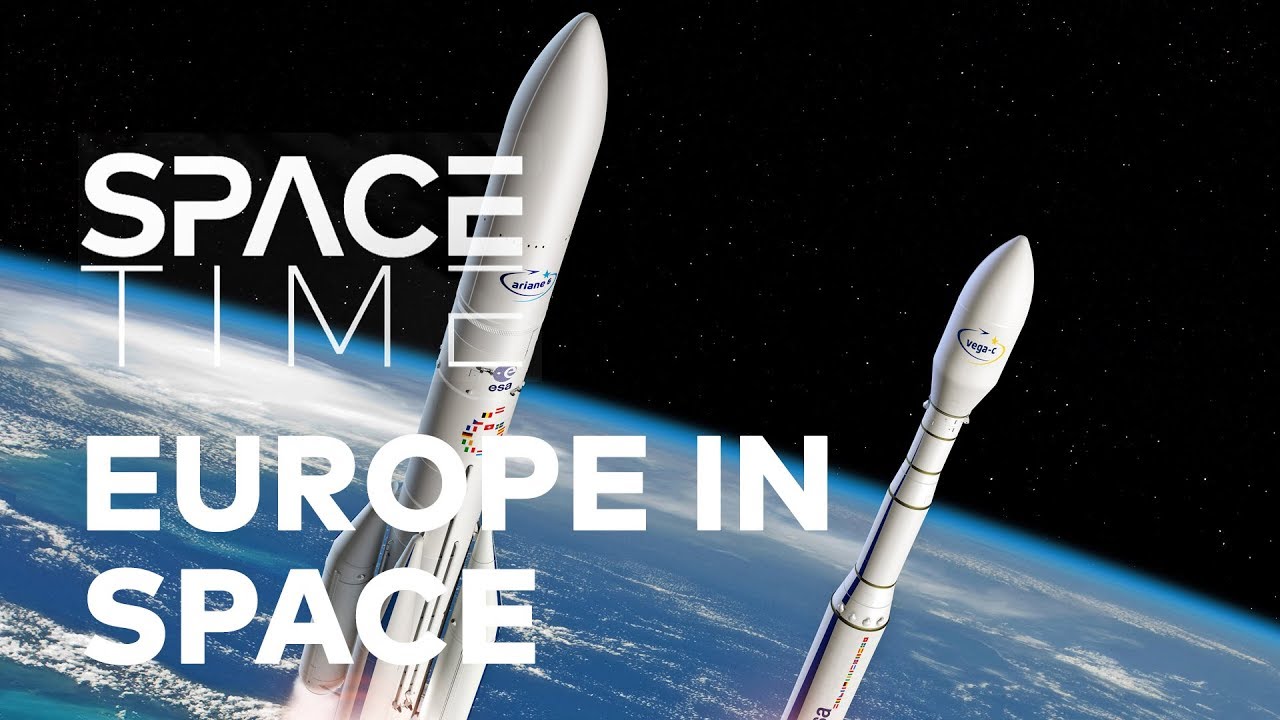
Europe's Ariane 5 rocket, boasting a 98% success rate, establishes the continent as a leader in commercial satellite launches amid increasing competition.
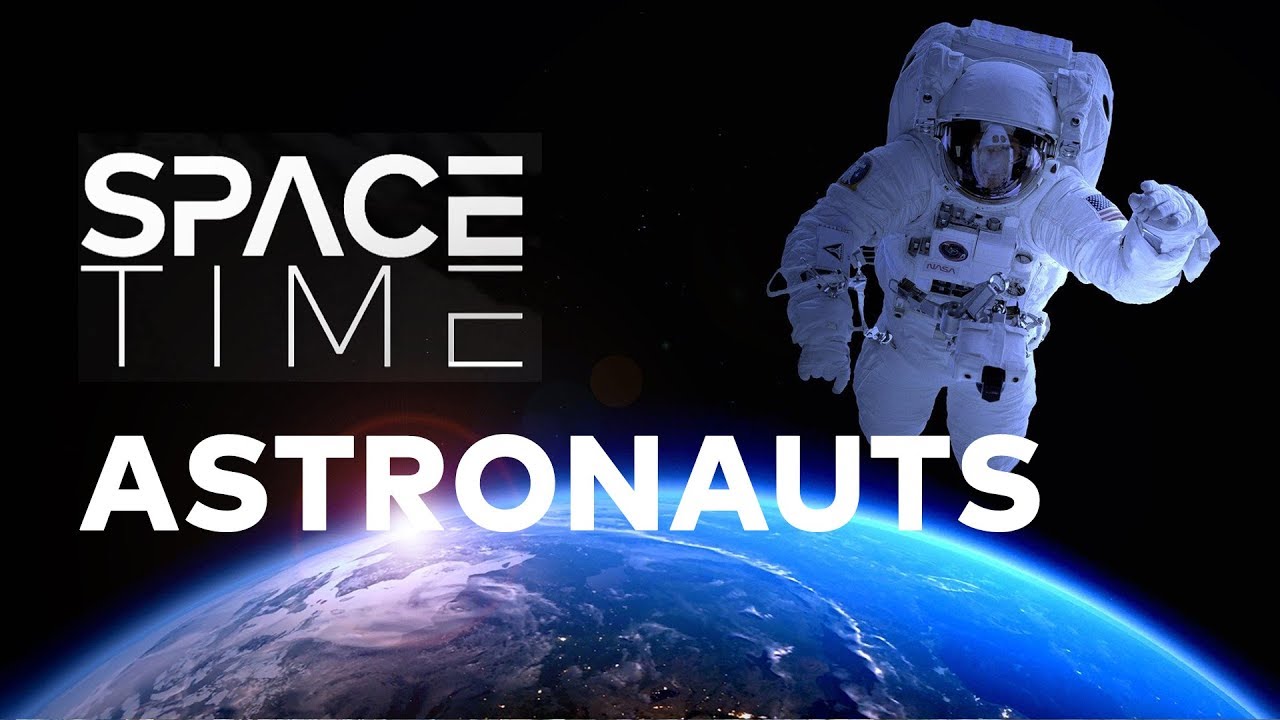
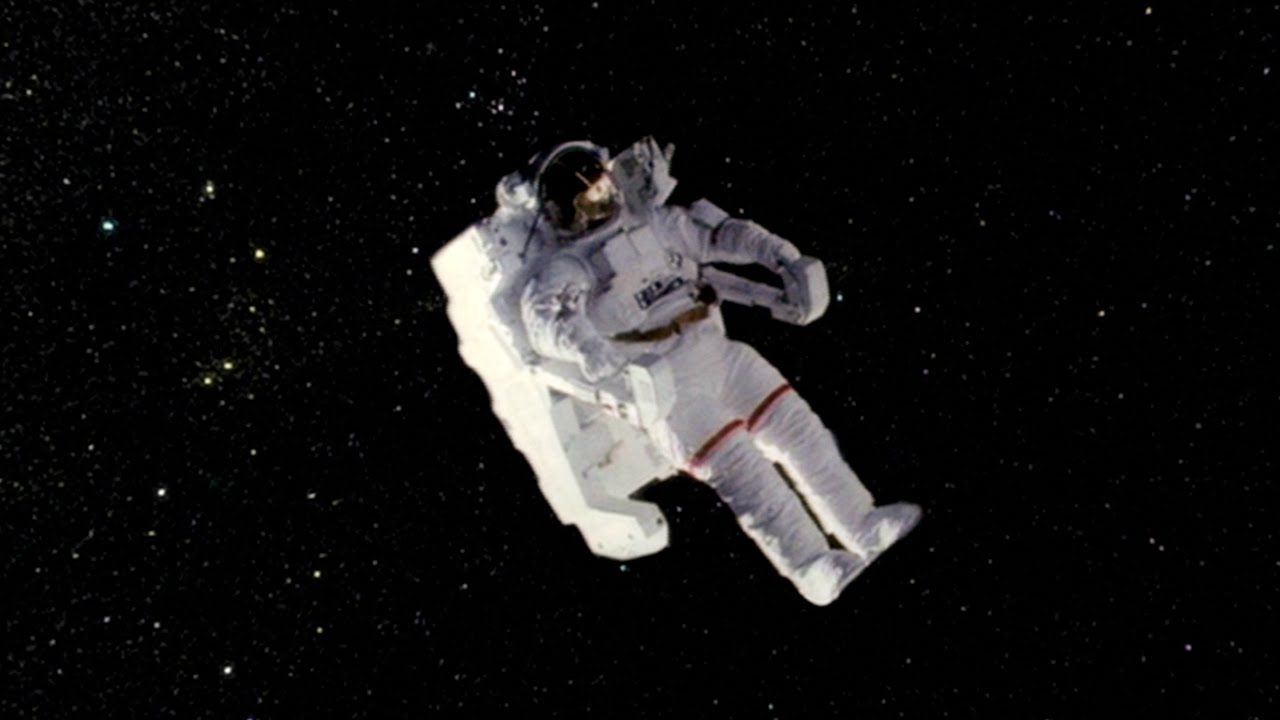
Explore the rigorous training and challenges of becoming an astronaut through the insights of Prof. Dr. Ulrich Walter and stories of legendary space explorers.
Astronomers search for Earth-like planets among four hundred billion stars in our galaxy.
SETI, the Search for Extraterrestrial Intelligence, employs radio and optical telescopes to scan the cosmos for potential signals from alien life.
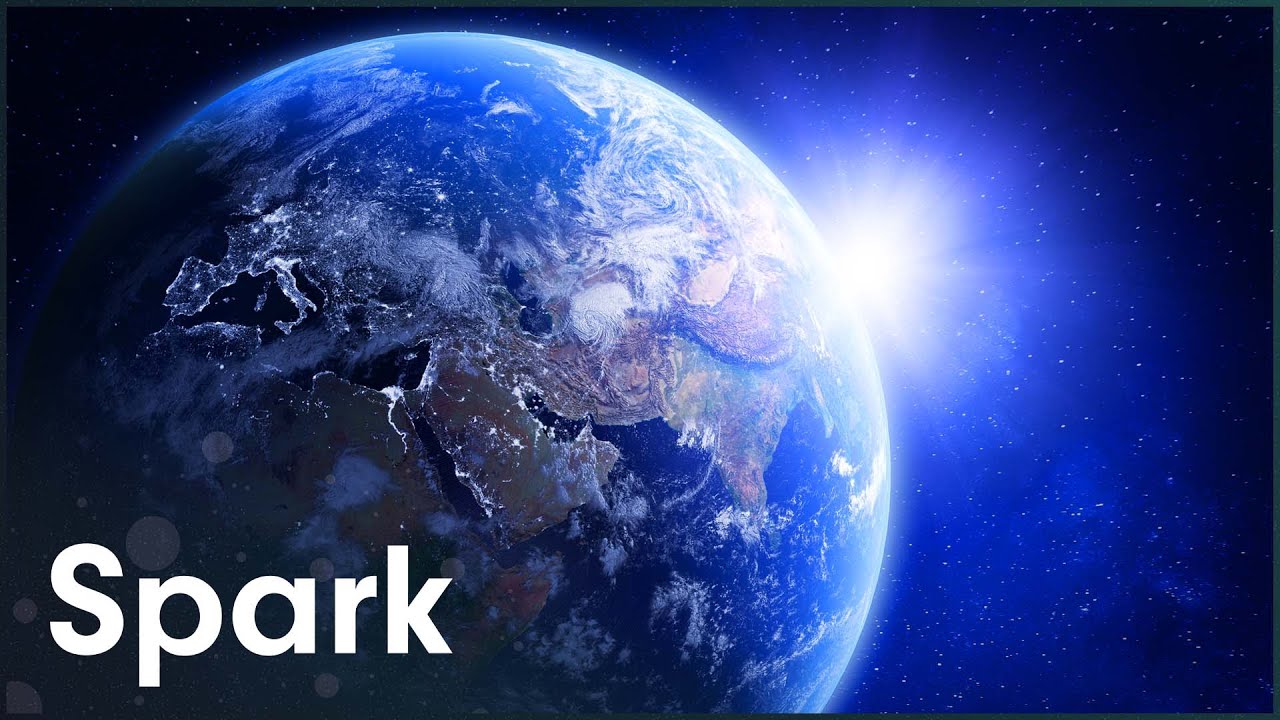
Earth's unique features and optimal position in the Milky Way are illustrated through stunning visuals from NASA and the Hubble Space Telescope Institute.
In 1976, William Shatner narrates a short documentary that explores the sun, planets, black holes, and galaxy formations within the Solar System.
Sixty-five million years after a comet caused mass extinction, astrophysicist Noah Boyle and computer scientist Shiang Yatan monitor a new impending impact from Hawaii.
Japan's Hitomi satellite provides detailed measurements of X-ray gas motion in the Perseus cluster of galaxies, located 240 million light-years away.
BlackBerry's Z10 and OS 10 show promise but struggle against Apple and Samsung's offerings.
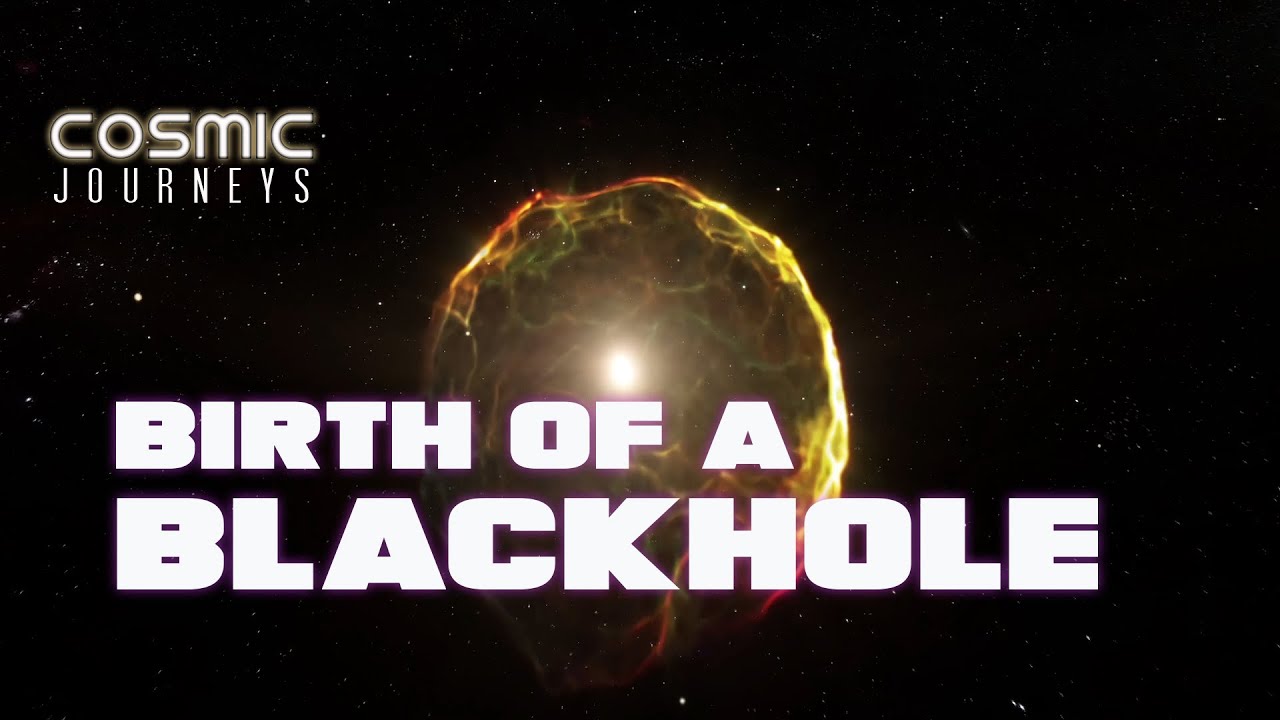
A gamma ray burst lasting four and a half hours signals the violent birth of a black hole as a massive star collapses and is torn apart.
The video highlights the shockingly high potential for life on other planets in our galaxy.
Cosmic rays pose significant challenges for human space travel as Earth faces potential threats like ice ages and pollution, necessitating the search for new habitats.
The Spitzer Space Telescope reveals the imprint of a star's explosive death on the galaxy.
Amprius is developing advanced battery technology to keep pace with the increasing power demands of high-end Android smartphones.
A black hole called Sagittarius A*, located 27,000 light years away, was photographed for the first time by astronomers in 2019.
NASA's James Webb Telescope visualizes star formation in the Eagle Nebula's dense clouds.
Interstellar flight presents significant challenges and technological advancements that could determine humanity's future in space exploration and survival.
Dr.
Herschel Space Observatory and Spitzer Space Telescope showcase the Milky Way's coldest and hottest regions using advanced infrared imaging.
Mobile augmented reality applications like Google Sky Map, Layar, and Ingress are explored for their potential impact on technology and daily life.
The Samsung Galaxy Note II exemplifies the advancements in mobile computing, showcasing its capabilities as a viable alternative to traditional PCs.
A secret government video claims that an alien civilization near Saturn is manipulating conspiracy theories to distract humanity from their true intentions.
Samsung's Galaxy Note 4 features a Snapdragon 805 processor, Adreno 420 graphics, and a 5.7-inch QHD screen, promising advanced performance and display quality.
Scientists have been able to explore the black hole at the center of our galaxy using advanced technology.
The Ford S-Max, around since 2006, receives significant updates for improved performance.
Rotraut Klein-Moquay, a German-French artist, expresses her profound connection to outer space through her captivating artwork, inspired by the energy of the Moon.
They believe our galaxy teems with planets, despite the stars having offered little evidence of life.
Our Sun, a Yellow Dwarf, is 24-26,000 light years from the Milky Way's center.
Super Earths are planets smaller than Neptune and larger than Earth, with unique compositions.
The Lockheed C-5 Galaxy features a unique loading mechanism with a nose cone that swings upward, allowing for efficient cargo transport and rapid deployment.
ColdFustion provides a tutorial on using various Android emulators, including N64oid and FPse, to enhance gaming experiences on Android devices.
NGC 5189, a planetary nebula in our galaxy, showcases a chaotic ribbon-like shape, with insights from the Hubble Space Telescope revealing its formation.
This coming episode of Cosmic Journeys questions if Earth is unique in the galaxy.
Rafi Katchadorian analyzes the procedural generation techniques behind No Man's Sky, a video game that creates a nearly infinite universe for players to explore.














![Film backdrop image for Mobile Augmented Reality Is The Future [ColdFustion TV Ep 2] (2012)](https://i.ytimg.com/vi/jelW5phB2r4/hqdefault.jpg)
![Documentary backdrop image for Must Watch: Android Phone Replaces The PC [ColdFustion] (2012)](https://i.ytimg.com/vi/9nh2NSLgaII/maxresdefault.jpg)