From over 100,000 films, discover the handful you'll love.
Free or premium access to the world's largest documentary library.
120 films(Page 2 of 3)
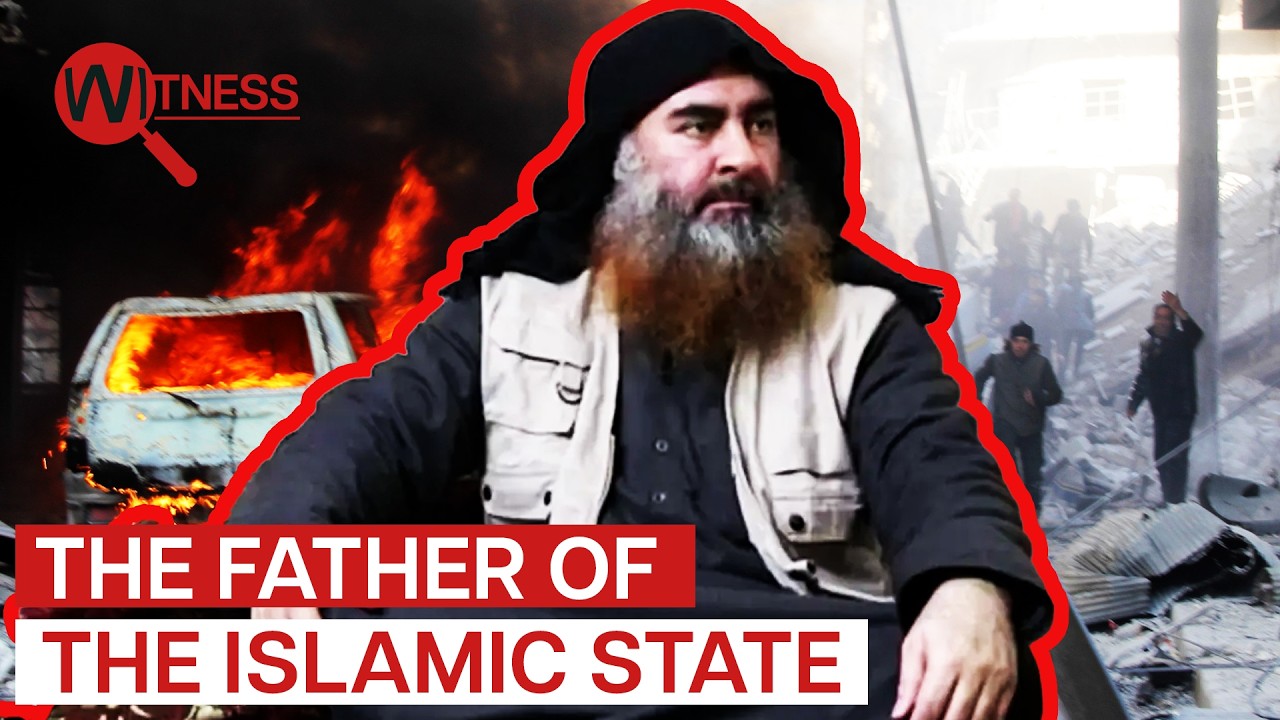
Abu Bakr al Baghdadi's transformation from a wannabe lawyer to the leader of ISIS is explored through interviews with family members and elite Iraqi forces in Iraq, Lebanon, and Jordan.
In Southeast Asia, women are increasingly involved in terrorism, with 80% of suicide bombings attributed to female jihadists in Indonesia, Malaysia, and the Philippines.
The motivations behind the London 7/7 bombers are explored through the perspectives of friends and neighbors, revealing deep-seated feelings of alienation and racism.
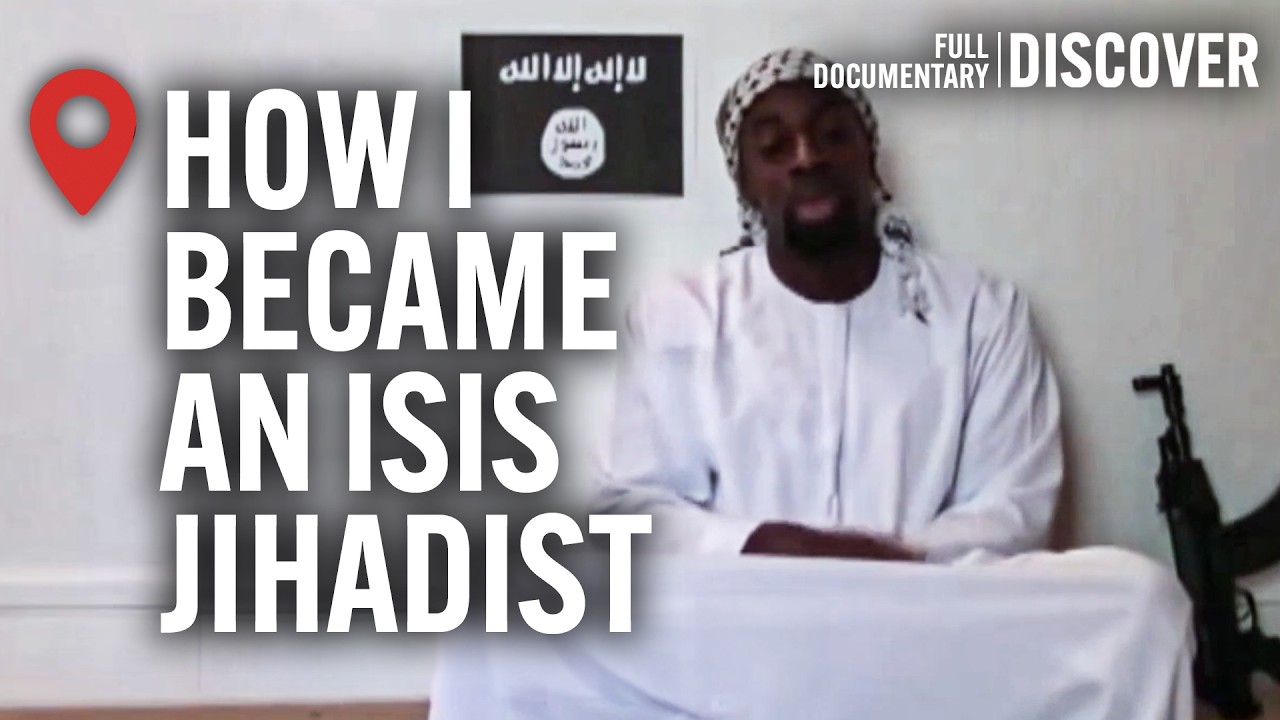
A journalist infiltrated a French ISIS cell for six months, capturing the radicalization and activities of young jihadists preparing for an attack.
Every week, migrants die at sea while attempting to cross the English Channel from France, driven by the need to escape war and conflict.
Hitler, Göring, and Himmler manipulated animal welfare and propaganda to align with Nazi ideology, revealing a complex relationship with nature.
An Arab actor and a Jewish journalist seek belonging in an increasingly extremist Israeli society.
Radicalisation among European youth, particularly children of immigrants, is examined through the lives of the Kouachi brothers and Amedy Coulibaly, revealing complex identity crises.
Boko Haram, notorious for its brutal tactics and the 2014 kidnapping of 276 Nigerian schoolgirls, poses a significant threat to Africa and beyond.
Amedy Coulibaly and the Kouachi brothers exemplify how identity crises and societal fractures can lead European children of immigrants to embrace extremism for ISIS.
Two former skinheads visit concentration camps in Israel to confront their past beliefs and seek redemption for their previous actions.
Southern Philippines serves as a sanctuary for terrorist groups like Jamaah Islamiah and Al Qaeda, as police chief Lito leads efforts to combat extremist networks.
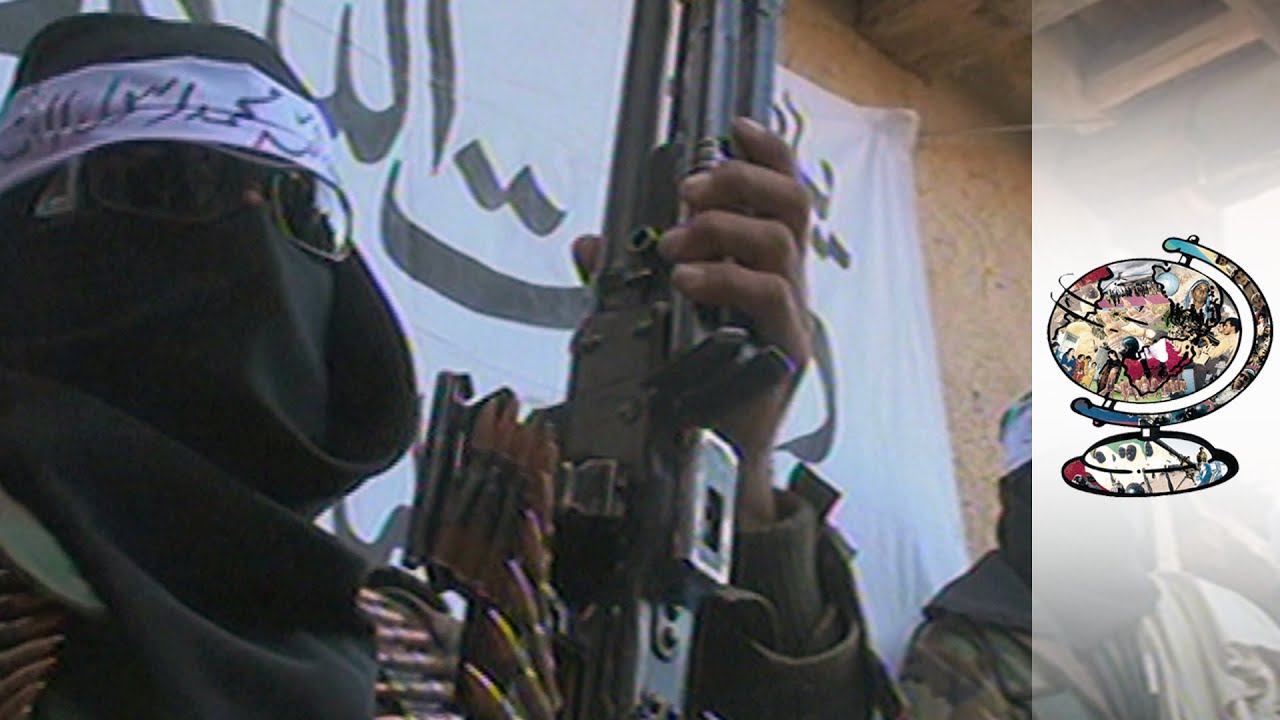
Ahmad Shah Massoud, an Afghan military commander assassinated two days before 9/11, warned Western nations about the Taliban and Osama bin Laden's threat.
A controversial program in Denmark aims to rehabilitate radicalized youth by offering support instead of ostracism, raising questions about its effectiveness.
On March 20, 1995, Aum Shinrikyo cult members released sarin gas in the Tokyo subway, resulting in 13 deaths and over 5,000 injuries in a coordinated attack.
Malaysia's increasing connections to global terrorism raise concerns, particularly regarding funding channels and the country's controversial residency decisions for known terrorists.
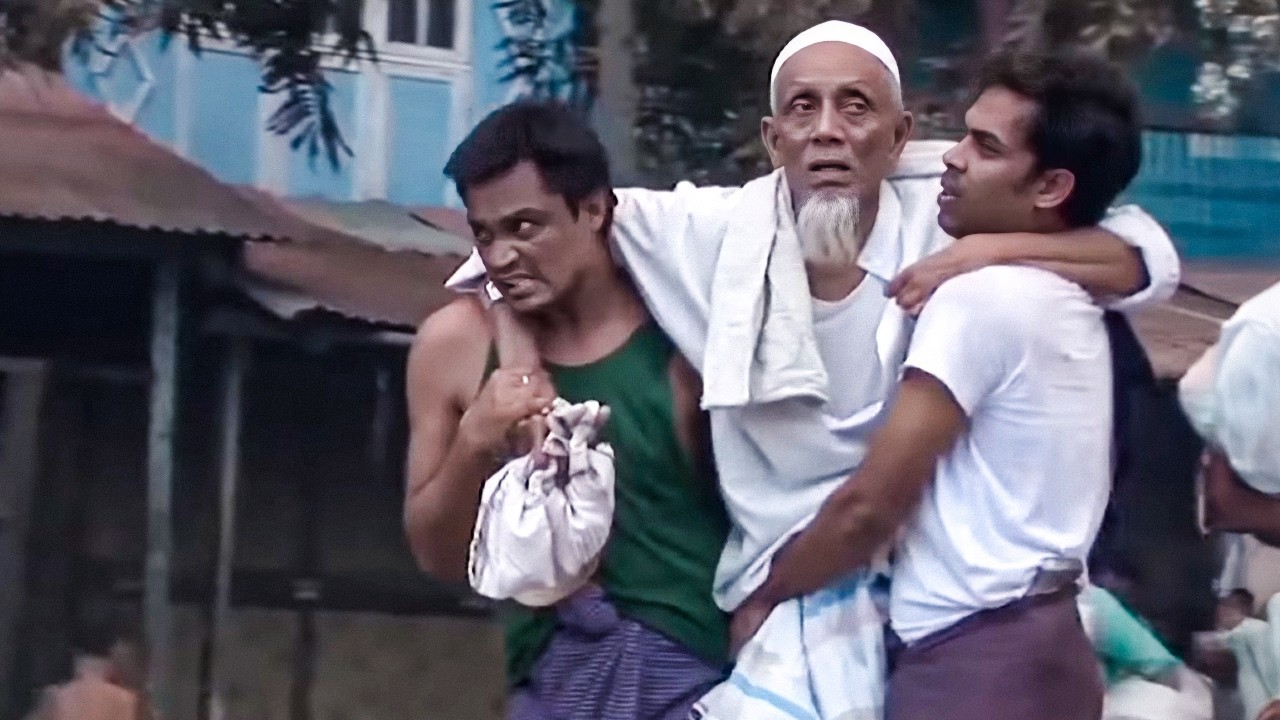
Religious intolerance in Bangladesh poses a significant threat to minorities, raising concerns about the country's democratic future amid ongoing human rights violations.
Arab extremists in the Philippines plotted in 1995 to assassinate the Pope and use aircraft as flying bombs against American targets.
A young woman in a Catholic family attempts to persuade her brother against pursuing a life as a priest, highlighting familial and religious tensions.
Skinheads represent one of the fastest growing hate groups in America, actively promoting violence and racial purity as part of the White Power movement.
The rise of the Greek Nazi party Golden Dawn, its collaboration with German Neo-Nazis, and the subsequent societal impact in Greece highlight the dangers of fascism in Europe.
Ashin Wirathu's rise in Myanmar exemplifies the troubling blend of Buddhist nationalism and religious extremism, leading to increased ethnic violence and persecution.
The Ku Klux Klan, under leaders like Thomas Robb and Ron Edwards, has seen a resurgence in violent activities and partnerships with extremist groups.
Terrorism, defined as calculated violence for political ends, is examined through its historical context and the complexities of categorizing and responding to it.
In the UK, a notorious cell of animal rights activists engages in extreme actions, raising questions about the morality of their methods and culminating in a significant crime.
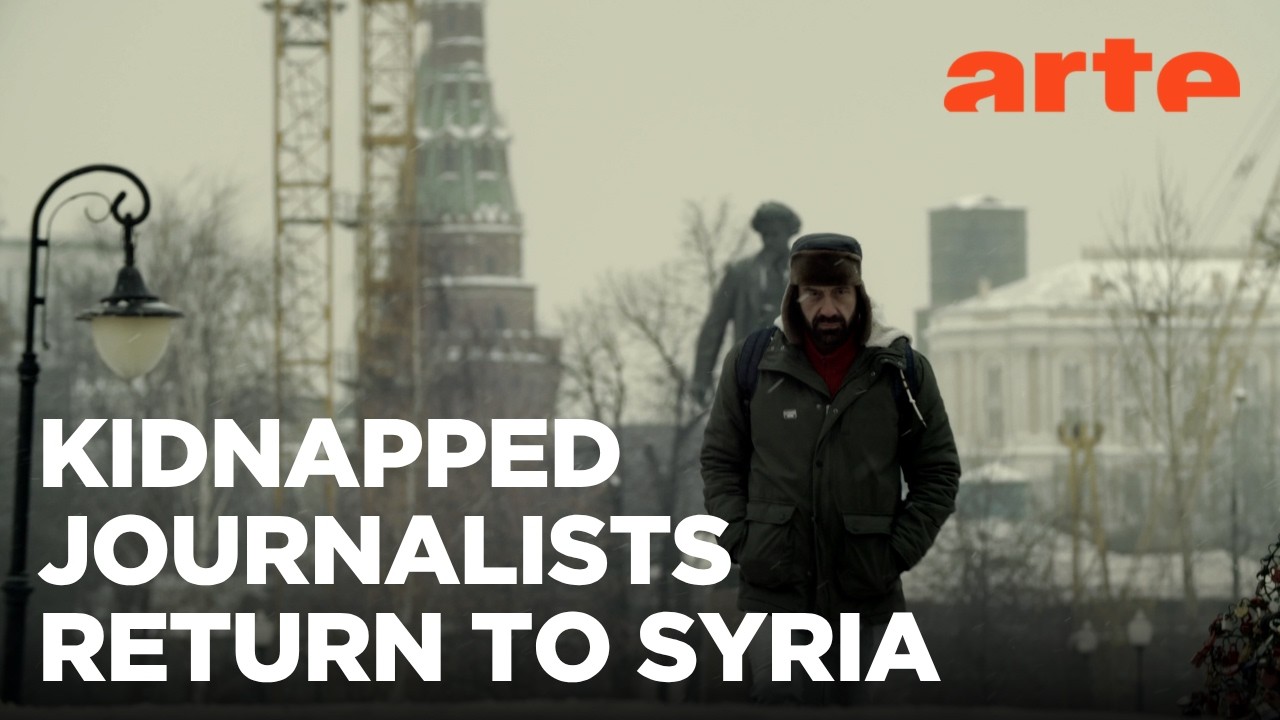
In 2013, nineteen journalists and humanitarian workers were kidnapped by Islamic State in Raqqa, with Marc Marginedas recounting his experience of survival.
Adel Al-Jubeir discusses Wahhabism's link to extremism in Saudi Arabia and blames Iran.
Over 7,000 people died in the Philippines' war on drugs within a year of its launch in 2016, with most victims being minor drug offenders and addicts.
Abu Hamza gives his last sermon at Finsbury Park Mosque before his arrest in 2004.
Trump's election was described as a manifestation of a grievance-fueled backlash to a black president and demographic change in America.
Saudi Arabia and Arab nations sever ties with Qatar over extremism claims.
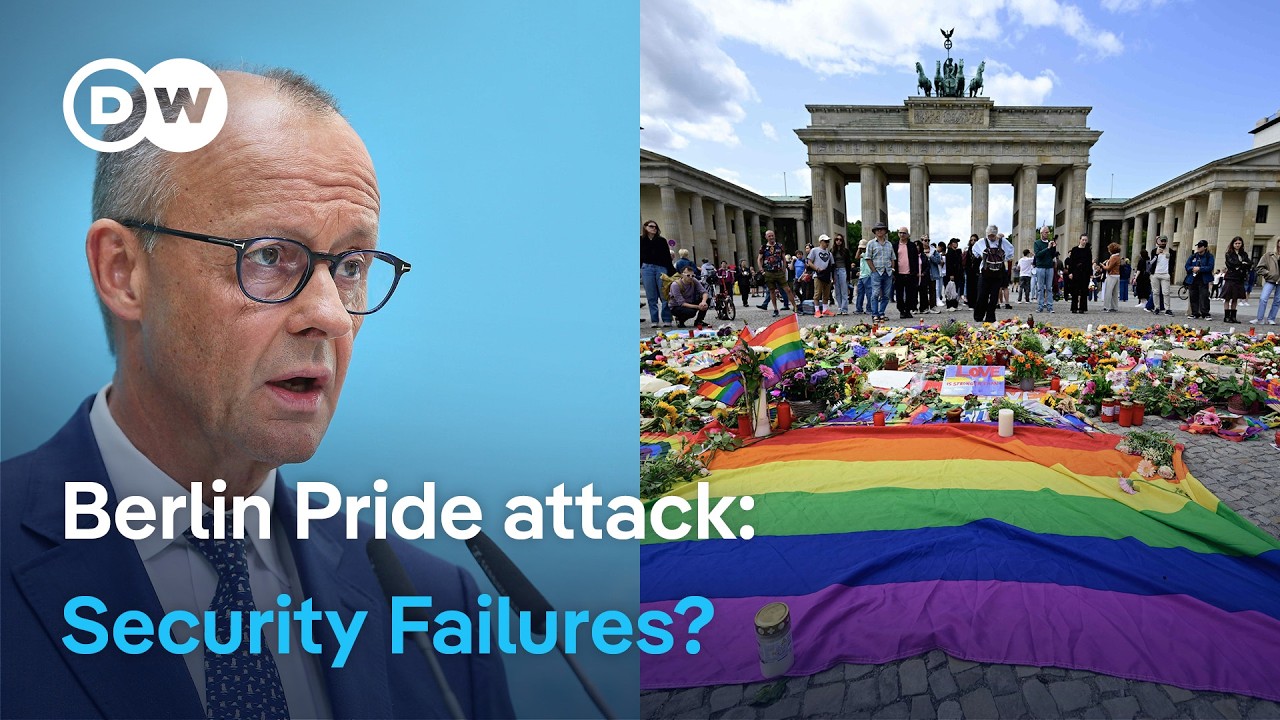
Berlin's Christopher Street Day Pride celebrations faced a deadly attack, prompting Chancellor Friedrich Merz to address security concerns and potential political consequences.
Abdul B., a German-born citizen with a history of extremism, was deemed unfit for deradicalization before allegedly attacking Berlin's Pride parade, resulting in one death and 29 injuries.
A former British jihadi recounts his disillusionment with ISIS after initially being drawn to Syria by the group's romanticized portrayal of jihad.
Children living in ISIS-controlled areas are systematically recruited and indoctrinated to become the next generation of fighters for the organization.
An attempted coup in Germany last December reveals the rise of the Reichsbürger group.
In March 2006, Morocco's government promotes female priests to combat extremism in Islam.
Far-right protesters, fueled by opposition to pandemic policies, attempted to storm the Reichstag in Berlin, prompting condemnation from President Frank-Walter Steinmeier.
Militant Hindu extremists, known as Saffron Warriors, perpetrate violence against Muslims in Gujarat, exemplified by an acid attack on a Muslim woman.
Forty-nine lives were lost in the Christchurch mosque attacks, prompting deep shock and shame in Australia, particularly as the main suspect is an Australian citizen.
The battle in Marawi displaced 360,000 people and resulted in over a thousand deaths, exposing the Philippines' vulnerability to extremism.
Indonesia's transgender community faces threats from Muslim extremists amid rising intolerance.
Weapons like knives are often more accessible than mastering MMA techniques for members of far-right fight clubs preparing for political violence.
Daryll Illume highlights the Deoband madrasa's history and its impact on Islamic education.
Isis women in al Hol camp pose a growing threat to security and radicalize others.
Emily never imagined her son joined a prominent Neo-Nazi group in Australia.
A terrorist attack in Wisconsin prompts urgent calls for change in addressing Islamist threats.
Two radical groups in East London, one advocating for Sharia law and the other promoting anti-Muslim sentiment, clash in a violent turf war.