From over 100,000 films, discover the handful you'll love.
Free or premium access to the world's largest documentary library.
574 films(Page 2 of 12)
In the heart of Austria, the stunning landscapes of the Alps feature rivers, lakes, and ice-clad peaks alongside cultural centers once favored by monarchs.
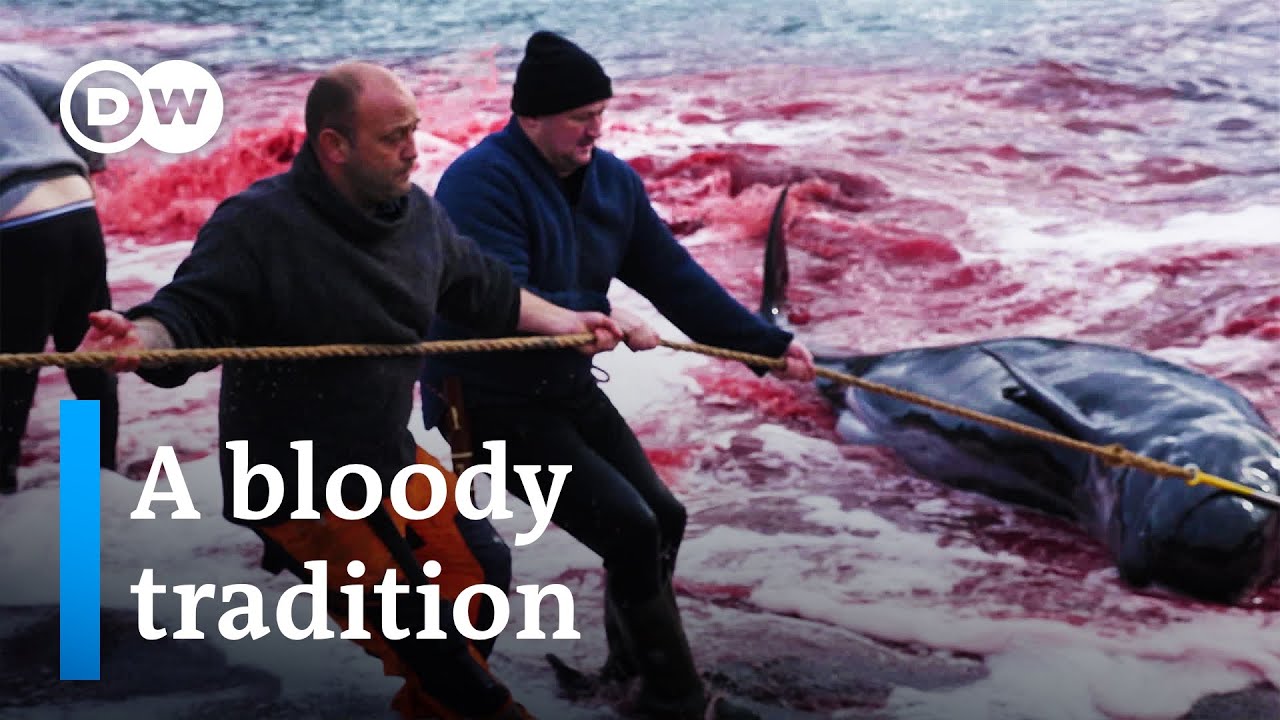
In the Faroe Islands, the Grindadráp results in the annual slaughter of hundreds of pilot whales and dolphins, highlighting a complex human-marine life relationship.
At 22, Genevieve Lacey left Australia for Europe to pursue her dream of becoming a recorder virtuoso, facing challenges and self-doubt along the way.
Romania, the most dangerous country in Europe for road accidents, faces alarming statistics and reckless driving behaviors that threaten road safety.
In Poland's Biebrza National Park, the seasonal transformations of the Biebrza River wetlands reveal the intricate lives of diverse wildlife, from migrating geese to predatory sea eagles.
Post-World War 2 Europe faced immense challenges in rebuilding cities, addressing displaced persons, and navigating the tensions that led to the Cold War.
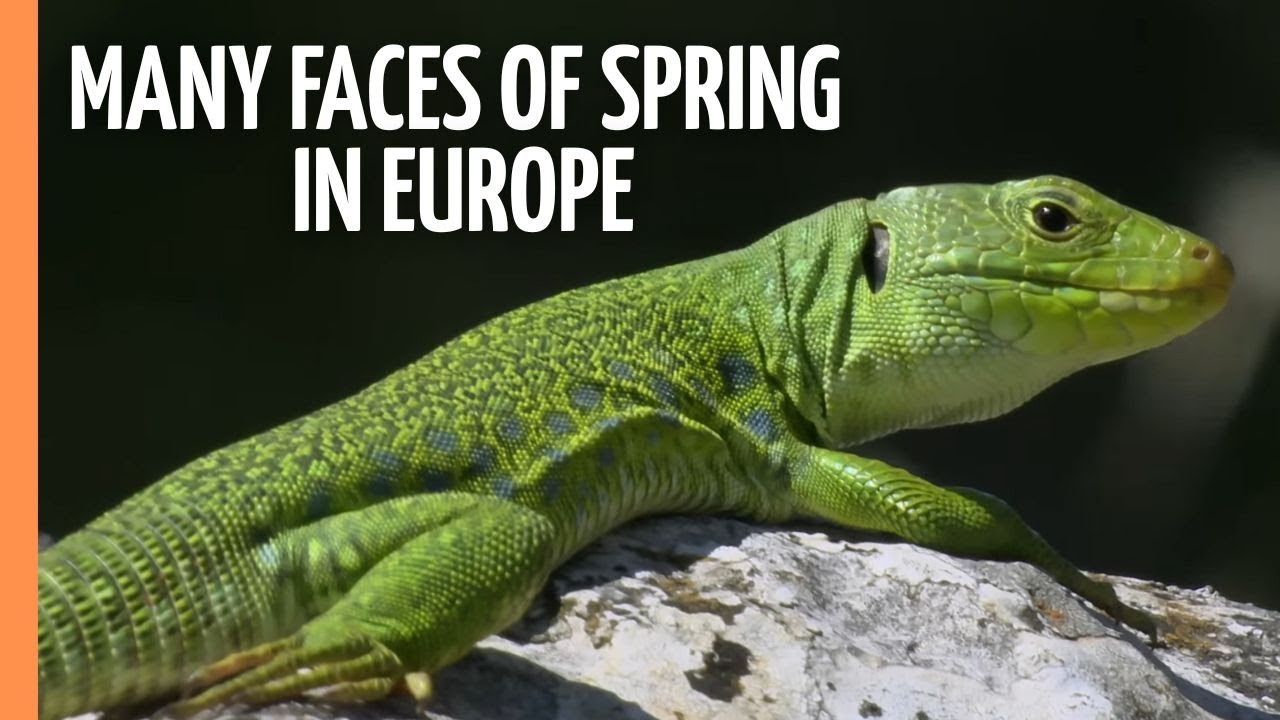
5,000 kilometers of springtime transformations unfold across Europe, from the Alps to the Arctic, revealing diverse climates and ecosystems.
Chris Horsley inspects Katla in Iceland to install an early warning system for the volcano.
Relive Germany's unconditional surrender and VE Day celebrations captured by George Stevens.
Germany consumes five kilograms of berries per capita annually, relying on imports from Southern Portugal.
The World Wars significantly weakened European monarchies, leading to the decline of royal power and reshaping the continent's political landscape, as analyzed by historians Dan Snow and Suzannah Lipscomb.
40 million men, women, and children lost their lives during World War II, leaving Europe in ruins and facing the daunting task of rebuilding.
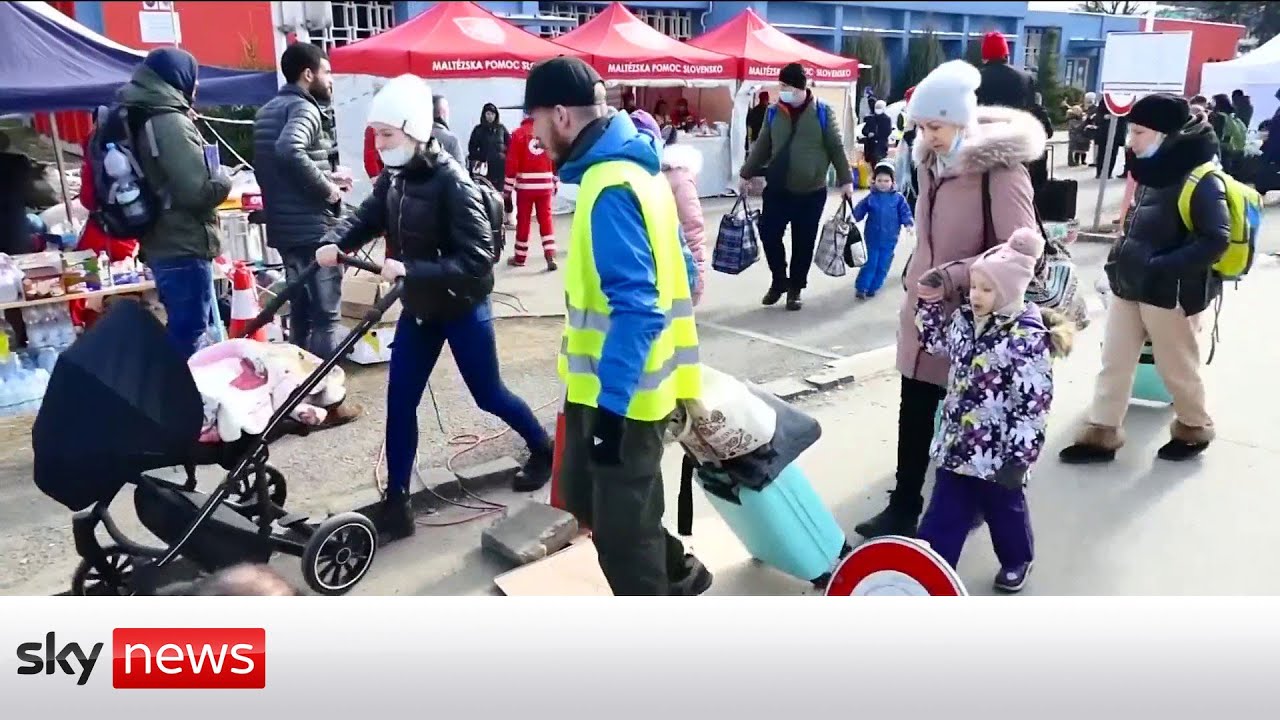
President Zelensky reports 13,000 evacuations as Russia intensifies attacks on Ukraine.
Lenka's two-decade struggle with methamphetamine addiction highlights the personal and societal impacts of the drug crisis in the Czech Republic, Europe's largest producer.
The bald ibis, once common in southern Central Europe and Turkey, faces extinction, with only dwindling populations remaining in Morocco and Arabia.
Vultures return to Europe after near extinction, facing ongoing threats in Germany, Spain, and France.
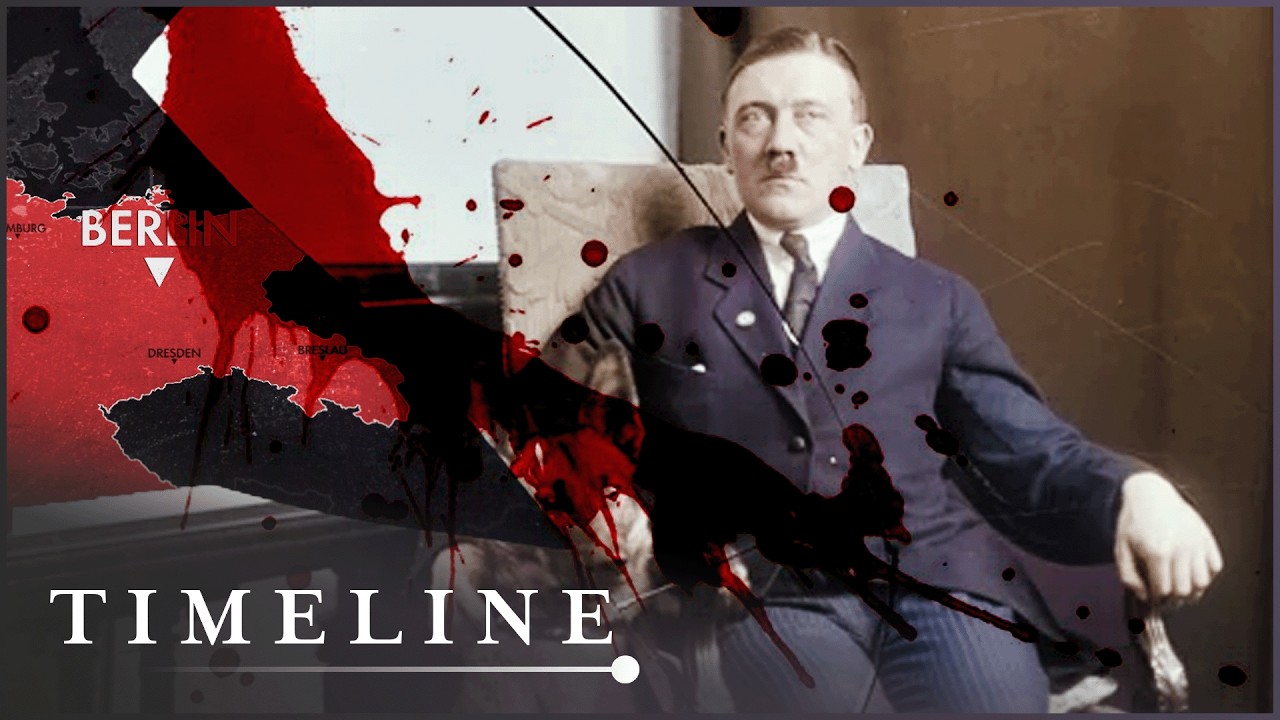
After the First World War, Hitler's power becomes absolute in Germany from 1933 to 1935.
Shetland Islands feature the highest density of otters in Europe, narrated by Brydon Thomason.
The Act of Germany's Capitulation was signed in Berlin on May 8, 1945, marking the end of World War II in Europe.
The Mediterranean Basin, a biodiversity hotspot, showcases unique ecosystems and highlights the urgent need for conservation amid human impact over 8,000 years.
The Sava floodplains in Croatia represent a rare ecosystem where natural river landscapes coexist with cultivated land, covering approximately 100,000 hectares.
Chris Horsley investigates Mount Etna's heightened volcanic activity and its implications.
People celebrate autumn and winter traditions, including fishing in Japan and honey collection in Bashkiria.
Temperatures in Spain reach 20 degrees Celsius as spring awakens wildlife and transforms landscapes from the Mediterranean to the high mountains.
Sky News Breakfast covers the shelling of Ukraine's biggest nuclear power plant amid the conflict.
Over 100 times more radiation was released during the Chernobyl nuclear accident than the atomic bombs dropped on Hiroshima and Nagasaki.
Pilots at the Royal Canadian Air Force's number three fighter wing in West Germany average under 24 years old and fly aircraft worth a quarter of a million dollars each.
Temperatures in Spain reach 20 degrees in January as spring awakens, bringing life to the land and stirring cranes to their feeding grounds.
The Ruhr Area in Germany transforms as wildlife returns to abandoned industrial sites.
The Limes were heavily fortified borders in Europe protecting against barbarian invasions.
East Germany's emergency command centers and Albania's underground networks illustrate the extensive preparations made by European governments for potential nuclear conflict during the Cold War.
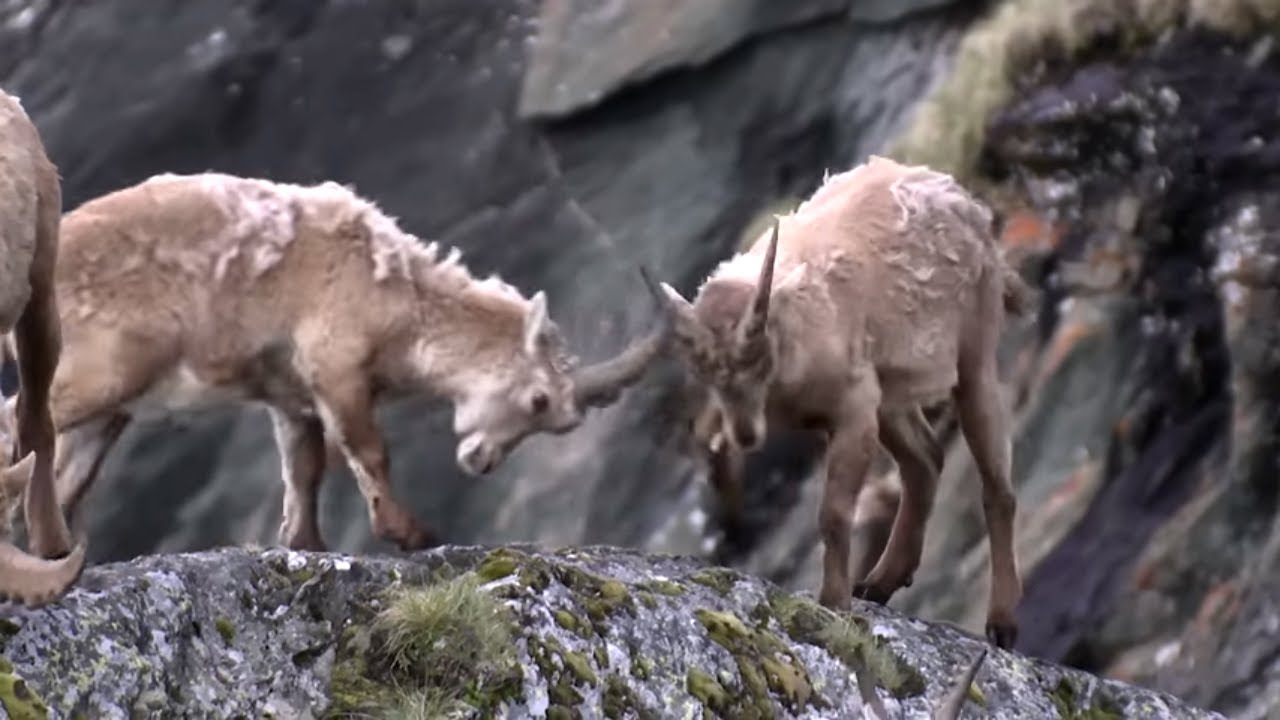
In the mountains of South Tyrol, the Alpine Ibex and diverse wildlife thrive in their natural habitats, highlighting the need for conservation of these pristine landscapes.
Refugees Amjad, Omar, Zena, and Shahinaz navigate life in Europe while connected to Syria.
The panel discusses tourism recovery post-pandemic, focusing on Europe and insights from Jane in China.
Spain serves as a critical gateway for drug trafficking into the European Union, with 70% of marijuana entering Europe through its southern regions.
Aboard the International Space Station, French astronaut Thomas Pesquet and his colleagues conduct experiments to prepare for future long-duration missions to Mars.
France's annual Bastille Day Parade features various military regiments, including foreign troops, with President Emmanuel Macron hosting leaders from The Coalition of The Willing.
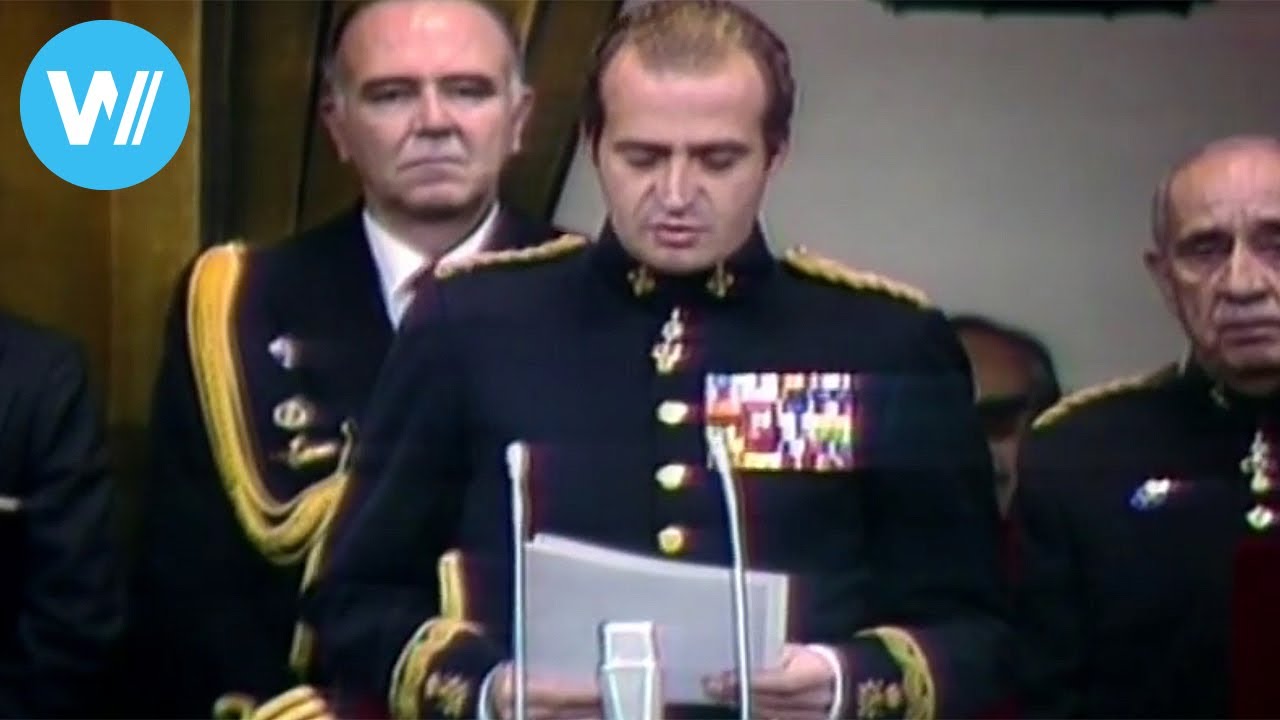
In 1981, Juan Carlos I faced an attempted coup that tested his commitment to democracy and his role as Spain's constitutional monarch.
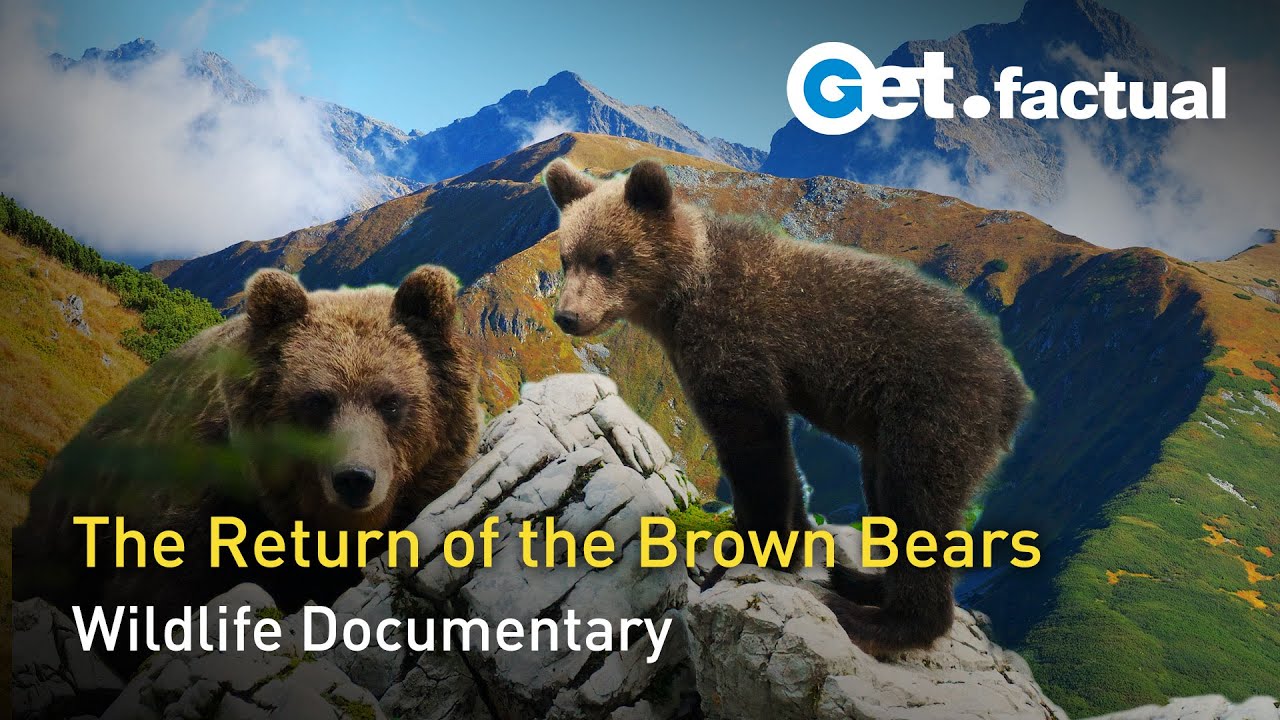
The reintroduction of brown bears in Europe highlights the complexities of wildlife conservation and the challenges of coexistence with local communities.
In Munich, Germany, one of Europe's most advanced train factories assembles the Vectron electric locomotive, a 90-ton 'rolling data center' with 36 kilometers of cable.
The North and Baltic Seas are explored through unique wildlife moments, including the Ghost Forest in Germany's Mecklenburg and rare footage of a Gotland grass snake.
Refugees Amjad, Omar, Zena, and Shahinaz navigate life in Europe while staying connected to Syria.
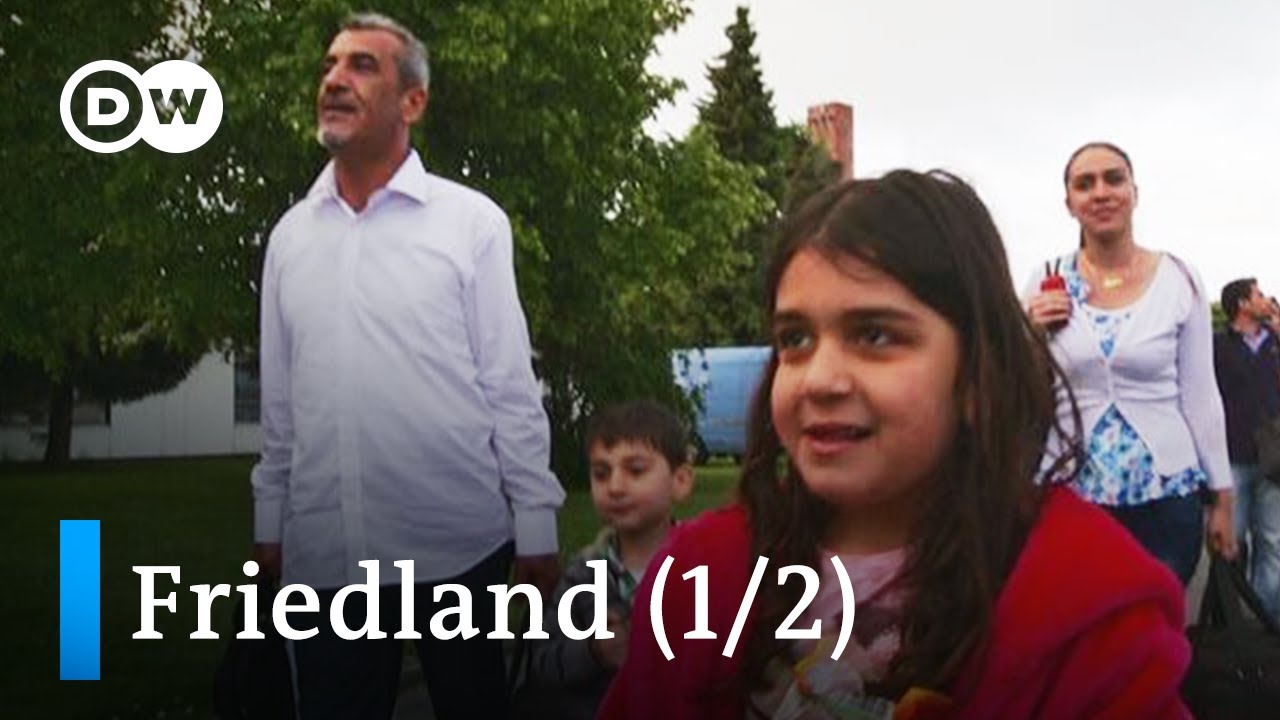
Friedland refugee camp offers hope and support for millions seeking safety in Europe.
Airbus's A350 factory in Toulouse showcases the assembly of a $300 million aircraft, highlighting precision engineering and innovative manufacturing techniques.
Anthony Bourdain travels through various European countries, highlighting their unique culinary traditions and cultural landmarks in a celebration of the continent's heritage.
Shell’s refinery in Rotterdam processes crude oil into fuels while adapting to future energy demands.
Inside Sellafield reveals the controversy of Europe's most hazardous nuclear site in Britain.
Ursula von der Leyen analyzes how the ongoing Middle East conflict influences the European Union's policies and strategic responses.