From over 100,000 films, discover the handful you'll love.
Free or premium access to the world's largest documentary library.
52 films(Page 1 of 2)
One narrow gauge steam railway remains operational in a mountainous region of Sichuan, where no roads or cars exist.
An earthquake of magnitude 8 or higher releases as much energy as a billion tons of TNT, posing a significant threat to densely populated cities.
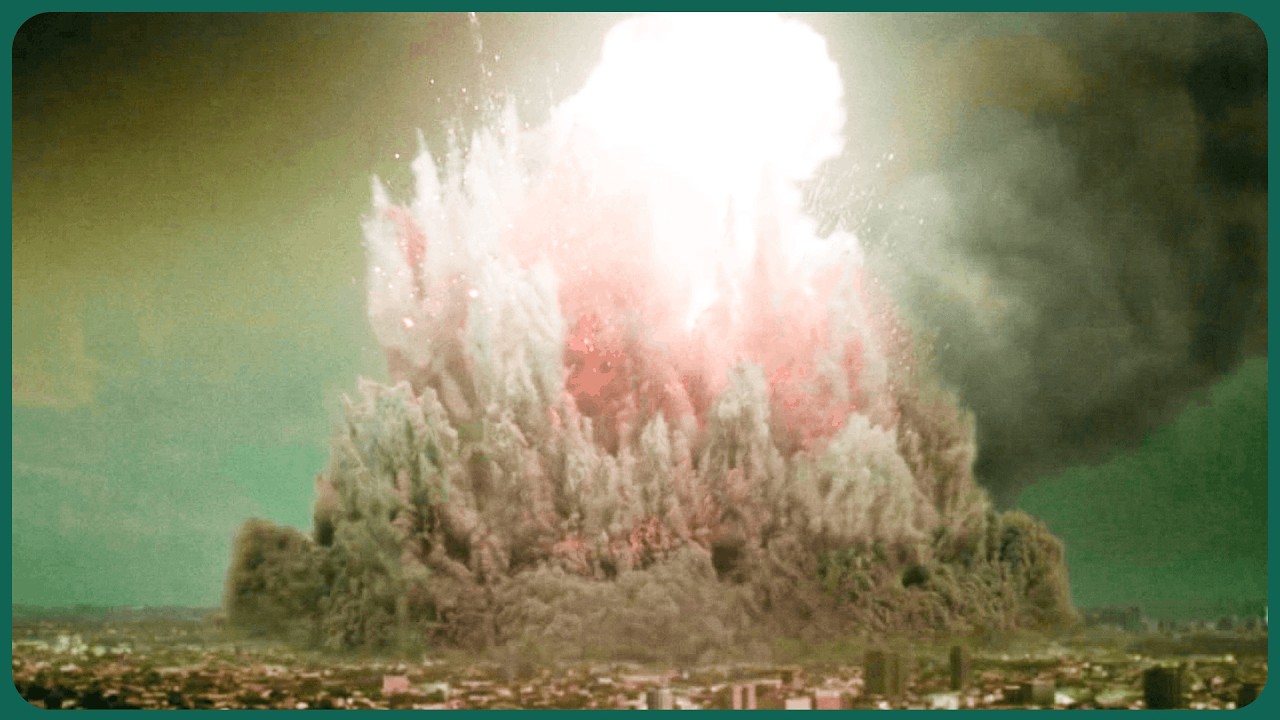
Yellowstone National Park, home to the world's largest volcanic system, experienced a catastrophic eruption 6,000 years ago that covered 3,000 square miles in ash and lava.
The Marianas Trench is the deepest place on earth, deeper than Mt. Everest is high.
60,000 tons of steel and 260,000 cubic meters of concrete are used to construct the Shanghai World Financial Center, which stands nearly 500 meters tall.
This disaster documentary highlights volcanic eruptions and earthquakes' devastating impacts.
In 1906, San Francisco experienced a catastrophic earthquake that reshaped the city and highlighted the vulnerabilities of urban infrastructure.
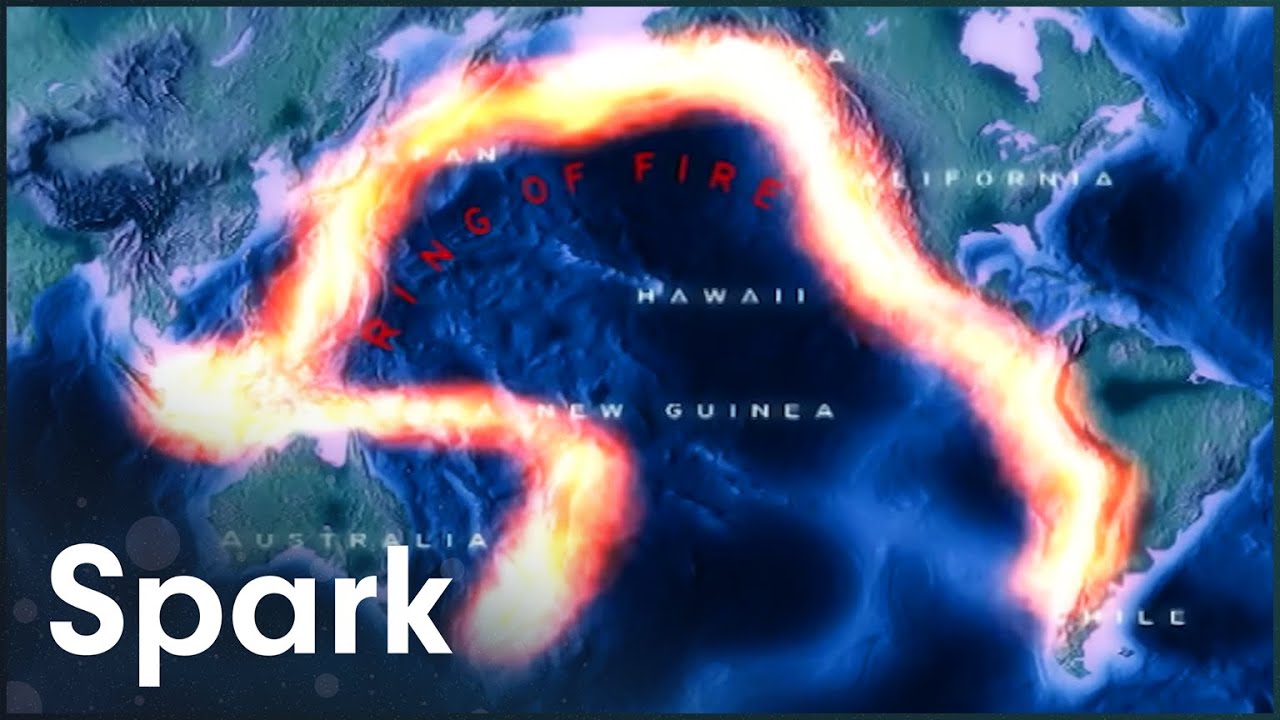
The Pacific Ring of Fire, home to half of the world's active volcanoes and 90% of earthquakes, poses significant risks to nearly 800 million residents.
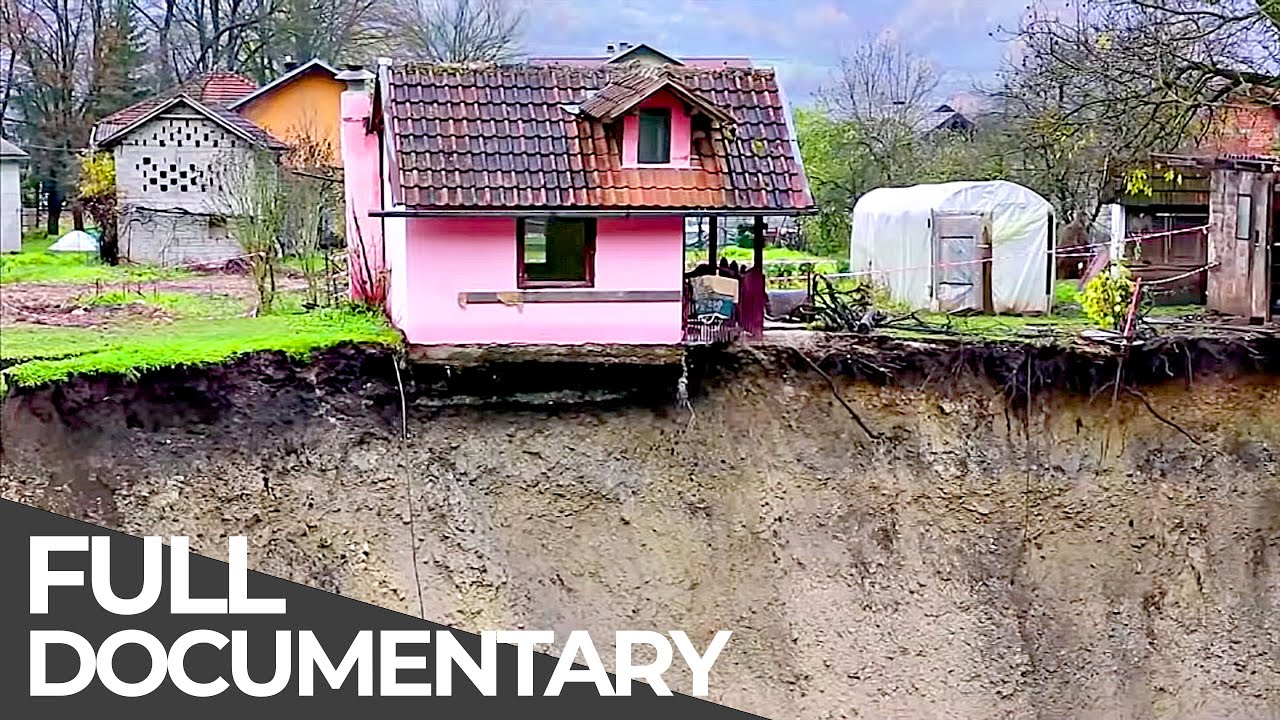
Geological disasters, including heat waves in New Delhi and landslides, can cause significant casualties and suffering, rivaling more catastrophic events like earthquakes and volcanoes.
Three Hungarian Vizslas remain frozen in mid-step for four minutes during a hike in July 2020, prompting speculation about their unusual behavior.
Scientists analyze the potential for a catastrophic 10.0 megaquake, examining its possible locations and the implications for global safety.
More than half the UK is now available for shale gas exploration as the government pushes forward with fracking despite community opposition.
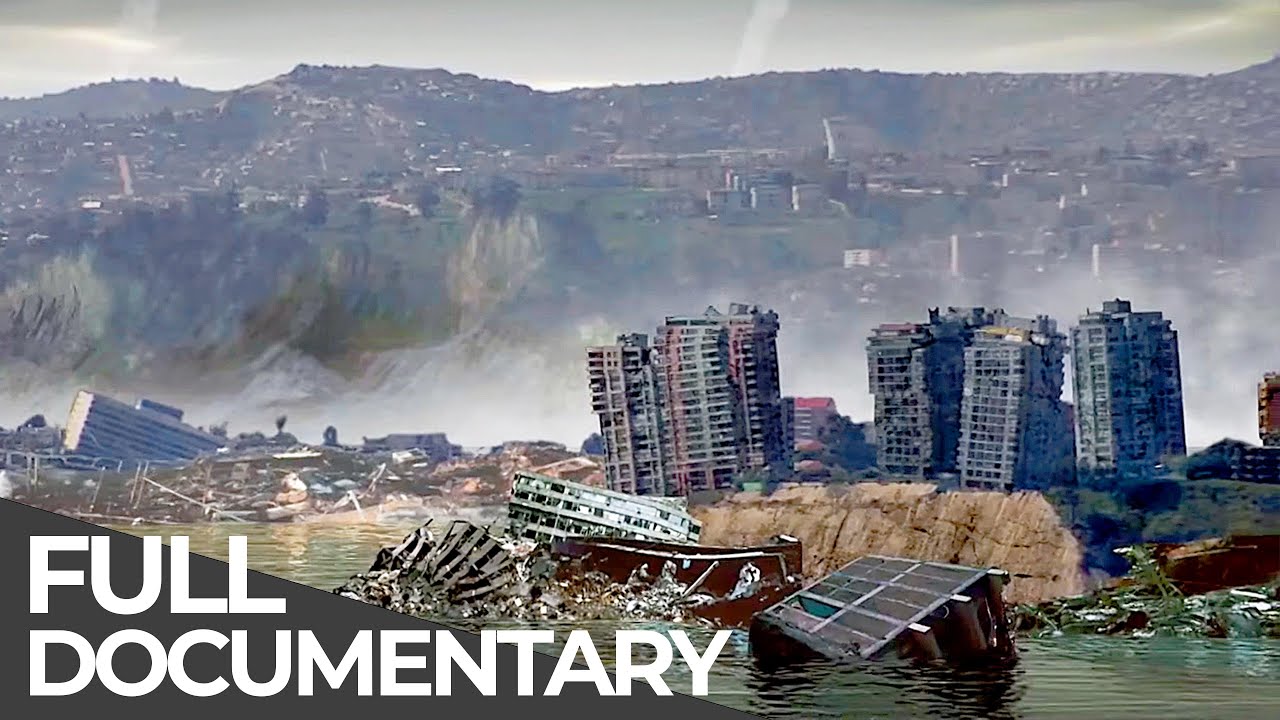
A series of landslides in Venezuela buried an estimated 30,000 people and destroyed a 100-kilometer stretch of coastline.
More than 40 million tons of toxic mud poured over the region of Mariana, Brazil, after a dam collapse in 2015, resulting in 19 deaths.
El Niño, a weather phenomenon occurring every two to seven years, caused 24,000 deaths and $34 billion in damages globally between 1997 and 1998.
Abrupt climate change could lead to catastrophic winters in North America and parts of Europe, raising concerns among experts about a potential "big chill."
Professor Nick Eyles explores the Pacific Ring of Fire, revealing the science behind its active volcanoes, tectonic plates, and the history of mega-quakes.
Over 100 major tsunamis have struck in the past century, killing hundreds of thousands and causing billions in damages.
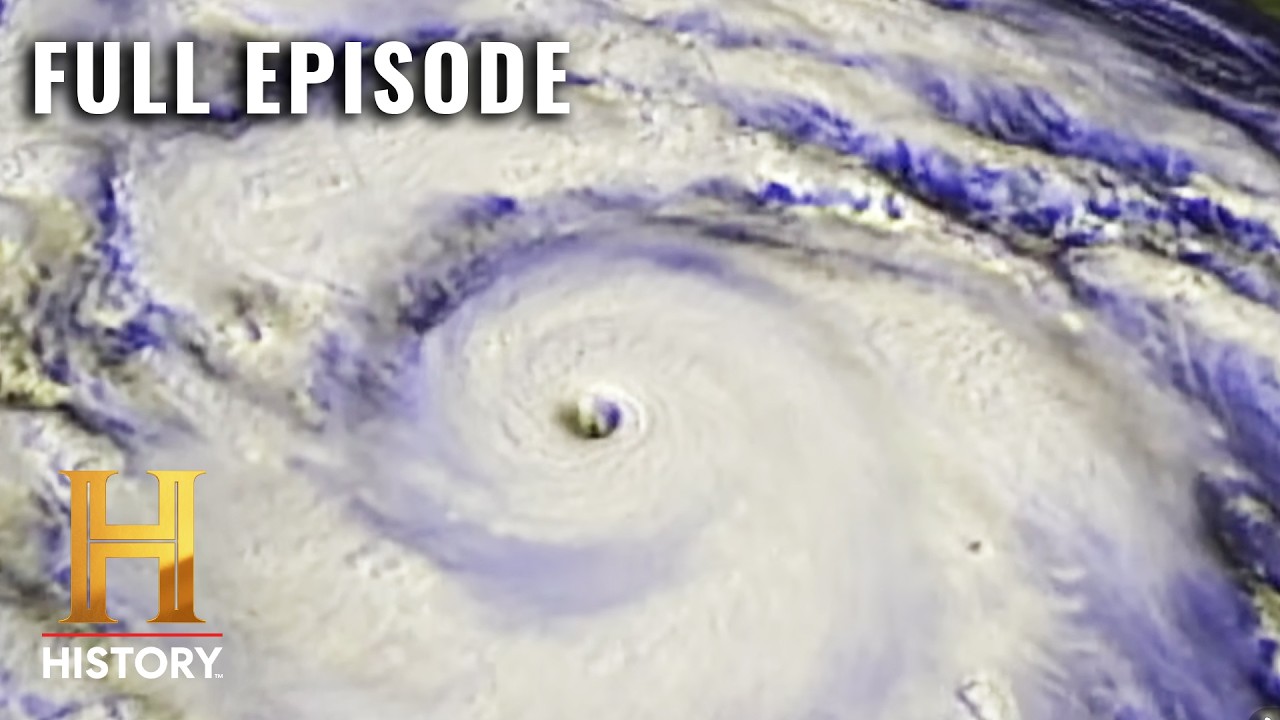
A Category 3 hurricane striking New York City would result in catastrophic storm surges and intense winds impacting one of the world's most densely populated areas.
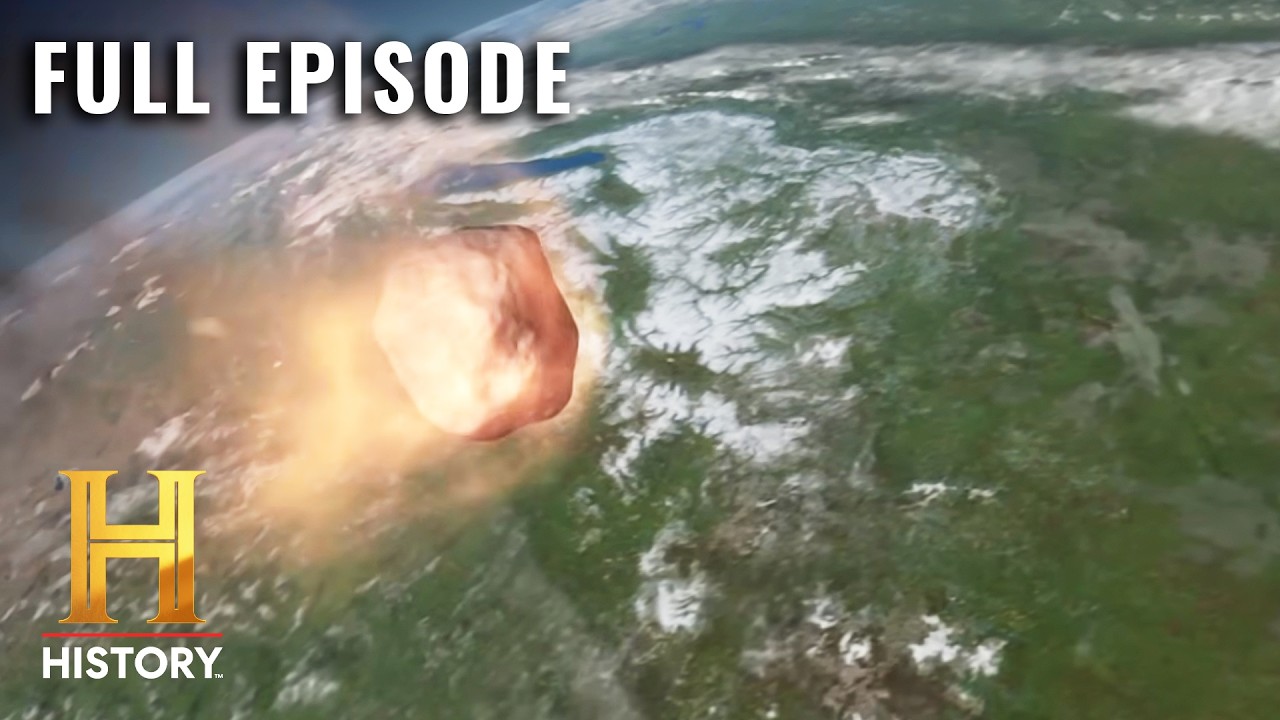
In 2026, scientists assess the potential threat of a catastrophic asteroid impact on Earth, similar to the event that led to the extinction of the dinosaurs.
In the Mediterranean region, geologist Dr Iain Stewart examines the seismic activity in Greece, Turkey, and Jordan, revealing its impact on human history and geology.
Seismic activity along the Pacific Ring of Fire reveals the mechanics of tectonic plates and the devastating effects of earthquakes, including the 9.5 magnitude quake in Chile.
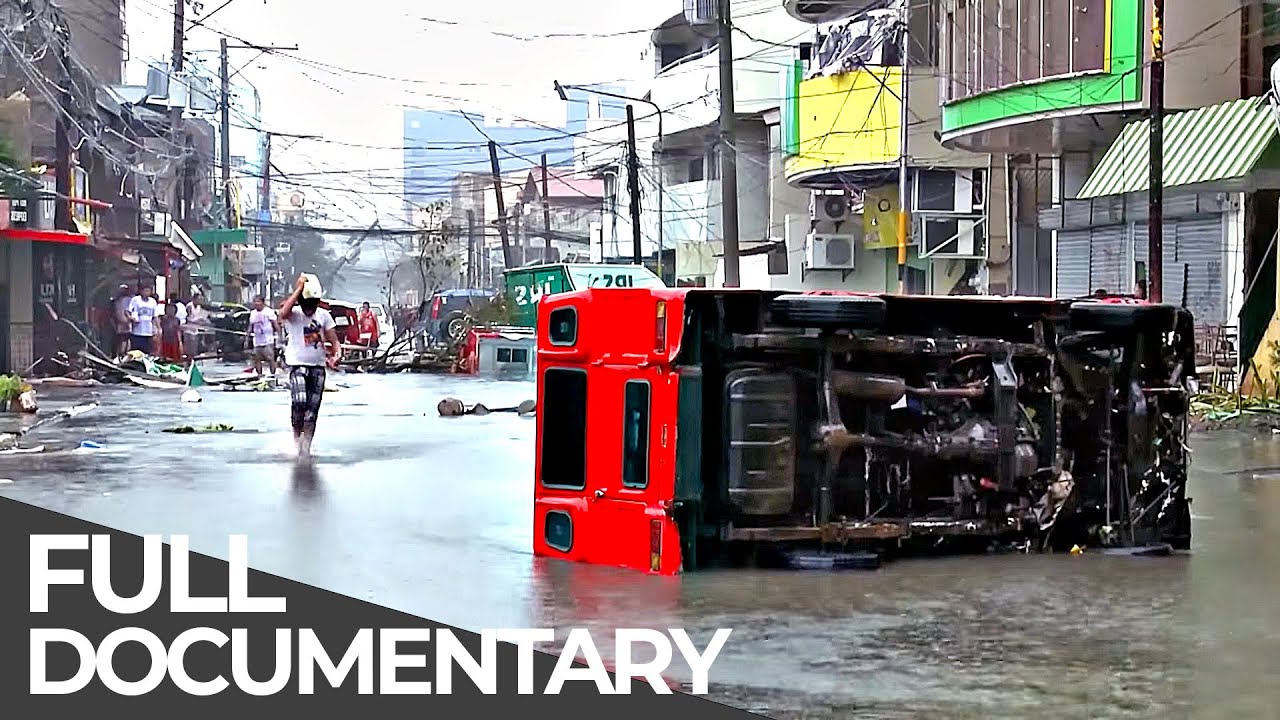
Natural disasters in 2017, including hurricanes, earthquakes, and wildfires, caused widespread destruction and loss of life, highlighting their increasing intensity.
Extreme weather events, including storms, earthquakes, and tornadoes, are examined through scientific explanations and data-driven insights.
An asteroid weighing 200 million tons could strike Earth at 50 times the speed of sound, unleashing an explosive force of 100 million megatons of TNT.
Natural disasters like earthquakes, tsunamis, and volcanoes in New Zealand are examined through expert interviews and field-testing to reveal scientific predictions.
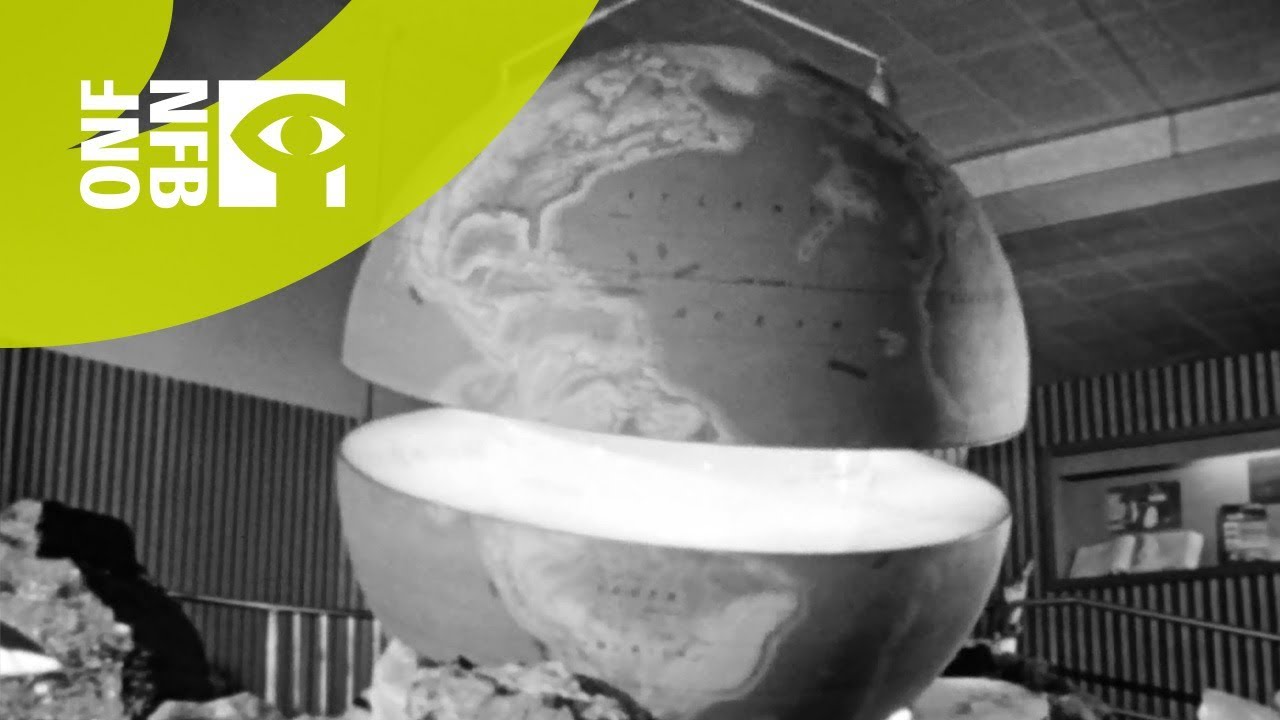
Geophysicist J. Tuzo Wilson discusses Earth's structure and the significance of earthquakes at Georgian Bay, emphasizing curiosity and education at the 2018 World Science Festival.
For every barrel of oil produced in the Permian Basin, three to five barrels of toxic wastewater are generated, contributing to environmental hazards.
Santorini faces ongoing seismic threats as a series of earthquakes since January 2025 prompts evacuations and challenges for residents and tourists alike.
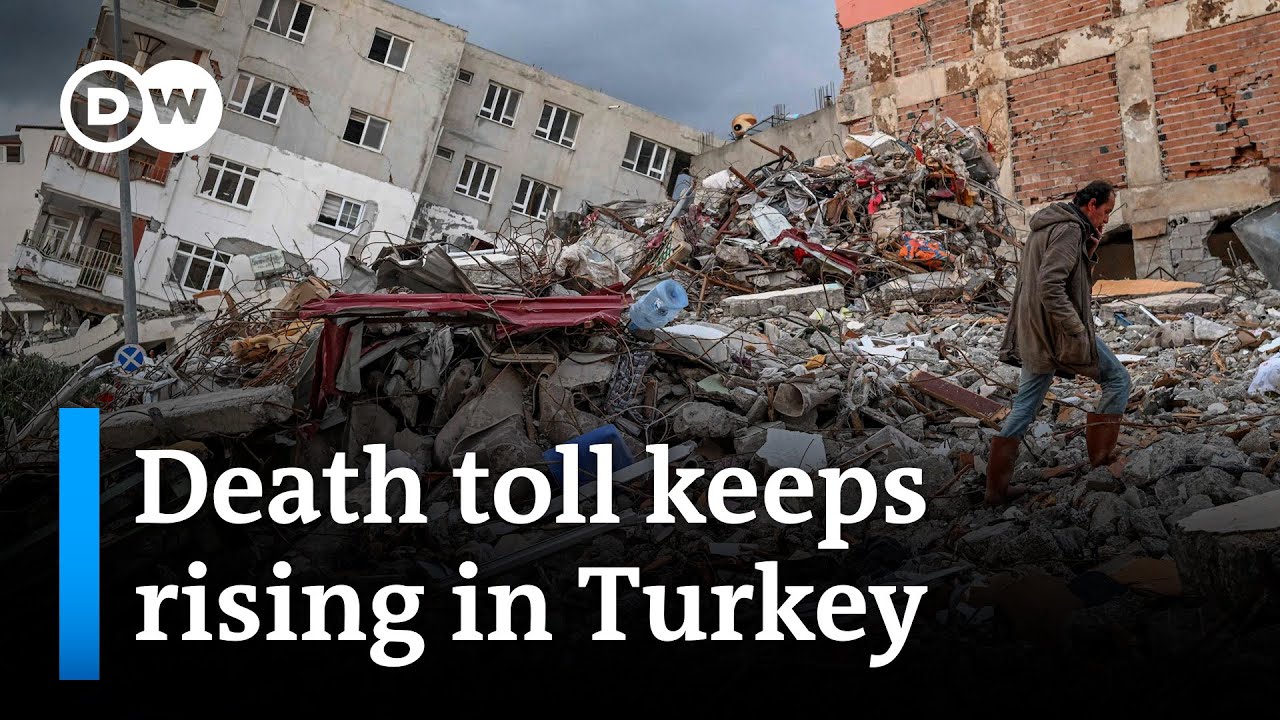
At least eight people have died in recent earthquakes along the Northern Syria-Turkey border, compounding the devastation from a previous disaster that killed over 47,000.
Extreme weather events around the world are captured on camera, showcasing tornadoes, lightning strikes, and earthquakes that highlight nature's unpredictable power.
Groningen gas field in the Netherlands faces closure despite Russia tightening gas supplies.
A mile-long line of stones discovered in Lake Michigan may be a prehistoric hunting structure known as a driveline, dating back 10,000 years.
The Hopi have prophesied earthquakes may signal the end of the 4th world in this episode.
The Marianas Trench, the deepest subduction zone in the world, has not caused a devastating earthquake since records began in the 17th century.
Grindavik in Southwest Iceland is evacuated as volcanic eruption fears rise after 800 earthquakes.
The Icelandic Coast Guard tracks volcanic activity threatening Grindvik and its residents.
Powerful earthquakes hit Ishikawa, prompting authorities to warn residents to flee to higher ground.
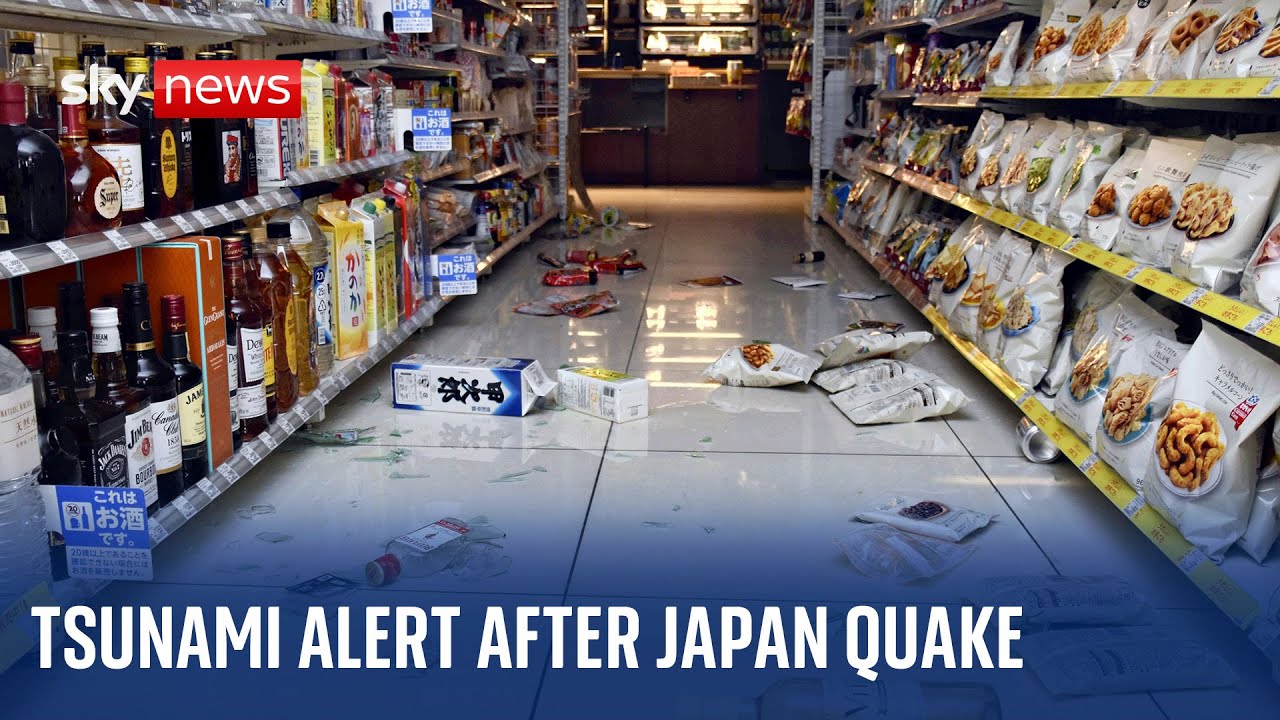
Japan issues a tsunami alert after a 7.6 magnitude earthquake hits Ishikawa region.
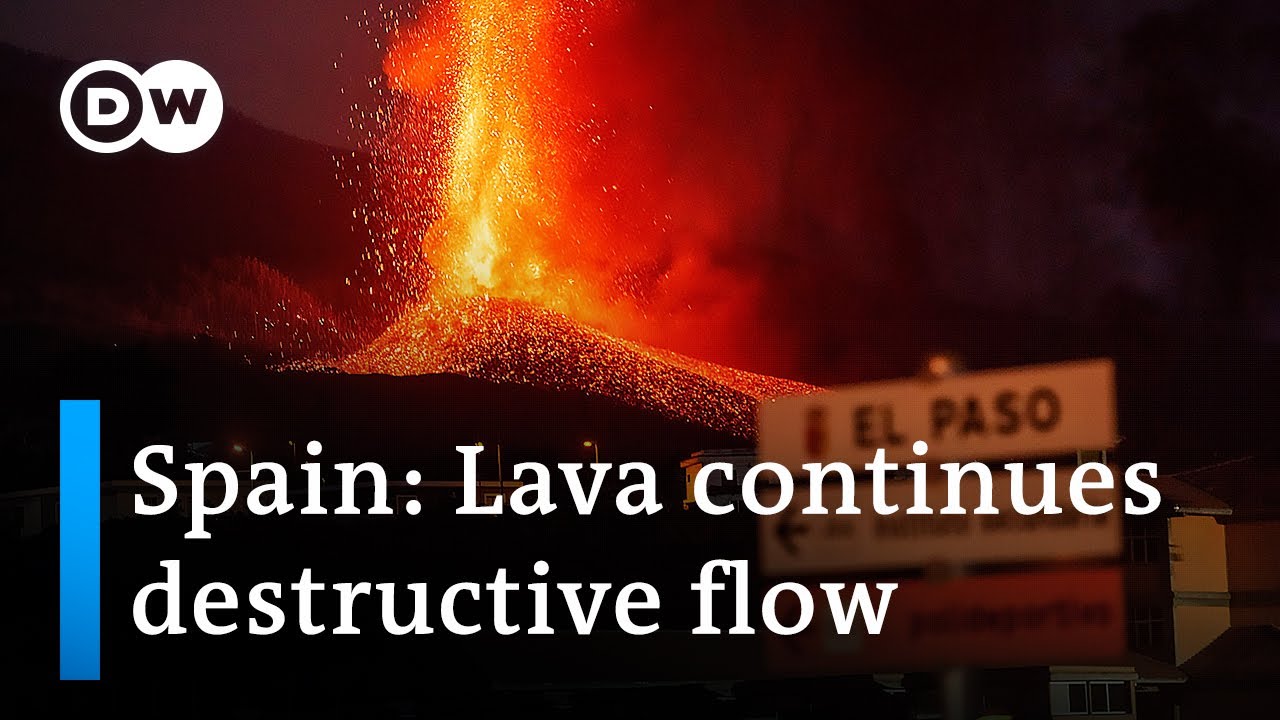
More than 300 homes have been destroyed by lava on La Palma, prompting evacuations and aid efforts.
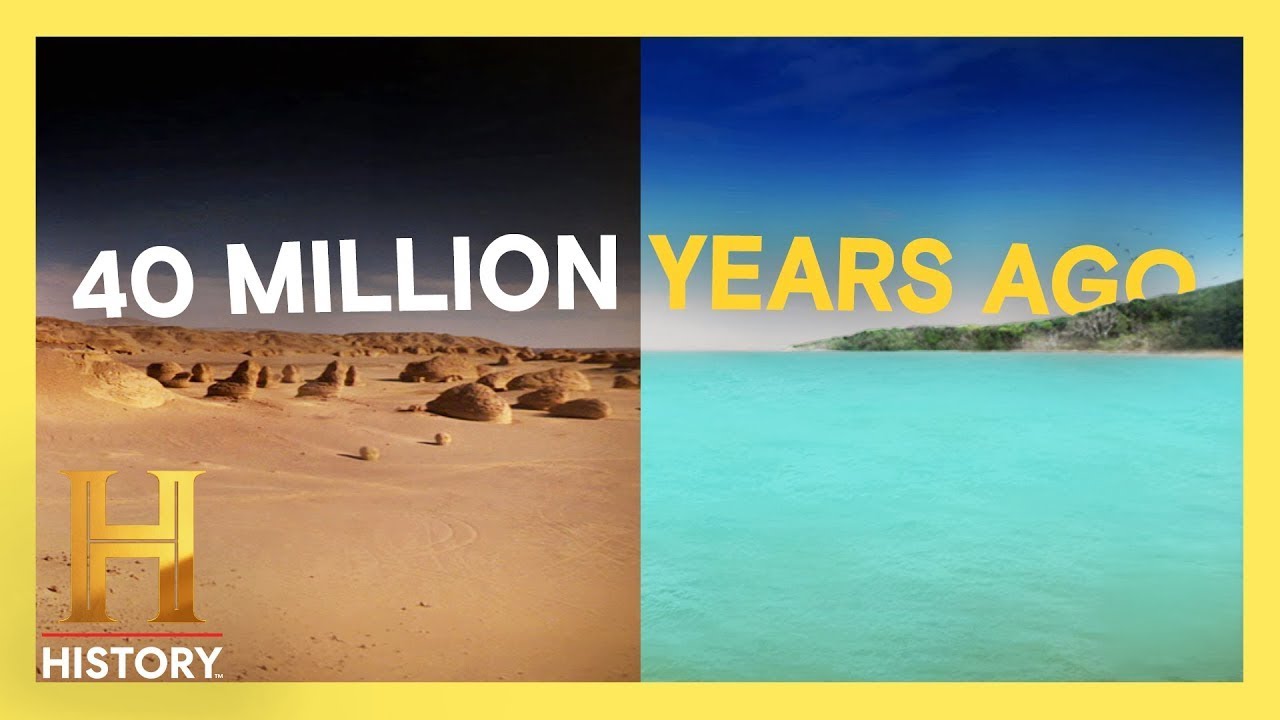
The Sahara Desert, the largest desert, reveals a surprising geological history in Africa.
Dr. Lucy Jones warns Southern California is overdue for a major earthquake along the San Andreas Fault.
Half of all land animals perished during a mass extinction 200 million years ago, as revealed by fossil evidence in a New Jersey quarry.
The San Andreas Fault runs 800 miles and is due for a significant earthquake soon.
California, the most populous state in the U.S., showcases a duality of technological innovation and agricultural wealth alongside challenges like wildfires and economic inequality.
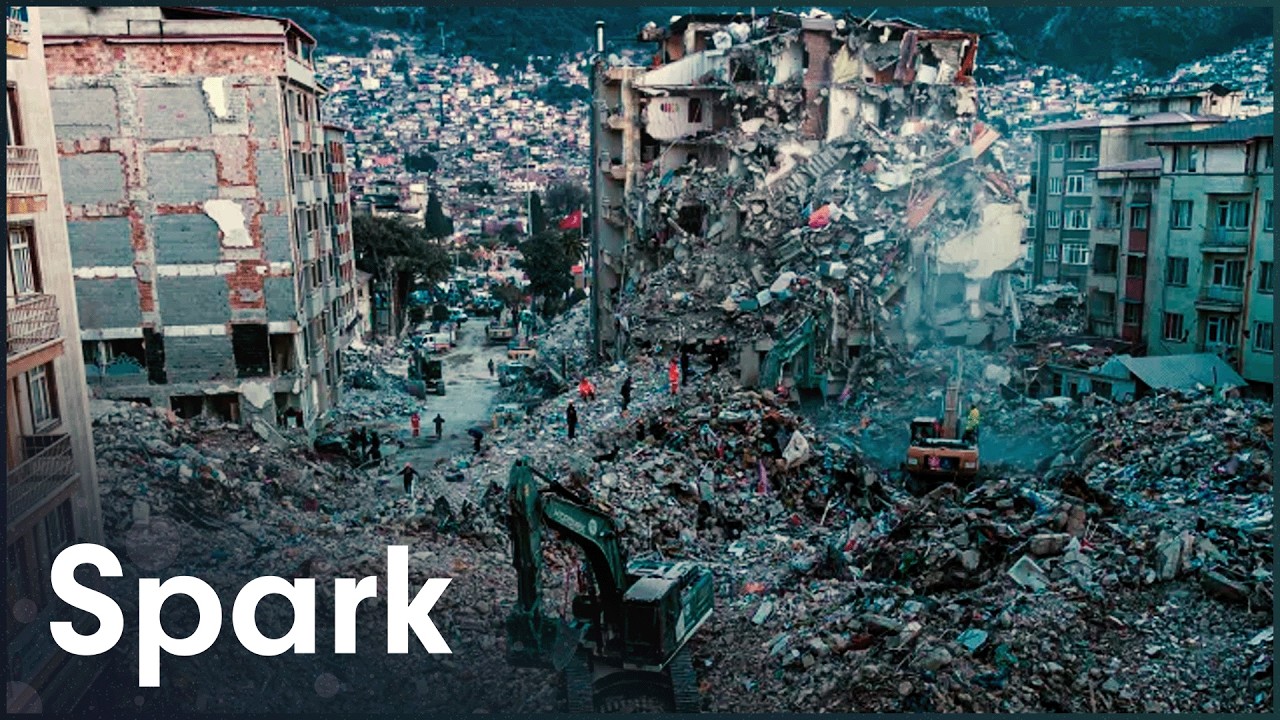
Antakia in Turkey's Hatay Province faces devastation after earthquakes, with over 42,000 dead.
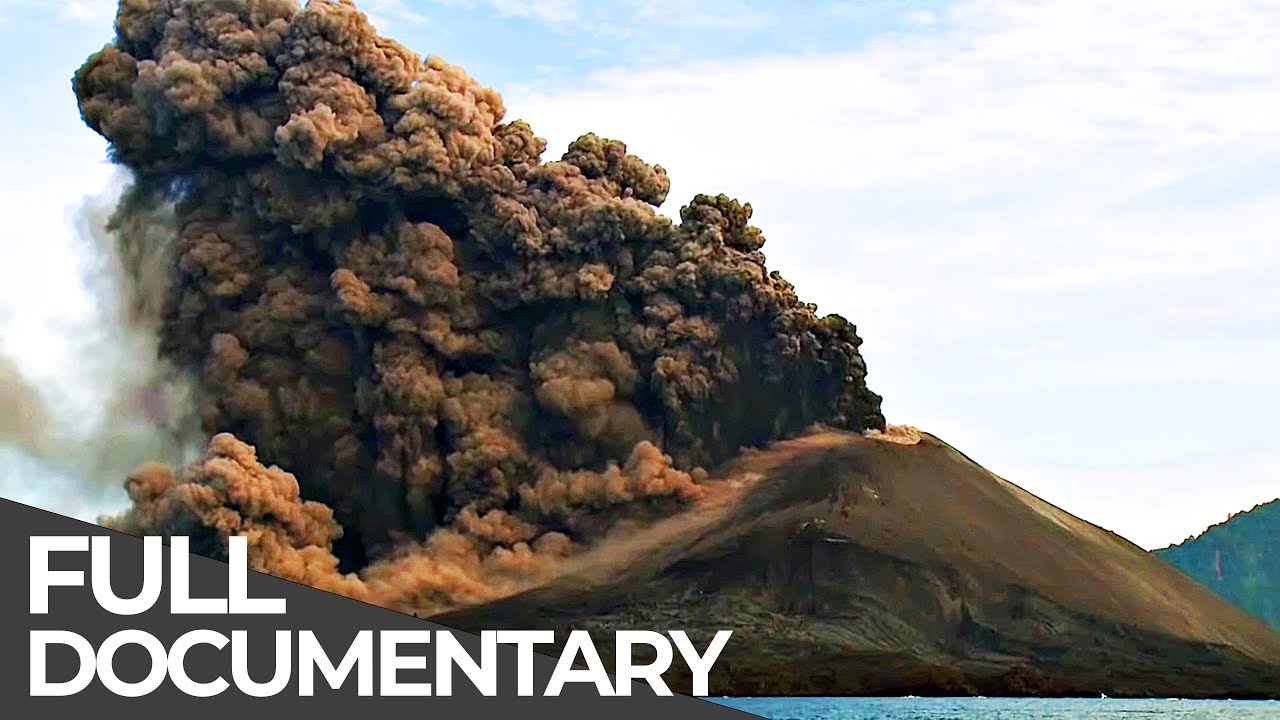
Iceland is the most fearsome volcanic island, shaped by powerful geological forces.
Giant rats from Tanzania sniff out land mines and save lives worldwide.