From over 100,000 films, discover the handful you'll love.
Free or premium access to the world's largest documentary library.
18 films
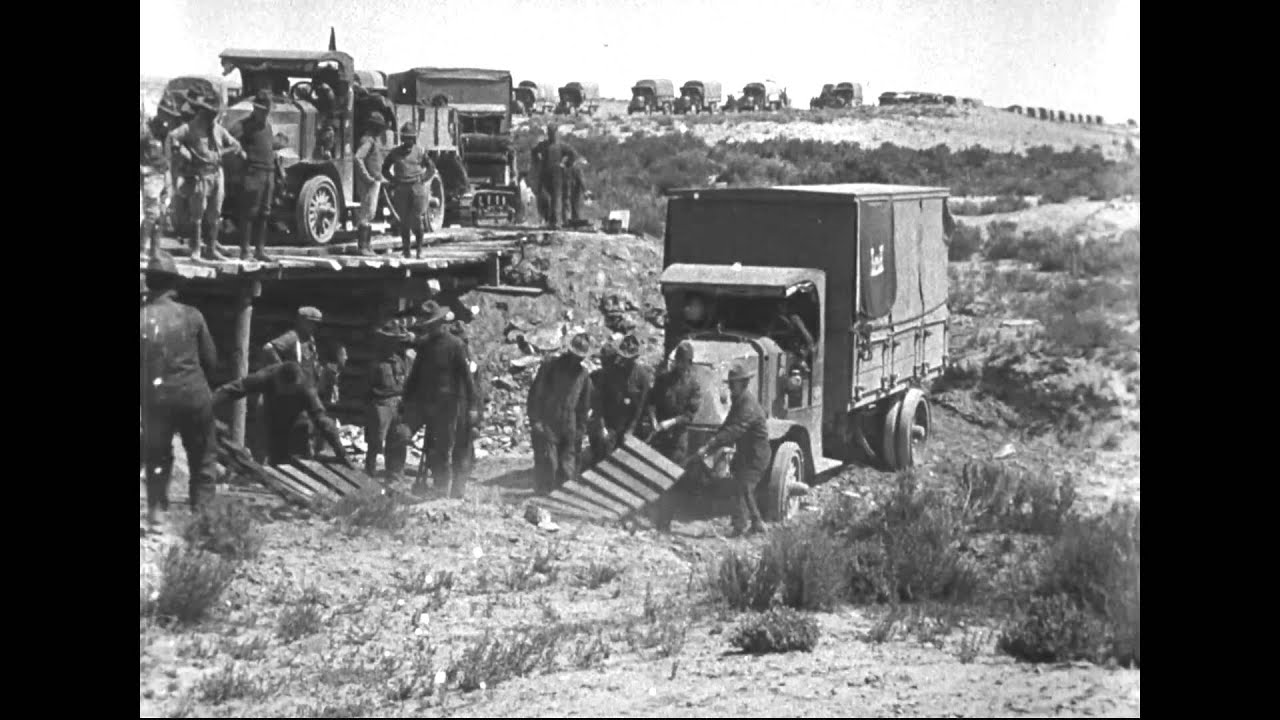
In 1919, the United States Army's transcontinental convoy trip highlighted the logistical challenges of military travel across diverse terrains like the Blue Ridge Mountains and Sierra Nevada.
Alma Mahler-Werfel, a prominent figure in early 20th-century Vienna, is portrayed as both a muse and a controversial personality in the realms of music and art.
Hugh Mangum, an itinerant portraitist in North Carolina and Virginia, captured diverse lives through his glass plate negatives during the rise of Jim Crow.
Early Saskatchewan settlers faced harsh conditions while establishing the foundation of the co-op movement on the Prairies.
Records from the Extension Service at the National Archives provide valuable insights into rural life in the early 20th century, enriching family history research.
In November 1910, the murder of ten-year-old Marie Smith in Asbury Park, New Jersey, catalyzed the formation of the NAACP and modern criminal detection methods.
Bessie Coleman, an early 20th-century American aviator, became the first Black woman to earn a pilot's license and advocated for Black aviation education.
The stories of the first Chinese women in Canada reveal their struggles against racism and sexism while shaping the identity of Chinese Canadian culture.
Albert Kahn's Archives of the Planet, created between 1909 and 1931, features the first extensive collection of color photographs documenting global diversity.
Construction activities at the Panama Canal from 1913 to 1914 are documented, showcasing the erection of spillways, lock gates, and the excavation of Culebra Cut.
State Secretary Charles Evans Hughes meets with delegates at the 1921 Disarmament Conference in Washington, D.C., alongside War Secretary John Weeks.
John P. Mitchel's 1918 funeral procession in New York City, along with the burials of notable figures like Alexander Graham Bell and Adm. Perry at Arlington National Cemetery, is documented in silent film.
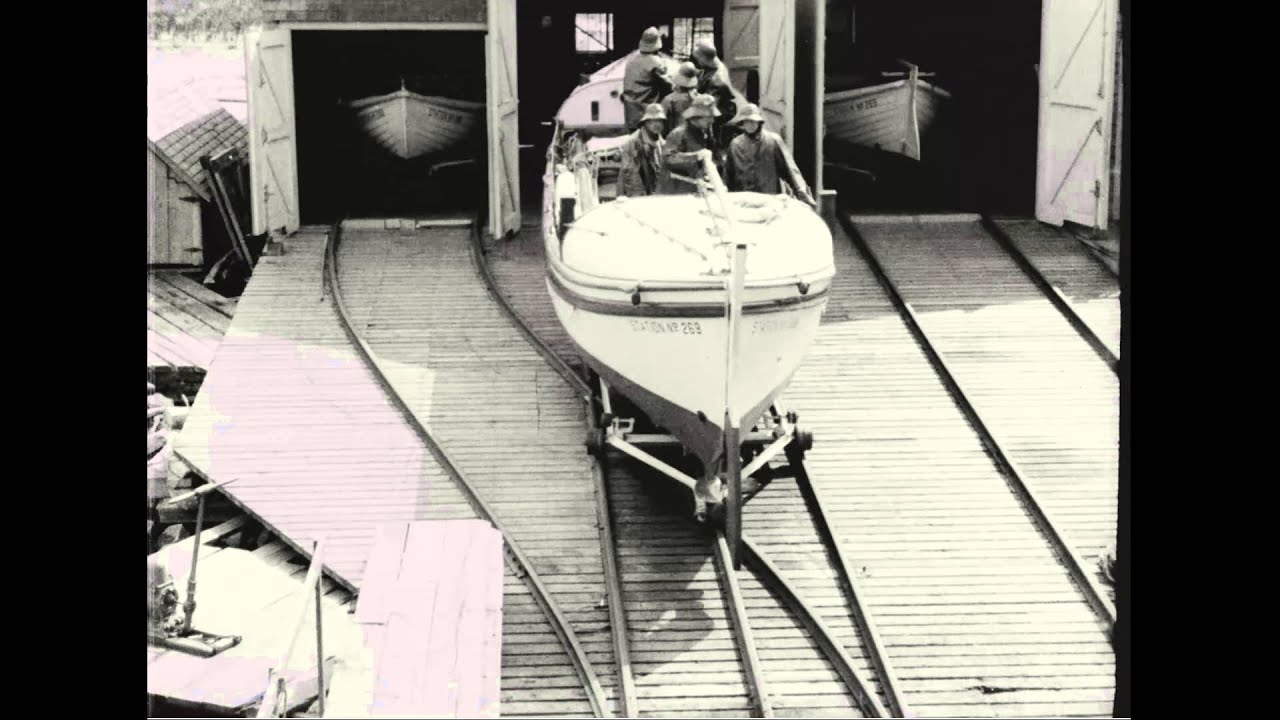
New York City in 1916 is depicted through scenes from an elevated railroad, alongside footage of worm gear production, Coast Guard heroes, and a bear in captivity.
In 1916, Thomas Edison served as the guest of honor at the World's Fair in San Francisco, where the Ford Camping Party showcased early automotive camping experiences.
Dick's computer store, TechServe, was the largest independent Apple dealer in America before its closure after 30 years of operation.
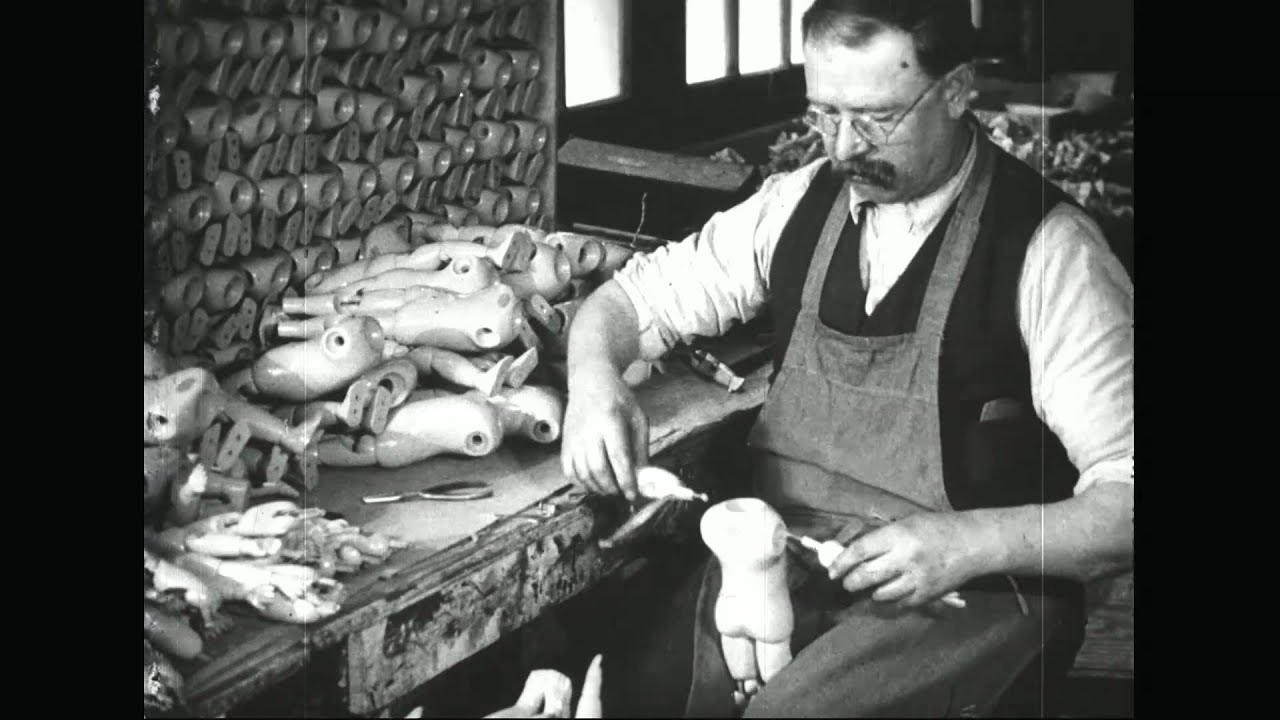
In 1920, Ford Motor Company produced a film showcasing the craftsmanship and cultural significance of dollhouses as playthings in childhood.
President Woodrow Wilson's December 1918 voyage aboard the USS George Washington to Paris is captured through silent film footage, highlighting key figures and events.
President Woodrow Wilson and Mrs. Wilson arrive in Brest, France, in 1919, where they are greeted by notable figures before returning to the U.S. with a parade in Washington, D.C.


![Documentary backdrop image for The Construction of the Panama Canal [1913-1914] (Reel 1-5 of 5) (2014)](https://i.ytimg.com/vi/Dnfz8e0ij7U/maxresdefault.jpg)