From over 100,000 films, discover the handful you'll love.
Free or premium access to the world's largest documentary library.
68 films(Page 1 of 2)
Doomsday planning for the U.S. government includes protocols for evacuating leaders and protecting historic artifacts from destruction.
57% of white males in Confederate states were required to take a loyalty oath to return to the Union after the Civil War, according to the Wade-Davis Bill.
Four infamous murder cases from the Civil Rights Era are reopened, leading to prosecutions of individuals who evaded justice for decades.
Four key figures-George Washington, Alexander Hamilton, John Jay, and James Madison-shaped the U.S. government between 1783 and 1789.
The word slavery does not appear in the United States Constitution passed in 1787, only in the 13th Amendment, which abolished the institution in 1865.
Over 9,100 people visited the National Archives over New Year's weekend to view the original Emancipation Proclamation and see Abraham Lincoln's signature.
Tim Gunn moderates a discussion featuring Valerie Steele, Lisa Kathleen Graddy, and Tracy Reese on the fashion choices of American First Ladies.
Tim Gunn moderates a panel discussion featuring Lynda Johnson Robb and others on the history of holiday decorations at the White House.
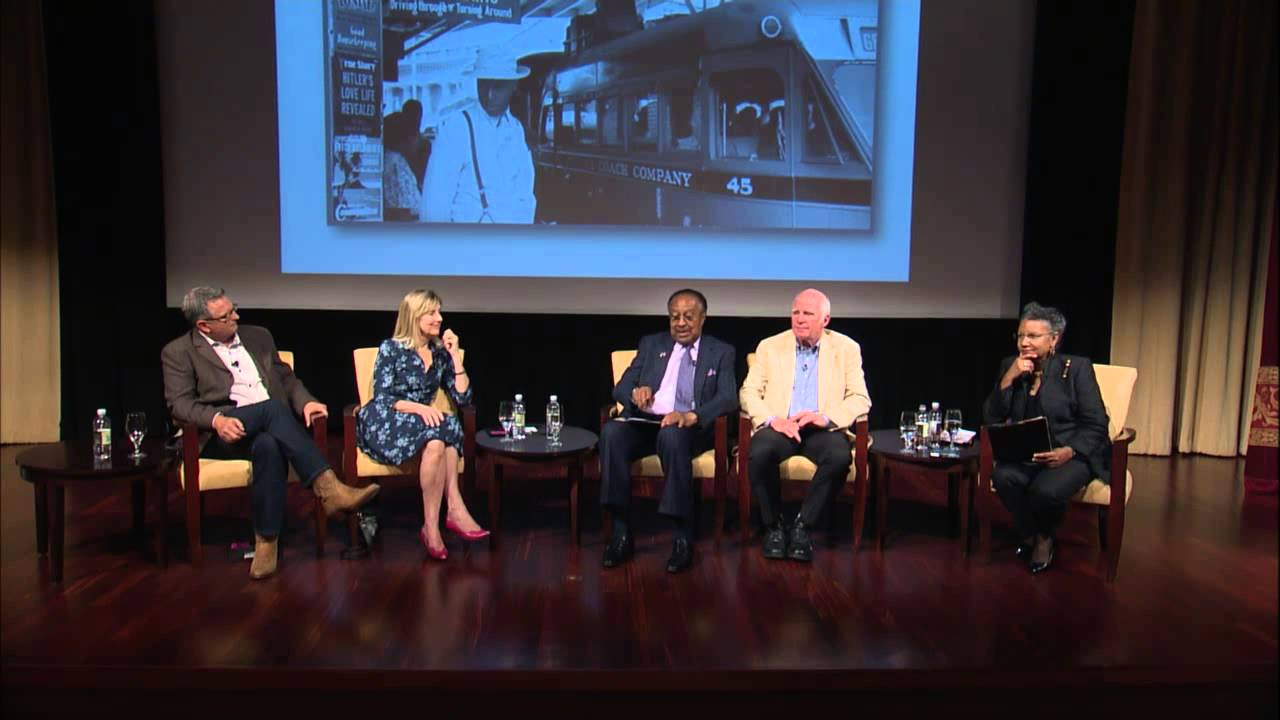
Virginia McLaurin, a 107-year-old resident, attended a panel discussion on African American life in Washington, D.C., before the 1862 Compensated Emancipation Act.
A discussion at the National Archives features Henry Louis Gates, Jr. addressing the ongoing impact of white supremacy on American society.
In January 1968, the Viet Cong and North Vietnamese forces launched a coordinated series of attacks across South Vietnam during the Tet Offensive.
Nearly 170 stories from the African and African American tradition are discussed by Henry Louis Gates, Jr., and Maria Tatar at the National Archives.
Ira Berlin directed the Freedmen and Southern Society Project, which published its first volume in 1982, documenting the end of slavery in the United States.
The 1873 Comstock Act made it illegal to send contraception and obscenity through the U.S. Mail, impacting women's rights for a century.
Rose Schneiderman, born into a Jewish family in Russian Poland, became a key figure in the 1909 garment workers strike advocating for women's suffrage in New York.
Kevin Gover, director of the National Museum of the American Indian, discusses the ongoing challenges of treaty-making with Native Nations in the United States.
The influenza pandemic of 1918 killed more people worldwide than the total number of military deaths in World War I.
The 1918 influenza pandemic killed more people worldwide than combat during World War One.
John Jacob Astor became the wealthiest man in American history by 1848 after shifting from fur trading to real estate.
Stuart Eizenstat served as Chief Domestic Policy Advisor to Jimmy Carter, documenting his presidency through notes and interviews from their time together.
Frederick Douglass visited the White House in August 1863 to advocate for better treatment of African American soldiers during the Civil War.
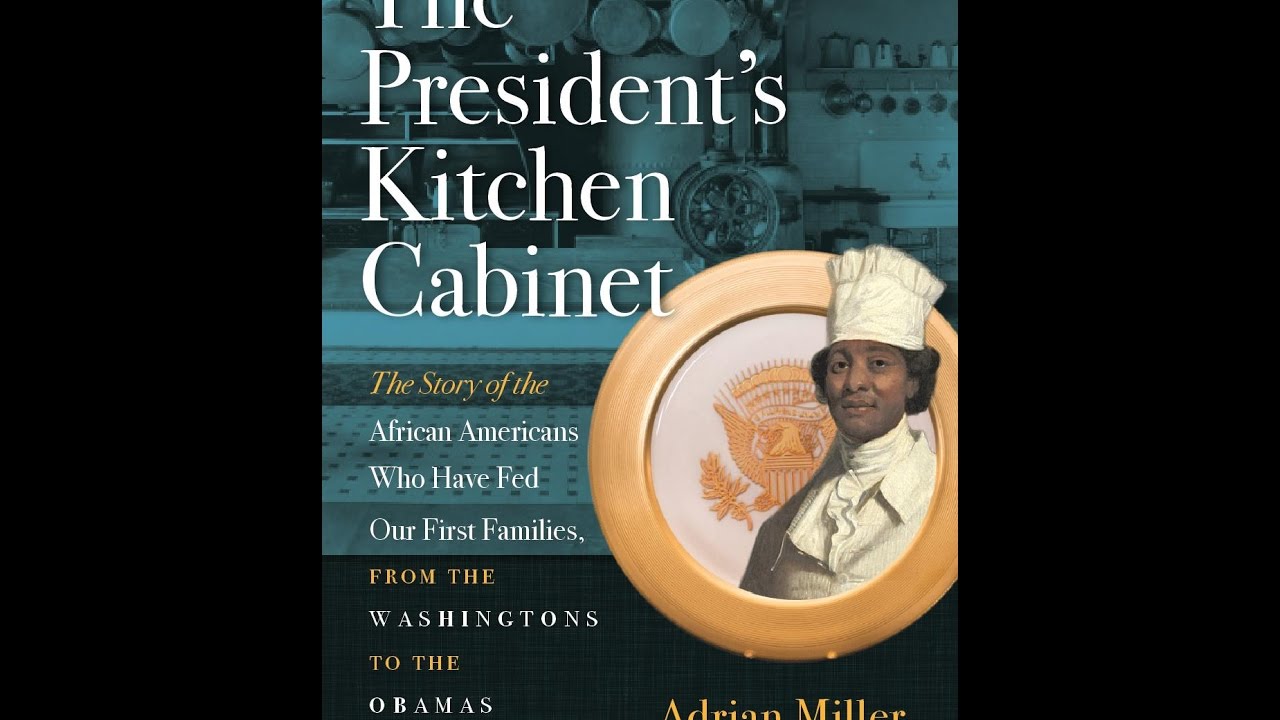
Adrian Miller used records from 12 of the 14 presidential libraries to research the African Americans who cooked for U.S. presidents and their families.
Deborah Lauter moderates a panel featuring Rabbi Ben Kamin, Clarence Jones, Susannah Heschel, and Rabbi Israel “Si” Dresner discussing the Black-Jewish civil rights alliance.
E. Forbes Smiley III stole more than 70 maps from the New York Public Library over several years before his arrest for theft.
On the 227th anniversary of the U.S. Constitution, a panel discusses its relevance and recent court cases at the National Archives in Washington, D.C.
In 1967, U.S. Air Force fighter pilot James Shively was shot down over North Vietnam and spent six years as a prisoner in Hanoi prison camps.
Fifty years after the Voting Rights Act, Pulitzer Prize-winning authors and civil rights leaders discuss untold stories from the civil rights movement.
Five key events from December 1773 to April 1775, including the Boston Tea Party and the first Continental Congress, reshaped colonial identity.
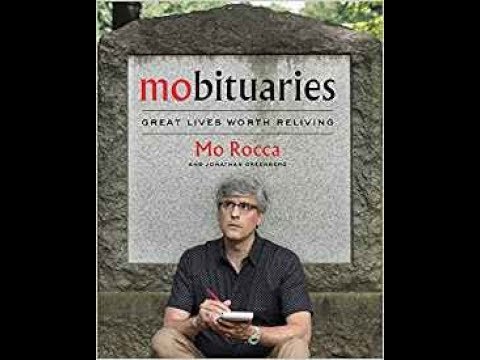
Mo Rocca, a correspondent for CBS Sunday Morning, brings to life the stories of notable figures who have not received proper obituaries.
During the Civil War, free black families in Virginia sent husbands and sons to fight with the U.S. Colored Troops, advocating for emancipation in their letters home.
More than 15,000 European colonists moved westward into the trans-Appalachian frontier, leading to violent conflicts with Native American tribes.
On February 12, 1946, Sgt. Isaac Woodard was beaten and blinded by police in Batesburg, South Carolina, after confronting a bus driver.
A distinguished panel of former members of Congress discusses the need for an internal review of the institution's organization and procedures.
A court case in New Jersey in 1840 involved white individuals disputing the costs of caring for an enslaved woman named Minna.
George William Van Cleve argues for a new constitutional convention to address flaws in the United States Constitution during a panel discussion at the National Archives.
More than two million Vietnamese died during the Vietnam War, a fact often overshadowed by the focus on American casualties.
Thirteen modern Vice Presidents are examined for their complex relationships with Presidents in a discussion led by author Kate Andersen Brower.
Jonathan Zimmerman has published more than 400 op-eds in major newspapers, discussing the ongoing tension between free speech and censorship in the U.S.
Congress has conducted important investigations of campaign finance practices, revealing the growing influence of money in American political life.
2,400 troops crossed the ice-filled Delaware River on Christmas night in 1776, thanks to the efforts of the Marblehead Regiment during the American Revolution.
Two hundred companies have begun to provide competitive services in the UK as part of the open banking initiative, which requires banks to share client data.
115 years before John F. Kennedy addressed the Irish Parliament, his great grandparents left Ireland for America in search of a better life.
Game designer Luke Peterschmidt and historian Denver Brunsman discuss the Constitution's relevance through the lens of game design principles.
Three circus kings, P.T. Barnum, James Bailey, and John Ringling, competed for control of the American circus in the late 19th and early 20th centuries.
Women in World War II were not allowed to serve in the same theater as their spouses, reflecting military policies on marriage and service.
Former secretary of defense Robert Gates discusses how no American soldiers died in combat during Eisenhower's presidency despite multiple international crises.
A 48-minute program discusses how departing presidents have signed book deals since the early days of the republic, revealing insights into their lives.
A panel discussion features Vietnam combat artists James Pollock, Ben Long, Jim Butcher, and Kristopher Battles discussing the Combat Artist Program.