From over 100,000 films, discover the handful you'll love.
Free or premium access to the world's largest documentary library.
56 films(Page 1 of 2)
Teotihuacan, an ancient city in the Americas, remains a remarkable archaeological site that offers insights into its extraordinary culture and history.
Marajoara culture, thriving for over 500 years at the Amazon's mouth, is celebrated for its exquisite artwork and a critical reevaluation of its historical significance.
Ancient Mesoamerica developed a sophisticated calendar system that intricately linked their history with astronomical events and cycles.
Poverty Point stands as North America's earliest and largest city during the Archaic period, showcasing advanced societal organization and monumental earthworks.
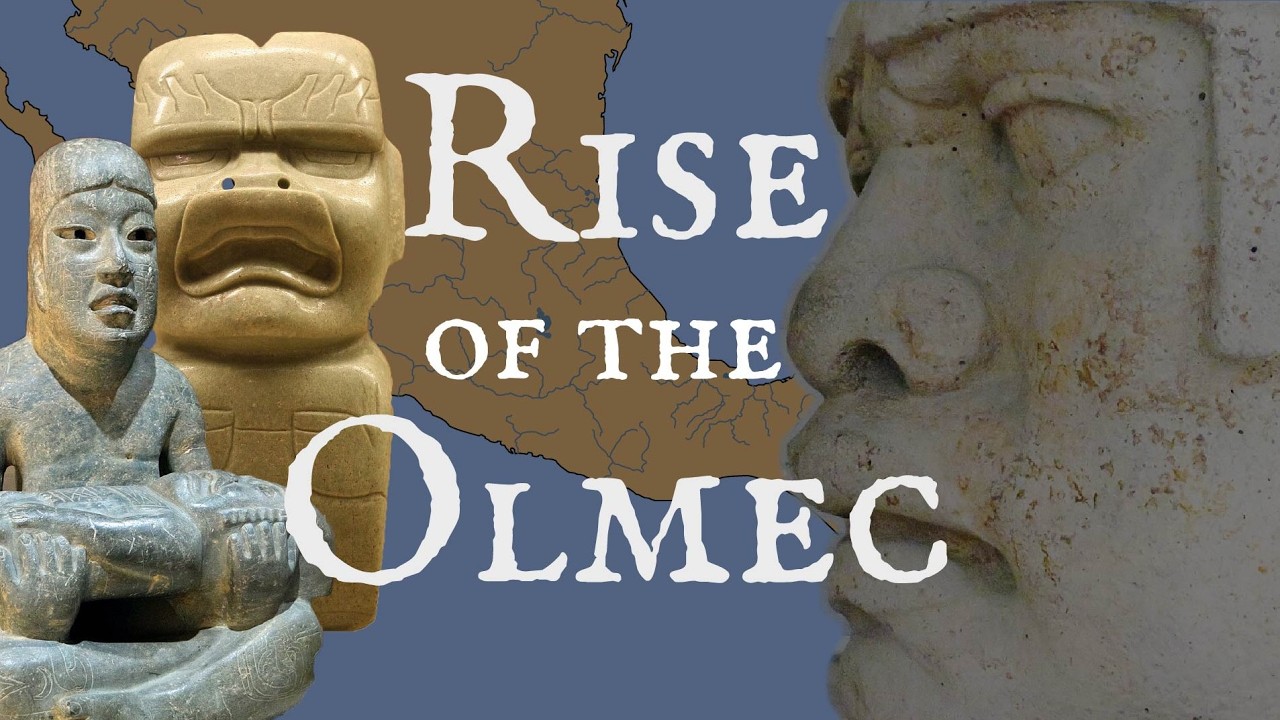
Olmec civilization significantly influenced Mesoamerican cultures, showcasing monumental art and complex religious practices, particularly at San Lorenzo.
Moche culture, renowned for its impressive cities and remarkable art, showcases the complexity and mystery of one of Peru's most significant ancient civilizations.
Sumerians, known for their early farming communities and monumental cities, laid the foundation for innovations in writing, governance, and religion in ancient Mesopotamia.
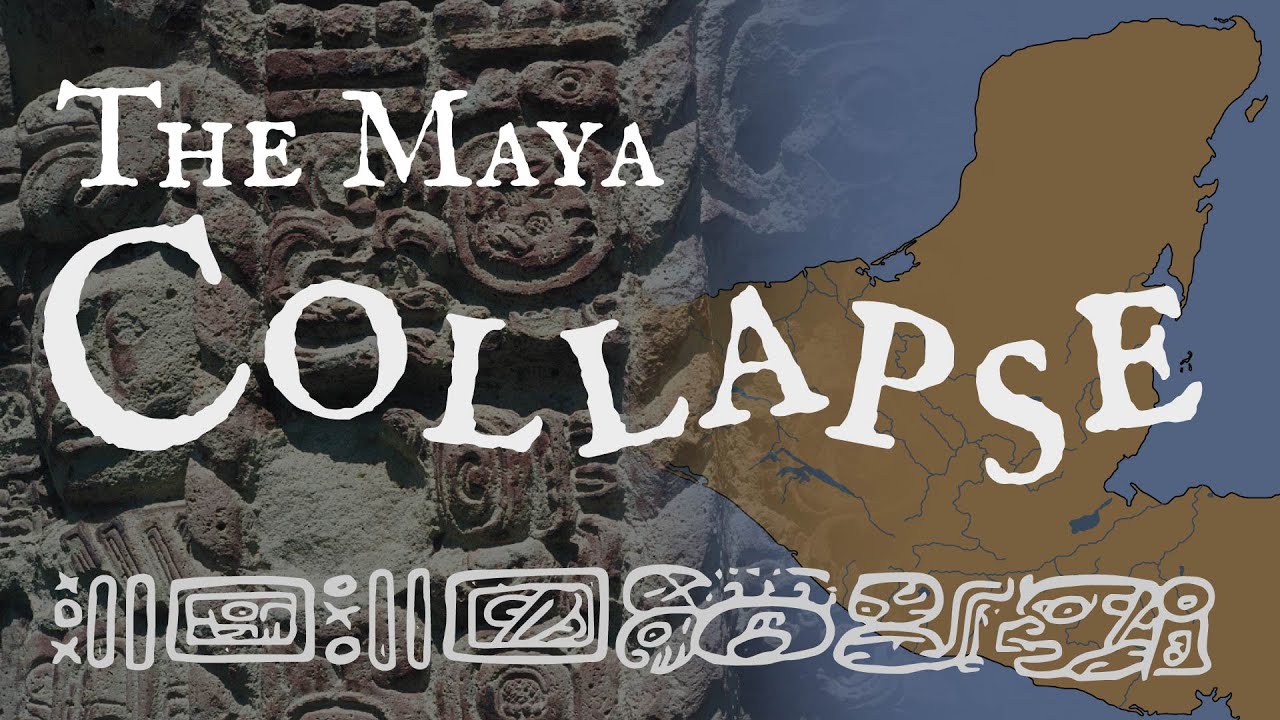
The classic Maya cities experienced a significant transformation in the ninth century due to environmental decline, warfare, and foreign influences.
For thousands of years, most people lived and died within a short distance of their birthplace, bounded by the wilderness and its dangers.
The global population increased from three million to 100 million over 8,000 years as humans transitioned from nomadic life to settled societies.
Zapotec civilization flourished in Mesoamerica, with Monte Albán serving as a monumental testament to their cultural and architectural achievements.
Hammurabi, renowned as a lawgiver, was also a formidable king, skilled politician, and master builder who unified much of ancient Mesopotamia.
A scientist named Edmund Schulman discovered Methuselah in 1957, counting over 4,600 rings that represent its years of life.
Scribes in ancient Mesopotamia were vital for recording knowledge, drafting edicts, and even creating early diss tracks, showcasing their cultural significance.
A tomb measuring over 10 meters in length and 12 meters in width was discovered in 1983 in southern China, containing a jade burial suit.
Aleppo, a key city during the Bronze Age, served as the capital of the powerful kingdom of Yamhad before falling to the Hittite Empire and later reviving.
Carthage, once a formidable rival to Rome, faced total destruction in 146 BC, prompting an archaeological investigation into the reasons behind such extreme Roman reprisals.
Over 10,000 pyramids exist in Central America, suggesting a widespread ancient architectural phenomenon that may challenge current historical narratives.
Ten predictions made by the Gaia hypothesis have been confirmed, including the role of algae in cloud formation and climate regulation.
Anglo-Saxon skeletons reveal a complex civilization, challenging the perception of the Dark Ages as a time of chaos and violence.
This Ancient Aliens marathon questions if aliens really help shape our history.
Some two million years ago, early humans began using simple stone implements for cutting, marking a significant development in human history.
A thriving Viking civilization in Greenland mysteriously vanished in the 15th Century, prompting archaeologists to investigate the chilling factors behind their disappearance.
The Celts, a captivating society that thrived around 2,000 years ago, continue to intrigue historians as they seek to understand their true identity.
Inuit writer Zebedee Nungak recalls being physically dragged back to school by a teacher, illustrating the clash between Inuit culture and imposed education.
The Maya civilization emerged around 2600 BC in what is now Yucatan, developing advanced architecture, mathematics, and astronomy by 250 AD.
Dams, engineered by ancient civilizations like the Egyptians and Romans, have transformed landscapes by providing essential resources and enabling urban development.
Ancient discoveries have significantly influenced modern engineering and architecture, showcasing the enduring impact of historical innovations on contemporary design.
The Vienna Boys Choir performs 22 pieces of music, including classical arias and traditional carols, reflecting the cultural heritage of herding communities worldwide.
In 1770, an Ojibwa girl named Ikwe marries a Scottish fur trader, leaving her home and facing the challenges of cultural conflict and personal isolation.
Civil engineering has transformed human civilization through innovations like Roman arches, modern concrete, and futuristic energy solutions across Europe and beyond.
Between 1980 and 2045, the planet is projected to lose more species of plants and animals than in the last 65 million years.
Tiwanaku, a significant cultural center in the Andes, raises questions about its classification as an empire despite its profound influence on regional heritage.
Beer was a key factor in the Agricultural Revolution around 9,000 BC, leading to the establishment of the first civilizations in Mesopotamia.
Tiwanaku emerged as a remarkable cultural center in the southern Andes during the first millennium CE, showcasing advanced architecture and societal complexity.
Over 150,000 Indigenous children were forcibly taken from their families to attend residential schools in Canada, including Lena Wandering Spirit in 1963.
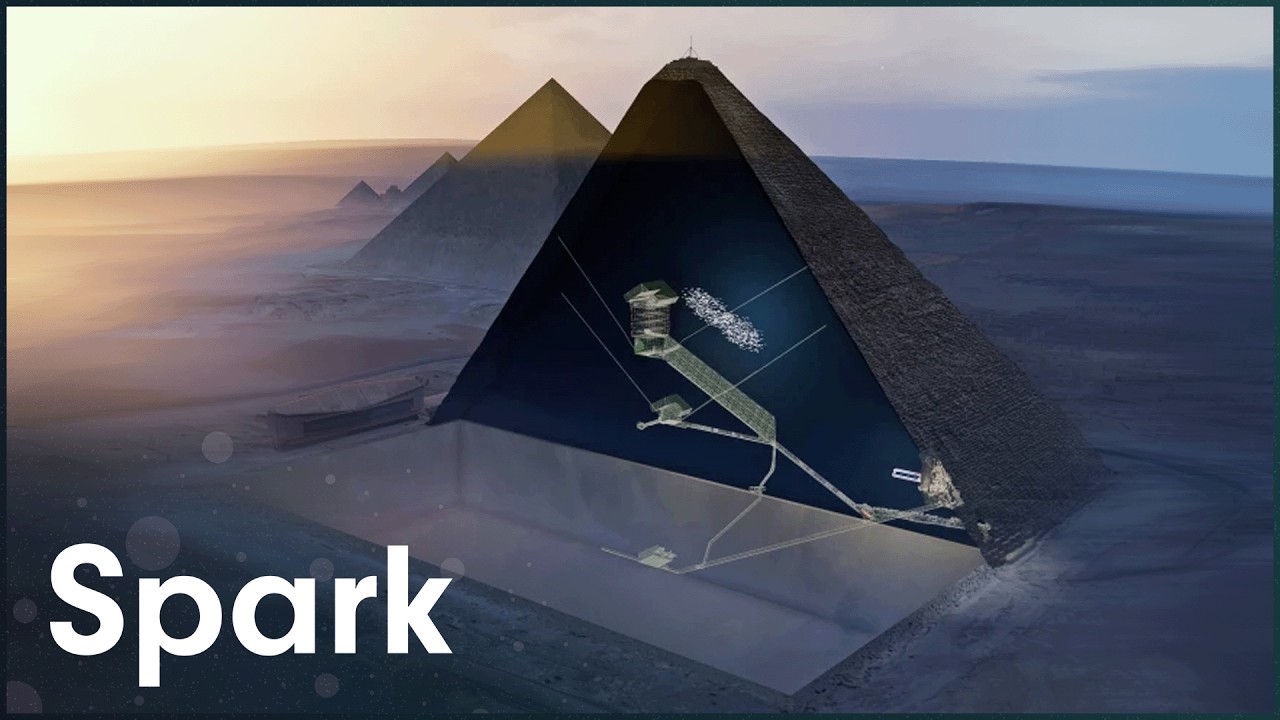
Could this be the key to understanding the secrets of the pyramids from Ancient Aliens?
Babylon, an ancient city renowned for its cultural and historical significance, continues to captivate modern audiences with its rich legacy and enduring mysteries.
In Belize, the remnants of the Maya civilization reveal extensive stone cities, palaces, and temples that highlight their architectural achievements and cultural legacy.
Marc Philippe Eskenazi sings global warming-themed Christmas carols in New York City, blending humor with messages about climate change.
Djoser, the first king of Egypt's Third Dynasty, revolutionized architecture with the construction of the Step Pyramid at Saqqara, marking a pivotal moment in Egyptian civilization.
Mars is located over 34 million miles from Earth, and researchers speculate it could support extraterrestrial life due to evidence of past water.
Stonehenge highlights the ancient engineering skills used to transport and erect its massive stones, remaining a significant historical site today.
Severe drought conditions in Mesopotamia played a crucial role in the collapse of the Akkadian Empire, highlighting the impact of climate on ancient civilizations.
The Romans use a clear strategy to secure their empire and expand their civilization.
90 digits of pi are recited by a 29-year-old aspiring astronaut from Iraq, who reflects on the risks and emotional challenges of a Mars mission.
Important cities of ancient Sumer are highlighted, showcasing their significance during the Early Dynastic Period and addressing common confusions about them.
Mario Vargas Llosa discusses the transformative power of literature in shaping critical citizens and its role as a tool for resistance against authoritarianism.