From over 100,000 films, discover the handful you'll love.
Free or premium access to the world's largest documentary library.
67 films(Page 1 of 2)
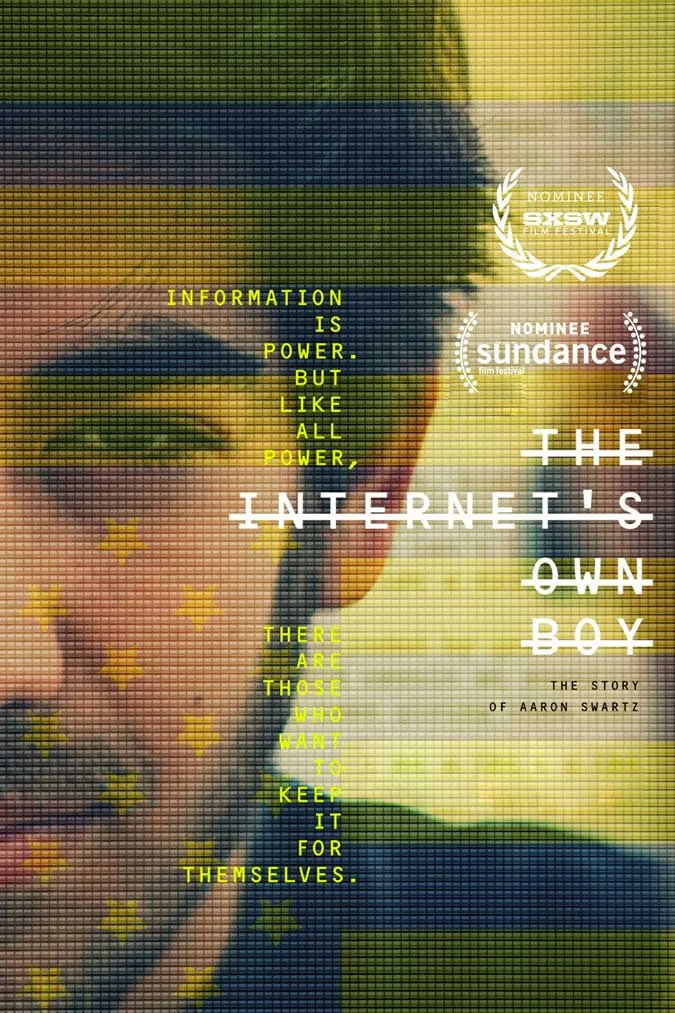
A 2011 arrest for downloading academic articles from JSTOR marked a significant turning point in Aaron Swartz's life, which ended in January 2013.
The war on terror and its implications for civil liberties in the United States are critically examined through commentary from figures like Dick Cheney and Hillary Clinton.
A 1500% increase in visa applications from Americans relocating to Spain since 2016 highlights the impact of Donald Trump's presidency on expatriation trends.
Increasing control over personal privacy raises critical questions about data surveillance and the implications of believing one has nothing to hide.
Silicon Valley's collaboration with the National Security Agency reveals how tech giants like Google and Facebook facilitated the government's mass data collection on citizens.
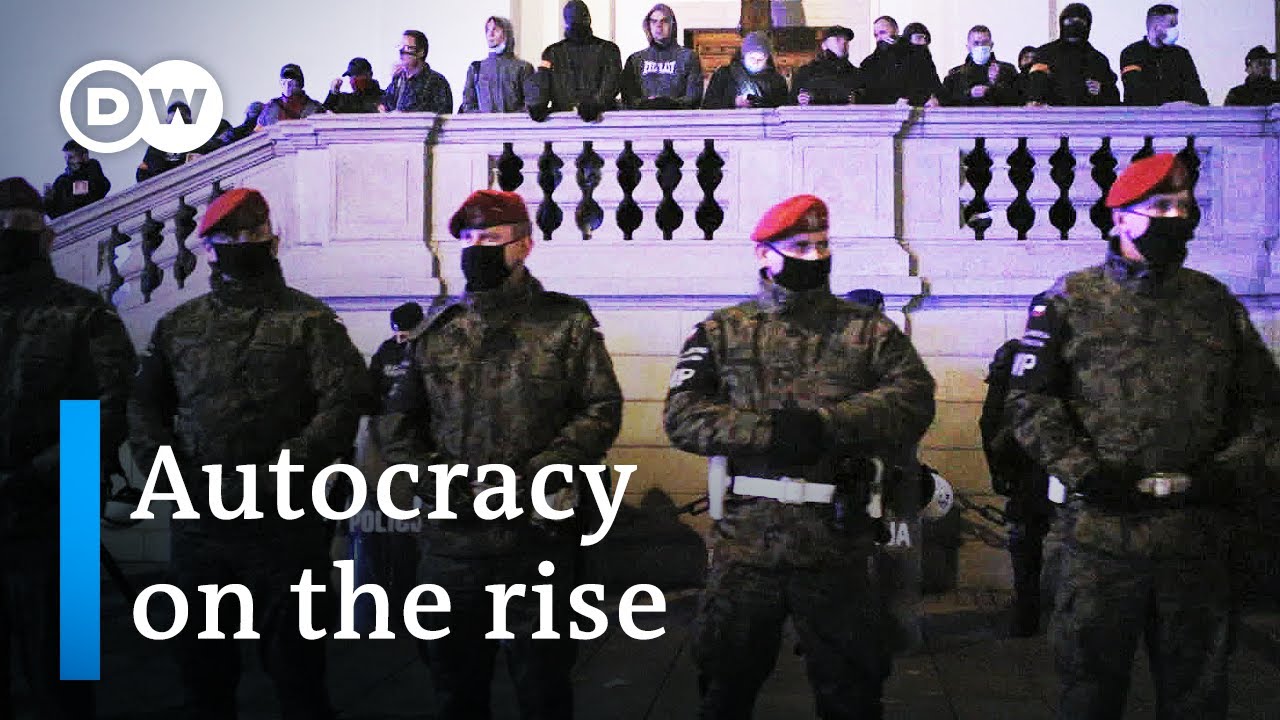
A third of the global population is now governed by authoritarian populists, leading to increased repression of civil society and democratic freedoms.
The intricate relationship between high-tech government intelligence services and corporate entities raises critical questions about privacy, trust, and complicity in surveillance.
Domestic government surveillance during the George W. Bush era raised significant concerns about civil liberties and the legality of the NSA's programs.
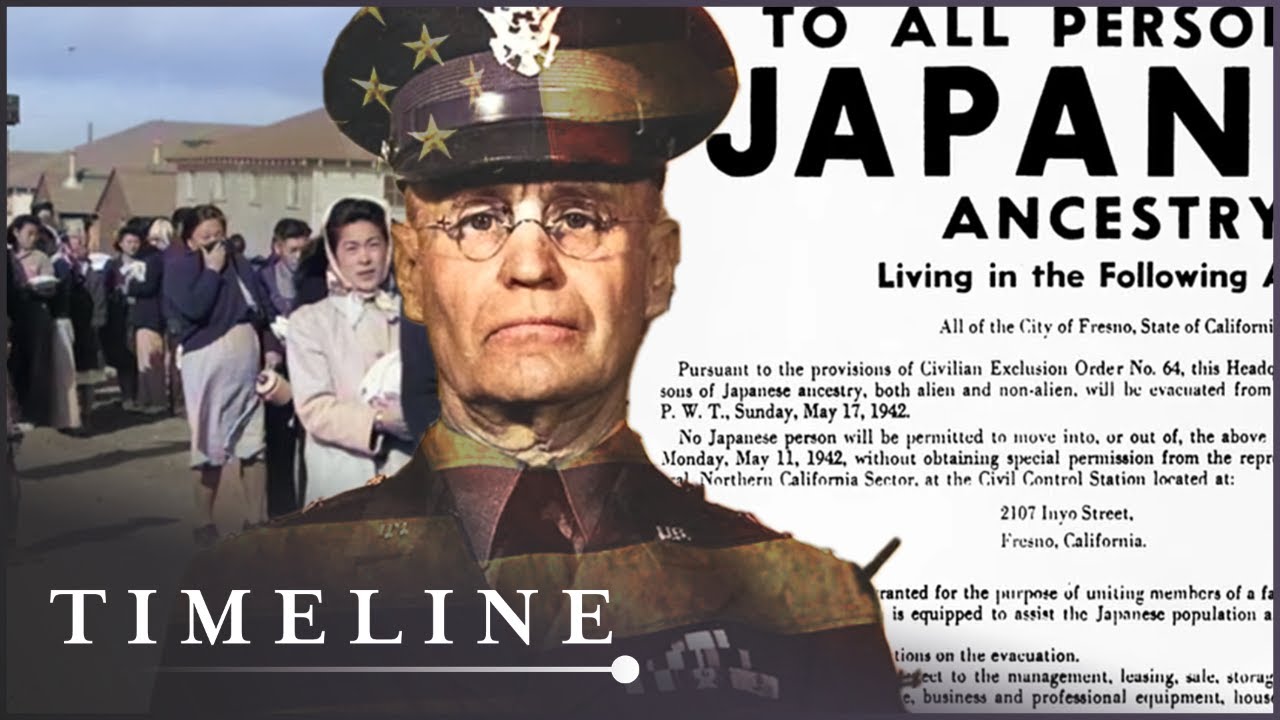
Nearly 120,000 people of Japanese ancestry were imprisoned by the U.S. government during World War II after the attack on Pearl Harbor.
Nearly 120,000 people of Japanese descent were forcibly removed from their homes and incarcerated in temporary camps during World War II.
For centuries, torture was a common method used to extract confessions, often leading to unreliable testimonies in criminal trials.
Magna Carta, created in 1215 to limit King John's power, laid the groundwork for the rule of law and influenced the development of the US Constitution.
Jehovah's Witnesses in Germany maintain strict lifestyles and strong community ties, with their headquarters in Selters reflecting their beliefs and controversies surrounding their identity.
Wolf Biermann reflects on life in divided Germany, the challenges of democracy, and potential future developments during an in-depth conversation in Hamburg.
Switzerland's police force has integrated psychological principles into training, emphasizing empathy and communication to manage and de-escalate conflicts effectively.
Journalist Zhanna Nemtsova stepped into her father's shoes to carry forward his vision of free speech and democracy after he was tragically assassinated in 2015 for opposing Putin.
Albania's communist regime, marked by the Sigurimi's extensive surveillance and oppression, faces scrutiny as its archives are opened, prompting discussions on accountability and reconciliation.
Mamdouh Habib recounts his illegal detention and torture at Guantanamo Bay, revealing the complicity of Australian and American authorities in his ordeal.
The Wolin Viking Festival in Poland faces challenges as far-right groups infiltrate the medieval reenactment community, raising concerns about nationalism and identity.
In Georgia, over 100,000 babies have been falsely recorded as dead and sold for adoption, as revealed by Panagiotis Souroukli and the organization Vedzeb.
The 1873 Comstock Act made it illegal to send contraception and obscenity through the U.S. Mail, impacting women's rights for a century.
Far-right influencers in Germany and Switzerland leverage social media to promote extremist ideologies, shaping attitudes towards immigration and diversity among young Europeans.
Journalistic freedom in Russia faces severe restrictions, while Ukrainian reporters contend with conscription amid ongoing conflict, highlighting the dangers for media in war.
Cannabis became legal for consumption in Germany on April 1, 2024, prompting discussions about sourcing the 400 tonnes of resin used annually.
In October 2022, three Russian war refugees opposed to Vladimir Putin's regime seek to build new lives in Munich, Germany, while refusing to fight in Ukraine.
Undocumented workers, led by Abdalah-Azis, protest at the Adidas Arena construction site in Paris, highlighting labor issues ahead of the 2024 Summer Olympics.
Russian dissidents, including investigative journalists Irina Dolinina and Roman Anin, continue their resistance against Vladimir Putin's regime from exile in Prague.
Vladimir Putin's leadership is explored through the polarized views of supporters and critics, revealing the complexities of his governance amid the Ukraine conflict.
In Paraguay, approximately 2,500 Germans have migrated to the El Paraíso Verde colony, seeking a tranquil lifestyle away from Covid-19 restrictions, but face unexpected challenges.
Dojd, Russia's leading independent television channel, faces significant challenges in exile after relocating to Latvia and the Netherlands following the 2022 invasion of Ukraine.
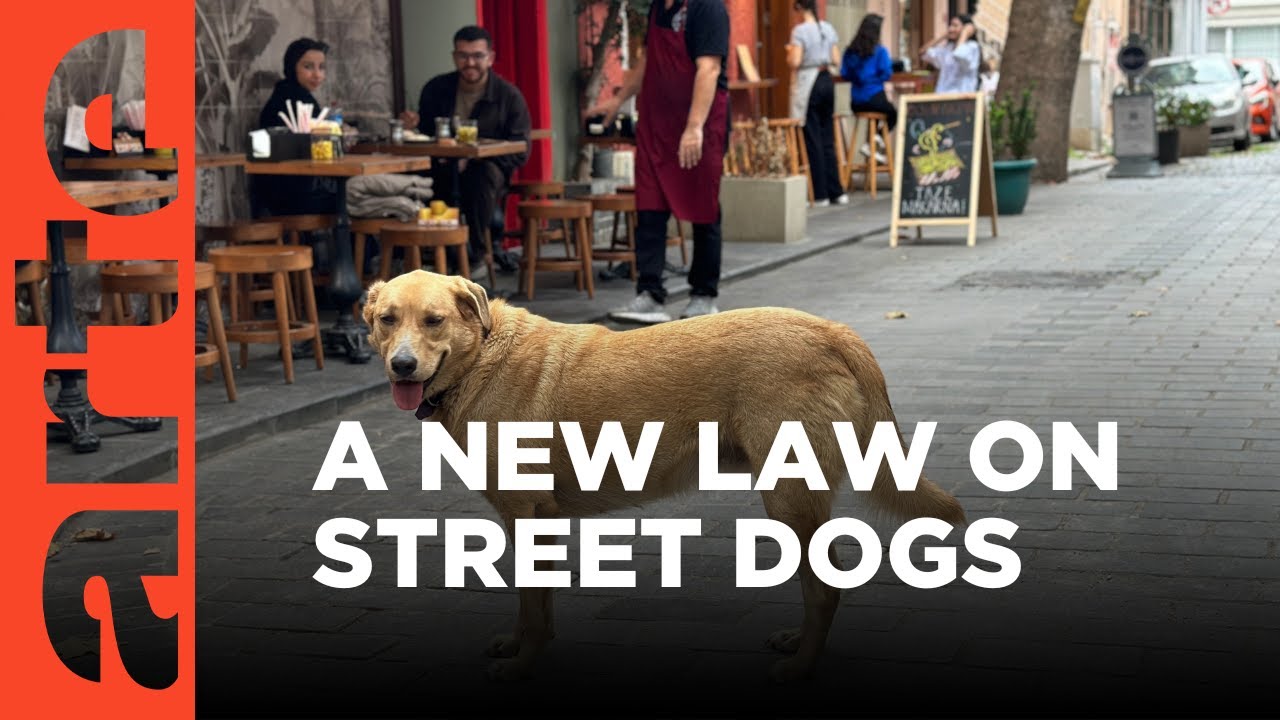
In Turkey, the estimated 4 million stray dogs face potential culling as President Recep Tayyip Erdoğan's government proposes legislation in response to rising dog attacks.
The war on terror has led to unprecedented mass surveillance practices in the U.S., raising concerns about civil liberties and government secrecy.
America's increasing reliance on surveillance technology, including street cameras and online monitoring, raises significant concerns about the erosion of privacy.
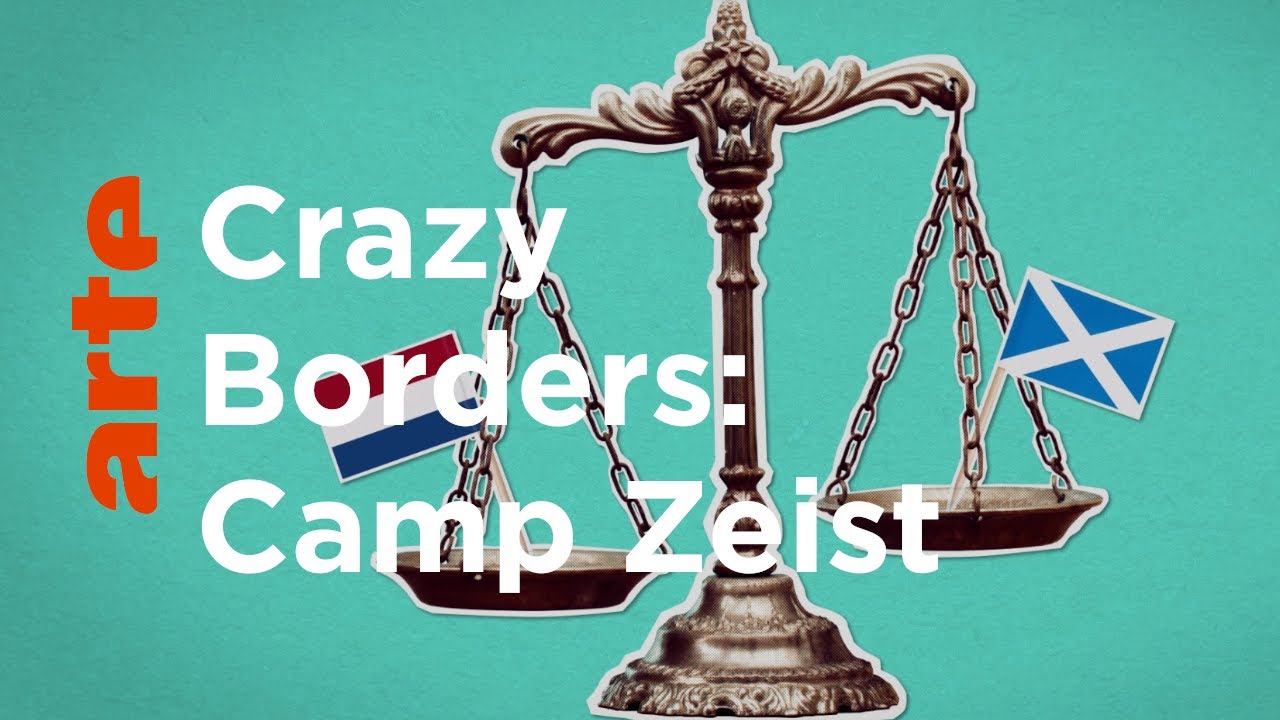
The trial of Abdelbaset al-Megrahi and Lamin Khalifah Fhimah for the 1988 Lockerbie bombing took place at Camp Zeist in the Netherlands, highlighting conflicting views on justice.
The speaker invites input from individuals under 24 years old about their concerns and hopes for the future in light of the pandemic's impact.
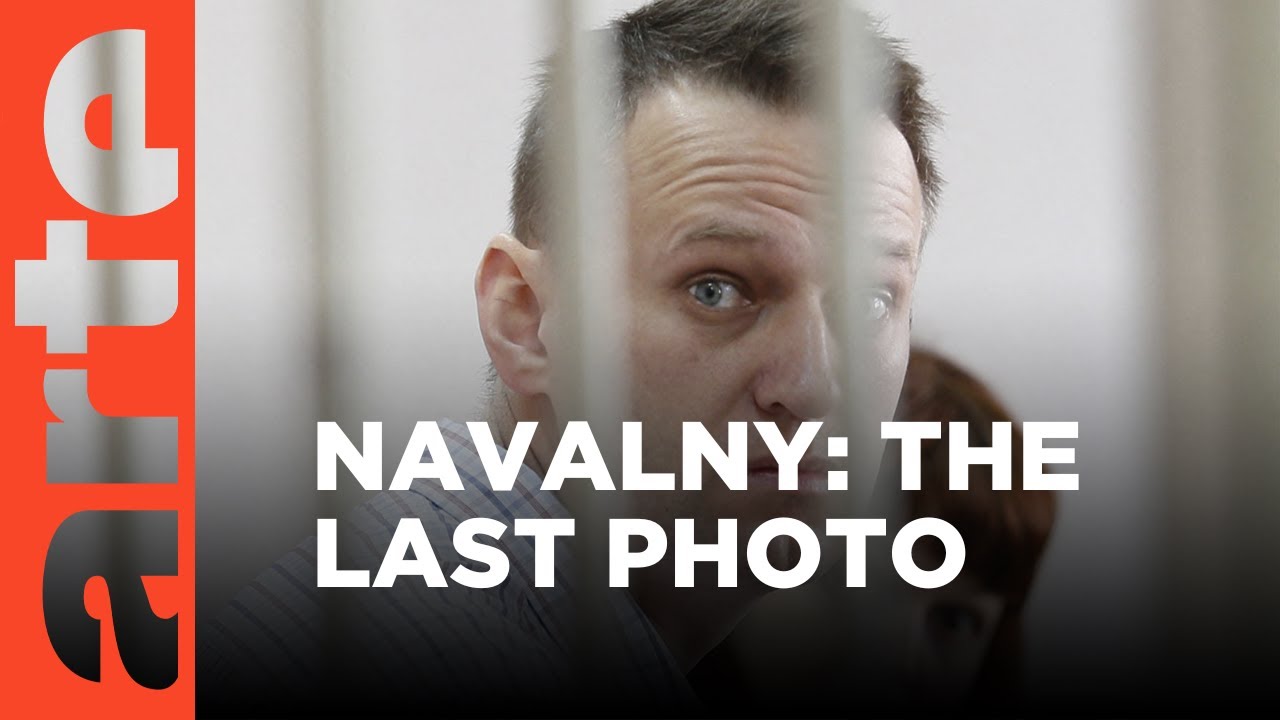
Alexei Navalny's trial on August 4, 2023, highlights his defiance and resilience against Vladimir Putin's regime, culminating in his death in prison on February 16, 2024.
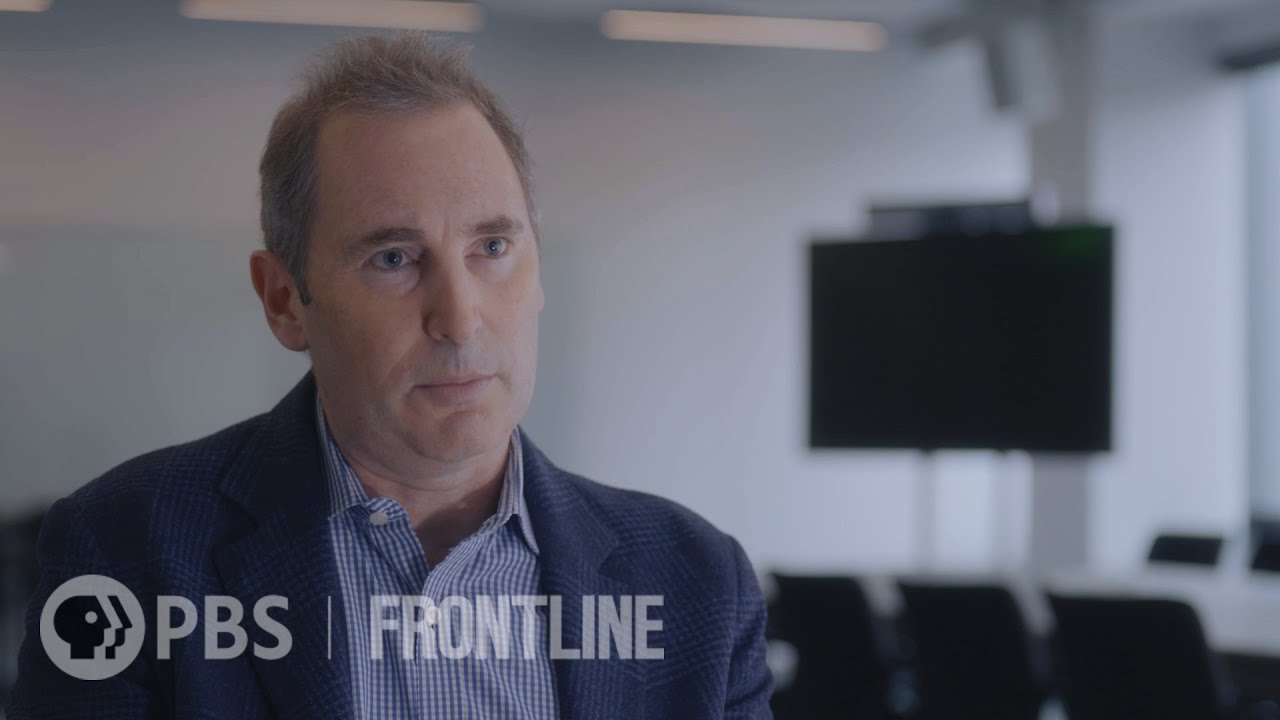
Amazon holds only 1 percent of the world's retail business segment, according to CEO Andy Jassy in a recent interview.
The National Security Agency operates on 325 acres in Fort Meade, Maryland, employing over 30,000 personnel under strict security measures.
Argentina's political landscape shifts under President Javier Milei's populist policies, challenging the legacy of the military dictatorship and historical accountability.
New York City's renewed focus on addressing homelessness and untreated mental illness raises significant questions about civil liberties and public safety.
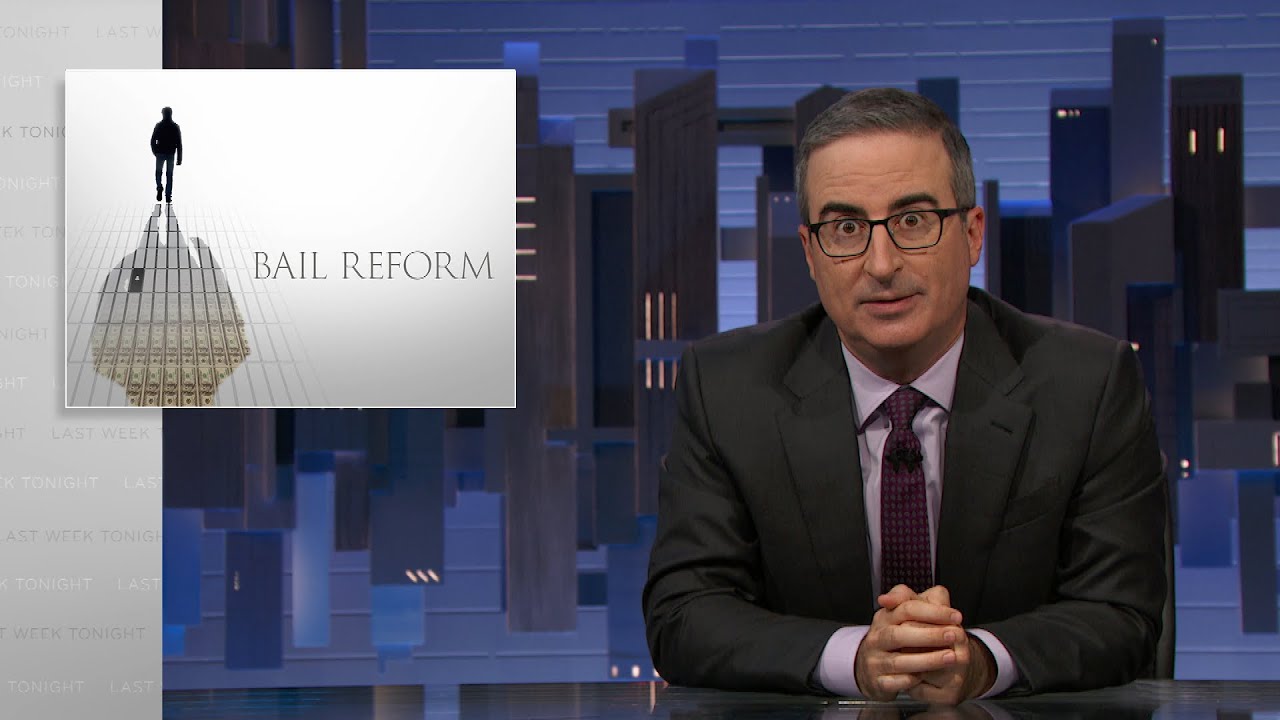
Since 2011, at least 19 states have adopted bail reform policies, but rising crime rates have led to calls for rolling back these reforms.
Cuba faces an ongoing economic crisis marked by food shortages, poverty, and deteriorating infrastructure, revealing stark contrasts to its tourist image.
The Palmer Raids intensified the Red Scare in post-World War I America, fueled by fear and paranoia against perceived anarchist threats.
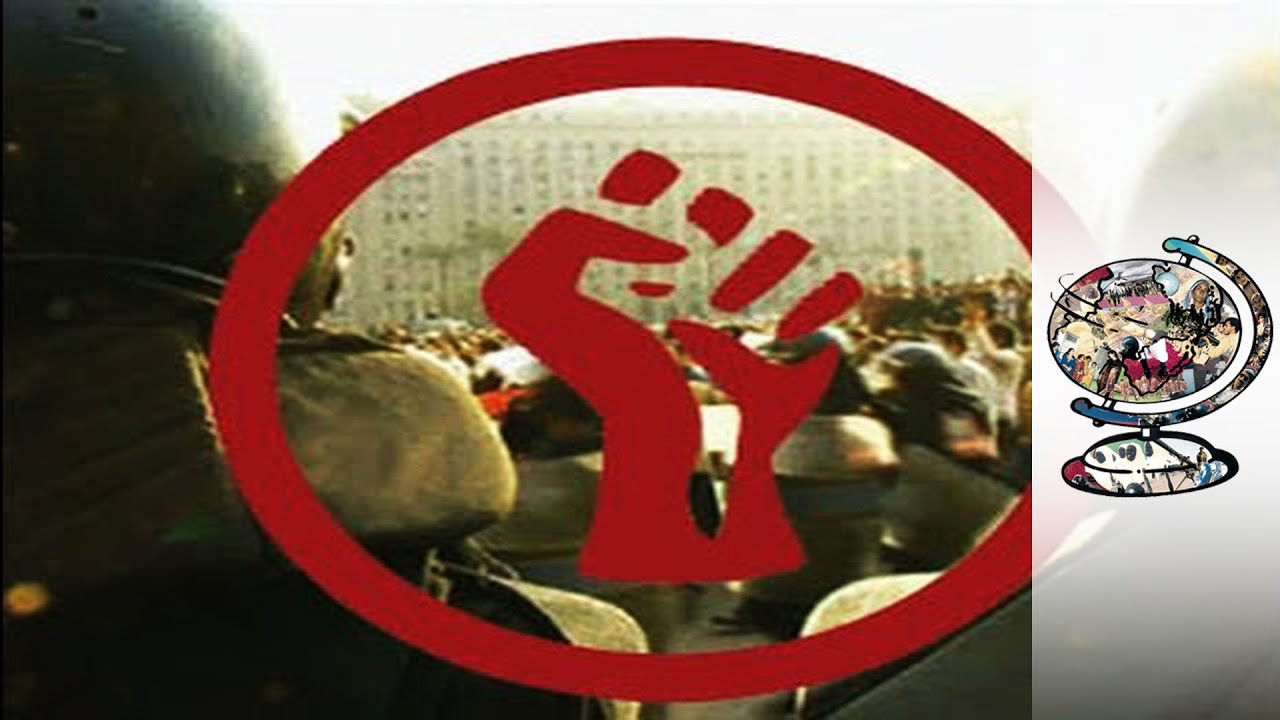
Eight or nine different countries are currently being targeted for revolutionary training by consultants who previously helped organize the Egyptian uprising.
Eswatini, ruled by King Mswati III for 38 years, faces widespread poverty and demands for democratic reform amid growing discontent among its citizens.
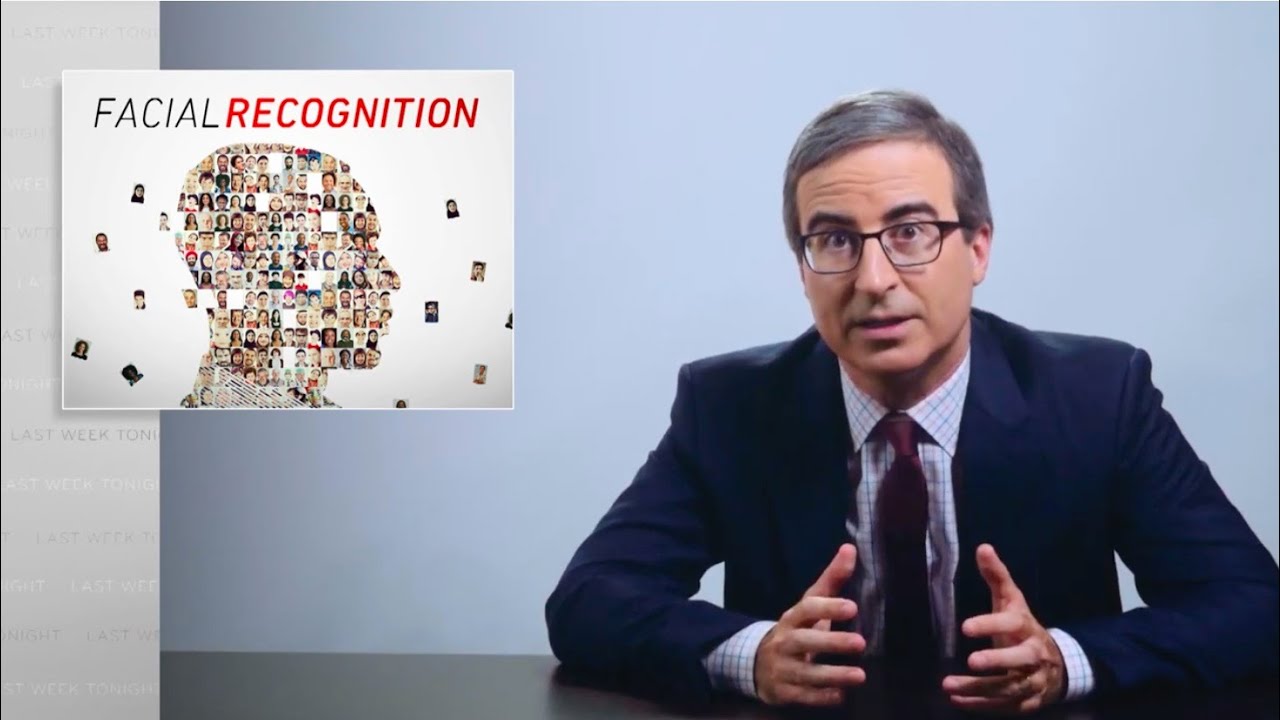
Facial recognition technology can identify individual fish, including those labeled as 'loser fish,' raising concerns about privacy and surveillance.
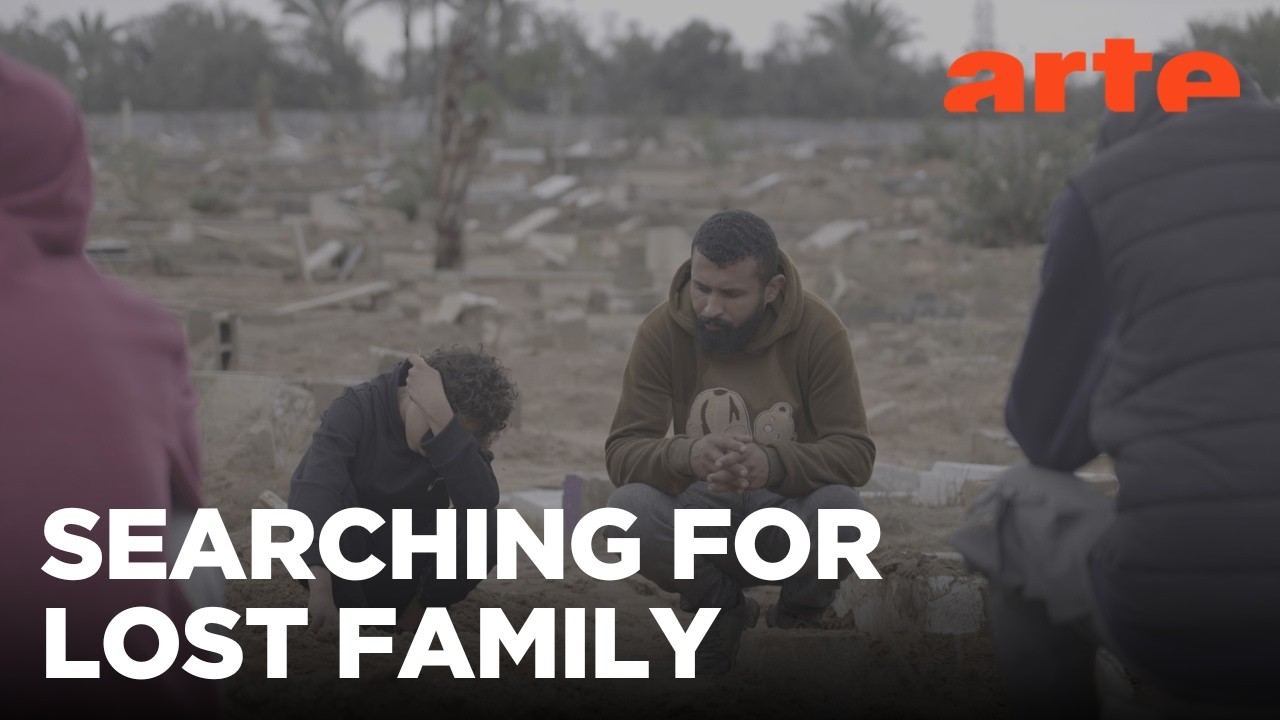
In the aftermath of a ceasefire, families in Gaza grapple with the heart-wrenching search for 11,000 missing loved ones amid ongoing violence.
Georgians are protesting against the government’s ‘Foreign Agents’ Bill, fearing it could jeopardize their country's bid for European Union membership.