From over 100,000 films, discover the handful you'll love.
Free or premium access to the world's largest documentary library.
81 films(Page 1 of 2)
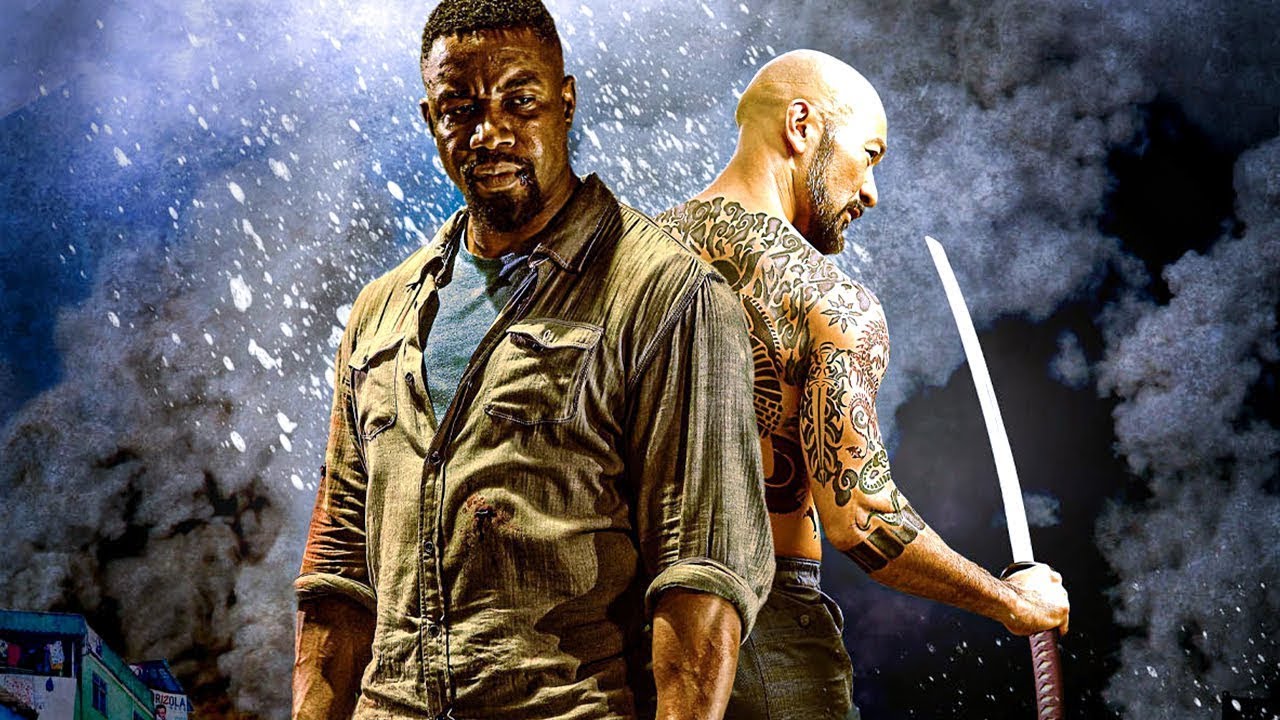
One ex-marine takes on a yakuza gang in Brazil after they leave his sister for dead, igniting a violent quest for revenge.
The Central Intelligence Agency was created in 1947 with a broad mandate to conduct covert operations and gather intelligence to protect U.S. interests.
440 square miles of restricted airspace surround Area 51, a military base in the Nevada desert confirmed by the CIA in 2013.
Project MK Ultra, a covert CIA program initiated after World War II, involved unethical experiments on unwitting subjects, leaving a lasting impact on society.
On July 7, 2005, four British citizens carried out suicide bombings in London, killing 52 people and marking a new phase in terrorism.
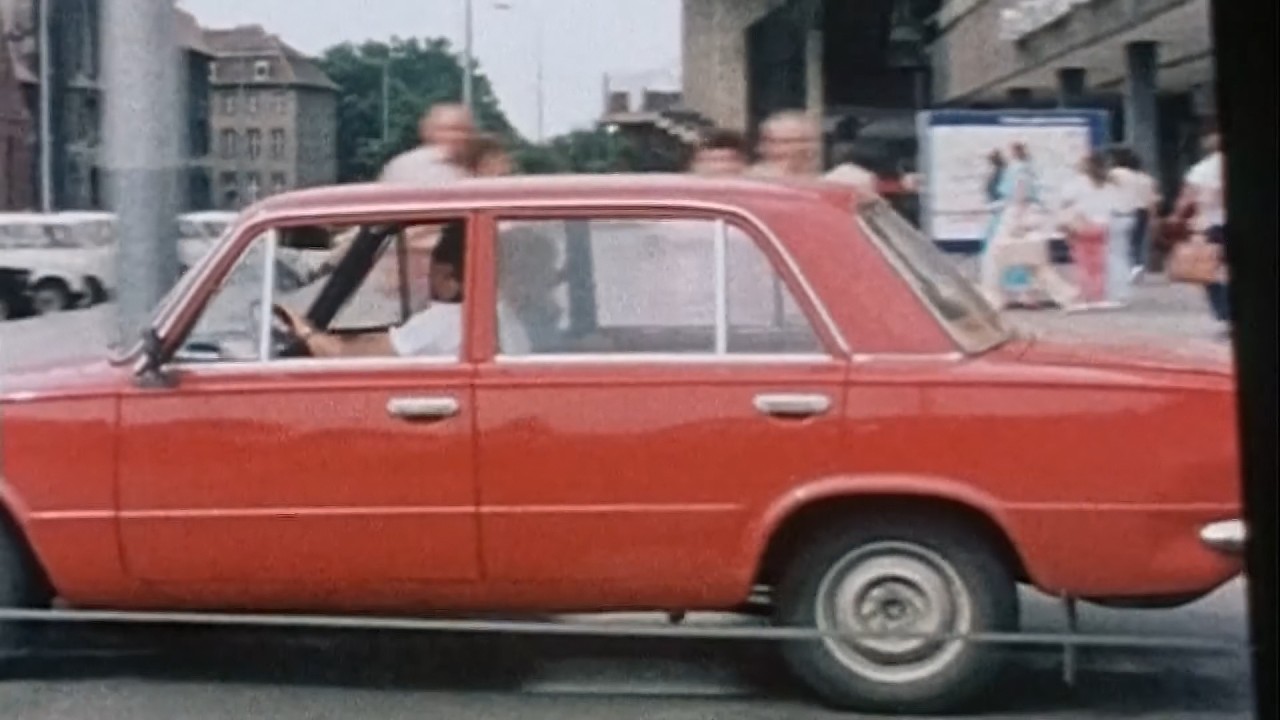
Peter Volta made nearly 100 trips between West Germany and East Berlin from 1978 to 1988, delivering information during the Cold War's secret intelligence battle.
At 28 years old, Kim Jong-Un became North Korea's leader, taking control of his father's nuclear weapons program and expanding it significantly.
Between May 1998 and May 1999, the CIA had two opportunities to capture Osama Bin Laden and eight chances to kill him.
Six American diplomats spend 85 days in hiding at the Canadian embassy during the 1979 Iranian hostage crisis before a CIA agent orchestrates their escape.
Oleg Penkovsky's espionage during the Cuban missile crisis helps avert nuclear war.
Over 200,000 North Korean troops launched a surprise attack on South Korea on June 25, 1950, marking the beginning of the Korean War.
A 19-year-old woman named Marita Loren was recruited by the CIA in 1959 to assassinate Fidel Castro using poison pills.
Matthew Alford investigates the suspicious death of Hollywood screenwriter Gary DeVore, suggesting CIA involvement to protect a government secret.
500 rebels faced an army of 6,000 in Guatemala during the CIA's Operation PB Success, aimed at toppling President Jacobo Árbenz in 1954.
CIA operations in South America, including the 'Deadly Phantom Coup' in Guatemala and assassination attempts on Fidel Castro and Che Guevara, are examined for their historical impact.
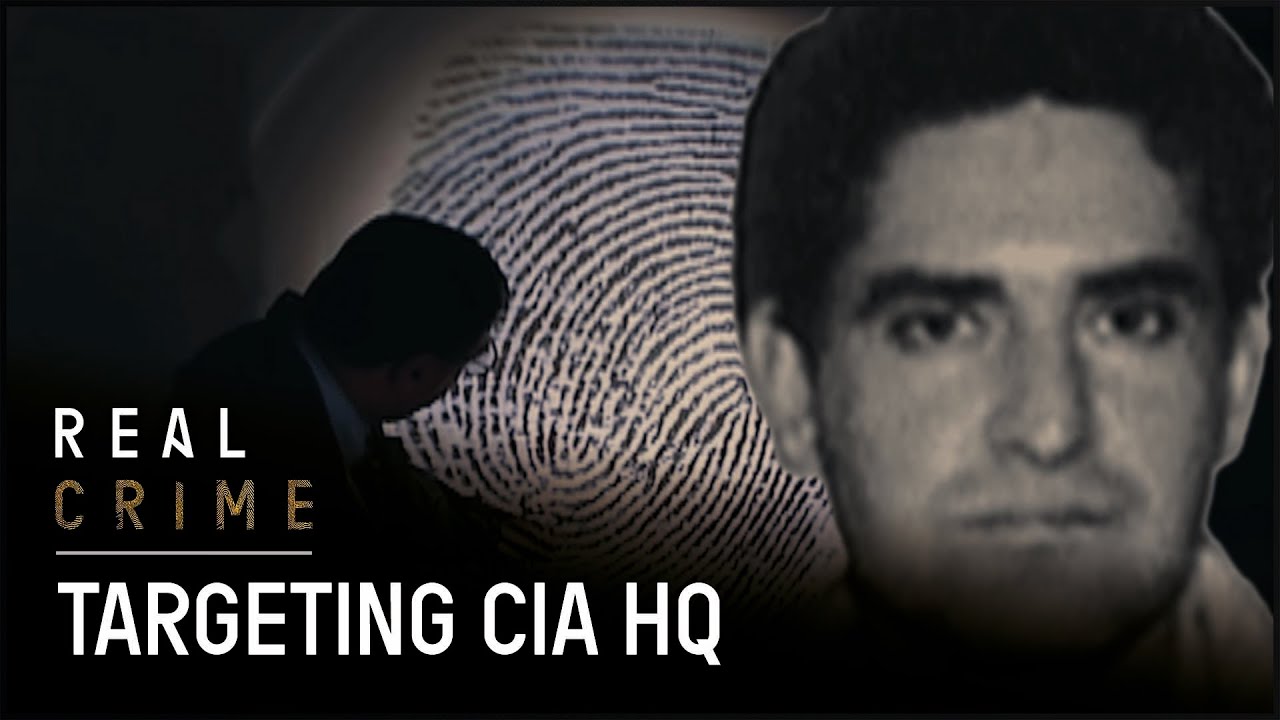
A brazen daytime shooting at CIA headquarters in Langley, Virginia, left two employees dead and sparked a five-year international manhunt.
Two people were killed during the riots that erupted when James Meredith became the first black student admitted to the University of Mississippi in 1962.
Mir Aimal Kansi kills two CIA employees in Virginia and injures others before fleeing to Pakistan.
Between 1978 and 1988, KGB agent Peter Wolter made nearly 100 trips from West Germany to East Berlin to deliver intelligence.
For the first time, the CIA successfully handled a well-placed agent in Moscow during the Cold War, marking a significant shift in intelligence operations.
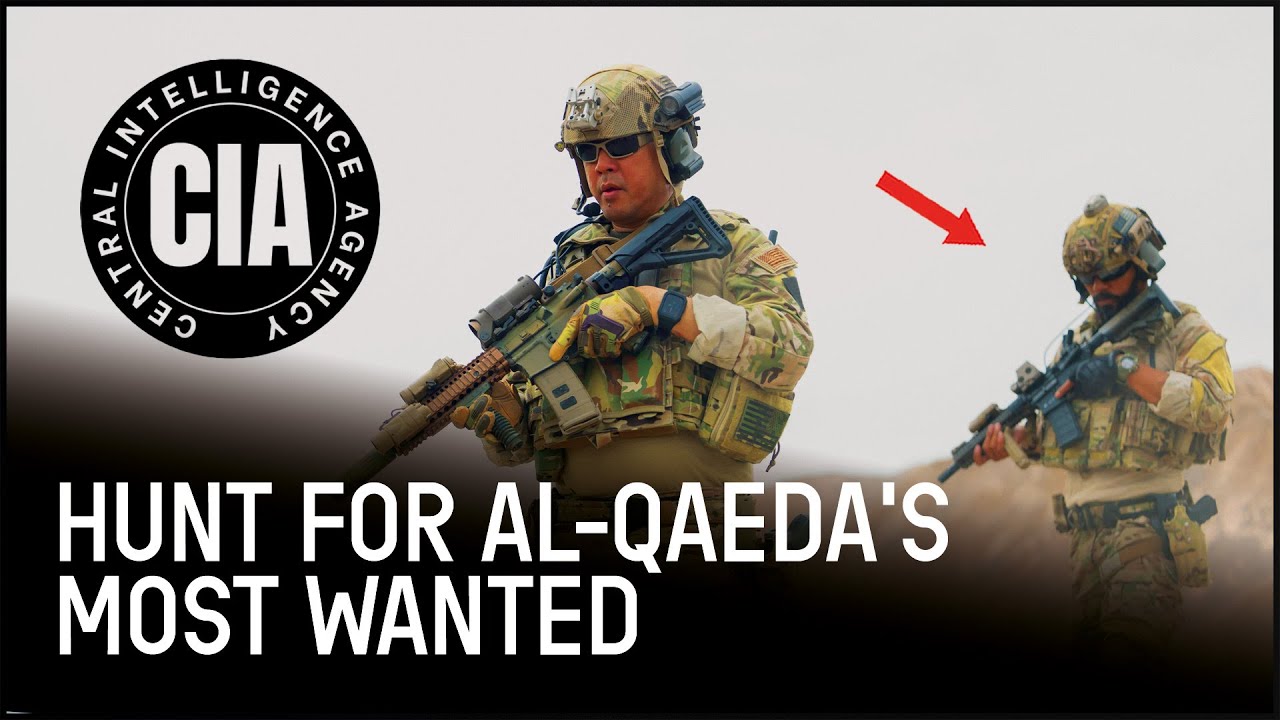
The 1998 embassy bombings in Africa initiated a relentless CIA-led hunt for al-Qaeda operatives, intensifying after the September 11th attacks.
Osama bin Laden's fifteen-year pursuit by the CIA is examined through declassified operations and firsthand accounts, highlighting the complexities of national security.
This episode reveals the CIA's efforts after the USS Cole attack and al-Qaeda's escalation.
In August 1951, the French village of Pont-Saint-Esprit experienced mass hallucinations and chaos, leading to speculation that the CIA may have poisoned its residents.
Dmitri Polyakov betrays Russia, becoming a key spy for the West during the Cold War.
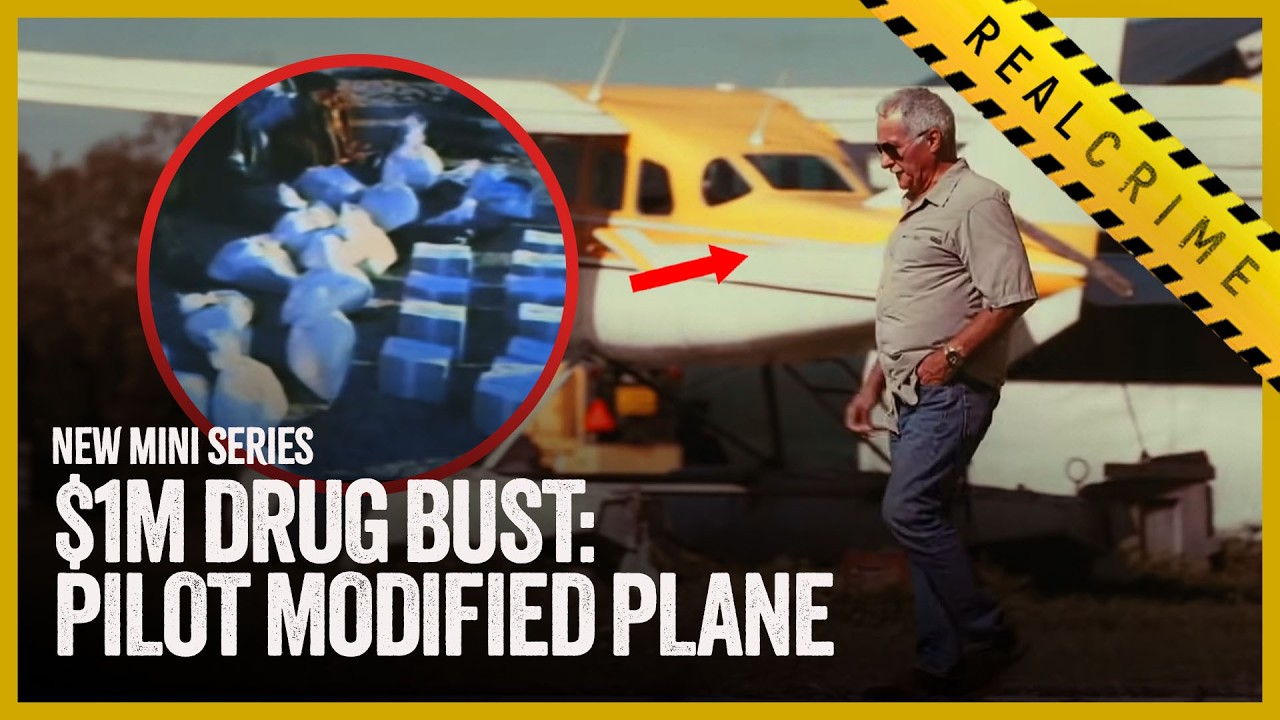
4,000 kilos of cocaine are smuggled from Colombia to Canada in what is described as the largest drug bust in Canadian history.
The CIA conducts Operation Celestial Balance to stop Al Qaeda's 1998 embassy bombers.
A billion dollars worth of cocaine was seized in what is considered the largest drug bust in Canadian history, involving covert CIA operations.
Eighty institutions received CIA contracts for mind control research, costing taxpayers the equivalent of 30 million dollars today.
Four Navy SEALs lost their lives during the 1983 operation in Grenada, with their empty coffins buried in Arlington Cemetery with full military honors.
Operation Celestial Balance highlights the mission of two CIA agents who, outnumbered 100-to-1, confront a Taliban uprising in an Afghan fortress.
In autumn 1983, NATO's Able Archer exercise raised alarms in Moscow, leading to fears of a potential nuclear first strike amid heightened Cold War tensions.
500 rebels confront a Guatemalan army of 6,000 in the CIA's first covert operation to overthrow a democratically elected government in 1954.
Christopher Boyce reveals his past as a CIA double agent selling secrets to the KGB.
For 50 years, agents from the CIA and KGB operated in Berlin, monitoring each other's movements amid the Cold War's intense rivalry.
In 1975, the FBI recruited mobster James Whitey Bulger to help take down the Patriarca crime family, granting him immunity from prosecution.
Germany served as a critical intelligence battleground during the Cold War, highlighting espionage efforts by NATO and the USSR, including the 1985 killing of Major Arthur D. Nicholson.
Eighty-six hostages are held at gunpoint during the hijacking of Lufthansa Flight 181, prompting a high-stakes rescue operation by special forces.
Raymond Boulanger recounts his life as a CIA pilot turned drug trafficker for Escobar.
A gunman shot six employees of the Central Intelligence Agency during rush hour in Langley, Virginia, resulting in three fatalities on January 25, 1993.
Philip Mudd, former deputy director of the CIA Counterterrorist Center, reflects on the agency's secret detention program established after 9/11.
The CIA uses a fake movie in Operation Hollywood to rescue Americans from Tehran in 1979.
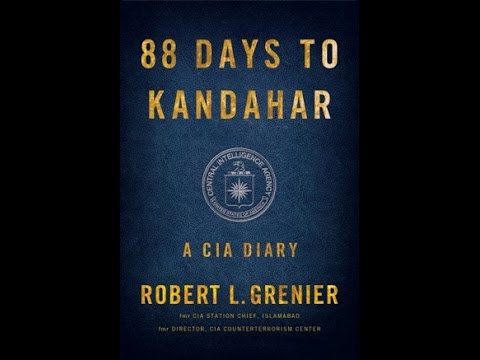
Robert Grenier, a 27-year veteran of the CIA, organized and directed special forces teams that drove the Taliban from southern Afghanistan in 2001.
175 years is the potential prison sentence Julian Assange faces in the U.S. for publishing classified documents, as he remains detained in Belmarsh prison.
David Grant moderates a panel on espionage featuring Tony Mendes at the New Yorker Festival.
A panel discussion at the 2011 New Yorker Festival features four experts, including Pulitzer Prize-winning biographer Stacy Schiff and a CIA intelligence officer.
Seven people died and 300 were poisoned in August 1951 when residents of Pont-Saint-Esprit experienced mass hallucinations after consuming contaminated bread.
In Tehran, Tony Mendez uses Hollywood tricks to rescue six U.S. diplomats in danger.