From over 100,000 films, discover the handful you'll love.
Free or premium access to the world's largest documentary library.
87 films(Page 1 of 2)
A lawyer in Guatemala City was shot while cycling in May 2009, days after accusing President Alvaro Colom of orchestrating his assassination.
Dr. Martin Luther King Jr. led significant events in the civil rights movement, including the Montgomery Bus Boycott and the March on Washington.
Liaquat Ali Khan, Pakistan's first Prime Minister, was assassinated in 1951, sparking speculation about the involvement of foreign powers and local conspirators.
Caligula was assassinated on January 22, 41 AD, after just four years in power, leaving behind a legacy marked by rumors of tyranny and excess.
Alexander Litvinenko's assassination by poisoning in London in 2006 is examined through key testimonies and an international investigation linking to the Kremlin.
January 20, 1969, marked the day Robert F. Kennedy was set to take the oath of office as the 37th president of the United States.
On November 4, 1995, Yitzhak Rabin was assassinated, marking the first time a sitting Israeli prime minister was killed in the country's history.
Mossad's Kidon unit, comprising 50 elite agents, conducts global assassinations of Israel's enemies, employing various techniques and facing significant diplomatic repercussions.
John Fitzgerald Kennedy's presidency ended on November 22, 1963, in Dallas, Texas, amid a backdrop of political intrigue and personal scandal.
Julius Caesar was stabbed 23 times by 23 assassins on the Ides of March, a murder that significantly altered the course of Western civilization.
John Gotti, infamous for his violent rise as head of the Gambino crime family, orchestrated key assassinations that ultimately led to his arrest and conviction.
Kennedy's trip to Dallas in November 1963 aimed to unify the Democratic Party ahead of the 1964 campaign, but ended with his assassination.
In Pyongyang, tourists experience life under Kim Jong Un's autocracy while exploring his past in Switzerland and the murder of his half-brother in Malaysia.
Kennedy was shot in the head while riding in a car with Texas Governor Connally, leading to a national crisis and a reevaluation of his enemies.
Jared Lee Loughner's violent attack on congresswoman Gabrielle Giffords in Tucson on January 8, 2011, left six dead and raised questions about his motivations.
Kim Jong-nam, the half brother of North Korean leader Kim Jong-un, was assassinated in 2017 at a Malaysian airport, revealing the regime's lethal tactics and intentions.
John F. Kennedy's assassination on November 22, 1963, remains a pivotal event in American history, shrouded in controversy and speculation about the true circumstances.
Martin Luther King Jr's assassination is scrutinized, questioning the official narrative and exploring potential conspiracies behind the silencing of a civil rights icon.
Iran-backed Shia militias in Iraq are implicated in a series of targeted assassinations against critics, including protesters, businesspeople, and politicians.
John Wilkes Booth's fate after assassinating Abraham Lincoln is questioned in this episode.
Elite troops throughout history, from Ancient Greece to the Aztec Empire, executed complex assassination missions that shaped the fate of nations.
John F. Kennedy's presidency features the Cuban Missile Crisis and an inspiring call to service.
Commodus, the Roman Emperor, inherits the throne from Marcus Aurelius and styles himself as Hercules.
Numerous factions within Nazi Germany plotted to assassinate Adolf Hitler during World War II, employing various strategies that ultimately failed.
Mark White addresses the most searched questions about John F Kennedy, exploring his life, presidency, and the controversies surrounding his legacy.
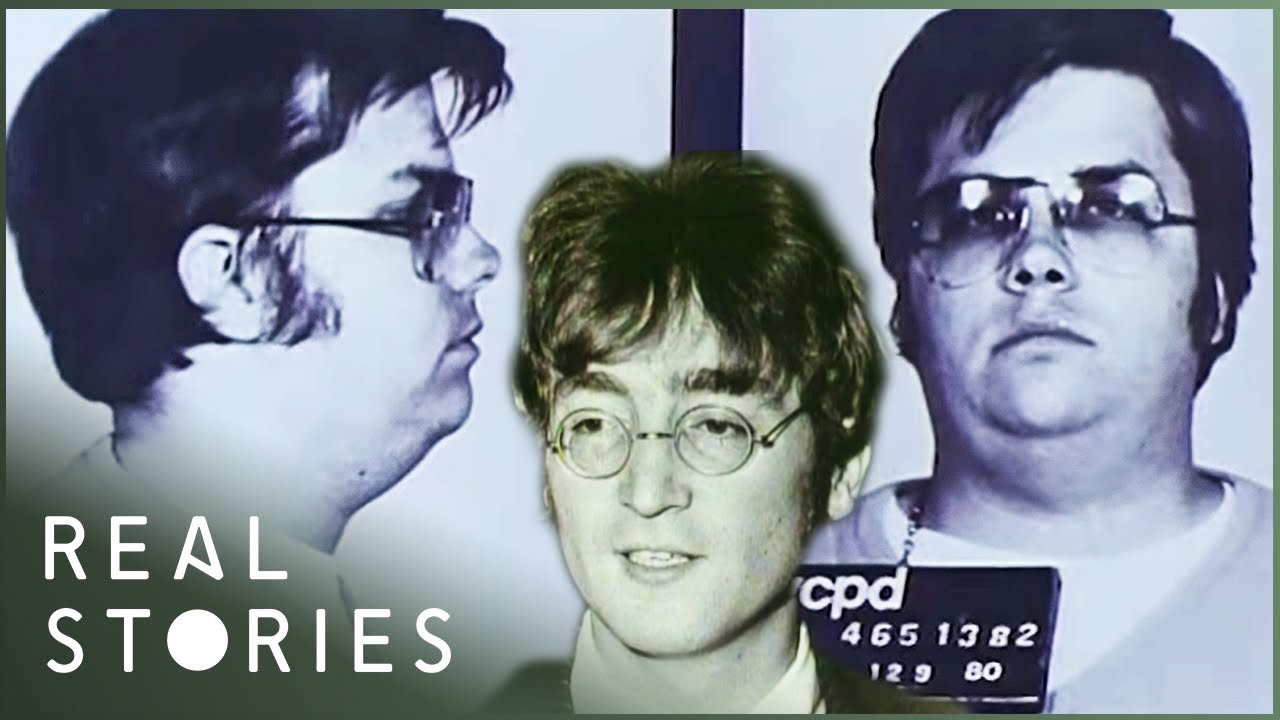
Mark Chapman shoots John Lennon, revealing the motives behind this tragic event.
Assassination attempts on Hitler during World War II, including Georg Elser's bomb plot and the military's Operation Valkyrie, ultimately failed despite their high stakes.
John Lennon is assassinated by Mark David Chapman outside his New York City apartment.
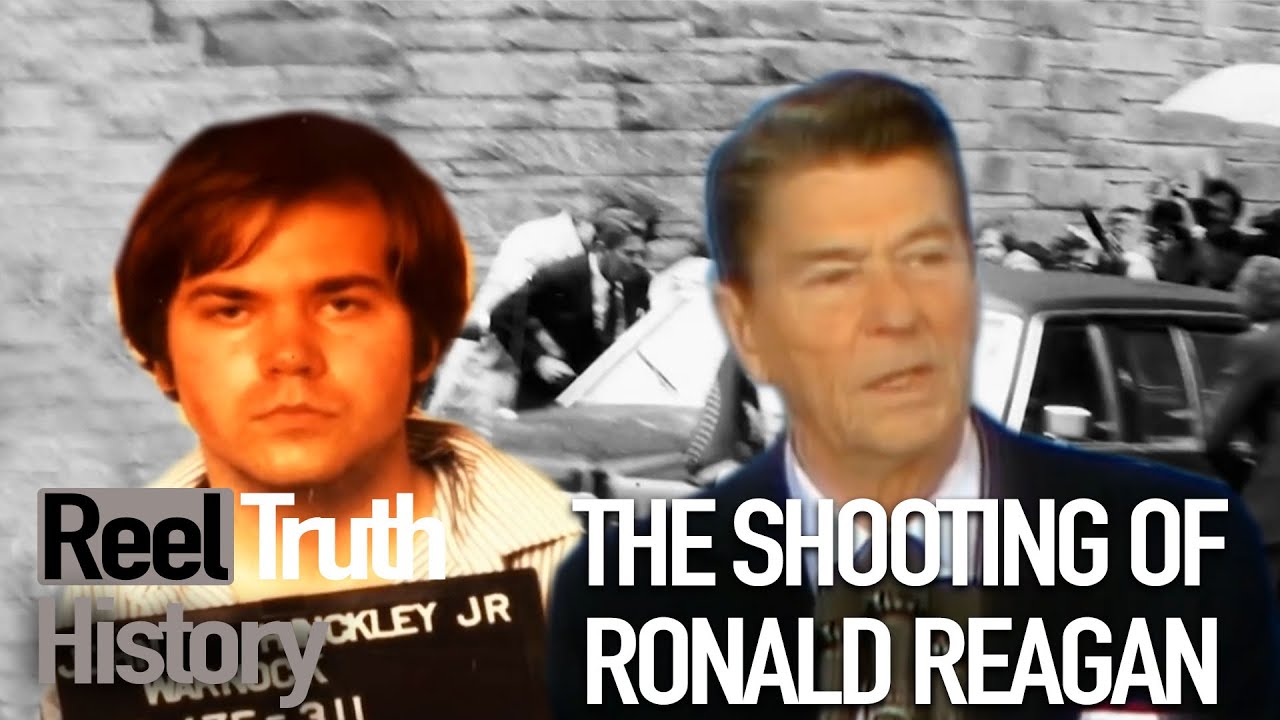
Ronald Reagan faced an assassination attempt on March 30, 1981, by John Hinckley Jr., a pivotal event recounted by those who experienced it firsthand.
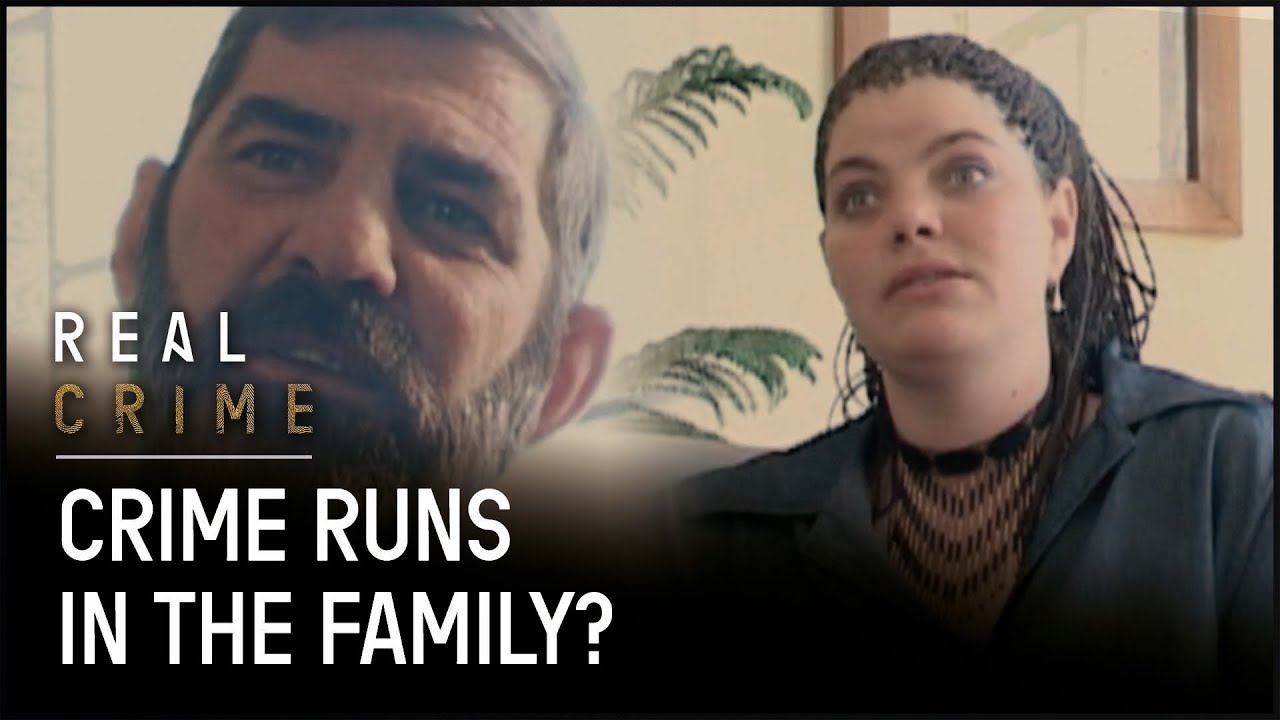
Louis van Schoor, a former security guard, killed 39 men in the 1980s, while his daughter Sabrina was imprisoned for hiring an assassin to kill her mother.
The assassination of Kurdish activists Sakine Cansiz, Fidan Dogan, and Leyla Soylemez in Paris raises questions about the Turkish Secret Service's involvement.
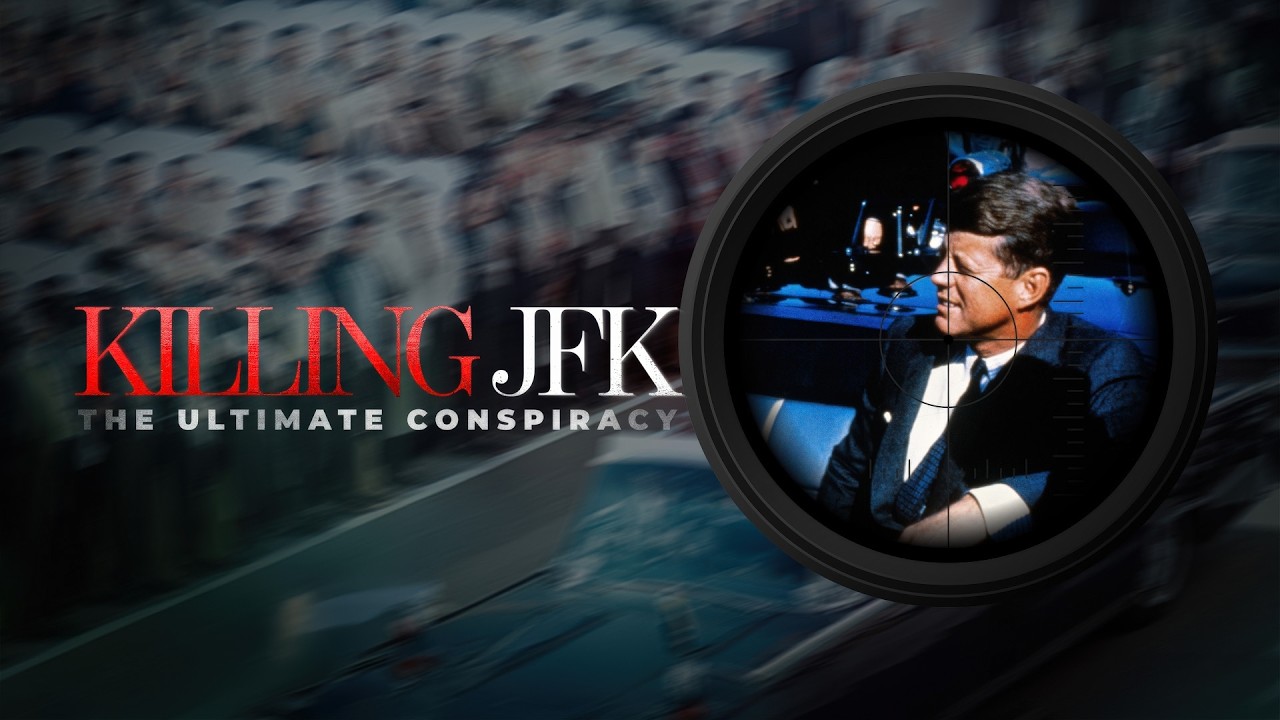
The assassination of President John F. Kennedy on November 22, 1963, raises questions about a conspiracy involving the CIA, Mafia, and political figures.
Political assassinations, from JFK to Trump, have profoundly altered nations, reshaping political landscapes and leaving lasting societal legacies.
Kennedy was shot in the head while riding in a car with Texas Governor Connally on November 22, 1963, a moment that changed the nation.
One p.m.
Abraham Lincoln's assassination and its aftermath highlight the nation's profound loss, turbulent personal life, and enduring legacy of justice and peace.
Journalist Zhanna Nemtsova stepped into her father's shoes to carry forward his vision of free speech and democracy after he was tragically assassinated in 2015 for opposing Putin.
John Fitzgerald Kennedy was born on May 29, 1917, into a Boston Irish family and became the 35th president of the United States.
In Medelln, John Jairo Velasquez, known as Popeye, reflects on his life as Pablo Escobar's assassin, revealing his past of violence and current status as a wanted man.
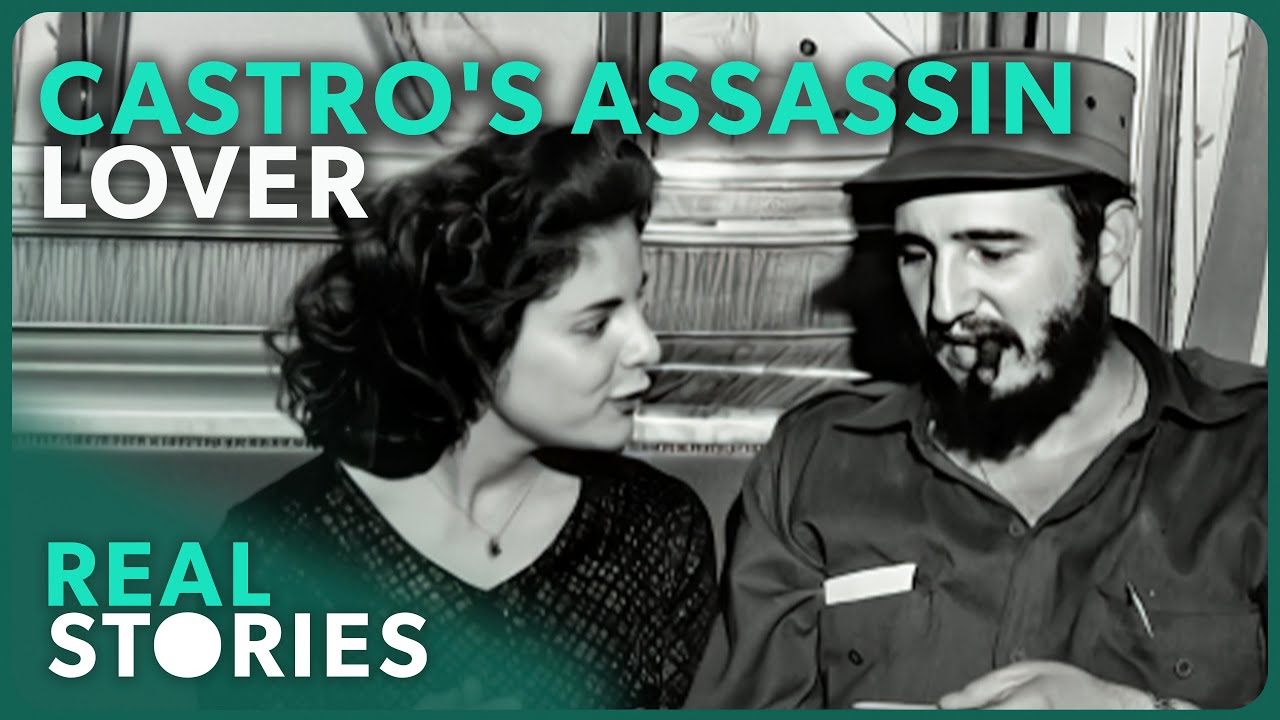
Marita Lorenz, Fidel Castro's 19-year-old lover, was recruited by the CIA to assassinate him using poison pills in a high-stakes intelligence operation.
Alexander Litvinenko, a Kremlin critic, was poisoned with polonium after meeting his friend Alexei Lugovoi, raising suspicions of a deeper conspiracy involving the FSB.
Maltese journalist Daphne Caruana Galizia was assassinated in 2017 for her investigative reporting on government corruption, with her murder remaining largely unsolved.
John F. Kennedy's assassination on November 22, 1963, ignited a wave of conspiracy theories and ongoing debates about the truth behind his death.
Arab extremists in the Philippines plotted in 1995 to assassinate the Pope and use aircraft as flying bombs against American targets.
Political assassinations in Cambodia have escalated under Prime Minister Hun Sen's regime, with numerous opposition figures and journalists facing deadly repercussions for dissent.
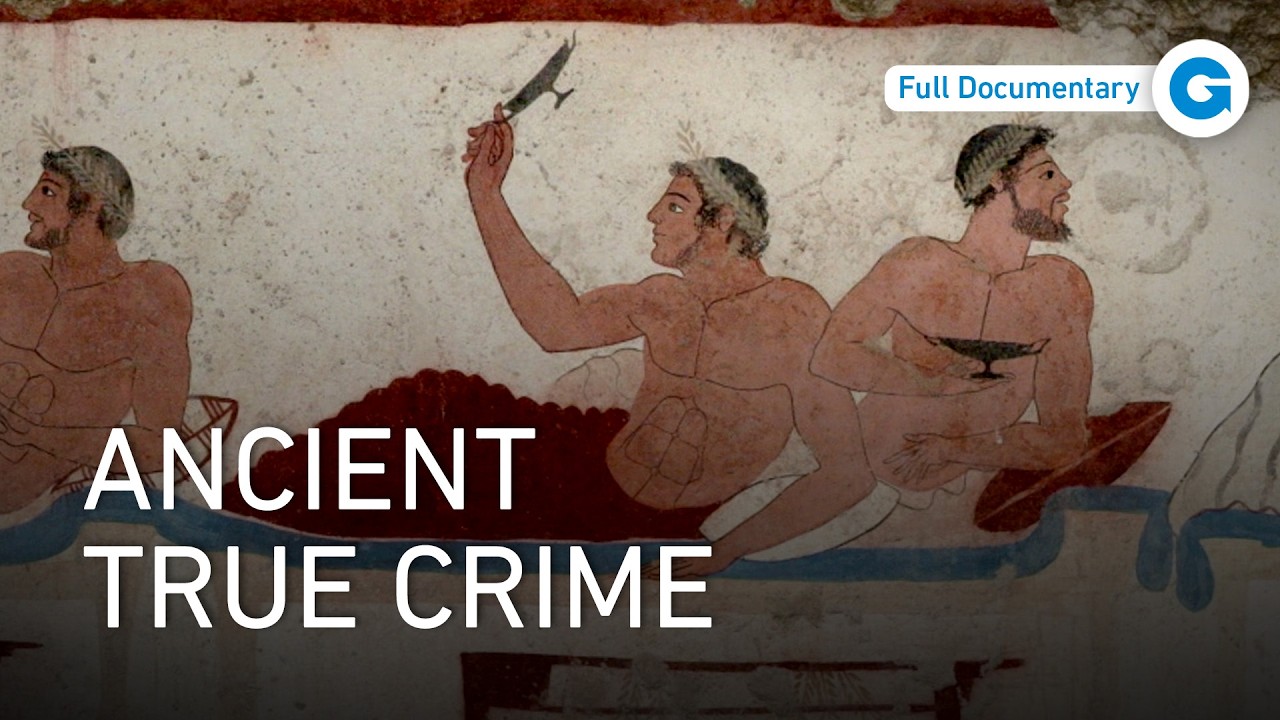
Ötzi the Iceman's murder, the conspiracy against King Philip II, and the assassination attempt on China's first emperor reveal complex historical intrigues.
The 1960s marked a pivotal era in the quest for freedom in America, characterized by significant events like the assassinations of President Kennedy and Martin Luther King.
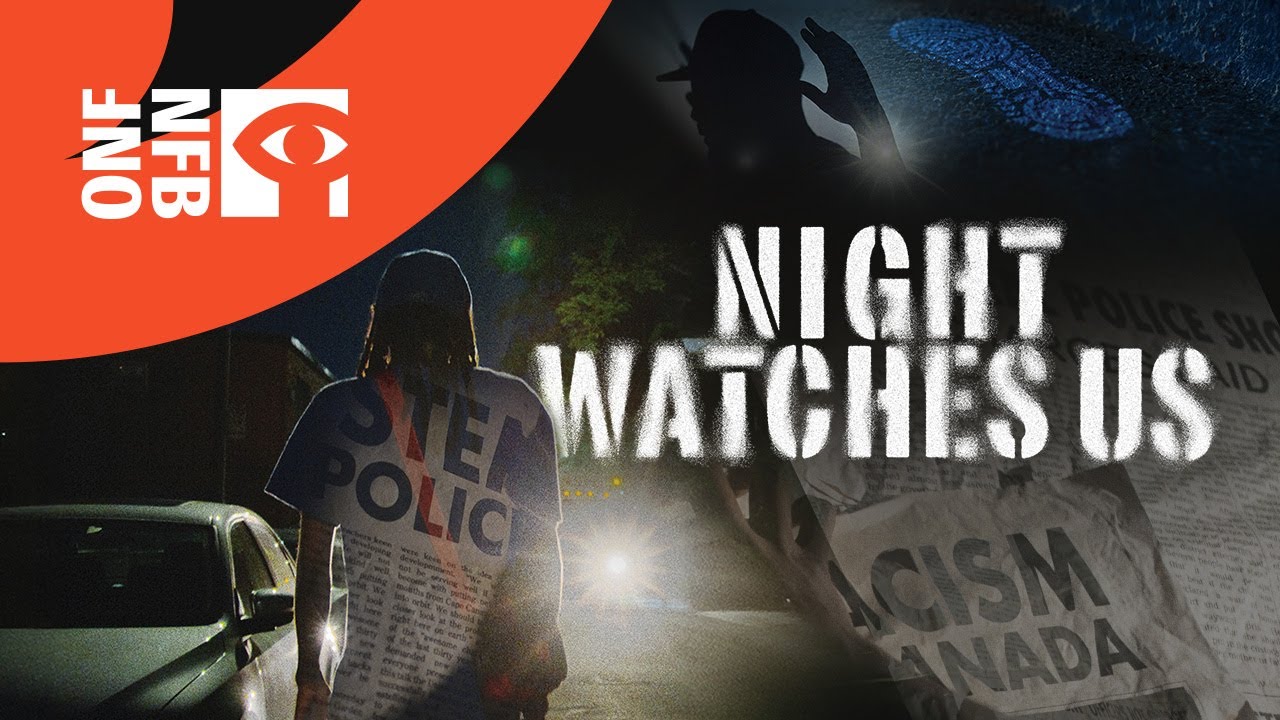
In Montreal, the death of 23-year-old Nicholas Gibbs during a mental health crisis highlights systemic racism and police violence, prompting community calls for justice.