From over 100,000 films, discover the handful you'll love.
Free or premium access to the world's largest documentary library.
548 films(Page 10 of 12)
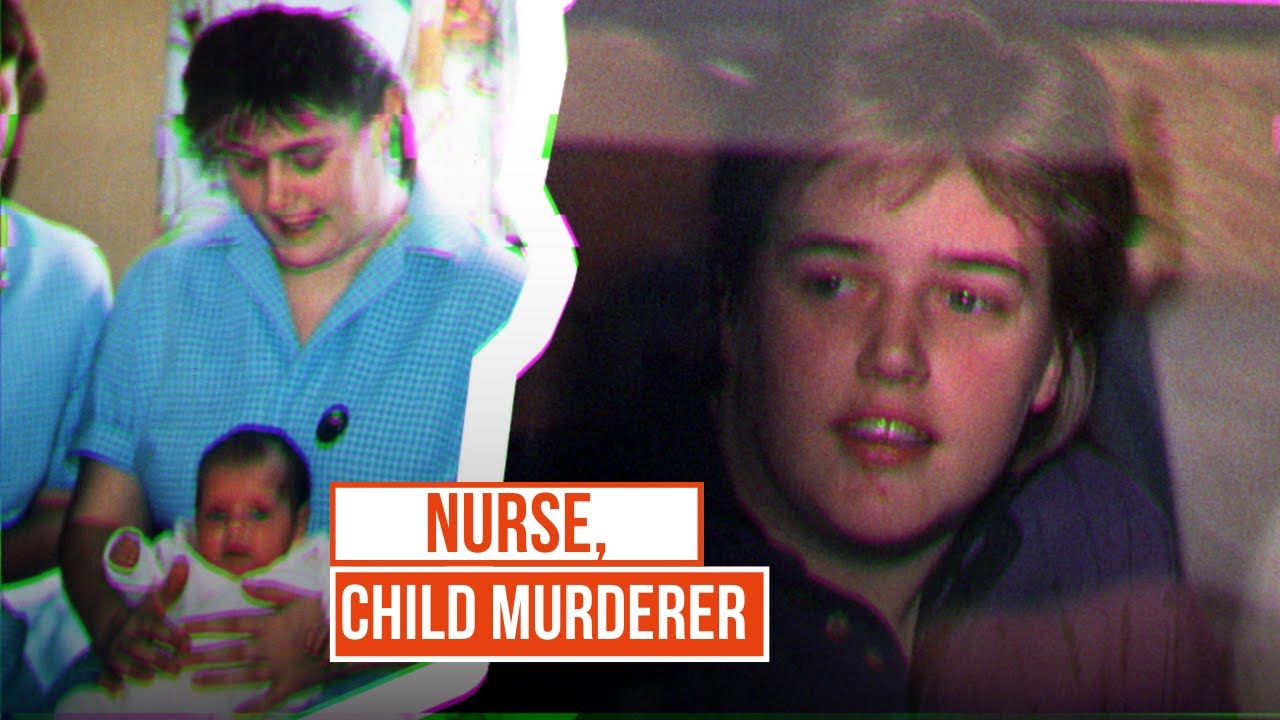
Beverley Allitt, a nurse at Grantham and Kesteven Hospital in the UK, was convicted in 1993 of murdering four children and injuring nine others.
In South Africa, journalist Ade Adepitan spends a week in Orania, a town established as a "whites only" community, reflecting on its apartheid-era legacy.
Victorino Chua, a nurse at Stepping Hill Hospital, poisoned patients with insulin in 2011, leading to several fatalities before the wrong suspect was arrested.
On 15th August 1998, a car bomb in Omagh, County Tyrone, killed 29 people and two unborn babies, marking one of the deadliest attacks during the Northern Ireland conflict.
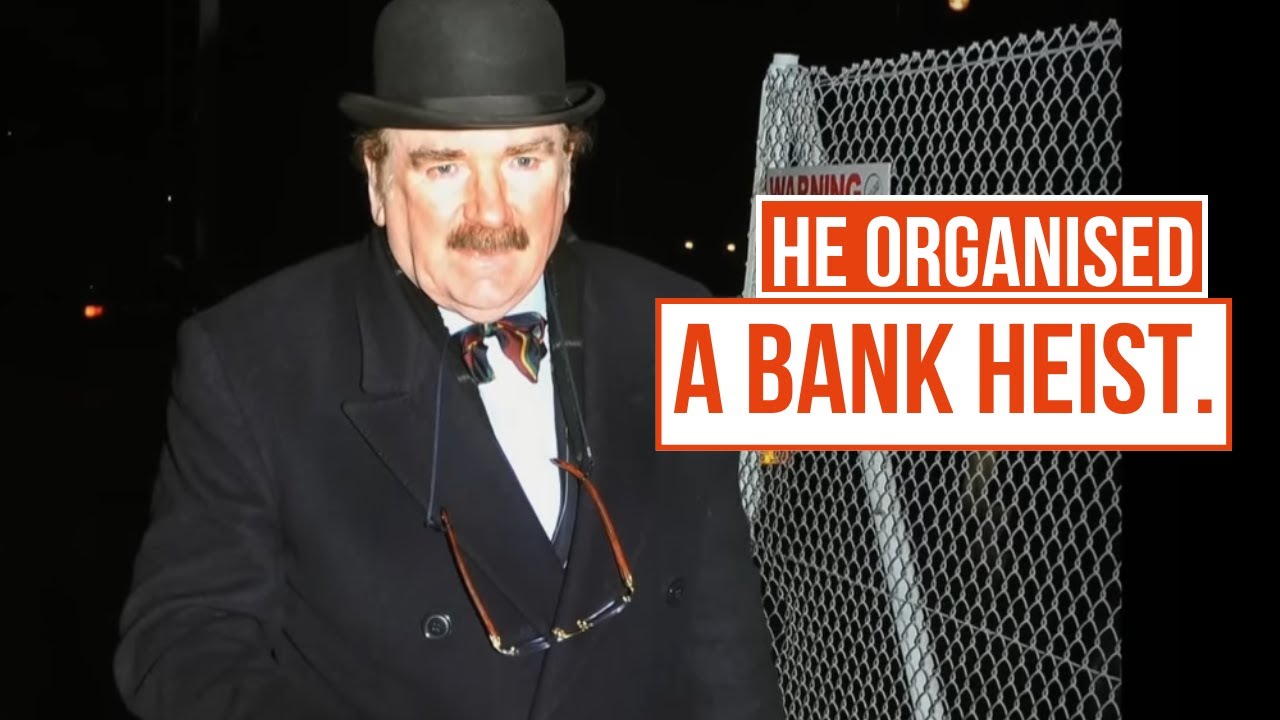
A distinctive ponytail and a single glove lead law enforcement to identify a violent gang involved in a high-tech bank heist.
Brooke Shields faced relentless harassment from stalkers, particularly John Rinaldi and Mark Bailey, who spent 45 years pursuing her.
Myra Hindley and Ian Brady's Moors Murders are examined through interviews with Keith Bennett's family, who continue to seek his remains.
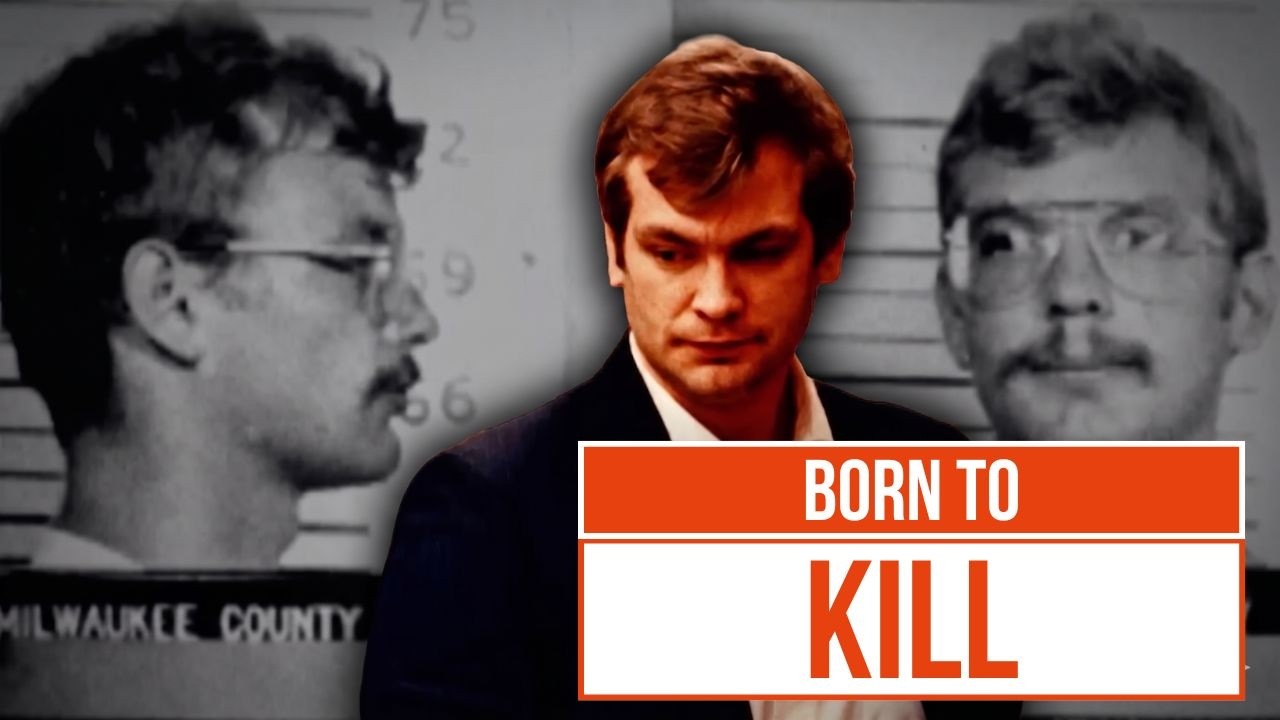
Investigators analyze the motives and methods of notorious murderers, revealing the psychological factors that drive individuals to commit brutal crimes.
Anders Breivik, a privileged Norwegian, transformed into a racist right-wing extremist who targeted children during the 2011 Utøya massacre.
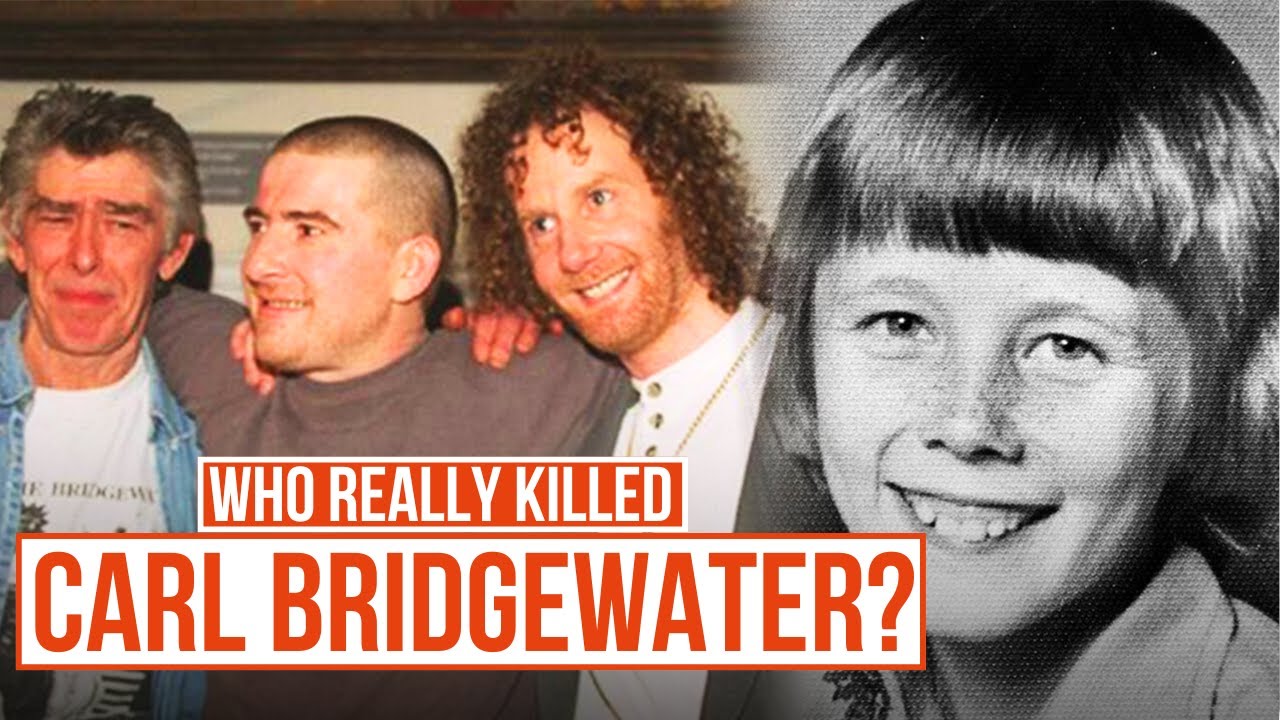
Ann Whelan's two-decade campaign to exonerate her son Michael Hickey leads Professor David Wilson to investigate inconsistencies in Bert's alibi regarding the murder of Carl Bridgewater.
An anonymous tip-off leads to the investigation and eventual takedown of a notorious pet food company implicated in widespread animal cruelty.
In Newport, the 1992 murder of Ladbrokes manager Sian Collier by gambling addict Anthony Clapham over a £400 debt shocked the community and led to his arrest.
Ernest Wright, Roy Whiting, and Donald Andrews are among the criminals highlighted for reoffending after being released from prison, raising concerns about the justice system's failures.
Routine traffic stops by police officers often lead to significant breakthroughs in criminal investigations, highlighting their crucial role in public safety.
Lebanese-Australian crime kingpin Michael Kanaan's volatile temper and deep insecurity led to a ruthless approach to eliminating anyone who crossed him.
John Frederick "Chow" Hayes, known as Australia's first gangster, built a notorious reputation through extortion, violence, and ruthless executions in the criminal underworld.
Dino Dibra, raised in a tough working-class suburb of Melbourne, became a key figure in the city's underworld alongside his childhood friends.
Dubious forensic techniques, including touch DNA and cadaver dogs, have led to the wrongful convictions of innocent individuals in various criminal cases.
John Worboys, a London black cab driver, exploited vulnerable women for years before police connected his crimes, leading to his eventual arrest and trial.
In elite South Africa, privileged student Anthony Holdom brutally murders his family with an axe, while a mother and daughter are found dead in a suitcase in outback South Australia.
AlphaBay, the largest dark web marketplace, facilitated over $800,000 in daily transactions until its founder, known as Alpha02, was apprehended by international law enforcement.
Fred and Rose West, notorious British serial killers, murdered ten girls between 1973 and 1979, with their crimes revealed after bodies were found in their Gloucester garden in 1994.
A missing persons report in a small town leads to a significant human trafficking bust, highlighting the critical role of everyday police work in solving major crimes.
Routine police work in the United States reveals how minor offenses can lead to the dismantling of major drug trafficking networks and arrests of key figures.
Ordinary police work in cities across the United States reveals how minor incidents can lead to significant breakthroughs in major criminal investigations.
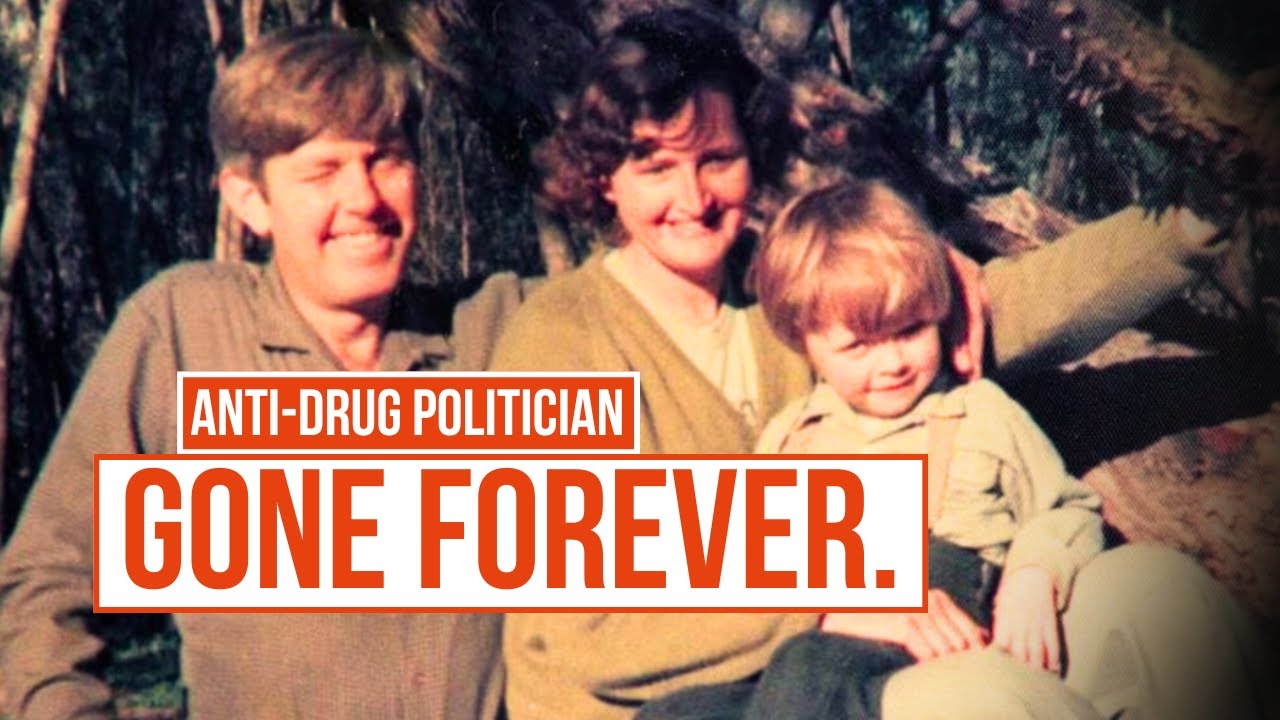
The disappearance of anti-drugs campaigner Donald Mackay in Griffith, NSW, is examined in light of new revelations following the death of mafia boss Antonio Sergi.
DNA evidence links a brutal double murder in the Midlands to the suspected serial killer known as the Midlands Ripper.
In Silverthorne, Colorado, a photographer's wife disappears, while in Darby, Montana, police investigate the murder of a husband with his wife and mistress as suspects.
In Bristol, a dangerous arsonist challenges Covid measures, while Manchester police tackle a drug smuggling operation and Cheshire authorities address animal cruelty.
In 1985, PC Keith Blakelock was murdered during the Broadwater Farm riots in North London, with no one brought to justice despite extensive investigations.
Peter Sutcliffe, known as the "Yorkshire Ripper," murdered 13 women in northern England between 1975 and 1980, highlighting significant police failures in the investigation.
Dale Cregan gained notoriety in September 2012 for the murders of police officers Nicola Hughes and Fiona Bone in Hattersley, Manchester, following earlier killings of David and Mark Short.
Buddy serial killers, such as the Hillside Stranglers and the Beltway Snipers, share a disturbing bond through their collaborative acts of murder.
Nik Radev, a notorious Melbourne gangster, terrorized the city for two decades through violence and intimidation before his eventual assassination.
Cybersex crime in the UK significantly impacts young individuals, prompting James Blake to explore its effects and the technological measures used to combat it.
Ordinary police officers often make significant breakthroughs in major criminal cases through routine stops and checks, as illustrated in various true crime stories.
Ron Keine and three friends were wrongfully convicted of murder in Albuquerque and spent two years on death row before being exonerated through investigative journalism.
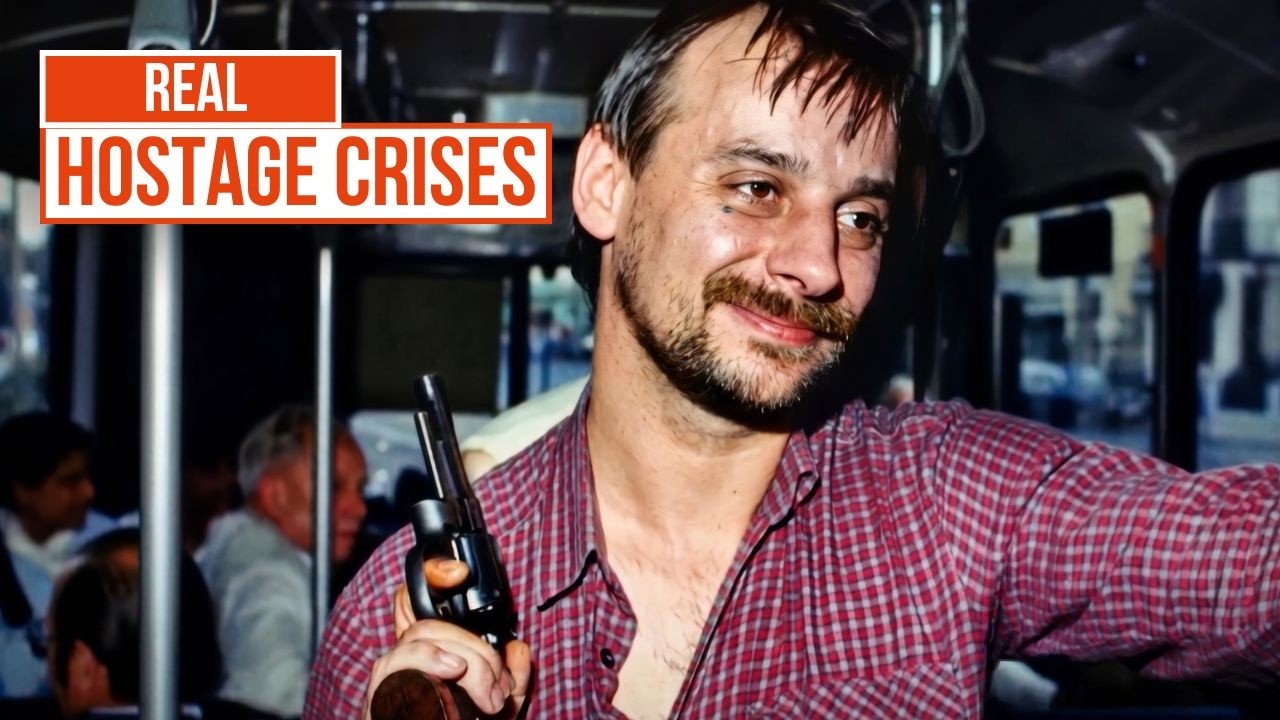
The Beslan School Siege, Gladbeck Hostage Crisis, and Moscow Theater Hostage Crisis highlight the intense psychological and tactical challenges faced by law enforcement during hostage situations.
Professor David Wilson examines the psyche of Bert Spencer, the prime suspect in the 1976 murder of Carl Bridgewater, who was later convicted for a similar crime.
In County Durham, an elite police team offers offenders a chance to reform through a 16-week program instead of facing prison time.
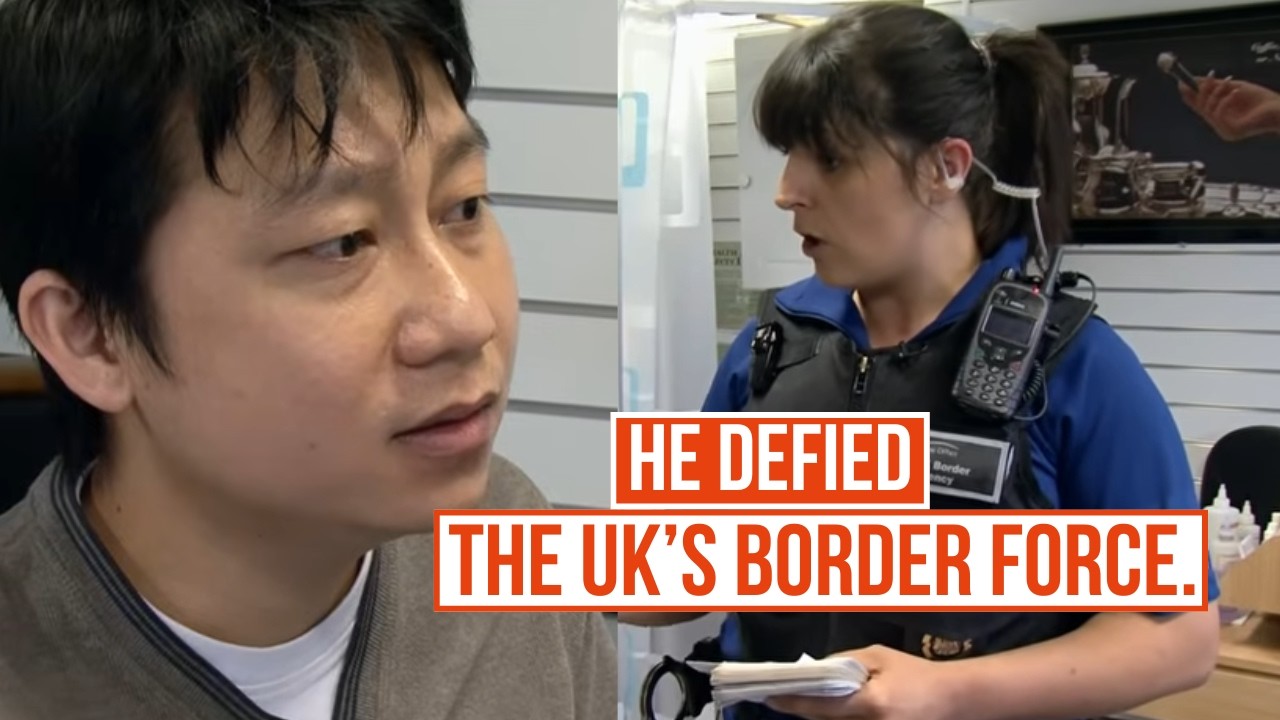
In a nail salon in the UK, an immigrant's struggle for a better life highlights the challenges faced by Border Force officers combating illegal immigration.
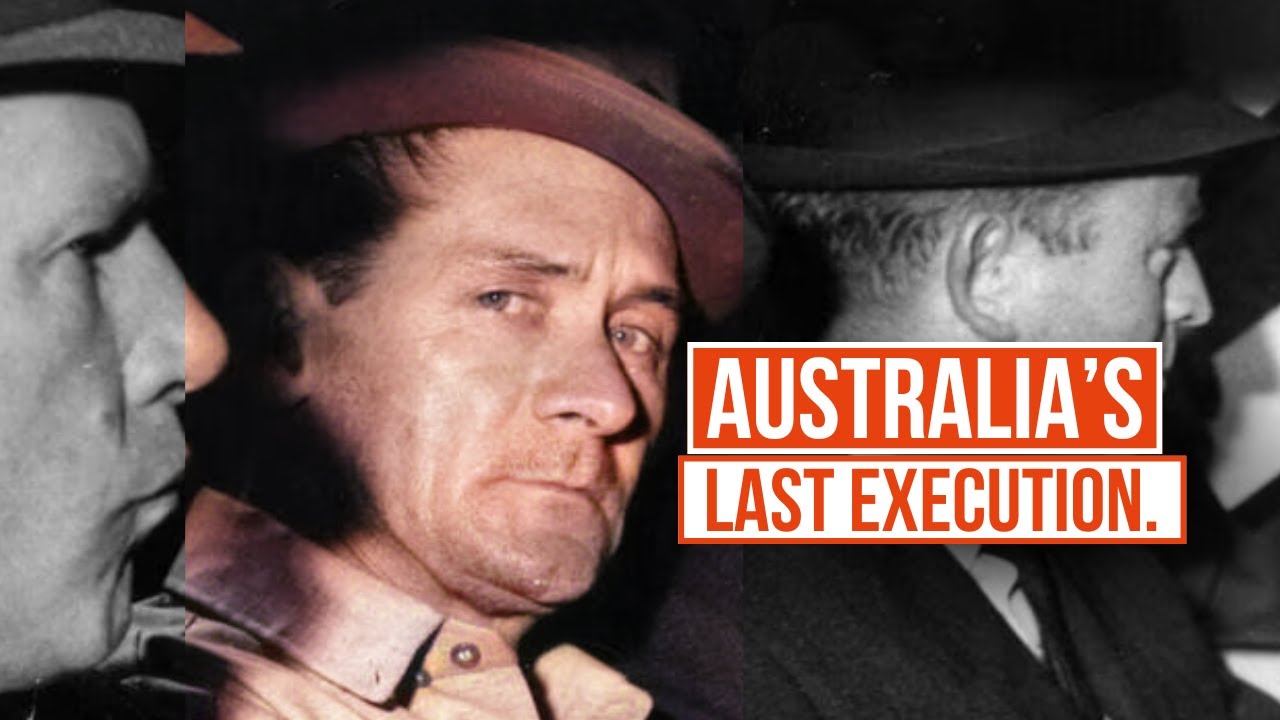
The last execution in Australia involved a notorious prison break using a rope made of dental floss, which ultimately sealed the fate of the escapee.
An ordinary stop and search by police can unexpectedly escalate into a kidnapping case, highlighting the unpredictable nature of crime investigations.
In east London, the murders of three young gay men between 2014 and 2015 revealed the crimes of Stephen Port, a serial killer who targeted vulnerable individuals.
A blood-stained shopping trolley and distinctive curtains serve as crucial evidence in solving a violent assault and a phone theft, respectively.
George David Freeman, a notorious figure in Sydney's organized crime scene during the 1970s and '80s, operated illegal casinos and was linked to the drug trade.
Ordinary police officers across various communities demonstrate how routine stops can lead to significant breakthroughs in criminal investigations and prosecutions.