From over 100,000 films, discover the handful you'll love.
Free or premium access to the world's largest documentary library.
56 films(Page 1 of 2)
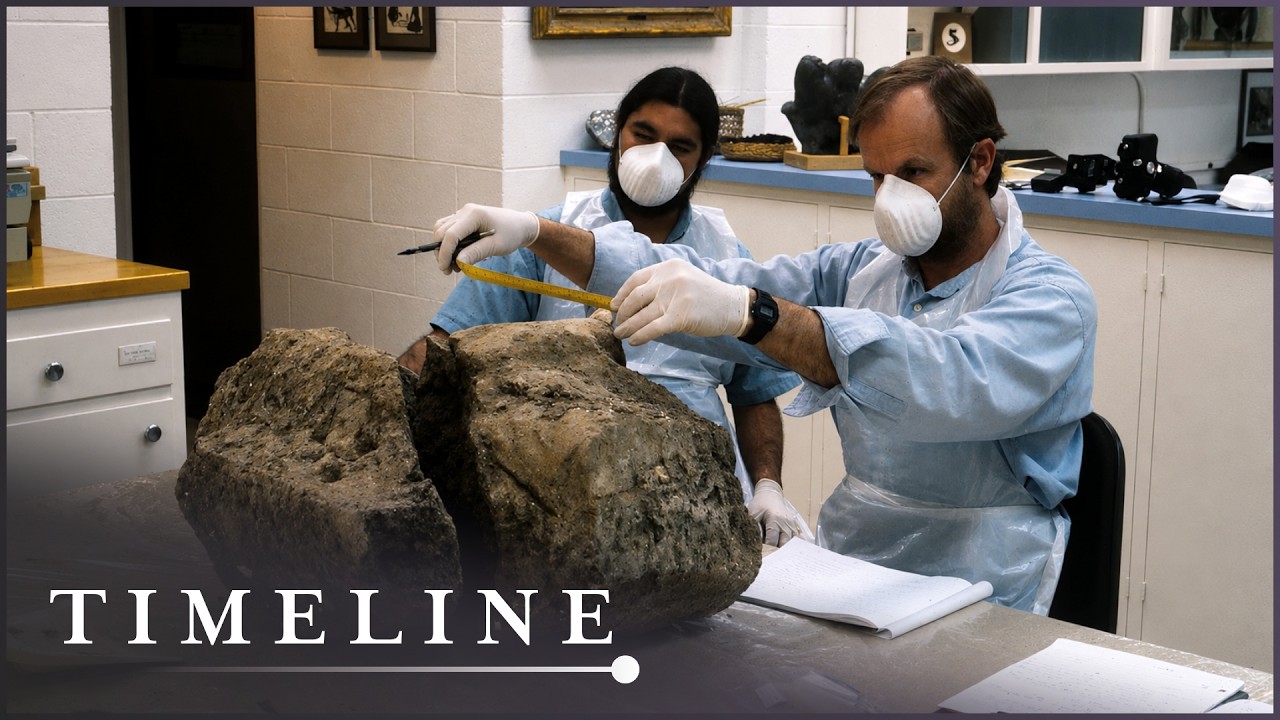
Two mysterious sarcophagi found beneath Notre Dame after the 2019 fire prompt archaeologists and historians to investigate their origins and significance.
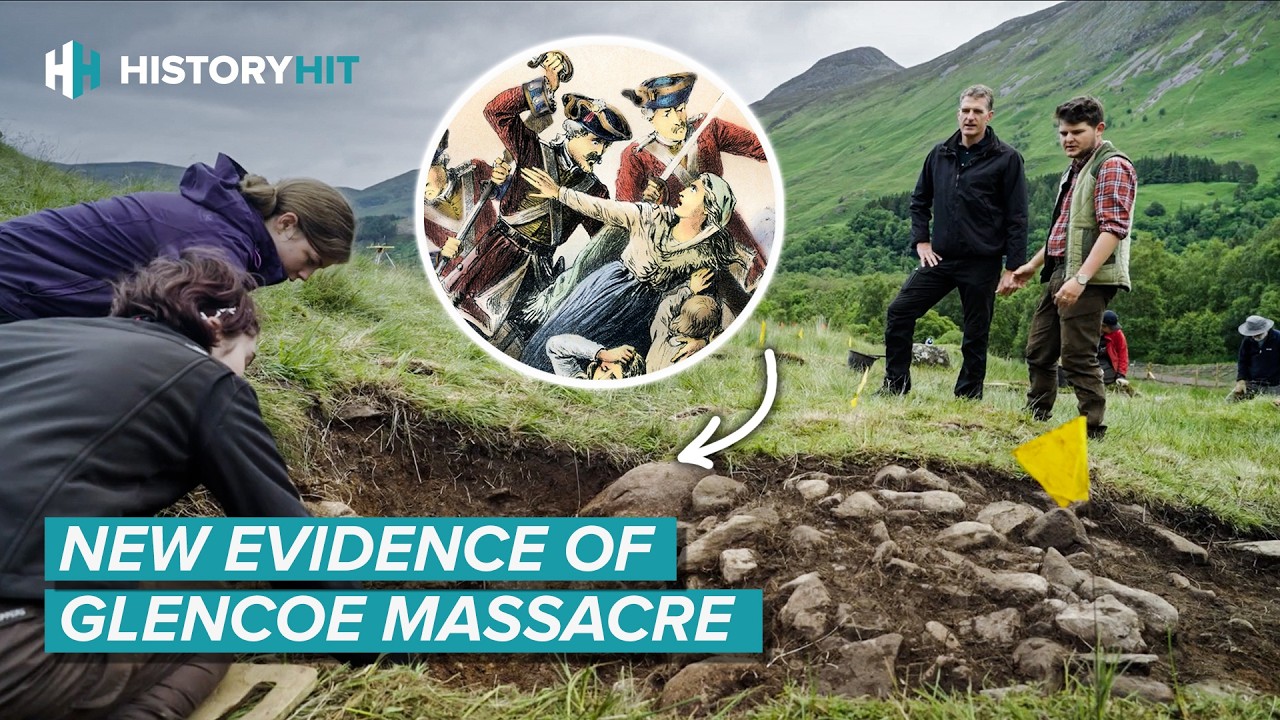
The Glencoe Massacre of 1692, where 38 Clan MacDonald members were killed by government troops, is examined through new archaeological findings in Scotland.
Near Thornton Abbey in North Lincolnshire, archaeologists found a mass grave of 48 individuals, confirming the Black Death as the cause of death.
A tomb measuring over 10 meters in length and 12 meters in width was discovered in 1983 in southern China, containing a jade burial suit.
5,398 objects from Tutankhamun's tomb are reunited for the first time in a new $1 billion museum, revealing insights into the pharaoh's life and legacy.
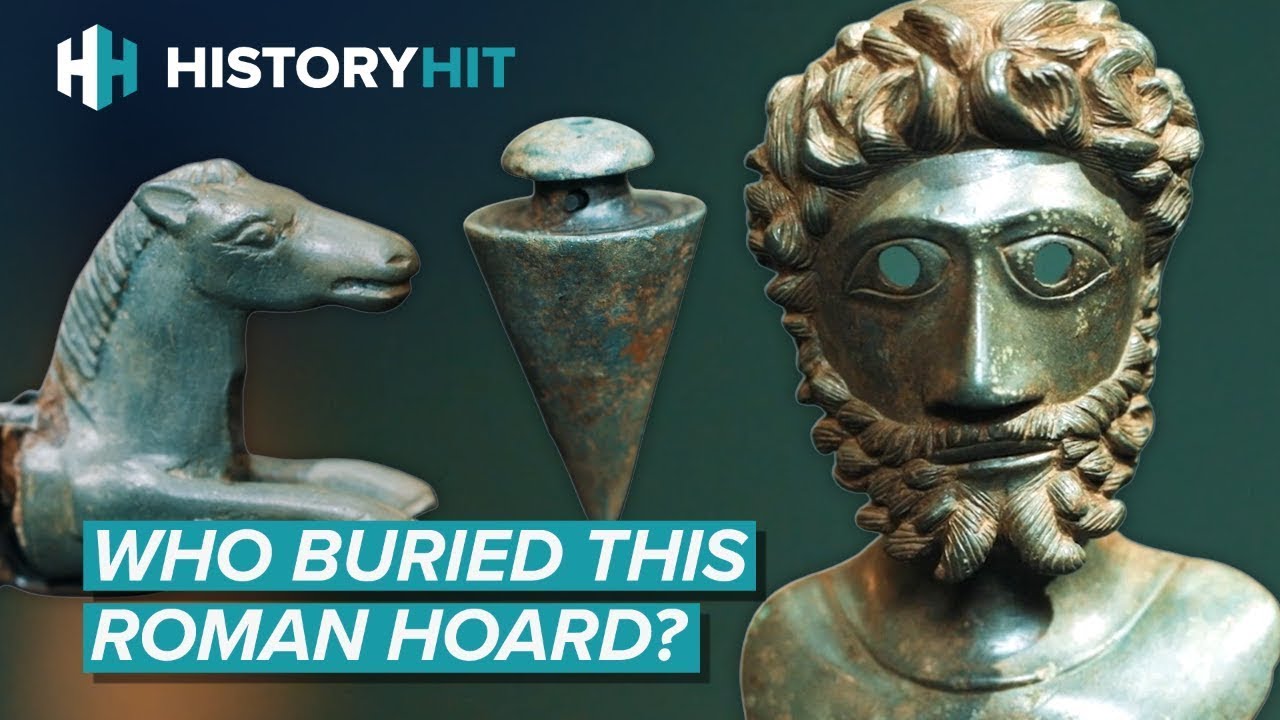
The Ryedale Hoard, featuring a 1,800-year-old bust of Emperor Marcus Aurelius, reveals significant insights into Romano British life in Yorkshire.
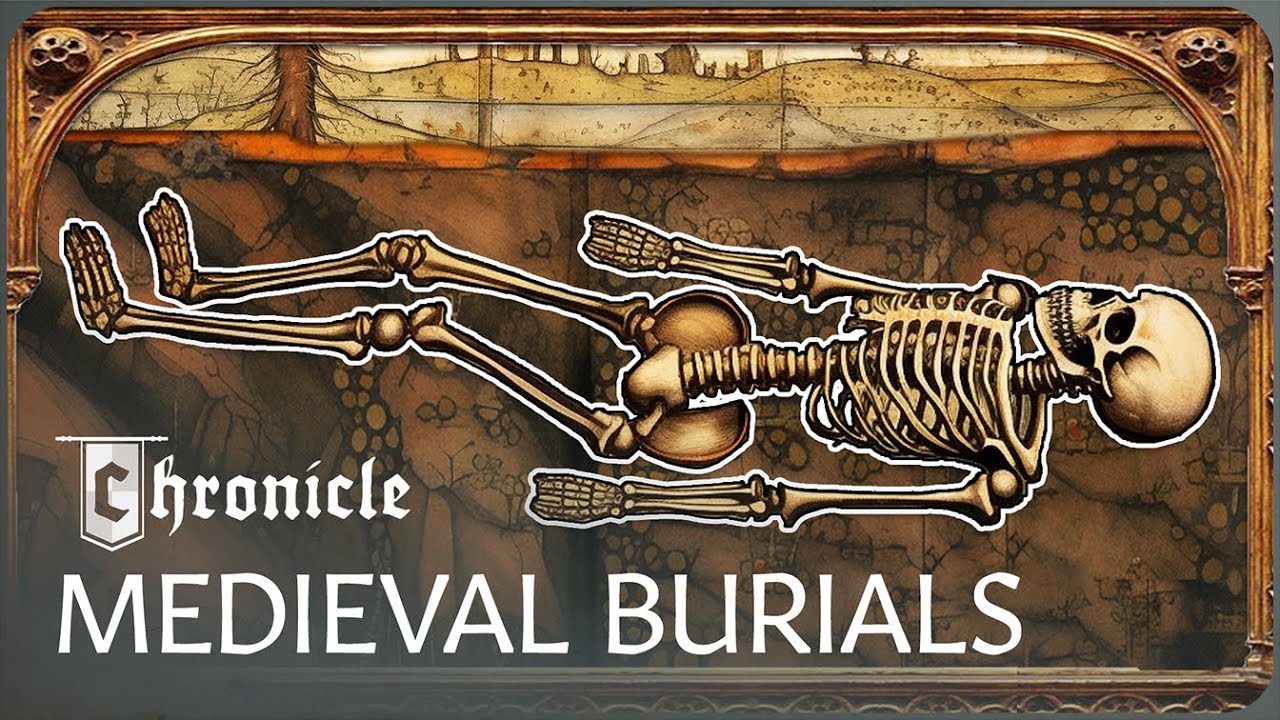
In Northamptonshire, 111 medieval peasant skeletons were found buried beneath an outbuilding at Glendon Hall, revealing insights into their harsh lives and possible origins.
A remarkable Roman mosaic floor, along with hundreds of coins and masonry, has been unearthed near Coberly, igniting excitement among archaeologists.
In the Sierra Madre Mountains of Mexico, forensic anthropologists analyze the remains of an 850-year-old pregnant teenager to reveal the circumstances of her violent death.
Crafted from 22 pounds of gold, Tutankhamun's death mask has sparked debate over whether it was originally made for him or for Queen Nefertiti.
In Lincolnshire, archaeologists investigate a reported Anglo-Saxon cemetery, initially finding only two teeth before uncovering numerous significant artifacts.
In Spain, archaeologists investigate a Bronze Age settlement associated with the enigmatic Beaker People, shedding light on their culture and practices.
A vast stone monument covering 40,000 square meters and standing 26 meters tall lies submerged off the coast of Yonaguni, Japan.
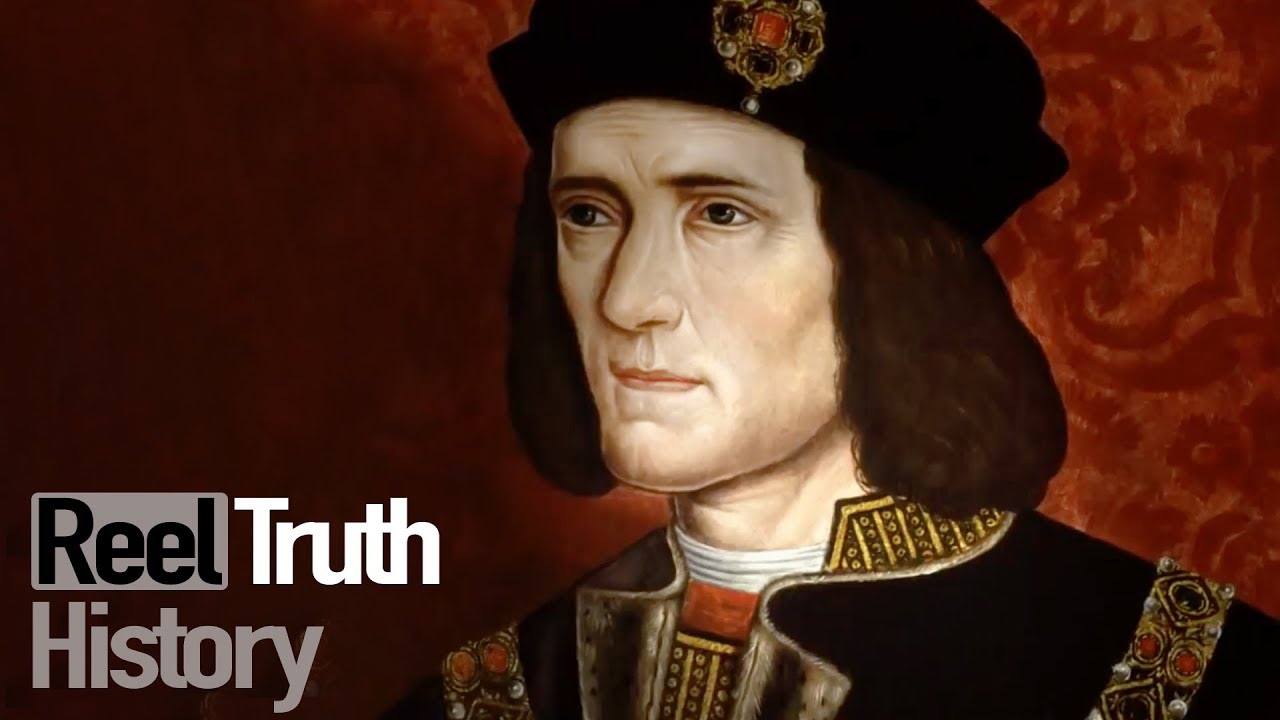
A team of scientists analyzes the remains of King Richard III to determine if his twisted spine affected his ability to lead troops at the Battle of Bosworth.
Archaeologists in the West of England reveal a massive Anglo-Saxon war cemetery alongside insights into Britain's earliest leprosy hospital and Roman military practices.
Gotland's 1361 battle saw King Valdemar's Danish army decimate a hastily assembled militia of feudal peasants, resulting in over 1800 deaths outside Visby's gates.
Arlington Springs Man, a 13,000-year-old skeleton found beneath the California coast, challenges the "Clovis First" theory of North American human migration.
Archaeologists in Stoke Mandeville have revealed a Roman treasure trove beneath a Norman church, including life-sized stone busts and a glass urn.
An archaeological site in Britain, located beneath a major military training facility, faces potential destruction as Time Team works to secure its protection.
In El Sidrón Cave, Northern Spain, the remains of a Neanderthal family group, dated to 49,000 years ago, reveal a chilling story of cannibalism and sudden burial.
Archaeological findings reveal the existence of a 10th-century female Viking warrior, challenging traditional gender roles in Norse society.
In Lincolnshire, archaeologists conduct a three-day rescue dig at an Anglo-Saxon cemetery, revealing the remains of Britain's tallest warrior woman and rare graves from the 5th and 6th centuries AD.
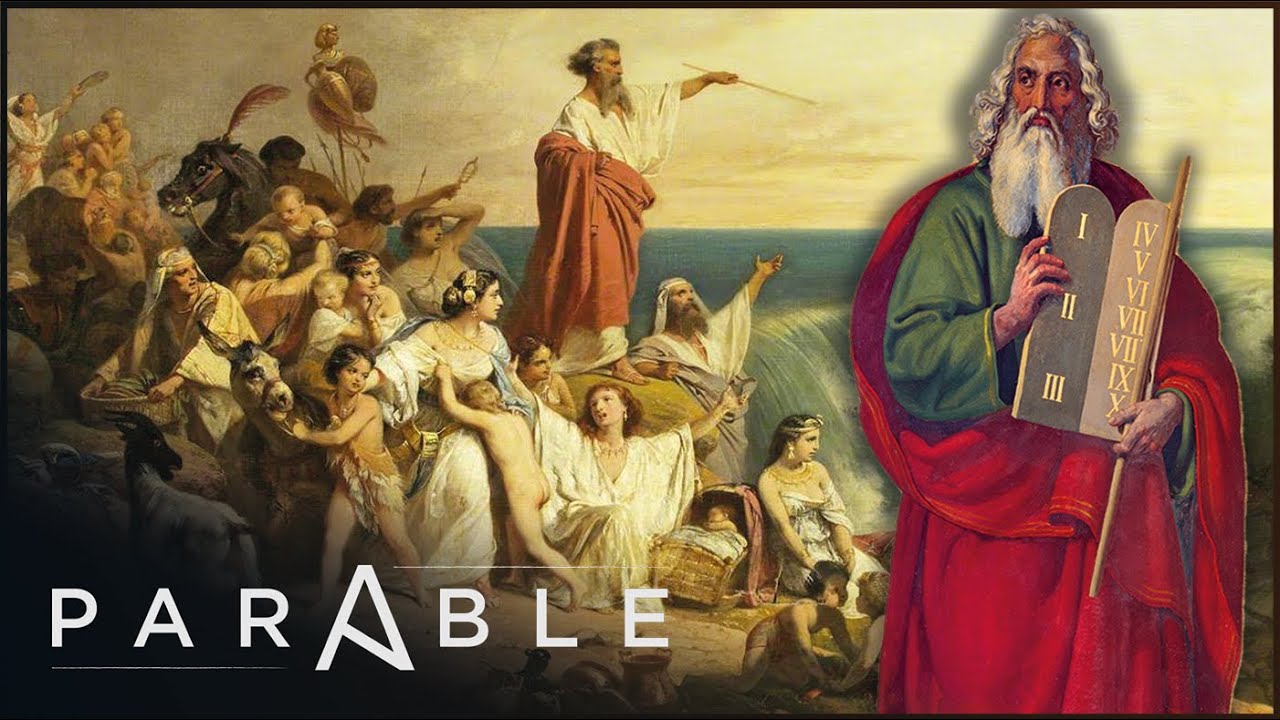
The Biblical account of the Exodus is examined through archaeological evidence tracing the Israelites' route from Goshen to Mt. Sinai, including artifacts linked to Pharaoh's army.
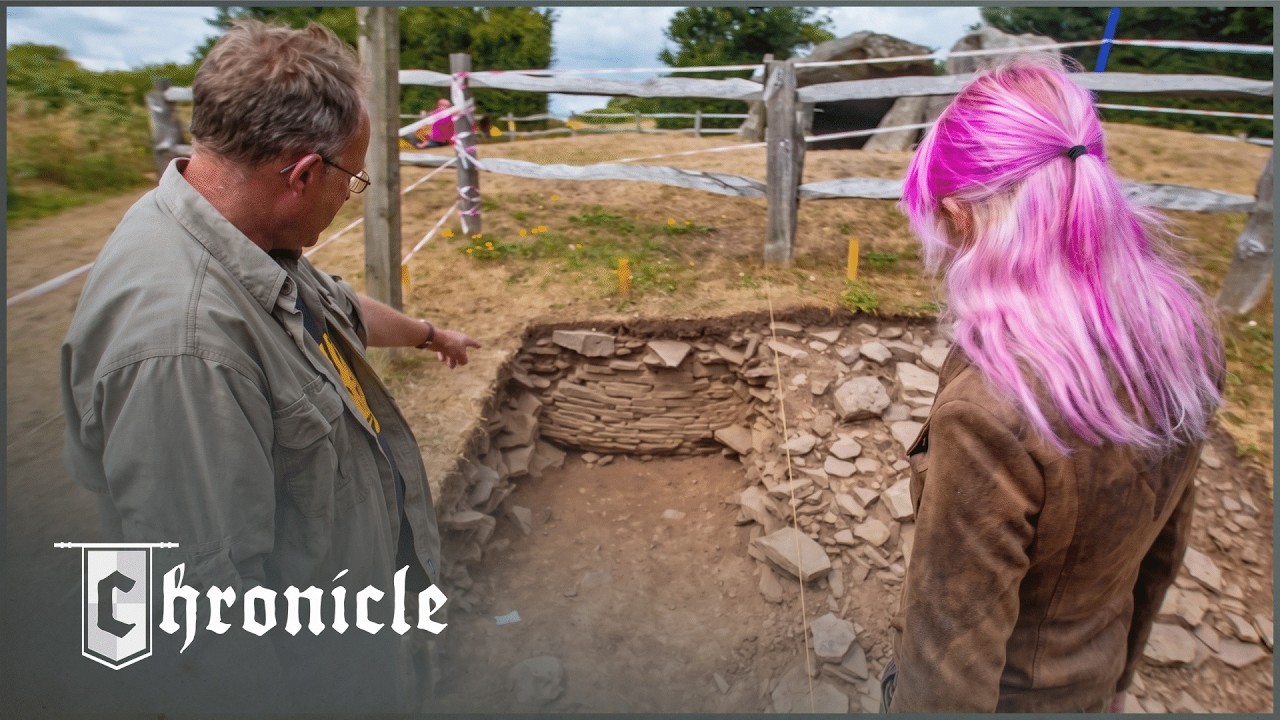
Archaeologists explore the UK's mystical landscapes, revealing a pre-Stonehenge monument, a medieval Dominican friary, and a sealed cobalt mine.
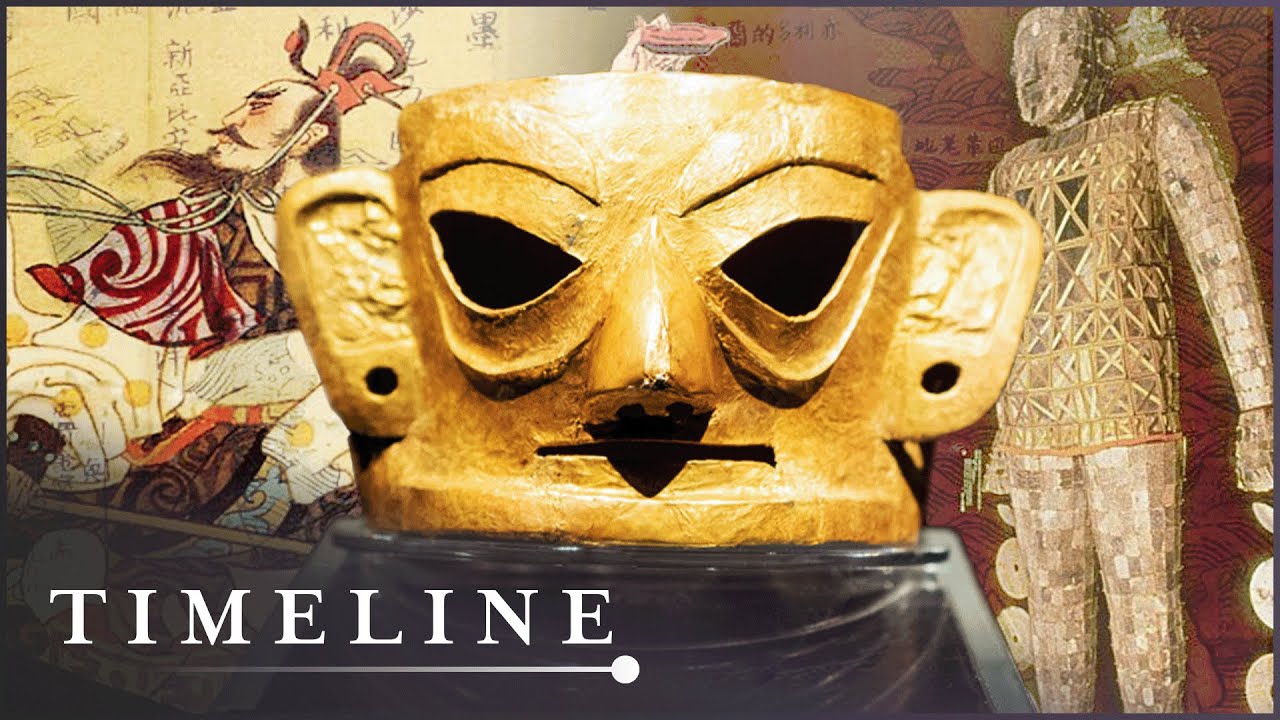
Archaeologists found thousands of human remains in burial grounds at the Jinsha site in Chengdu, China, during a 2001 excavation.
Beneath the streets of Baiae, Italy, advanced 3D laser scanning technology reveals the architectural remnants and hidden networks of ancient Rome's most scandalous city.
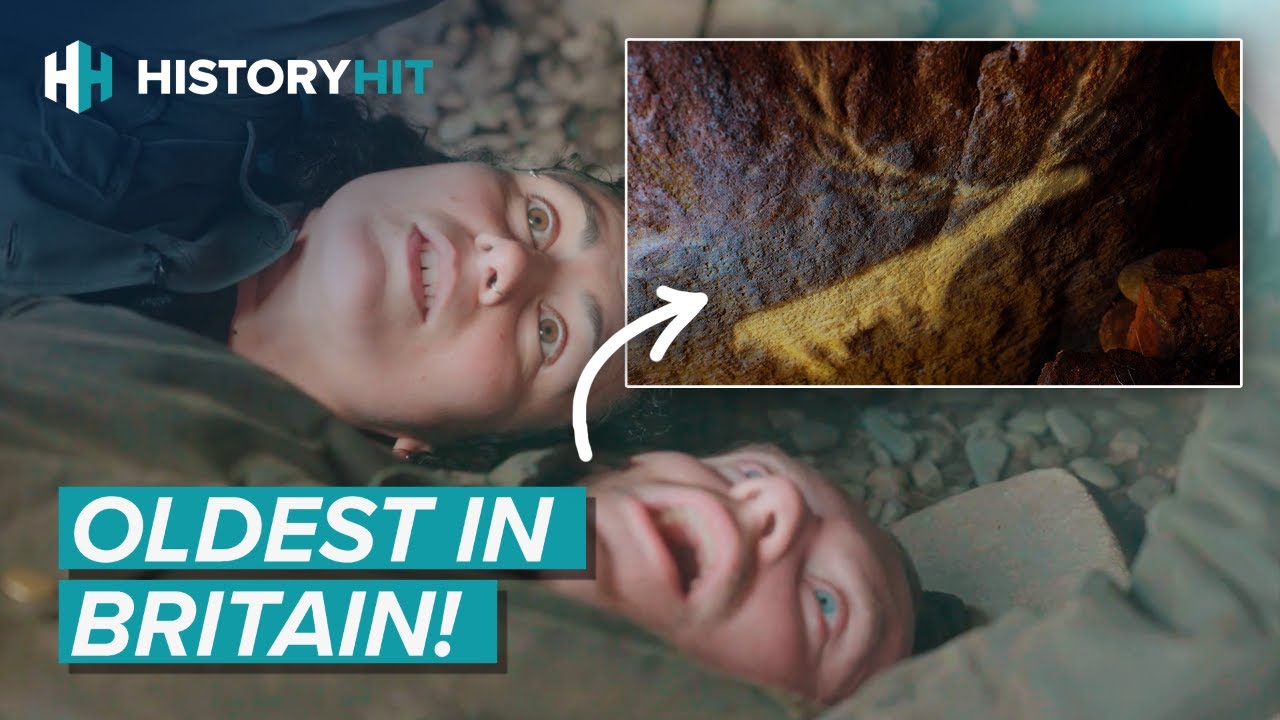
Prehistoric animal carvings, including the first representations of red deer, reveal the rich history and cultural connections of Kilmartin Glen in Scotland.
Beneath Stonehenge, a headless Anglo-Saxon skeleton reveals evidence of a violent execution, challenging assumptions about death in the early medieval period.
The Battle of Towton in 1461, a pivotal conflict in the Wars of the Roses, resulted in thousands of deaths and led to the investigation of a memorial chapel by Richard III.
In Southern England, archeologists unearth the oldest Bronze Age shoe, dating back 3,000 years, alongside a 300,000-year-old Stone Age hand axe.
Archaeologist Mike Pitts investigates the 3,000-year-old remains of a beheaded individual found in a shallow grave at Stonehenge.
In East Yorkshire, archaeological investigations reveal a previously unknown settlement that spans 6,000 years, highlighting the impact of the "Harrying of the North."
Hundreds of human skulls found near the ancient Walbrook river in London raise questions about their origins, including possible links to Boudica's revolt or flooding.
The Jinsha archaeological site in China, dating back to the Zhou Dynasty, raises questions about its potential role in mass human sacrifice practices.
In Caerleon, Wales, archaeologists from Cardiff University have revealed a 2,000-year-old Roman villa complex that offers insights into Rome's control of its western frontier.
Beneath the medieval churchyard of Caster in Cambridgeshire, archaeologists investigate the Roman Praetorium, revealing its monumental foundations and mosaic floors.
At the River Wye, a team investigates a formation revealed at low tide, aiming to confirm its connection to a Roman bridge from the Cornwall invasion.
Archaeologists have revealed a wealthy Roman trade town in the Mendip Hills, alongside new findings about the Cerne Abbas Giant's early medieval origins.
Pavlopetri, located off the southern coast of Greece, is the oldest submerged city in the world, revealing insights into ancient civilization through advanced technology.
In Rutland, England, a 13-acre Roman villa complex reveals exquisite mosaics and ancient heating systems, alongside insights from an 11,000-year-old Mesolithic island.
In 701 BCE, the Assyrian army's unexpected retreat from Jerusalem, as described in the Bible, has puzzled historians for two millennia.
St Helena's recent airport construction revealed the remains of thousands of enslaved Africans, prompting a vital discussion on memorializing this significant legacy.
A Peruvian mummy known as the "Screamer" is examined by Dr. Joanne Fletcher and forensic specialists, revealing evidence of ancient trans-oceanic contact.
Karahan Tepe, an ancient underground city in Turkey, features extensive tunnels and multi-level structures, marking it as potentially the world's oldest megalithic site!
Chichen Itza, a prominent city of the ancient Maya civilization, is examined through new archaeological findings, including a potential fifth cenote beneath El Castillo.
Recent excavations in Pi-Ramses, led by Professor Henning Franzmeier, reveal a palace and treasure room that highlight the legacy of Pharaoh Rameses II.
Forensic geologist Scott Wolter investigates the Heavener Runestone in Oklahoma and a bomb-laden island off Massachusetts, suggesting Viking exploration in America predates Columbus.
Actor Richard Knight leads an ambitious quest to locate the legendary lost treasure of privateer William Kidd.