From over 100,000 films, discover the handful you'll love.
Free or premium access to the world's largest documentary library.
275 films(Page 1 of 6)
Austria's wine industry faced a crisis in the mid-1980s when a toxic substance was found in its products, jeopardizing its reputation and economy.
In Germany and Italy, small-scale dairy farmers confront economic pressures and environmental challenges posed by large corporations in the multi-billion euro industry.
Family farms providing healthy foods faced government raids, as a mother shares her son's healing from allergies through raw milk and real food.
Romania's scientific and technological advancements are showcased through projects like the Elmo electric bicycle, fresco preservation, and a major irrigation initiative.
From late October to mid-December 1943, San Pietro was the site of intense fighting as Allied forces sought to capture the town from German troops.
30,000 years ago, a young she-wolf made a choice that led to the domestication of dogs, transforming them into essential companions for humans.
Greenland has 37 animal farms, but as climate change makes mining resources more accessible, local communities must choose between agriculture and mining.
Originating from the Andean region of South America, potatoes have become a vital global food source, influencing culinary traditions and food security worldwide.
Maize, originating in Mesoamerica, was crucial for the development of Ancient American civilizations, influencing agriculture, trade, and social structures.
20% of North Korea's population has little or no food, with famine remaining a constant threat amid severe oppression and poverty.
The Eastern Agricultural Complex, formed by seven domesticated plants, laid the foundation for agriculture in North America over four millennia ago.
The man-made famine in Ukraine, fueled by oppressive grain taxes and Stalin's hostility, resulted in the deaths of millions during a tragic period of history.
Homo erectus migrated from Africa approximately 1.9 million years ago, marking a significant moment in human evolution and expansion.
11,000 years ago, Jericho became one of the first known settlements surrounded by walls, marking a significant development in communal living and agriculture.
400,000 years ago, a new species, Homo sapiens, emerged in Africa, adapting to various climates and developing agriculture and monumental structures.
Homo sapiens, anatomically modern humans, have lived in Africa's Great Rift Valley for about 200,000 years, marking the beginning of human history.
The global population increased from three million to 100 million over 8,000 years as humans transitioned from nomadic life to settled societies.
Bees and butterflies play an important role in pollination and crop production for consumption.
Around 8000 BC, the first settlers arrived in Ireland, transitioning from a hunter-gatherer lifestyle to early agricultural practices.
The Mafia infiltrates Italy's food industry, revealing its violent control over production.
Globally, 70% of water is used for irrigation, yet many regions face severe shortages as climate change intensifies the water crisis.
The COVID-19 pandemic and the war in Ukraine have highlighted vulnerabilities in hyper-globalized food systems, prompting calls for a shift towards sustainable agricultural practices.
Hank Voegler, a sheep and cattle rancher in Nevada, battles against coyotes and federal regulations to protect his livestock in the harsh desert environment.
Cheap food in supermarkets often comes at a hidden cost, as exploited workers in Africa face dire conditions in the production of bananas, vegetables, and fish.
Ten hours on the road yields €200 for Adam, who faces delays from bad weather and poor infrastructure while buying fish from Lake Victoria.
Lobbyists, philanthropists, and the Gates Foundation are promoting GMOs in Africa as solutions to famine and malaria, raising concerns about corporate influence and health risks.
Artificial Intelligence could transform agriculture and help ensure food security worldwide.
Wilhelm Keitel was born on September 22, 1882, at the family estate in Helmscherode, Germany, and later became Chief of the Wehrmacht during World War II.
Five square kilometres of desert in Brandenburg illustrate the severe soil degradation affecting farmers and their ability to produce food.
70 percent of the world's fresh water is used for agriculture, raising questions about the connection between food production and water scarcity.
Widespread use of antibiotics in food animals raises critical concerns about its role in the escalating crisis of antibiotic resistance in humans.
Dale Starks' harvest crew travels nearly 2,000 miles from Texas to Canada, operating combine harvesters for 18 hours a day during the summer wheat season.
American agribusiness prioritizes productivity and profitability, leading to extreme farming practices that compromise animal welfare and local water access.
The U.S. meat industry has transformed into a centralized, high-tech system that lowers prices but raises concerns about the safety of the beef supply.
Rural jobs, from shepherding to steeplejacking, reveal the challenging and often overlooked roles that sustain village life and shape the countryside.
The Canary Islands, home to over 2 million residents and 15 million tourists annually, rely on desalination plants to meet their freshwater needs.
Leek growing in Tyne and Wear and Durham thrives on farm manure and Epsom salts, producing prizewinning vegetables that outshine their southern counterparts.
This touching documentary about Norway showcases its fjords, glaciers, and unique culture.
One-third of total greenhouse gas emissions come from the food system, making a drastic change in dietary habits essential to combat climate change.
Migrant women farmworkers in the U.S. face a high risk of sexual assault from supervisors and co-workers, often fearing job loss or deportation if they report it.
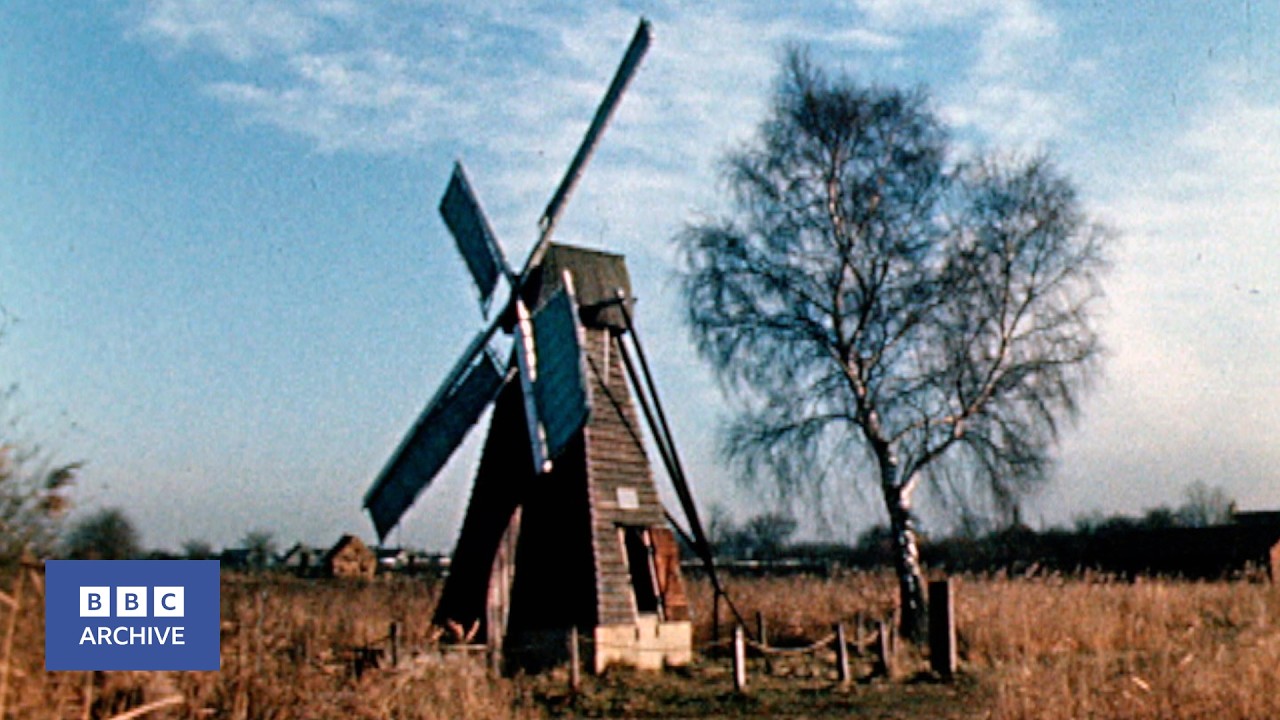
English windmills, once vital for grinding grain, are celebrated in a meditative exploration of their enduring legacy and artistry in rural England.
Viking women played essential roles in managing farms and religious activities within a complex society that thrived on maritime exploration and trade.
Each Friday, farmer Marty Travis sends an email to nearly 200 shops detailing available produce from Spence Farm in Central Illinois.
Stonehenge has stood on Salisbury Plain for 5,000 years, with its current stone structure taking shape around 1,000 BC.
A 90-meter deep plunge pool carved into bedrock in the English Channel provides evidence of ancient waterfalls that shaped Europe's geography.
William Forsythe shares insights into rural life on his Ballynure farm, highlighting the experiences of his family and their connection to Northern Ireland's landscape.
A total of 16.42 kilos of cocaine is seized by customs officers during inspections at a U.S. port of entry.
Tourists in Barcelona use, on average, 3 to 5 times more water than local residents, contributing to a severe water scarcity crisis.