From over 100,000 films, discover the handful you'll love.
Free or premium access to the world's largest documentary library.
77 films(Page 1 of 2)
Sherman's military campaign through Georgia in 1864 involved roughly 110,000 Union troops facing 70,000 Confederate soldiers over 37 weeks.
A group of Black Pullman workers organized to fight for better wages and conditions, leaving a lasting impact on the American labor movement and civil rights.
One room in a log cabin in Kentucky served as the birthplace of Abraham Lincoln on February 12, 1809.
John D. Rockefeller cornered 98% of the world's kerosene and oil production, becoming the richest man in America with a net worth of $225 billion today.
A United Nations estimate indicates that about 100,000 political prisoners are held in North Korean labor camps, where freedom remains elusive.
John J. Pershing was promoted to General of the Armies after leading American forces in key battles during World War I, including the Meuse-Argonne Offensive.
April 14, 1865, marks Abraham Lincoln's final address, where he speaks of binding up the wounds of the country and the government of the people.
750,000 people perished during the American Civil War, a conflict that some theorists suggest may have drawn the attention of extraterrestrial observers.
John Edgar Hoover was born on January 1, 1895, into a family of civil servants in Washington, DC, and became the first Director of the FBI in 1935.
Lincoln declared that a house divided shall not stand, marking a turning point in his fight against slavery during his political career.
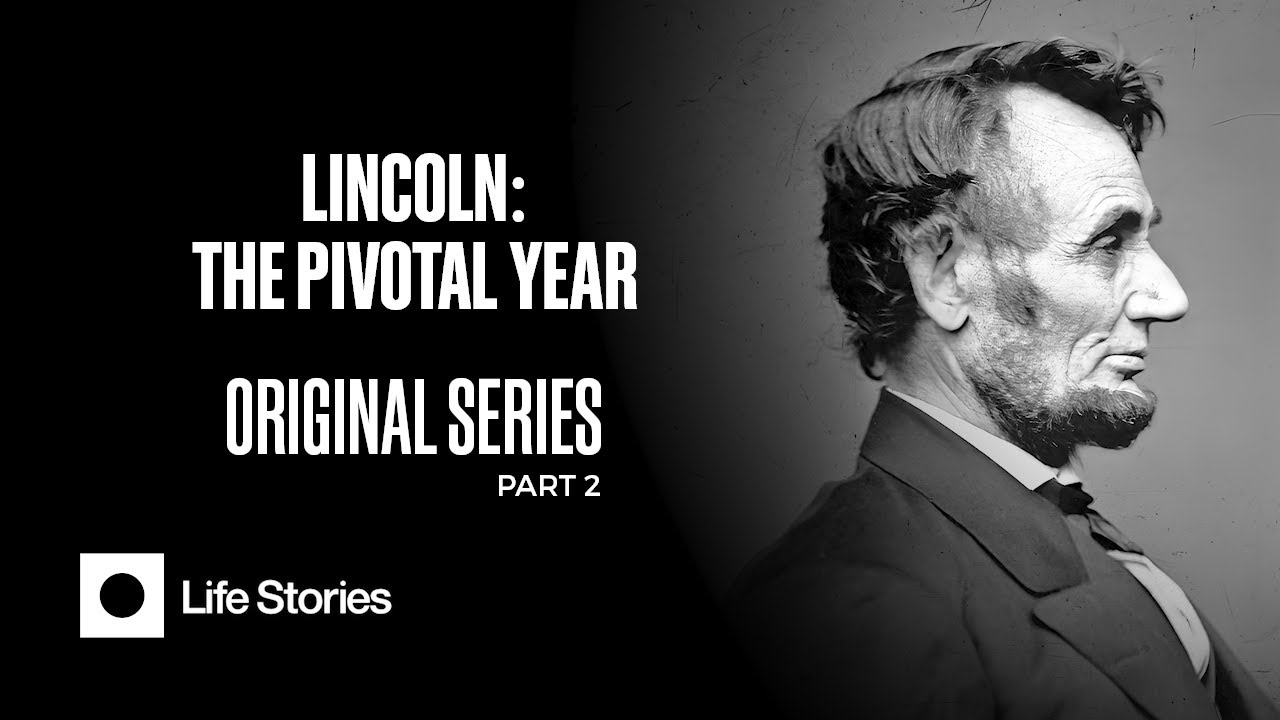
Abraham Lincoln's early life, political ascent, and leadership during the Civil War are examined through historical photography and expert commentary.
June 19th marks the day in 1865 when enslaved people in Texas finally learned of their freedom, a moment now celebrated as Juneteenth.
On April 14, 1865, John Wilkes Booth shot President Abraham Lincoln in the back of the head during a performance at Ford's Theatre in Washington D.C.
Seven nights ago, a team of modern moonshiners confirmed that Abraham Lincoln sold alcohol in his younger days, revealing a hidden chapter of his life.
Sixty years after the Boston Strangler's crimes, the investigation continues to explore the identity and motives behind the infamous serial killer.
April 1865 marks the final days of the American Civil War, highlighting key events and figures that shaped the conflict's conclusion and its impact on the nation.
Viking seafaring expeditions across Europe led to the accumulation of vast treasures in gold and silver, explored in Season 4, Episode 12 of History's Greatest Mysteries.
General Tom Thumb, born Charles Stratton, stood at just 25 inches tall and performed for over 50 million people during his career in the 19th century.
Alexander the Great's sudden death at 32 remains a topic of debate among historians, with various theories attempting to explain the circumstances surrounding his demise.
Theodore Roosevelt became the youngest president in U.S. history at 2:15 a.m. on September 14, 1901, following the death of President William McKinley.
Abraham Lincoln's assassination at Ford's Theatre in Washington, D.C., is examined as potentially part of a larger conspiracy involving multiple conspirators.
Abraham Lincoln's leadership during the Civil War is examined, highlighting his evolving stance on slavery and key events like the Battle of Gettysburg.
Two brothers, Lincoln and Booth, navigate their complex relationship in a play written by Pulitzer Prize-winning playwright Suzan-Lori Parks.
One month before General Lee's surrender, a crowd gathered in Washington, D.C. for President Abraham Lincoln's second inauguration.
Philip Mudd, former deputy director of the CIA Counterterrorist Center, reflects on the agency's secret detention program established after 9/11.
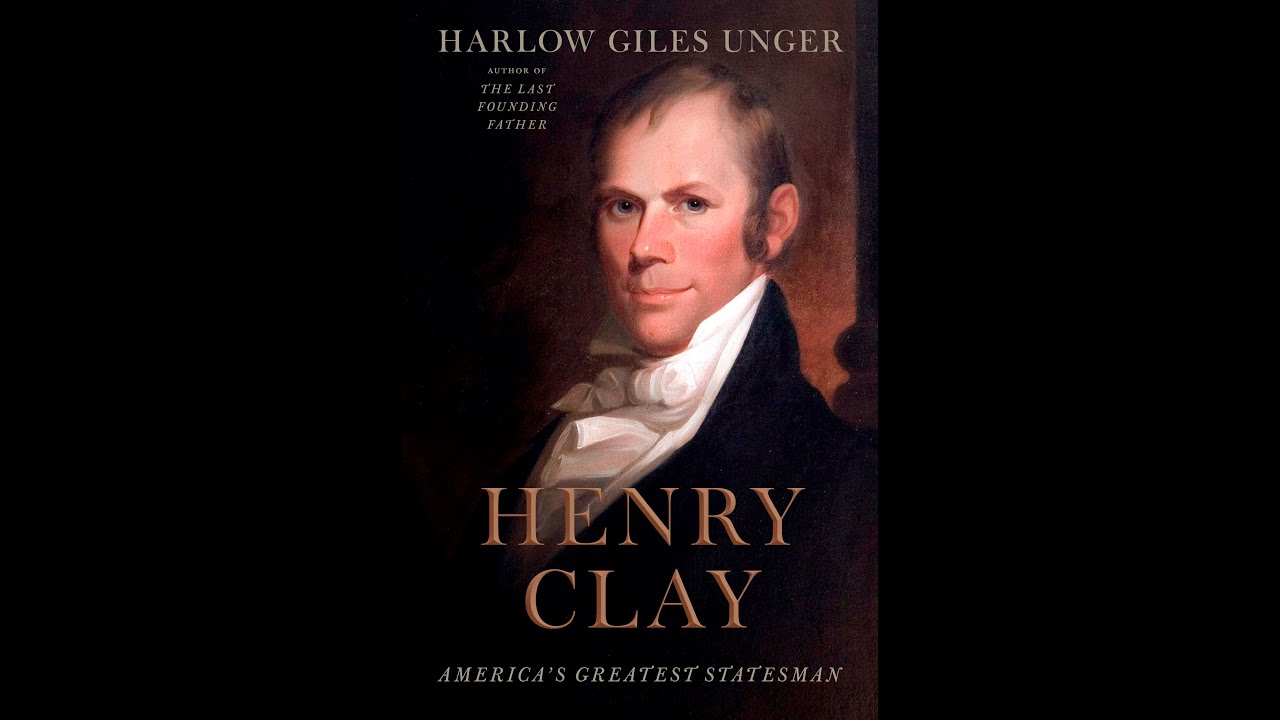
A fearless young Kentucky lawyer brought order to an unruly Congress, preventing the breakup of the nation during a time of intense political strife.
Over 9,100 people visited the National Archives over New Year's weekend to view the original Emancipation Proclamation and see Abraham Lincoln's signature.
Sidney Blumenthal's biography details the years 1856 to 1860, when Abraham Lincoln emerged as a national leader amid intense political competition.
A reenactment features Abraham Lincoln and Stephen A. Douglas debating slavery and equality during their 1858 Senate campaign in Illinois.
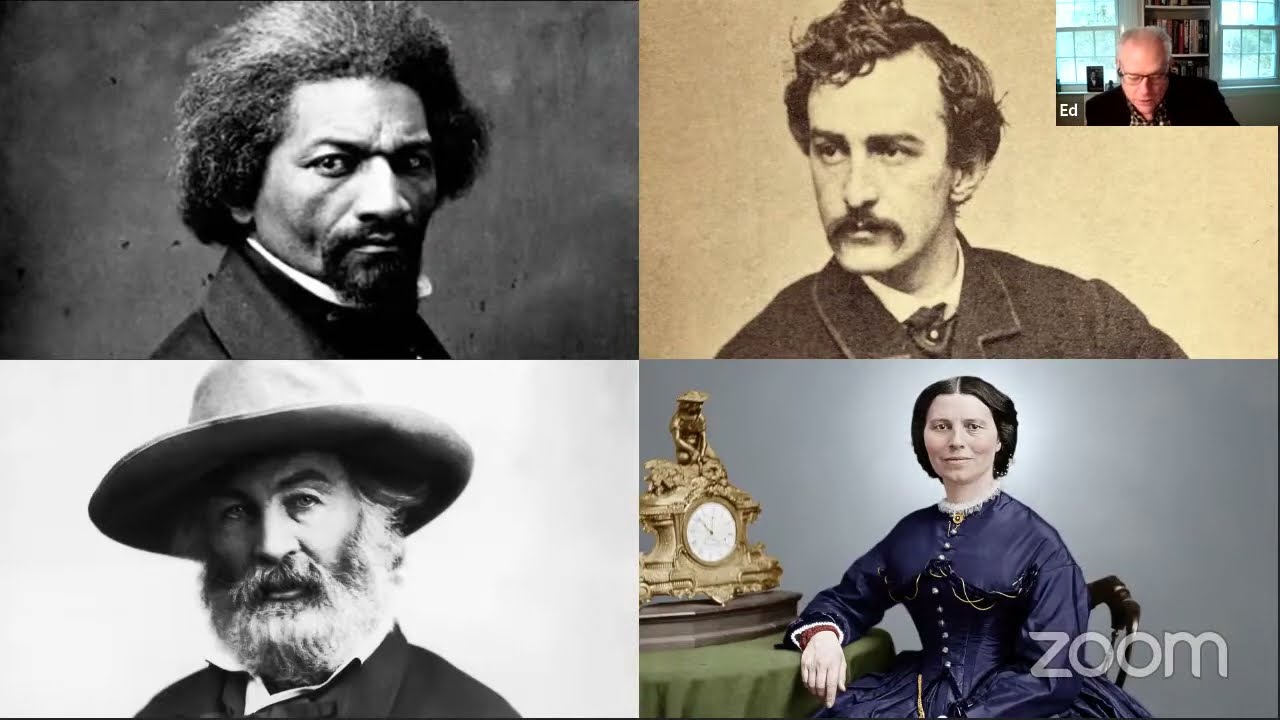
Frederick Douglass described Abraham Lincoln as "emphatically a Black man's President" shortly after Lincoln's assassination in 1865.
John Quincy Adams warned in the late 1830s that the North could use military necessity to justify the abolition of slavery during a conflict.
Abraham Lincoln's debates against Stephen A. Douglas highlighted the moral conflict of slavery and the principle that all men are created equal in the United States.
Volume II of Sidney Blumenthal's biography details how Lincoln was seen as the unblemished candidate for the Republican nomination in the 1860 election.
On April 16, 1862, President Abraham Lincoln signed the DC Emancipation Act, granting immediate freedom to enslaved individuals in the district.
Frederick Douglass visited the White House in August 1863 to advocate for better treatment of African American soldiers during the Civil War.
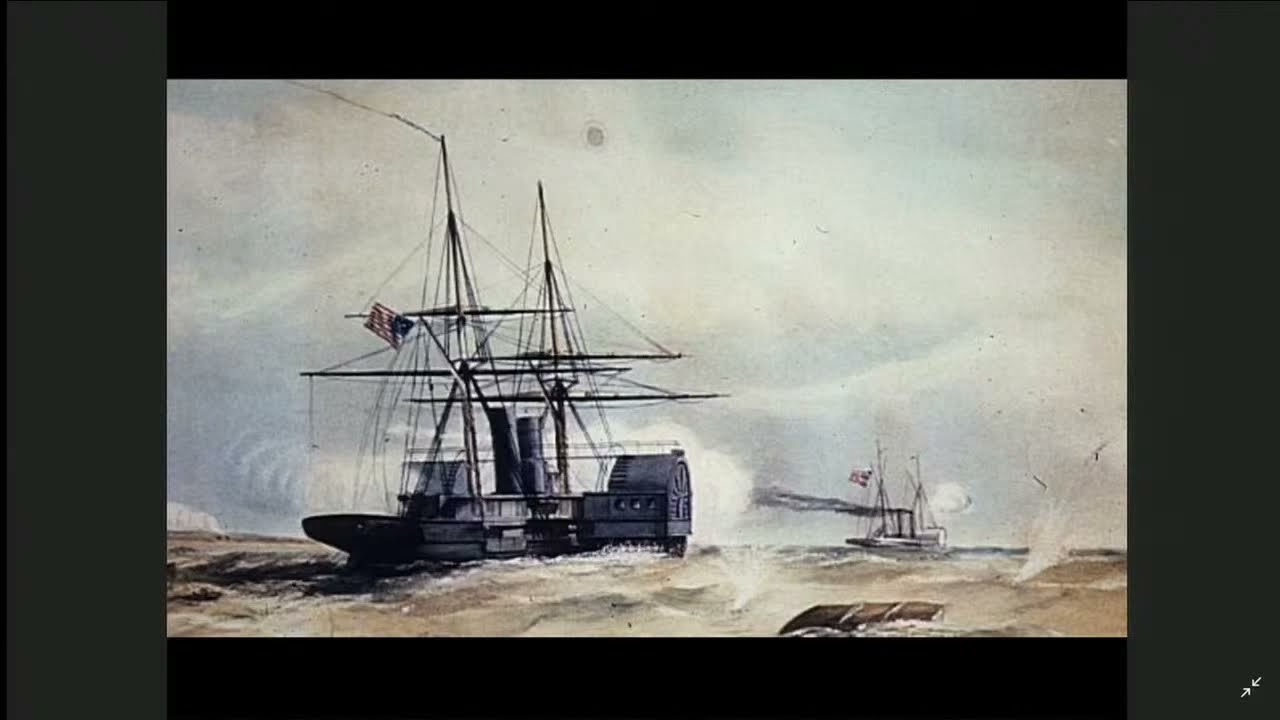
Jonas Wylie commanded the steamer Advance, one of many Scottish blockade runners that supplied the Confederacy during the American Civil War.
A panel of Lincoln scholars, including Harold Holzer and Martha Hodges, will discuss Lincoln's relevance on the 207th anniversary of his birth.
Lincoln's 1862 Emancipation Proclamation followed his earlier attempt at gradual emancipation in the District of Columbia, which received no hearings in Congress.
A December 1862 general order from General Ulysses S. Grant to expel Jews from Tennessee was countermanded by President Abraham Lincoln after Jewish citizens protested.
More than 120 letters written by African Americans to Abraham Lincoln reveal their thoughts and experiences during the Civil War era.
On February 21, 1868, the House of Representatives voted 128 to 47 to adopt the resolution to impeach President Andrew Johnson.
A narrow margin of votes at the 1860 Republican Convention in Chicago led to Abraham Lincoln's nomination as the party's presidential candidate.
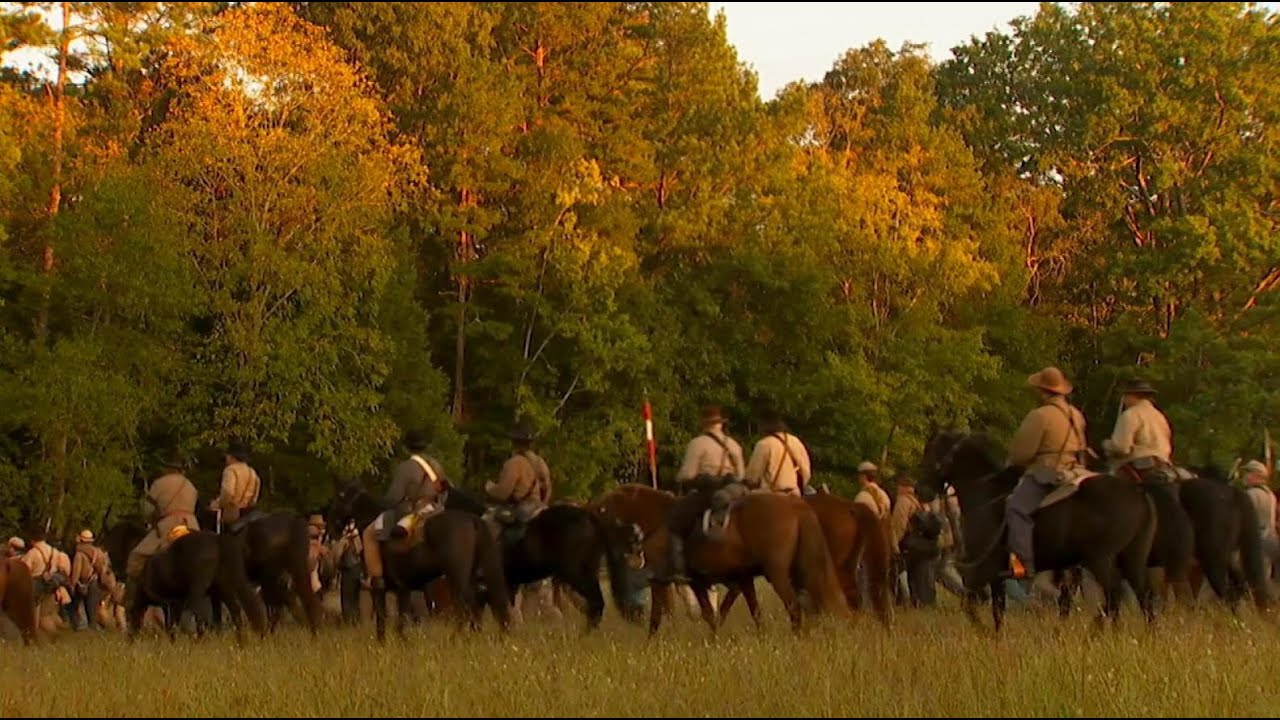
On June 27, 1864, Union General William Tecumseh Sherman ordered an assault on Confederate forces at Kennesaw Mountain, a key strategic location for capturing Atlanta.
In April 1865, Black people made up only about 1 percent of the population in Northern free states, complicating their fight for voting rights.
President Abraham Lincoln's 1863 proclamation established Thanksgiving as a national holiday, following decades of advocacy by Sarah Josepha Hale.
In 1863, the first national Thanksgiving was held on November 26, a date that coincides with Thanksgiving in 2020.
In 1960, directors Otto Preminger and Kirk Douglas hired Dalton Trumbo under his own name, marking a significant shift in Hollywood's response to the blacklist.
David O. Stewart chronicles George Washington's rise from a young man with few prospects to a national leader during the American Revolution.