From over 100,000 films, discover the handful you'll love.
Free or premium access to the world's largest documentary library.
7943 films(Page 1 of 166)
Cuckoos travel 5,000 kilometers from Africa to Europe each spring to lay their eggs in the nests of other birds, avoiding the burden of parenting.
Animal eyes exhibit a variety of unique adaptations, as explained by experts Dr. Dan Nilsson and Dr. Marty Banks, highlighting their evolutionary significance.
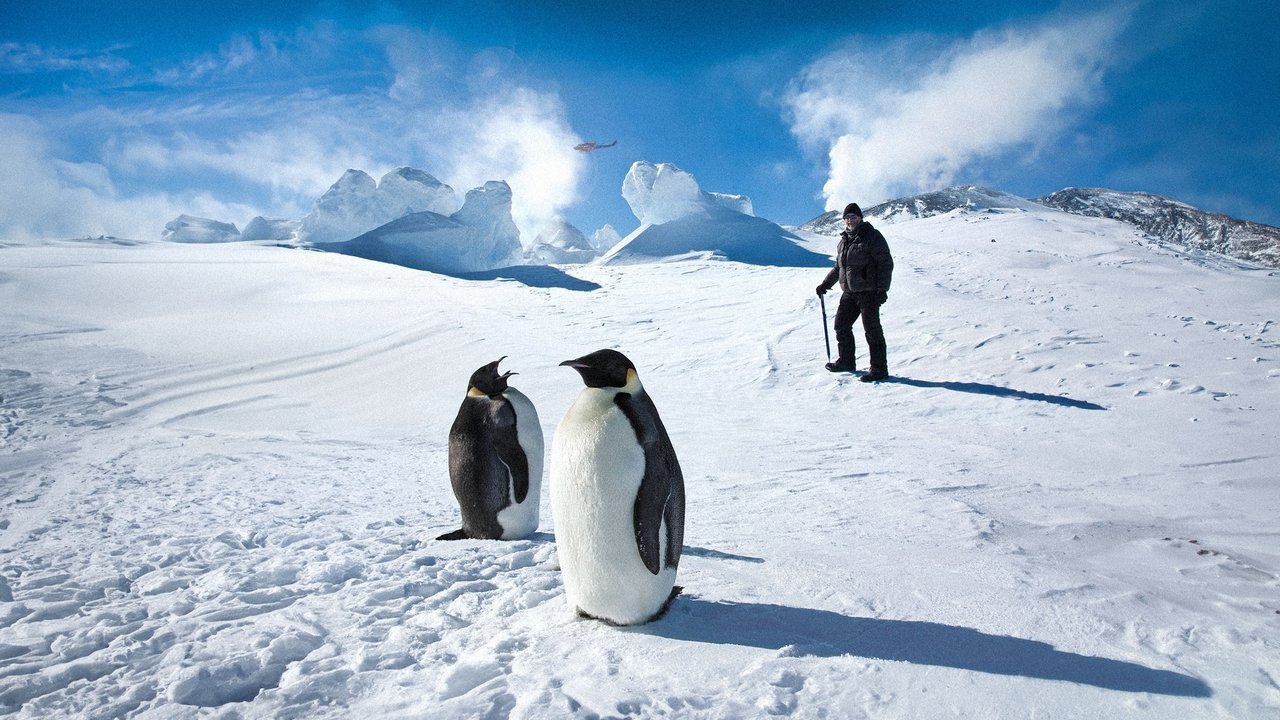
A year in Antarctica includes four months of complete darkness, as documented through time-lapse photography at McMurdo Station and Scott Base.
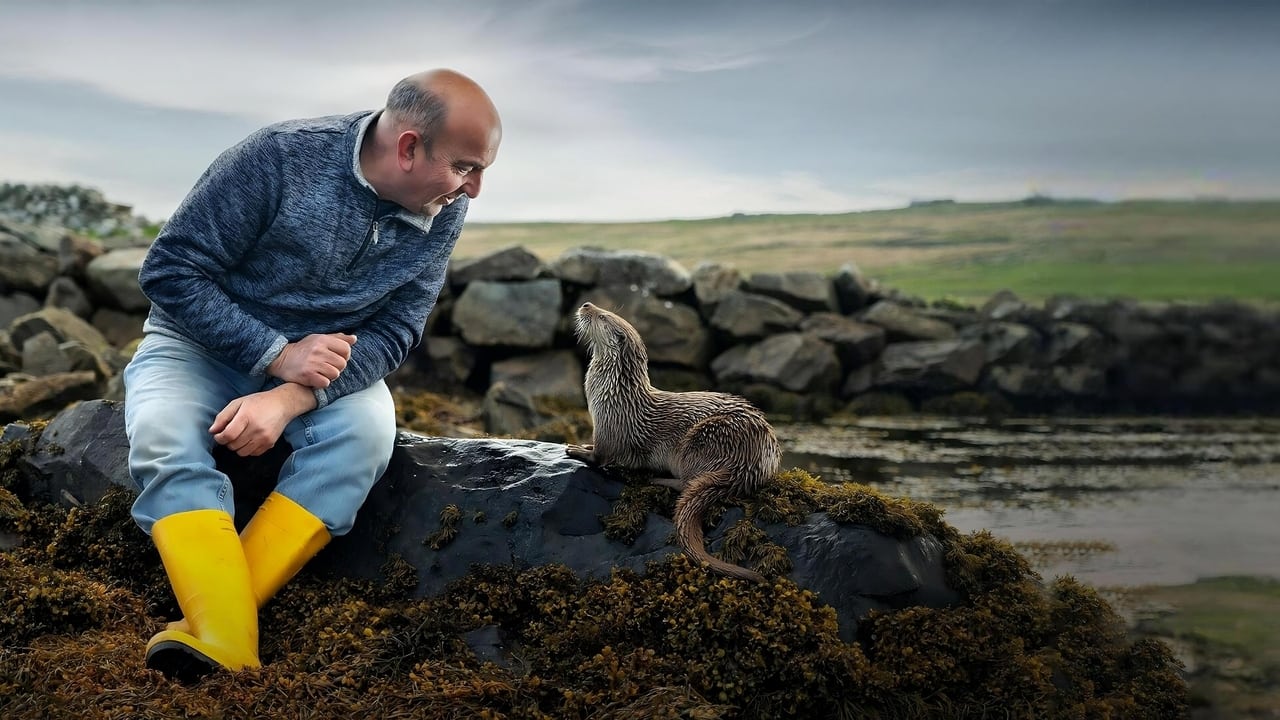
A wild otter named Molly washes up at the feet of Billy Mail on March 3, leading to an unexpected bond that transforms their lives.
Cycling from Finland to Singapore, a 245-day adventure spans 15,000 kilometers through 21 countries, showcasing diverse cultures and landscapes.
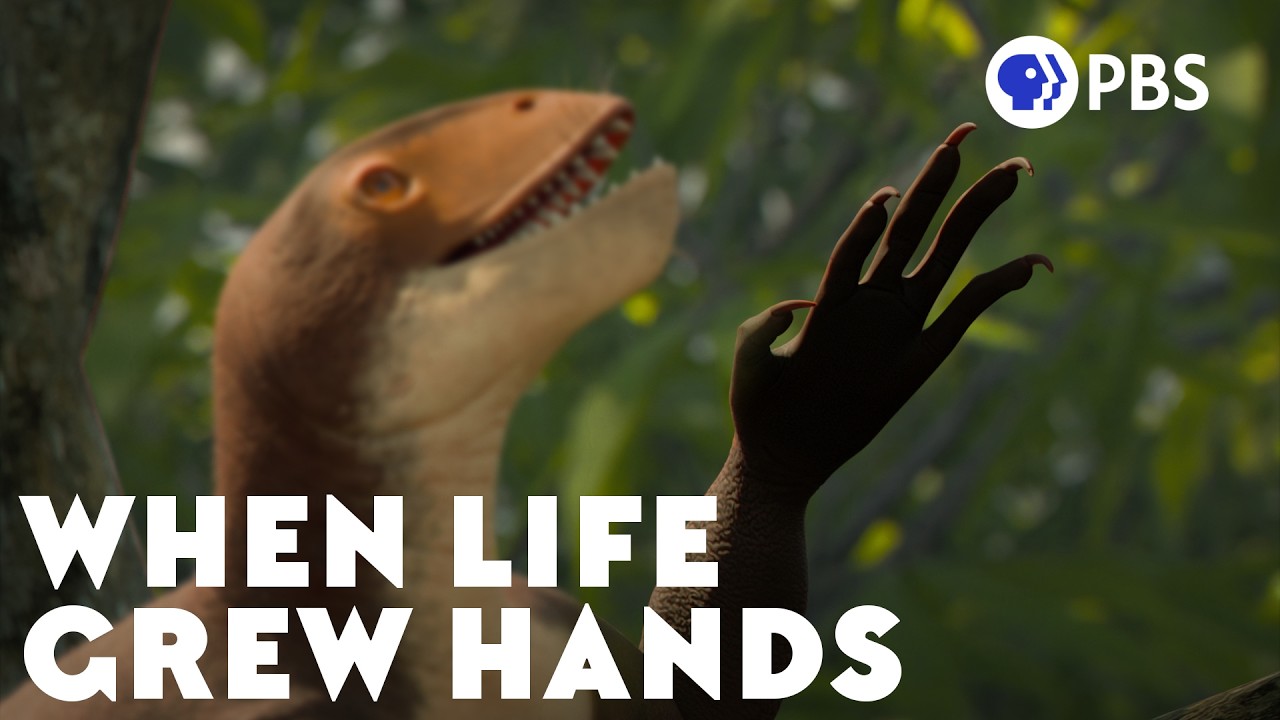
Tetrapods transitioned into arboreal life primarily due to the availability of leaves, reshaping their evolutionary path on Earth.
A velvet worm can shoot sticky slime up to a foot, using it to capture prey in its tropical rainforest habitat.
Natural sounds from Argentina, Mexico, and Cuba are presented to promote relaxation and enhance mental and physical wellbeing.
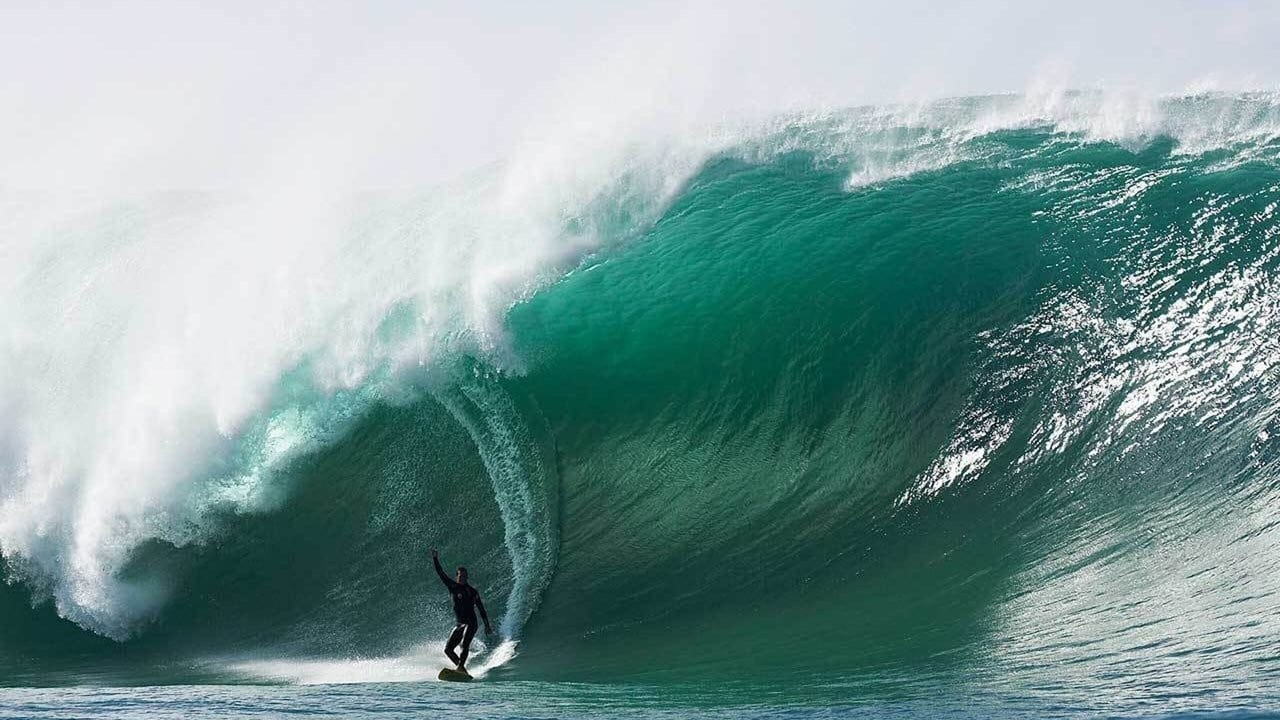
15 years of solo surfing at the "graveyard" led to legendary status for some big wave surfers, despite the dangers that claimed lives like Mark Foo's.
Florence Pugh and Bear Grylls navigate the volcanic rainforests of Costa Rica, engaging in activities such as abseiling from a helicopter and cliff rappelling.
In Tanzania, Eva zu Beck spends five days with the Hadza, one of the last hunter-gatherer tribes, learning traditional tracking and foraging skills.
Over 500 types of fungi can infect hosts, with 35 known to turn them into zombies, raising concerns about their potential impact on human health.
The Western Interior Seaway, which once stretched from the Caribbean Sea to the Canadian Arctic, is explored through scientific insights and historical context.
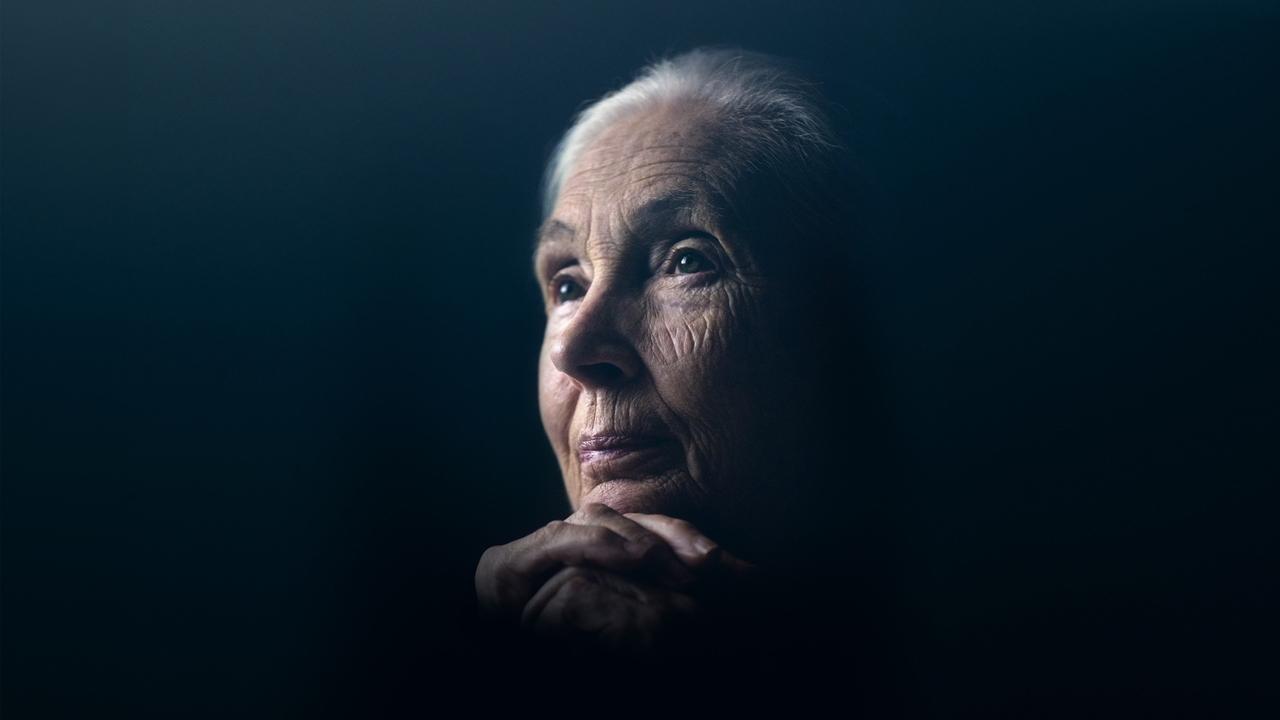
Over four decades, Dr. Jane Goodall has advocated for chimpanzees and their habitats while conducting research in Gombe Stream National Park, Tanzania.
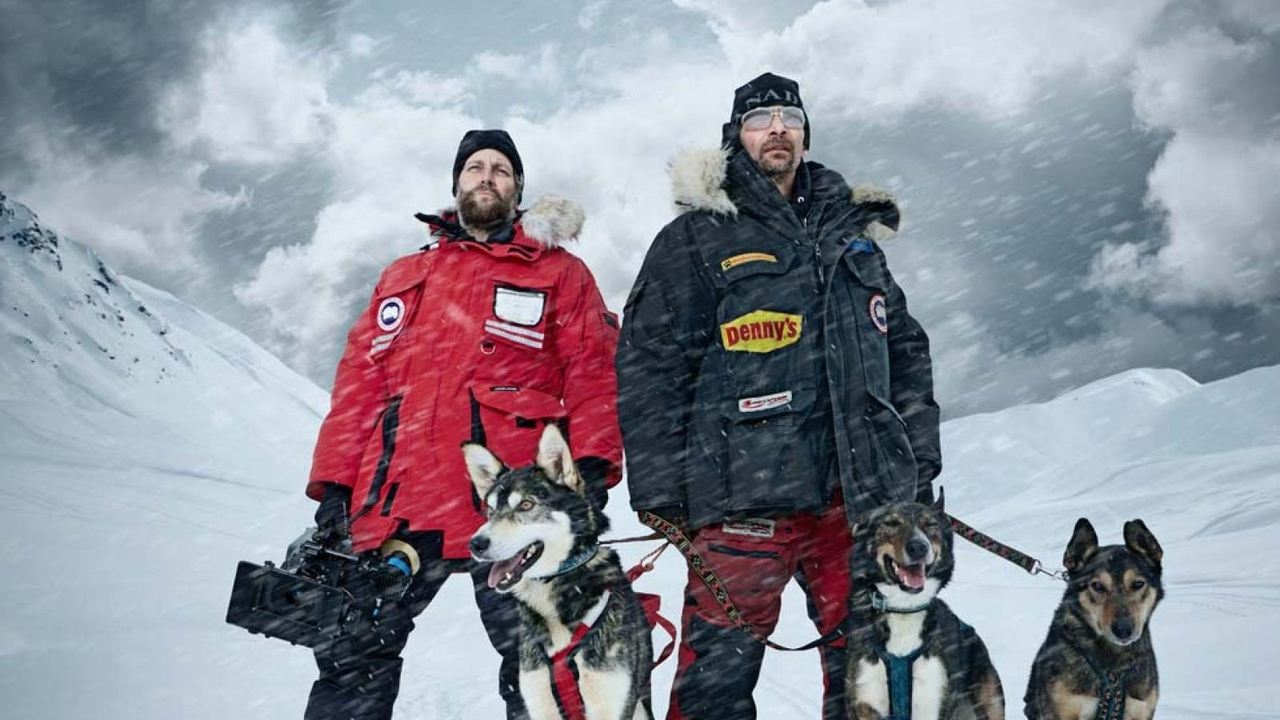
Iditarod champion Lance Mackey overcomes adversity to reclaim his passion.
A deep exploration of humanity's role in Earth's fragile ecosystem.
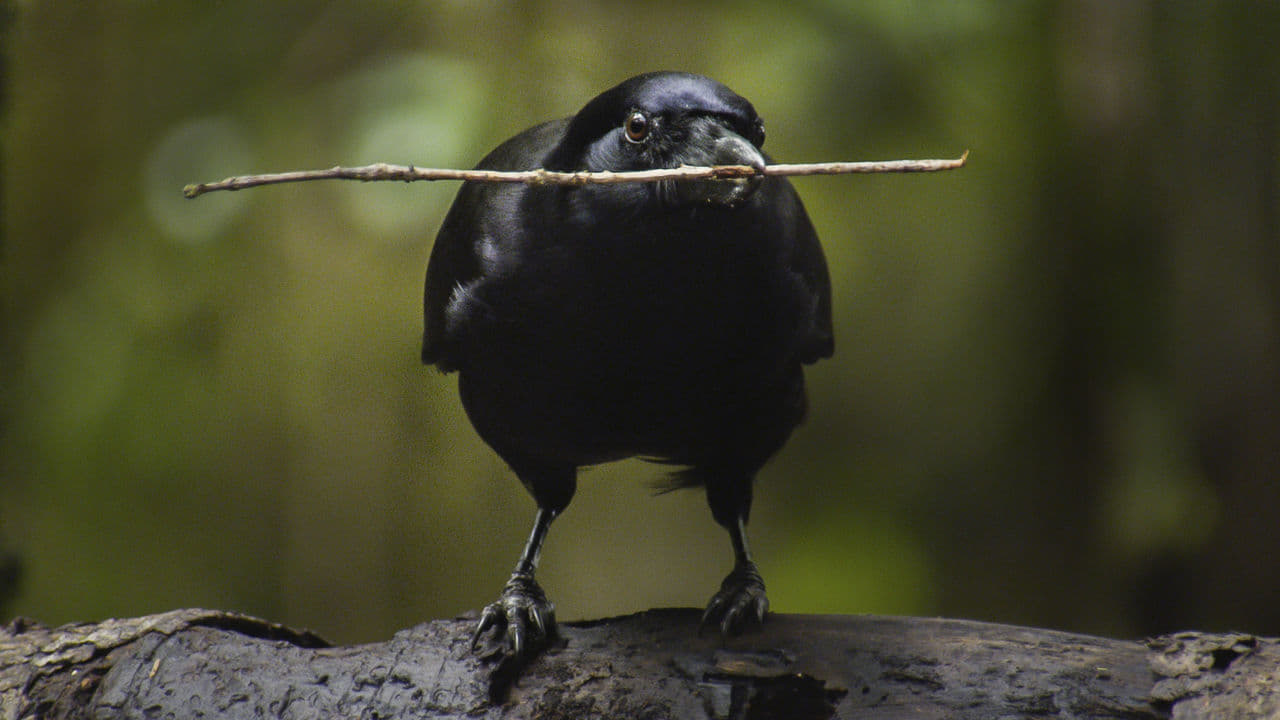
Birds in Australia use their claws and beaks to solve complex puzzles and create tools, demonstrating advanced cognitive abilities.
In the remote valleys of Appalachia, diverse wildlife such as bears, salamanders, and vultures coexists with a rich human culture.
A young artist experiences vivid hallucinatory messages from nature after contracting a deadly bacterial infection, prompting reflections on biodiversity and extinction.
8,225 is the number of species photographed by conservationist Joel Sartori, who aims to raise awareness about wildlife conservation.
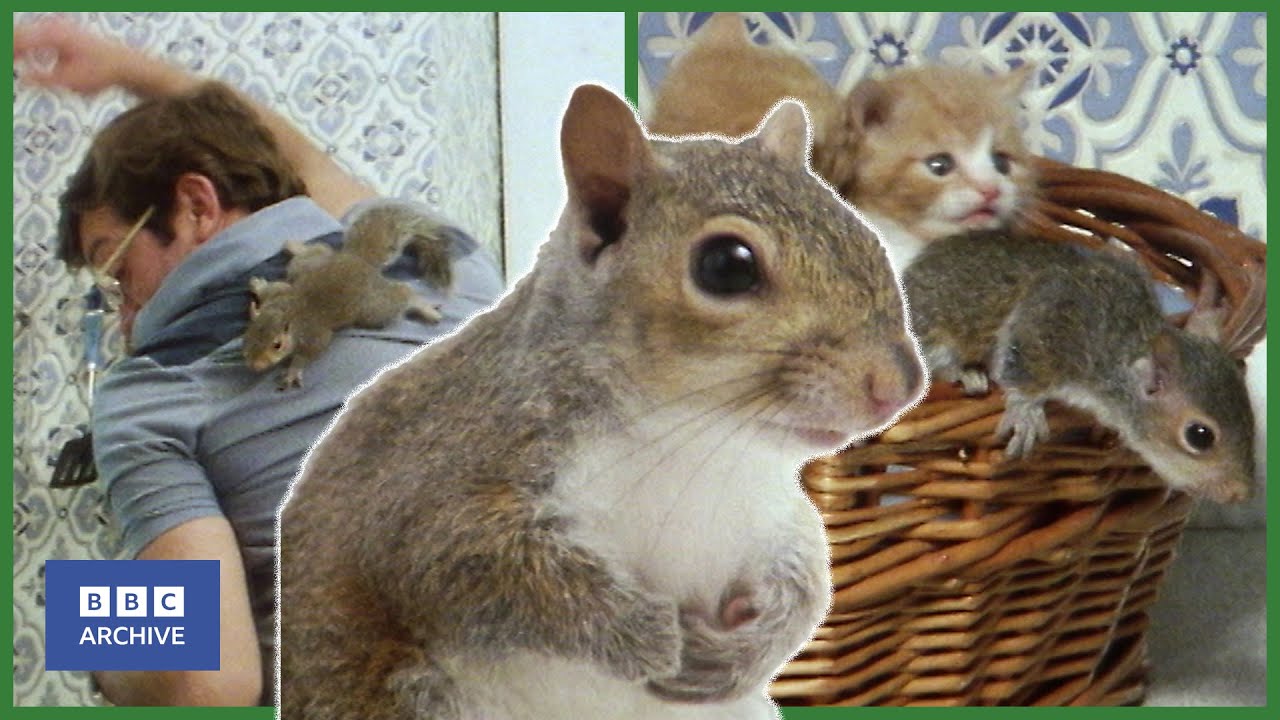
Sammy, a baby grey squirrel raised by a cat in 1981 Oxfordshire, challenges his caretaker's decision to release him into the wild.
Californian and Costa Rican forests showcase rich biodiversity and intricate ecosystems, highlighting the urgent need for forest conservation efforts.
In the forests of Costa Rica, Alaska, and California, natural sounds provide a calming backdrop for relaxation, study, or meditation.
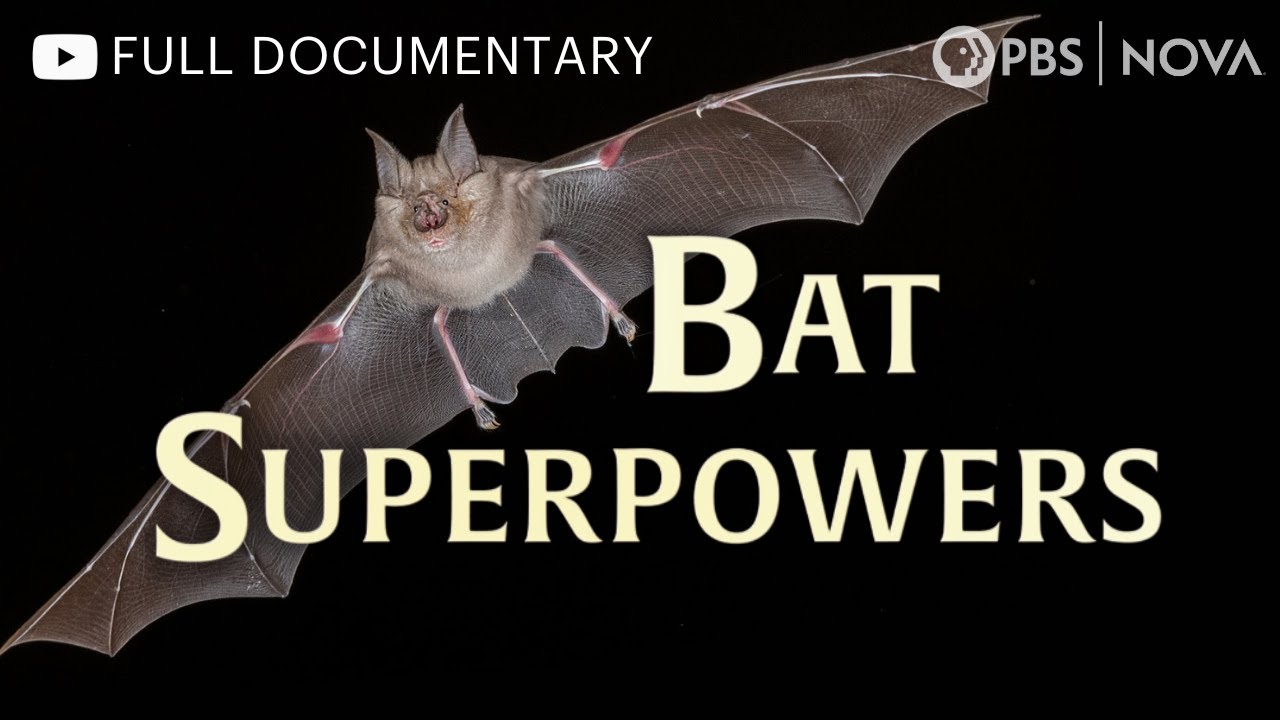
Three million bats take flight each night from Khao Chong Phran cave, prompting scientists to study their unique immune systems and potential health benefits.
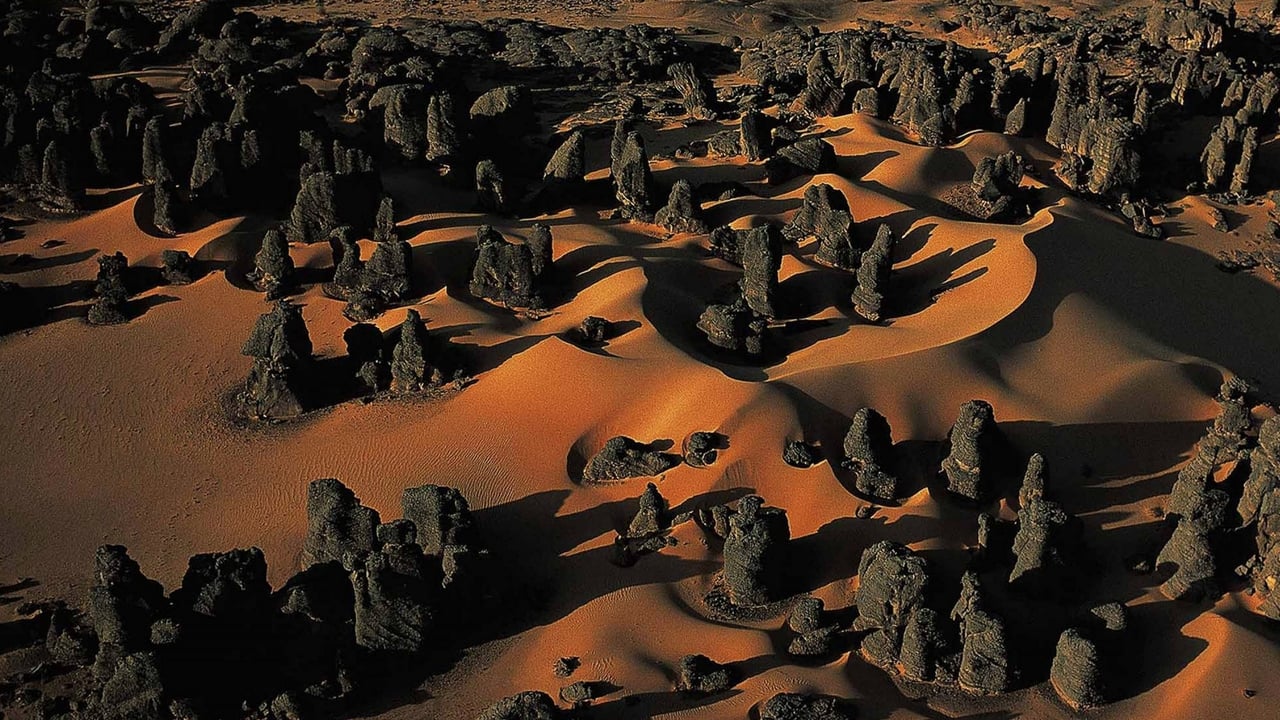
Algeria is the largest country in Africa, featuring diverse landscapes from coastal cities to the Sahara's oases, all captured through aerial cinematography.
A big year in birding involves seeing as many species as possible in one calendar year, with the record for the lower 48 states set at 751.
George Thompson reflects on the teachings of history's great thinkers while standing in the Scottish wilderness, seeking to understand self-awareness.
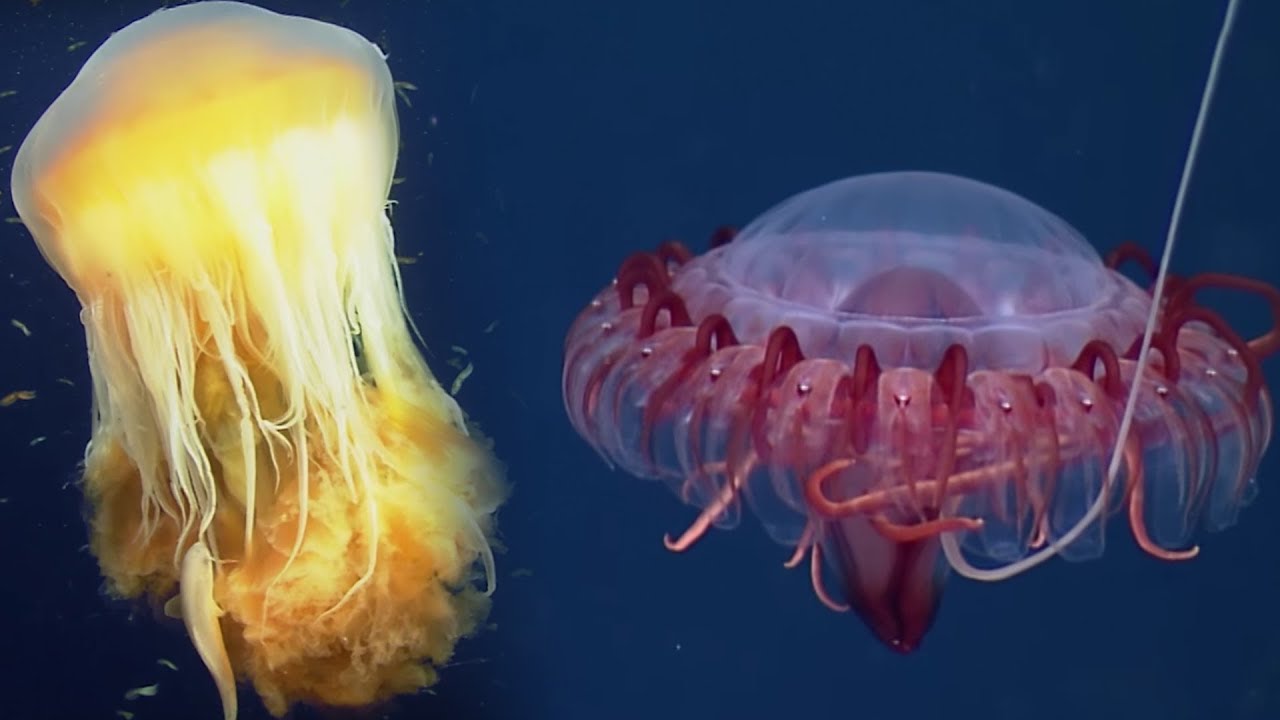
A siphonophore can grow longer than a blue whale, illustrating the phenomenon of deep sea gigantism among marine organisms.
Anna Breytenbach, an animal communicator, uses mental imagery to connect with various animals, addressing their emotional and physical needs across species.
Komodo dragons can weigh about 150 pounds and are known to attack and kill animals much larger than themselves, including water buffalo.
In the deep sea, real footage showcases iconic species like sixgill sharks and giant isopods, filmed by the Schmidt Ocean Institute and NOAA.
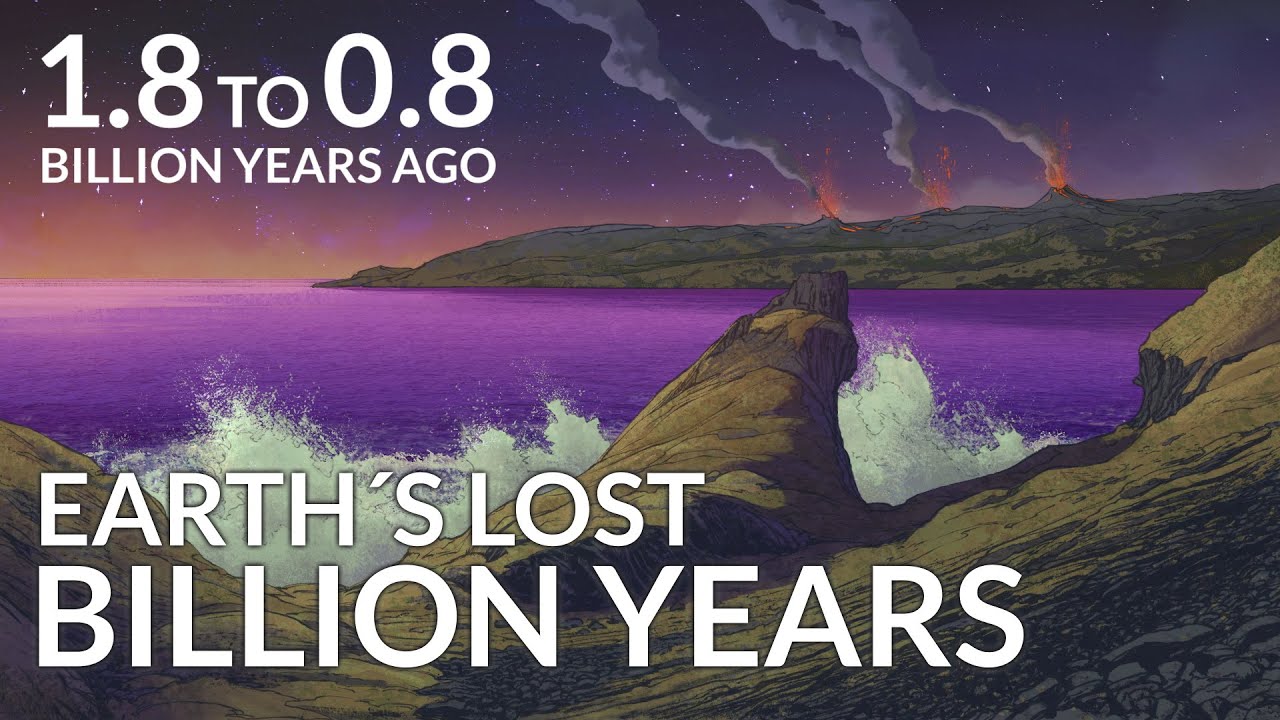
1.8 billion years ago, a geological period known as the "Boring Billion" began, marked by minimal evolutionary activity yet crucial for future life on Earth.
A 10-hour loop features diverse marine life and underwater landscapes, showcasing the beauty and ecosystems of the world's oceans.
Ants in various ecosystems have developed sophisticated agricultural practices, cultivating fungi and other plants to sustain their colonies.
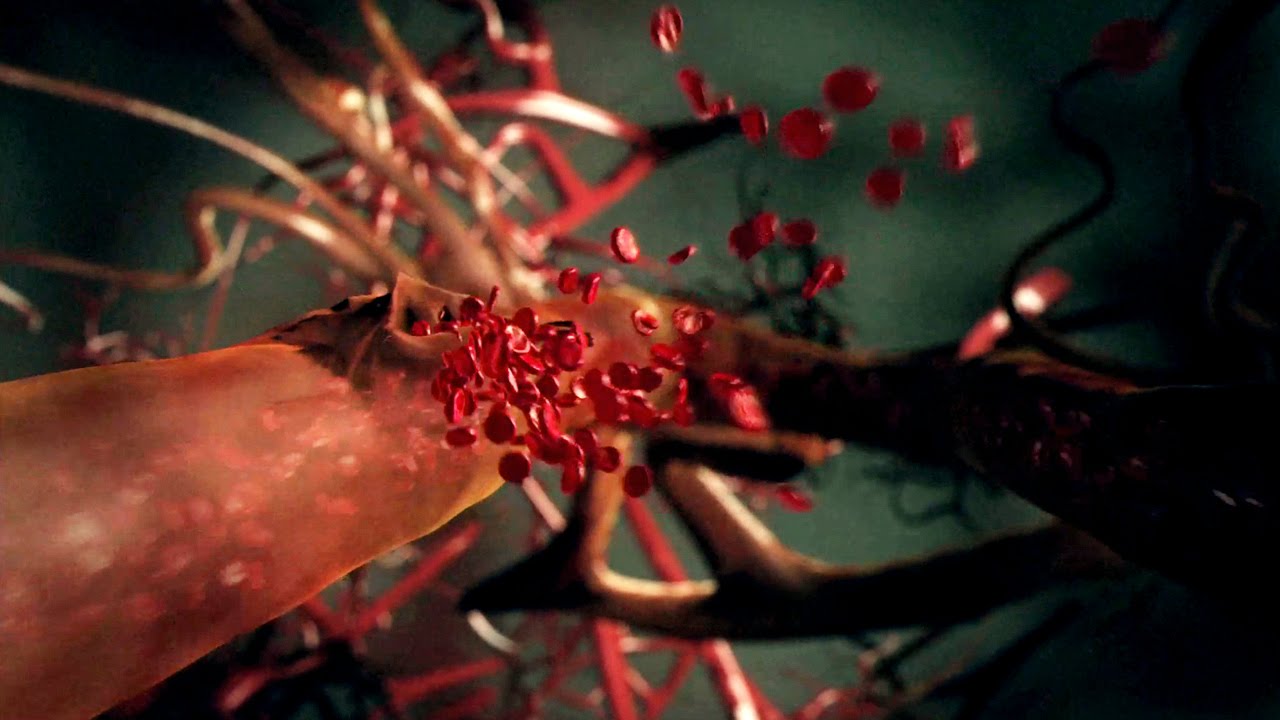
Human physiology is explored through advanced CGI and real in-body photography, illustrating the body's transformations from birth to old age.
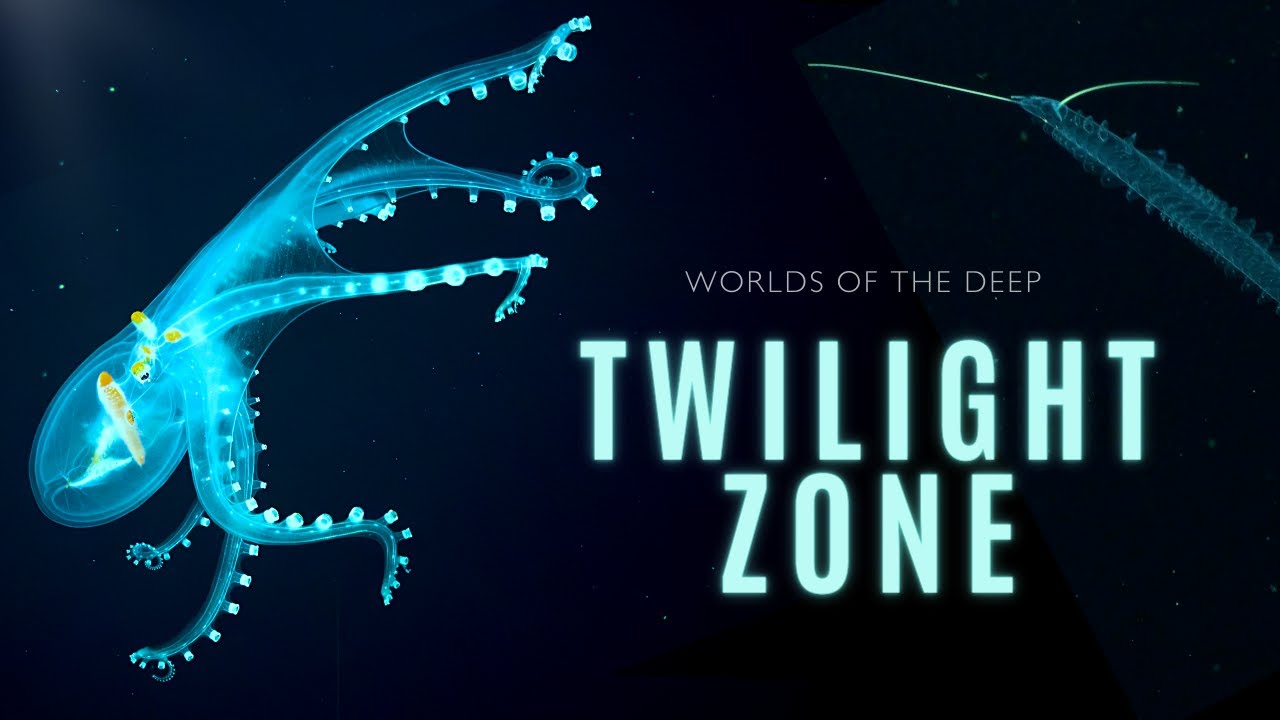
The deep sea is defined as anywhere below a depth of 200 meters, encompassing more than a billion cubic kilometers of living space.
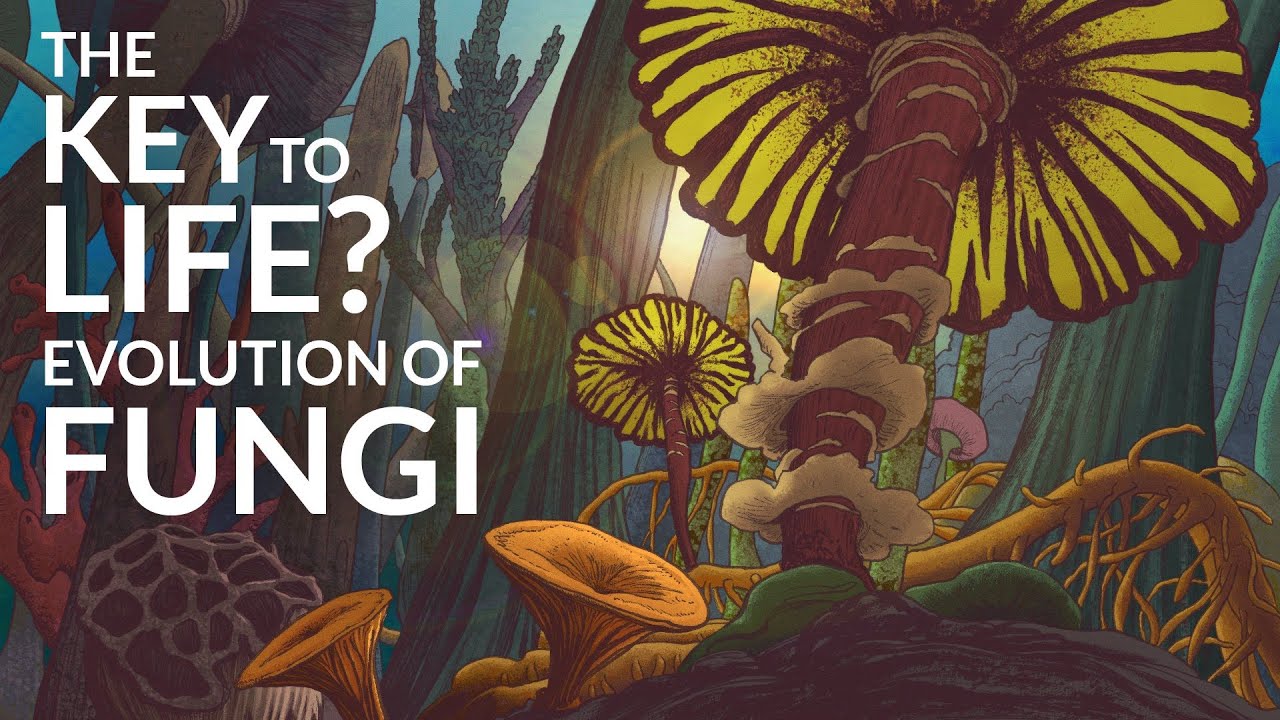
Fungi reached heights of eight meters during the Devonian period, dominating the early terrestrial world with their massive structures.
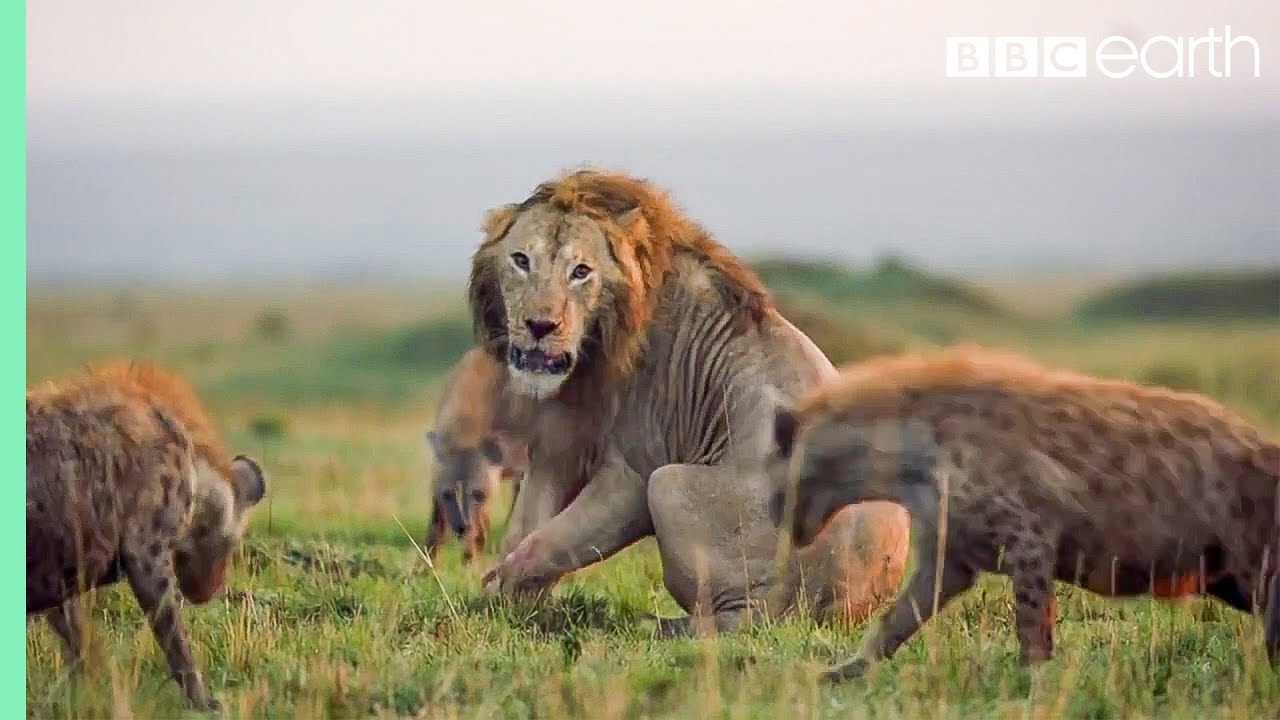
Ten iconic natural history moments feature a lion attacked by hyenas, an iguana escaping snakes, and a lyre bird mimicking its surroundings.
Mark Dumas has formed a unique bond with Aggie, a 60-stone polar bear, whom he has cared for since she was eight weeks old.
Chernobyl's exclusion zone has become home to hundreds of different creatures, including wolves and wild boars, in the absence of human inhabitants.
Temperatures drop to -100°F as Will Smith traverses icefields and meets scientists conducting research in Antarctica's extreme conditions.
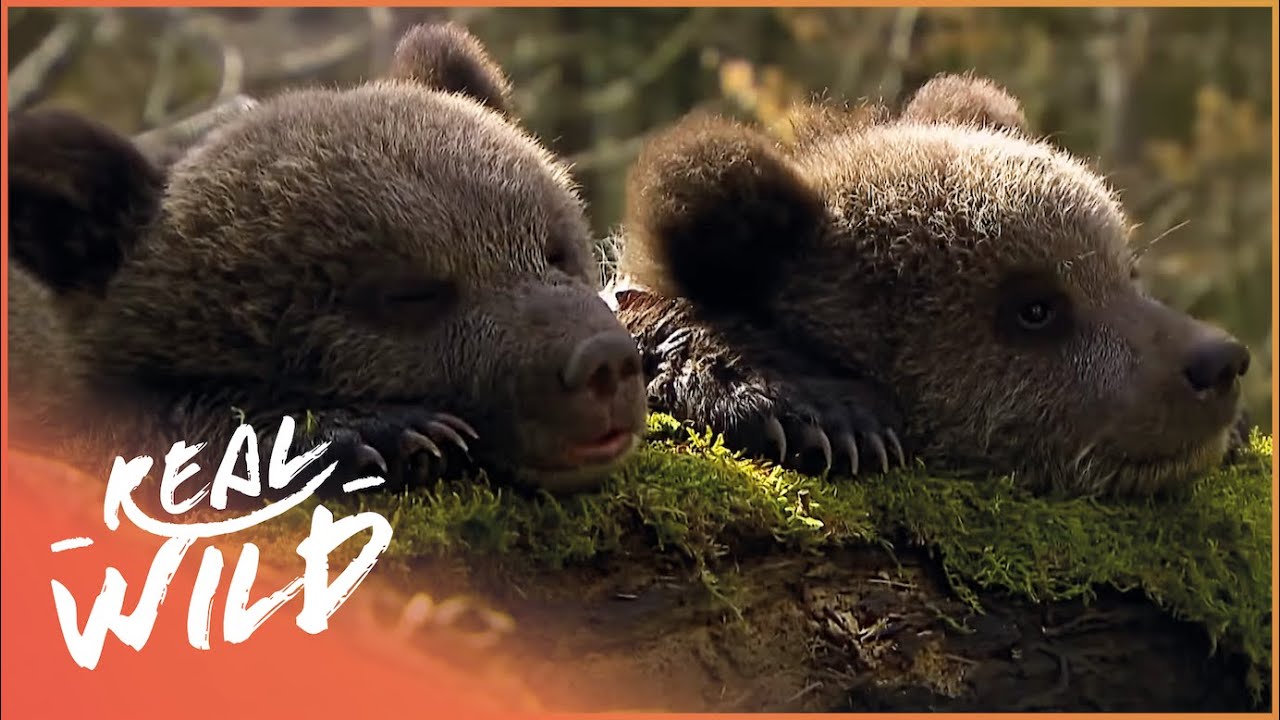
Six thousand brown bears live in the Carpathian Mountains, where two orphaned cubs find an unusual surrogate mother after losing their own.
An American black bear named Belo shares his enclosure with a tiger at a wildlife sanctuary in Atlanta, defying expectations of interspecies behavior.
A female Asian elephant's pregnancy lasts nearly two years, during which time the embryo develops into a complex mammal through various stages.
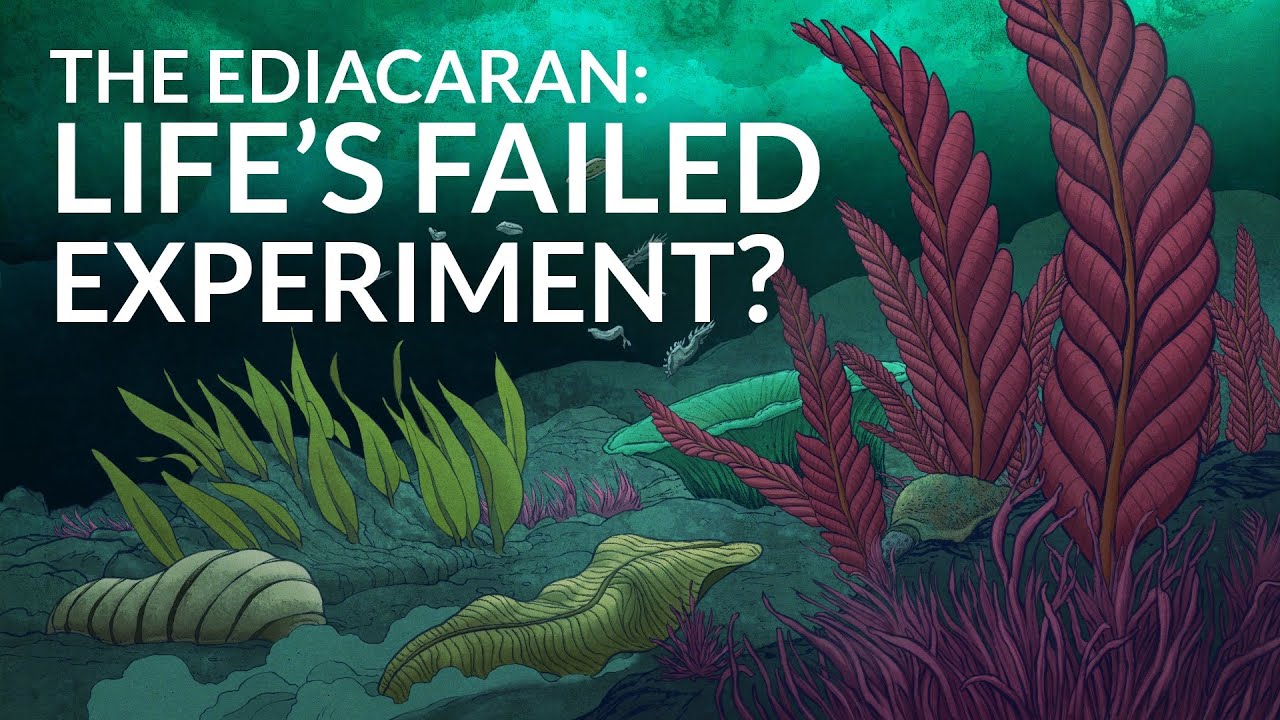
Ediacaran biota, which existed 635 to 541 million years ago, may represent some of the earliest forms of multicellular life on Earth.
Cara Delevingne and Bear Grylls explore the Sardinia Mountains, facing survival challenges and learning essential skills amid stunning landscapes.
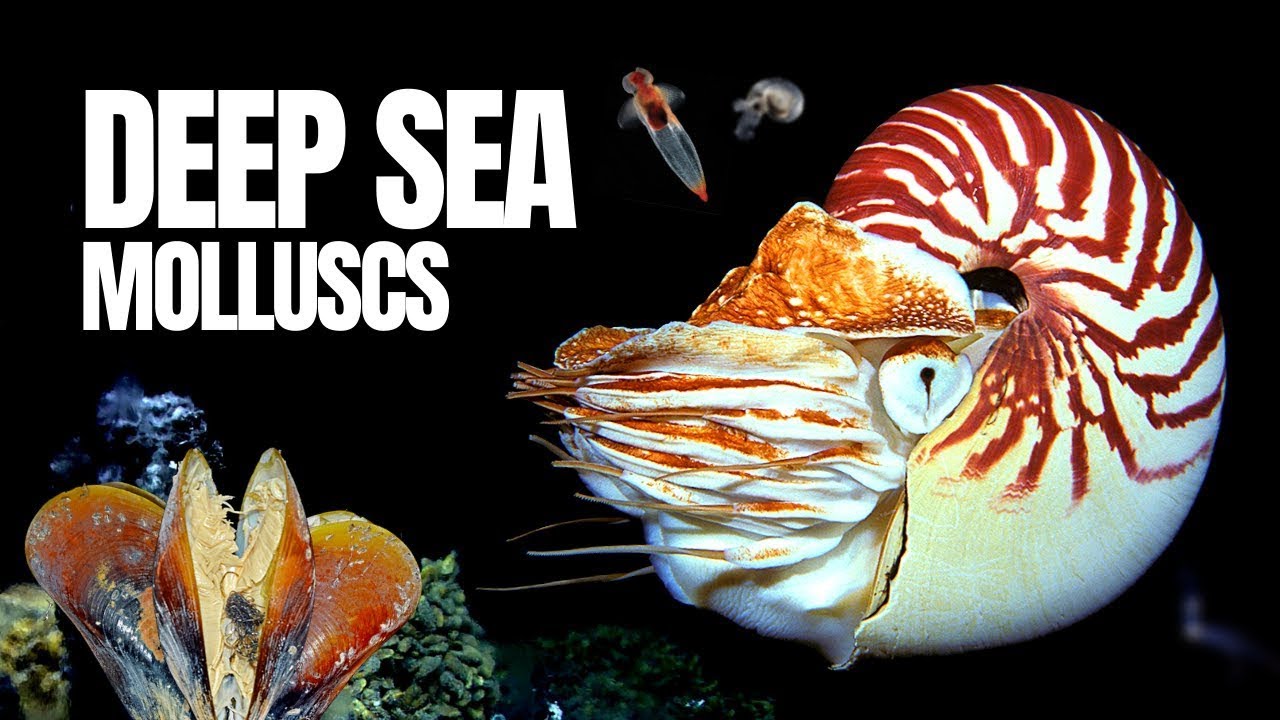
Molluscs, including cephalopods and gastropods, represent nearly 25% of marine organisms, showcasing remarkable diversity and adaptability across various ecosystems.
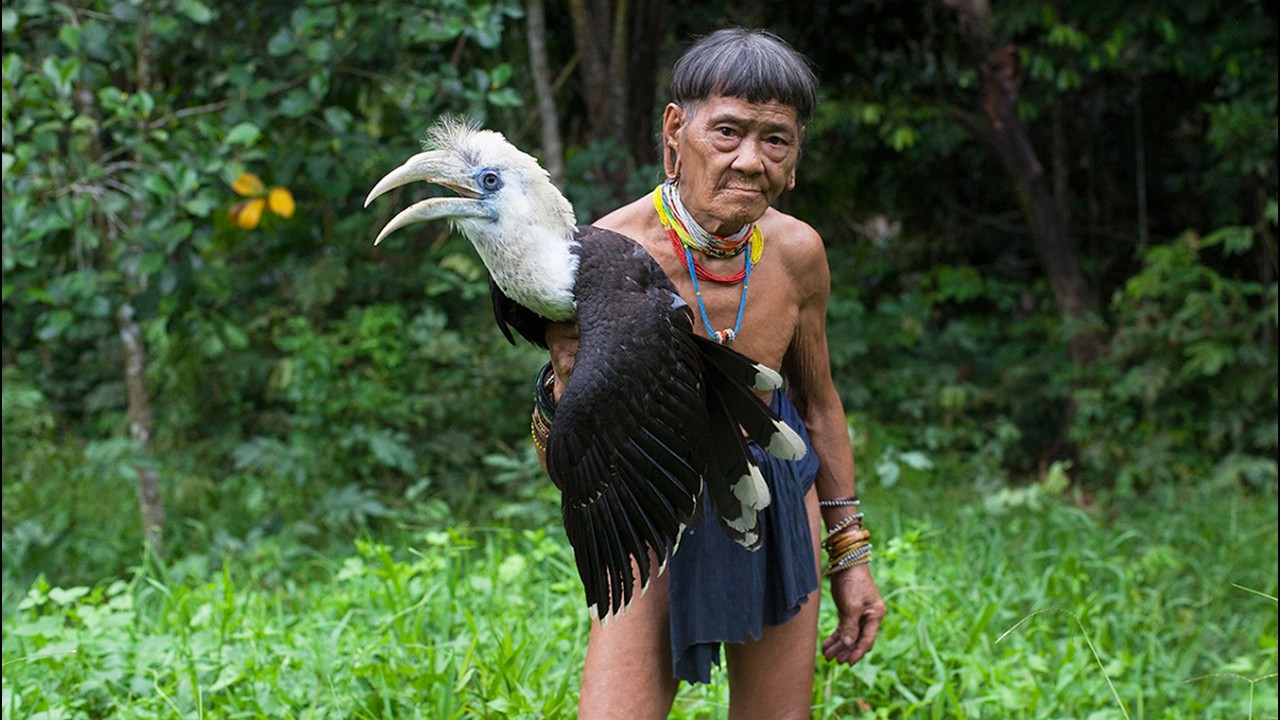
Fewer than 10% of Sarawak's primary rainforest remains intact, threatening the survival of the Penan tribe and their traditional way of life.