From over 100,000 films, discover the handful you'll love.
Free or premium access to the world's largest documentary library.
291 films(Page 2 of 7)
Stars reveal their composition and colors while exploring the anthropic principle and the intriguing possibility of a multiverse.
Jenny Cockell's vivid memories of a past life as a mother-of-eight raise questions about time travel and the nature of reality.
William Shatner explores claims of alien encounters, including a Mexican farmer's capture of the "Metepec" creature and allegations of extraterrestrial life at a Nevada Air Force base.
Four individuals share their near-death experiences, detailing moments of clarity and lessons learned during their time beyond life.
In Colorado, a man believes aliens monitor him through a mysterious object in his body, while a St. Louis housewife becomes a literary genius with spirit assistance, and a California woman claims to disrupt machines and people.
Marty Feldman explores the essence of comedy by engaging with iconic British comedians, examining their creative processes and personal motivations.
Advanced communication technology in 1968 is explored through insights from experts like Arthur C. Clarke, highlighting its potential impact on society and privacy.
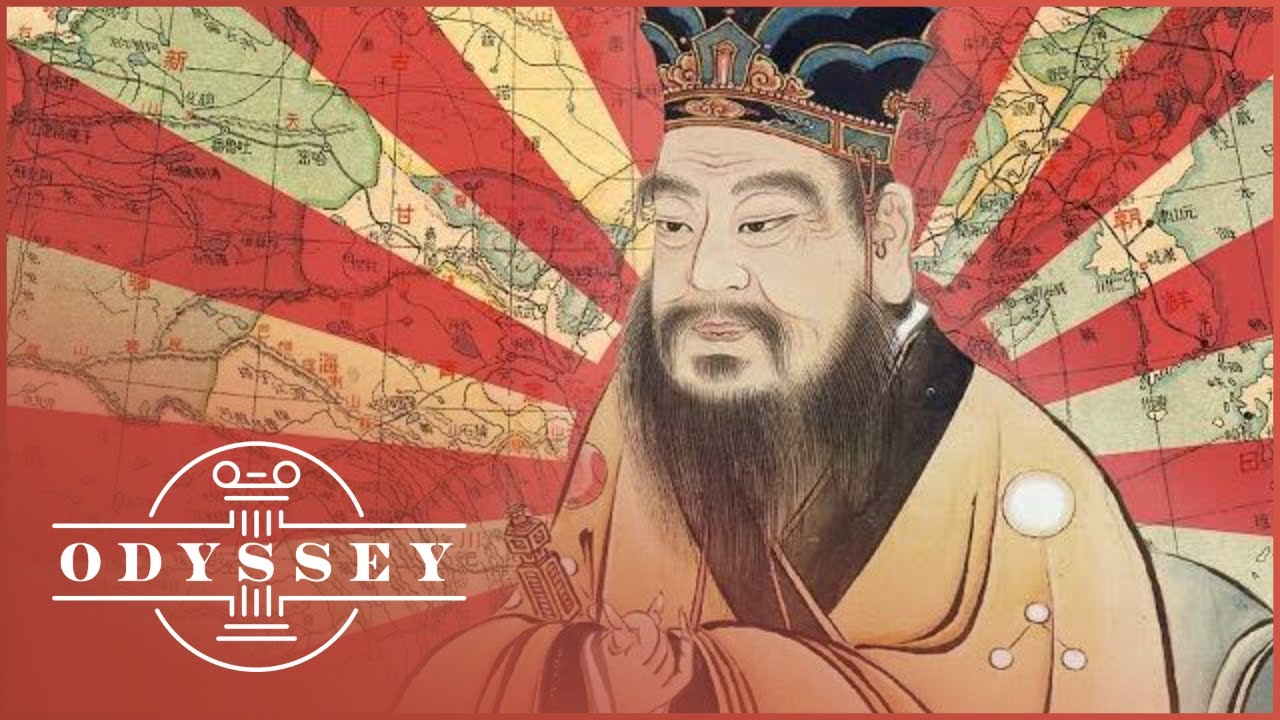
Confucius, a pivotal figure in Chinese philosophy, profoundly influenced societal values and ethics during a transformative period in ancient history.
Pythagoras grew up on the island of Samos in the 6th century BCE and is remembered for his theorem on right-angle triangles.
Existence poses a profound mystery, as the universe's creation should have led to the annihilation of matter and antimatter, yet they coexist.
Jim Al-Khalili examines revolutionary discoveries in modern physics, including Einstein's General Theory of Relativity and the concept of a holographic universe.
Scientific materialism is challenged through an exploration of biological engineering, suggesting that life may indicate the presence of intelligence rather than random processes.
Tai Chi Chuan, a martial art practiced by Chinese nobility in the 19th century, is based on the principles of Yin and Yang and the Five Elements.
Near-death experiences reported by over 8 million Americans suggest that consciousness may persist beyond physical death, challenging traditional views on mortality.
Cutting-edge research in consciousness science raises critical questions about humanity's potential evolution and the implications of technological advancements on the essence of being.
In a two-part exploration, professor Jim Al-Khalili examines the concepts of everything and nothing, revealing how the universe and mathematics are interconnected.
An alien spacecraft has never landed on Earth, yet experts discuss humanity's readiness for first contact with intelligent life from space.
Joe Tilson, a prominent British artist, explores the tension between human emotional needs and technological advancements in a mechanical world.
Boris Belousov's groundbreaking chemical discovery, deemed impossible by the scientific community, challenges long-held beliefs about the universe's predictability.
Patrick Moore challenges conventional astronomical beliefs by engaging with independent thinkers who propose unconventional theories about the universe and our place in it.
Ghost hunters, a sensory neuroscientist, and an E.V.P. investigator explore the enigmatic sounds attributed to the afterlife and their implications.
Confucius, an influential philosopher from ancient China, shaped moral philosophy that continues to impact Chinese society and thought today.
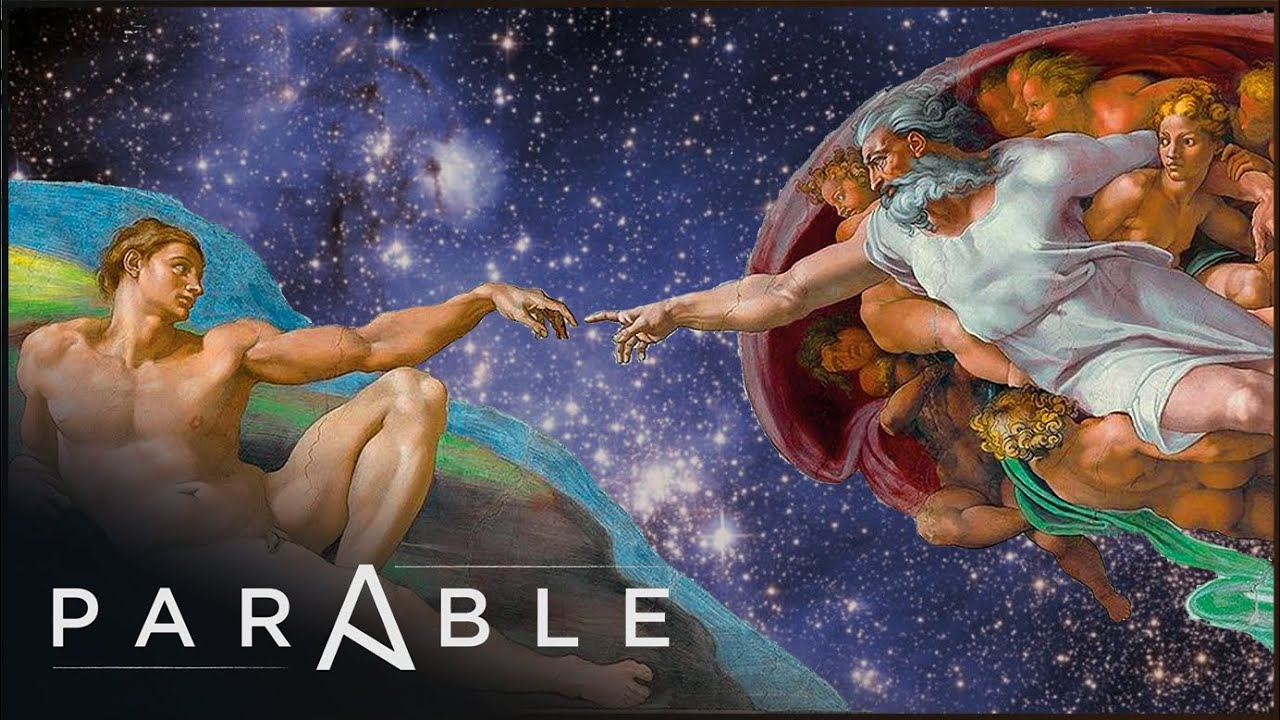
Theories regarding the nature of God, the Bible, and angels are examined through the lens of extraterrestrial influence and ancient astronaut hypotheses.
Lelung Rinpoche, a key figure in Tibetan Buddhism, seeks to recover lost spiritual teachings while navigating his own path to enlightenment across multiple countries.
Clairvius Narcisse's claim of returning from the dead as a zombie, alongside past life regression and the Scole Experiment, raises questions about life after death.
Human morality is examined through the lens of biology, exploring empathy in infants and the genetic and chemical influences on our moral choices.
Planet Earth faces a critical decline due to various factors, prompting urgent discussions about its future and the theories surrounding humanity's potential extinction.
Jeff Lowe's groundbreaking ascent of the North Face of the Eiger, titled Metanoia, transforms his life as he confronts physical decline and mortality.
Fyodor Dostoevsky's transformation from a radical intellectual facing execution to a profound philosopher is explored through his influential works and their impact on existential thought.
Stephen Jenkinson, a clinical-practice leader at Mount Sinai Hospital, has worked with over 1,000 patients facing the end of their lives.
Life on Earth is argued to have originated from intelligent design rather than random processes, challenging traditional scientific materialism.
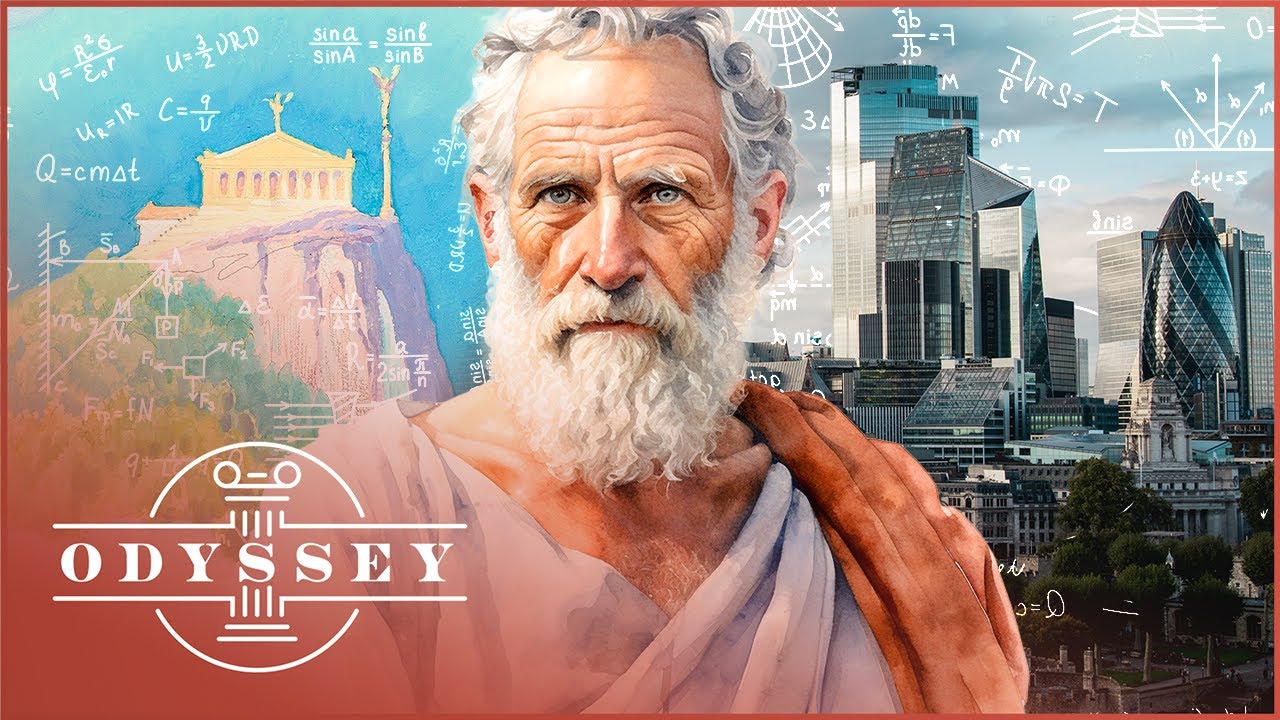
Ancient Greece's philosophers, including Plato and Pythagoras, laid the groundwork for modern mathematics and critical thinking that shape contemporary understanding.
Richard Dawkins is described as a man who has waged war on religion, blaming it for much of the violence in the world.
Shintoism and Confucianism, foundational belief systems in Japan and China, have ancient origins that continue to influence their societies today.
Mary Johnson, Debra Hocking, and Kilong Ung share their transformative experiences of grief, resilience, and the pursuit of forgiveness amidst profound trauma.
Jim Al-Khalili explores the profound relationship between everything and nothing, examining the universe's nature through the lenses of math and science.
Tracey Ryan navigates the affluent New York art scene, fostering a vibrant network of creativity and entrepreneurial spirit through Zen Buddhism.
The vastness of the universe raises profound questions about our existence, exploring concepts of infinite scales, fractals, and the fundamental nature of reality.
Parallel worlds are examined through accounts of shadow people, teleportation claims from New Jersey to New Mexico, and the mystery of ancient crystal skulls.
The origin of life on Earth is examined through the lens of mathematics and natural laws, questioning whether existence arises from chance or a deeper order.
Pythagoras and Plato's philosophies are examined for their lasting influence on modern thought, architecture, and societal structures across North America and Europe.
Ancient Greek philosophers like Thales, Pythagoras, Socrates, Plato, and Aristotle laid the foundation for Western thought, influencing later thinkers such as Augustine and Thomas Aquinas.
Artificial intelligence raises critical questions about its attainability, desirability, and potential to surpass human intelligence, as debated by leading experts.
The exploration of space and its natural design is presented as evidence supporting creationism, reflecting the director's spiritual connection to the universe.
The eventual demise of the universe is dictated by the second law of thermodynamics and entropy, shaping the cosmos from its inception to its end.
Confucius, a pivotal figure in Chinese history, is examined through his teachings and the impact of Confucianism in this drama-documentary.
The Fermi paradox raises questions about the absence of extraterrestrial civilizations despite the vastness of the universe and the potential for life beyond Earth.
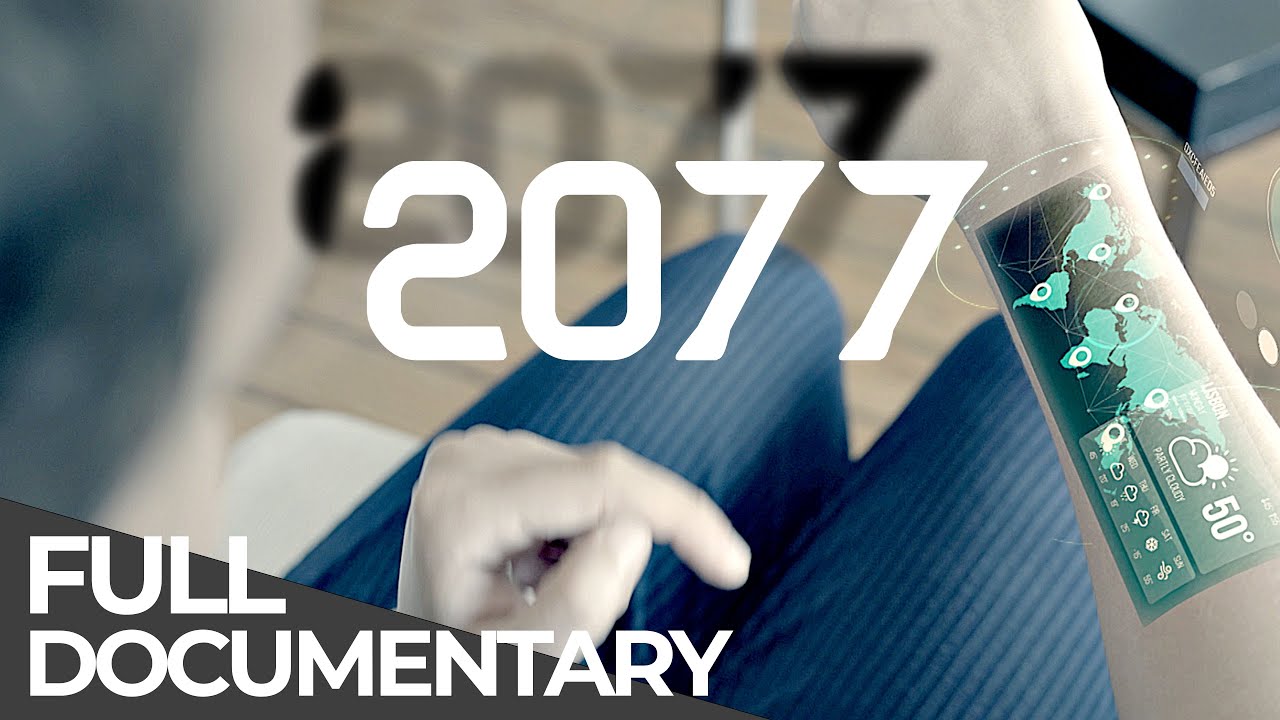
By 2077, the global population is projected to increase by three billion, raising concerns about resource scarcity and societal stability.