From over 100,000 films, discover the handful you'll love.
Free or premium access to the world's largest documentary library.
10062 films(Page 163 of 210)
In the 1970s, the War on Drugs emerged in response to urban crime linked to heroin, but today, the epidemic has shifted to rural areas with different user demographics.
John Dillinger enters the Indiana State Reformatory as a petty thief and becomes a notorious criminal.
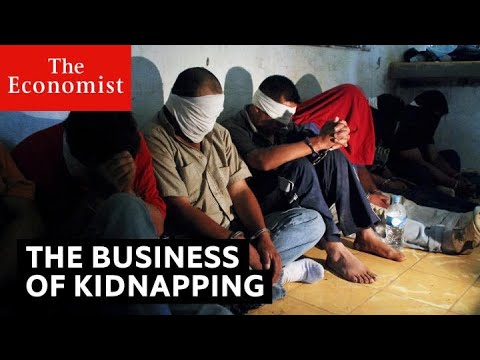
More than 75 percent of Fortune 500 companies have kidnap and ransom insurance policies to protect employees in high-risk areas like Mexico.
Dr. Edmond Locard applies his forensic principles to a murder case involving a young socialite, demonstrating the critical role of trace evidence in criminal investigations.
Portugal's innovative drug policies, including the incineration of four tons of narcotics monthly, contrast with Colorado's regulatory strategies in addressing drug-related issues.
Prohibition targets Black and Hispanic people, leading to the KKK's revival in America.
The Italian mafia profits from the exploitation of migrant labor in the tomato industry.
U.S. customs seized five tons of fentanyl in 2021, more than double the amount from the previous year, as Mexican cartels shift to synthetic drug production.
The video shows how yachts became a loophole for drinking alcohol during Prohibition.
Investigators in 1985 Los Angeles search for latent fingerprints in a car abandoned by the Night Stalker, using various powders to reveal evidence.
A quarter of a million people are targeted in business attacks each day, according to social engineer Jenny Radcliffe, who offers strategies to protect against hackers.
A single elephant tusk can sell for over $4,000 on the black market, contributing to the ongoing threat of extinction for the species.
Corruption devastates lives, as seen in Cape Flats and Ukraine's fight for transparency.
Demitri's clever strategies challenge pro car thieves, offering an engaging summer experience filled with unexpected twists and entertaining moments!
Eight British teenagers are placed in a high-security American prison to confront the realities of incarceration and reconsider their life choices.
The Federal Bureau of Alcohol, Tobacco, Firearms and Explosives uses fire research to solve arson cases.
Psychological insights into the motivations and tactics of con artists reveal the complex dynamics of trust and deception in human interactions.
Equatorial Guinea's vice-president faces trial in France while flaunting his lavish lifestyle on Instagram.
Before the advent of DNA testing, prosecutors often relied on microscopic hair analysis, raising questions about the reliability of such forensic techniques.
Israel's response to Hamas's attack raises legal concerns over its blockade and targeting practices.
Ismael Nazario shares his experiences at Rikers Island's violent 'Gladiator School.'
Belgian photographer Anton Kusters documents Japan's Yakuza families over two years.
Money laundering through diamonds is examined along the San Diego-Mexico border, highlighting smuggling ease and the diamond cartel's regulatory challenges.
El Salvador, Venezuela, and Guatemala face severe gun violence exacerbated by America's laws.
Hooch can be made in British prisons using one cup of sugar for every two liters of juice, fermenting into alcohol in as little as three days.
In South Africa, the number of women killed by a partner or family member is five times higher than the global average, prompting widespread protests.
Australia and the Netherlands seek justice from Russia for the 2014 MH17 shooting down.
In the early 1990s, Boston's Operation Ceasefire brought together law enforcement, clergy, gang members, and scholars to reduce gang violence through community collaboration.
Amy feels anxious about her friendship with Millie, worried that their issues might cause them to drift apart.
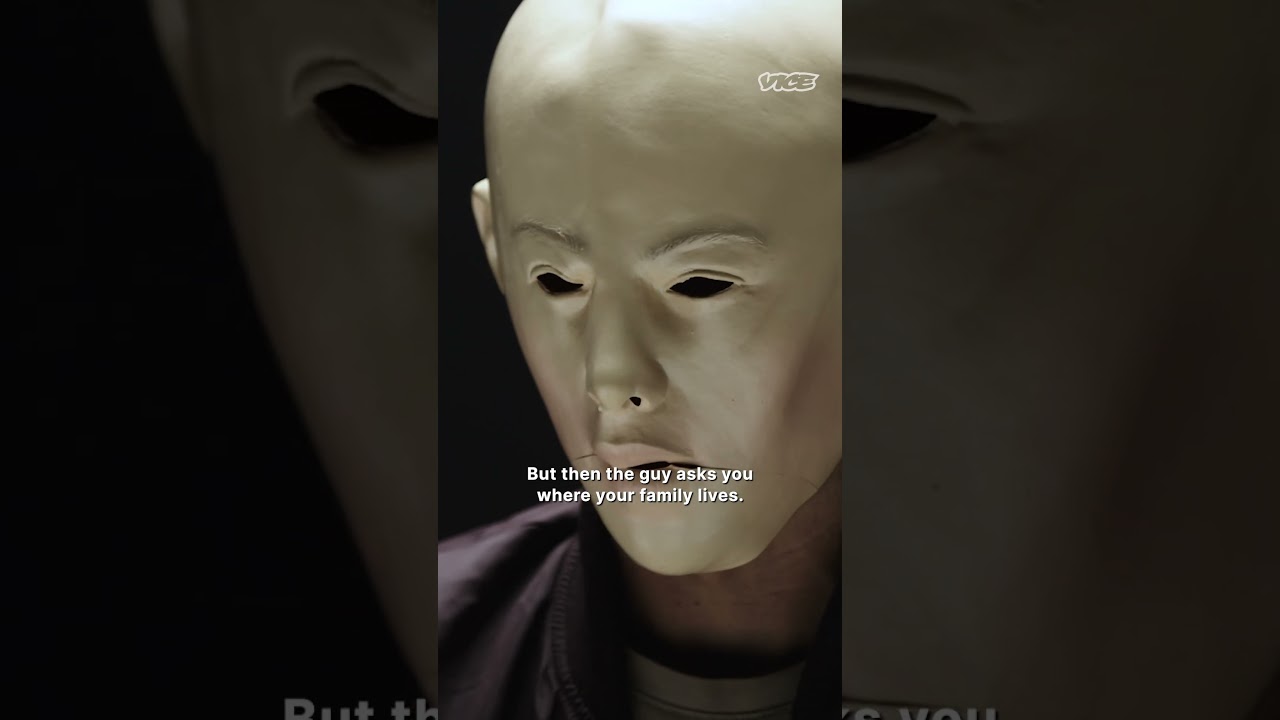
The Black Alien Project explores the life of Anthony Loffredo, who undergoes extreme body modifications to achieve his vision of looking like an alien.
Learn how Gulag prisoners avoided work duty in this exclusive clip from the series.
Around 25 percent of Russians have been subjected to state investigations and imprisonment.
More than half of ex-prisoners return to incarceration within a short time, raising questions about the effectiveness of current penal systems.
In Georgian Britain, trivial offenses could lead to the death penalty, highlighting the severe injustices of the 18th-century legal system as examined by Kathy Burke.
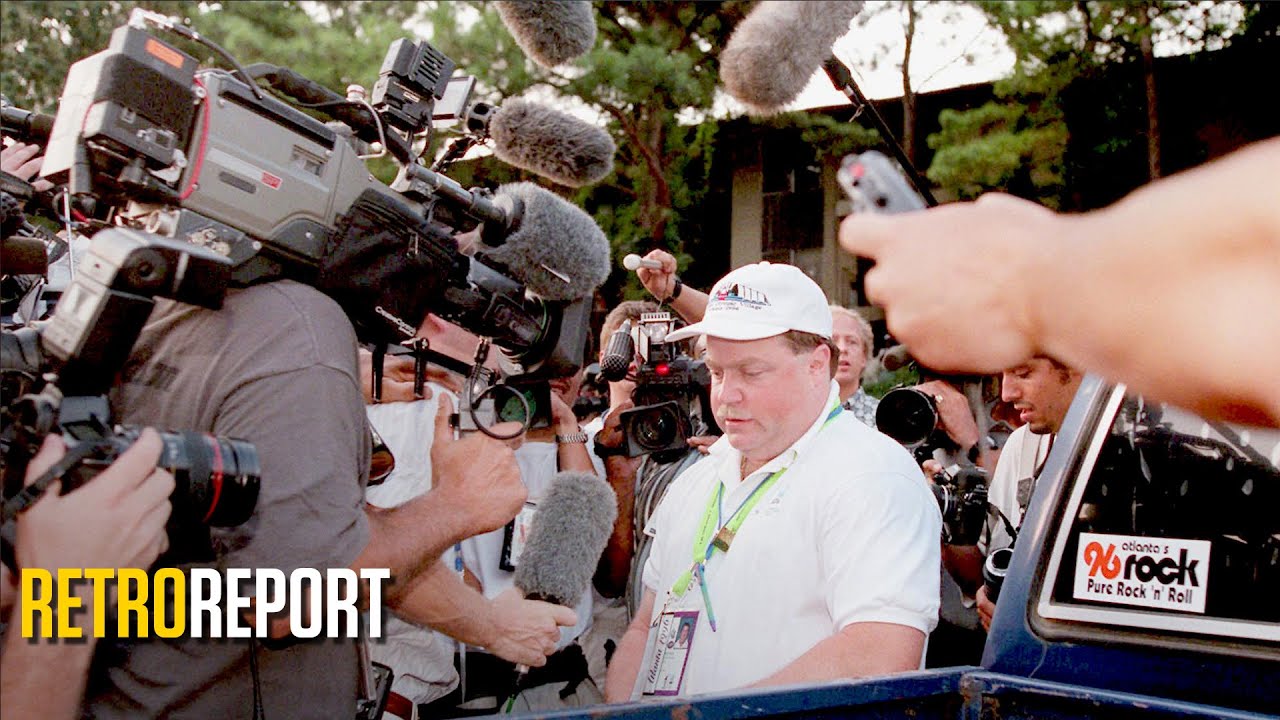
In the aftermath of the 1996 Atlanta Olympics bombing, security guard Richard Jewell became a suspect in the investigation despite his innocence.
The video details the slave auction process and the exploitation of Africans in the Americas.
Alexei Navalny's film about Putin's secret palace received 120 million views, stirring protests against political repression and corruption in Russia.
Scott Hechinger reveals the harsh realities of criminal court in Brooklyn and its impact on clients.
A handheld laser scanner detects a latent fingerprint on the rearview mirror of the Night Stalker's abandoned vehicle, aiding in the investigation.
50,000 police dogs are currently working in the United States, many trained to apprehend suspects and search for contraband.
In 1971, Vietnam War protestors infiltrated an FBI office in Pennsylvania, stealing hundreds of documents and revealing government secrets.
1500 species of sea cucumbers are trafficked globally, with a black market in India valued at $200 million threatening marine ecosystems and local communities.
The total value of counterfeit goods in world trade amounts to $500 billion annually, impacting health, safety, and criminal networks.
800 billion Iraqi dinars, or about 600 million dollars, were stolen from Iraq's tax authority in what is described as the biggest bank heist in history.
Intimacy and personal connections are examined through landmark stories from the UK series 24 Hours in A&E and Dispatches, highlighting societal challenges.
In his first year, hacker Alberto Gonzalez stole 11.2 million payment cards from retailers across Miami, later increasing that number to almost 90 million.
A drug mule recalls being given 500 grams of drugs to deliver while facing threats from gang members posing as police.
Francine Hughes killed her husband by pouring gasoline under his bed and lighting it, after enduring thirteen years of abuse.