Wild Connection
Six episodes on Central America as a land bridge, where North and South American wildlife met and stayed.
Synopsis
The Isthmus of Panama closed four million years ago, splitting one ocean into two and joining two continents. Six episodes follow what that did to the species on either side, from separated marine populations to jaguars and monkeys sharing a single corridor.
Episodes
 1
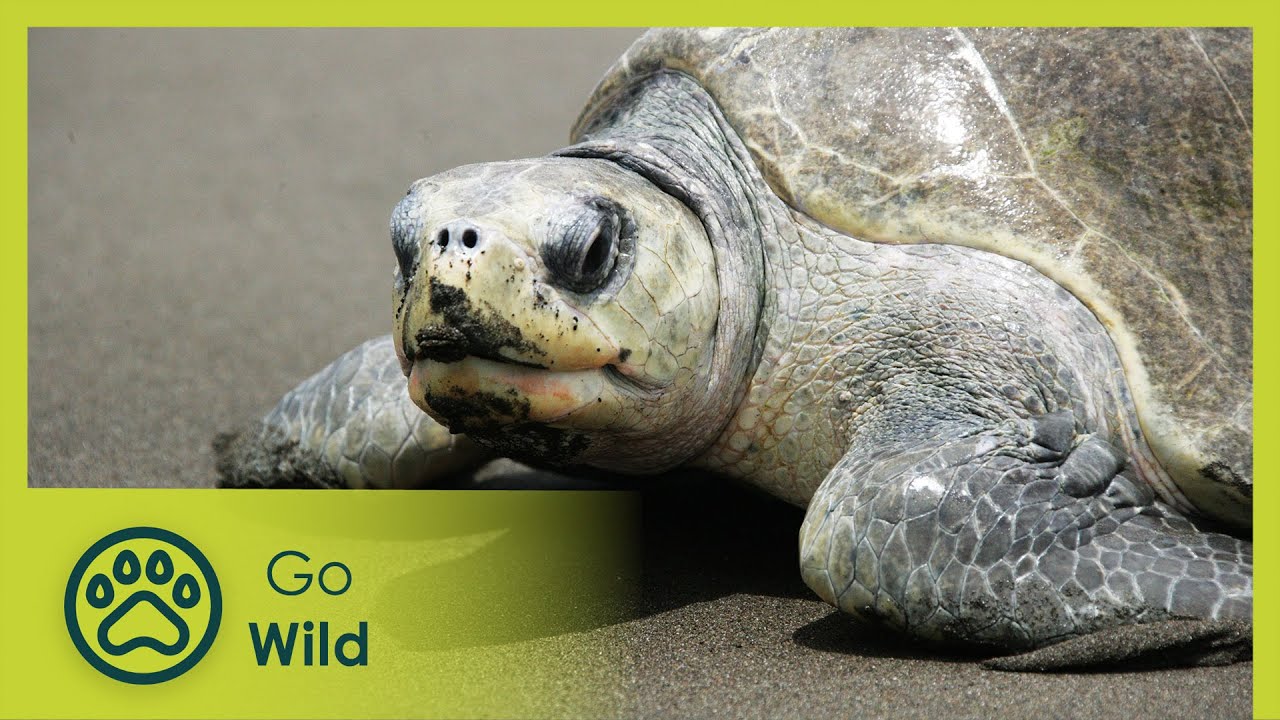
1The Oceans' Border - Wild Connection 1/6
52mThe geological closure of the Isthmus of Panama 4 million years ago separated the Pacific and Atlantic Oceans, leading to distinct marine populations and diverse ecosystems in Central America.
 2
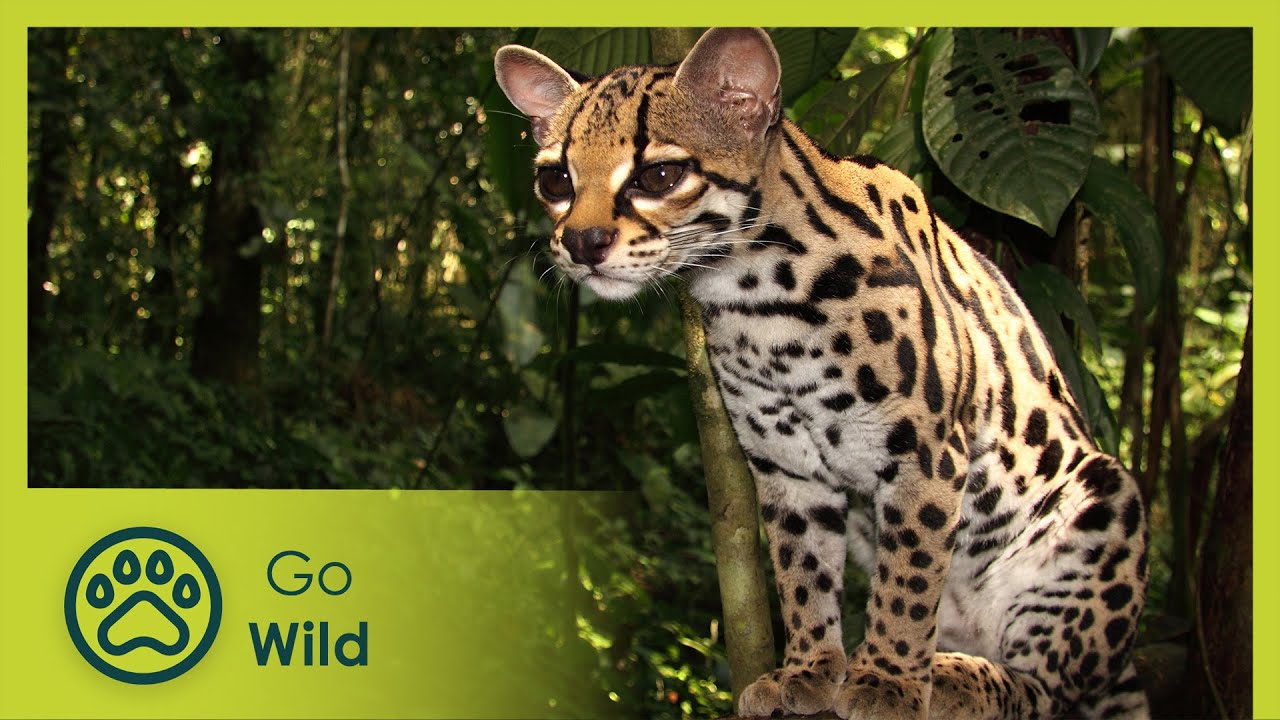
2Looking South - Wild Connection 2/6
51mCentral America serves as a critical ecological crossroads where North and South American wildlife, including jaguars and various monkey species, coexist in ancient forests.
 3
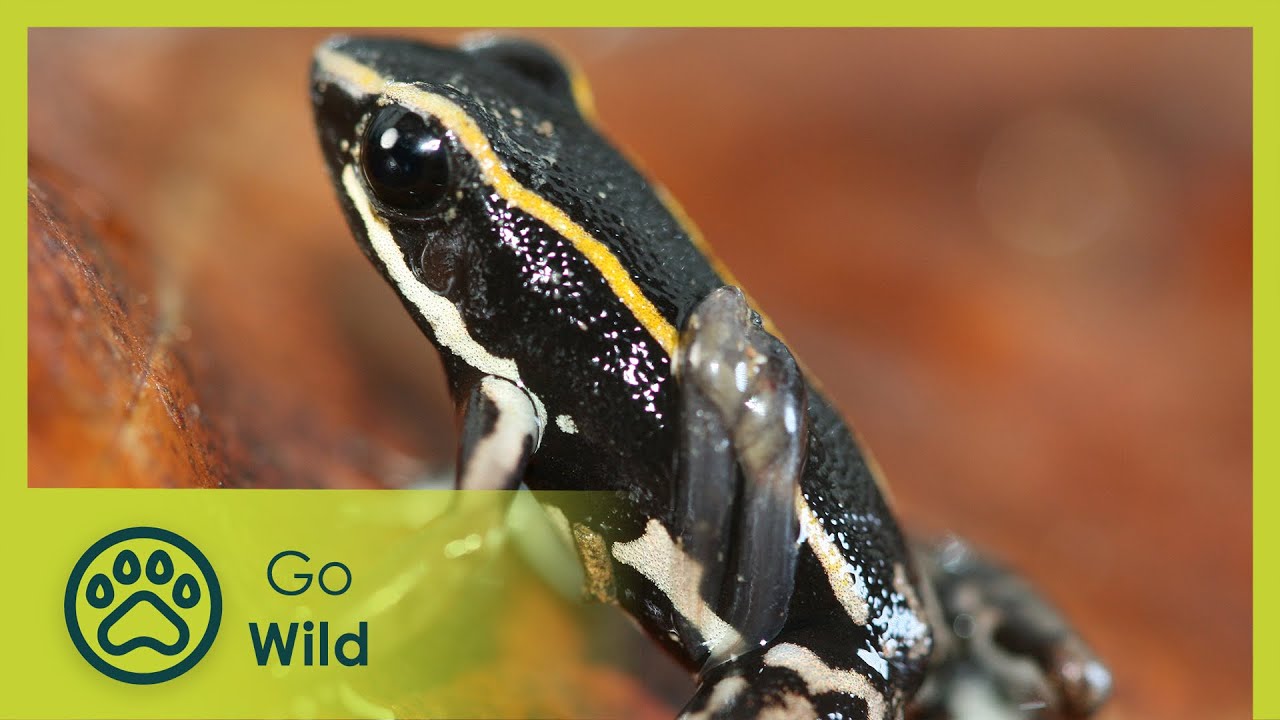
3Quetzals' Land - Wild Connection 3/6
52mCaribbean rainforests host diverse species, including Quetzal males showcasing their plumage and turtles nesting along the Pacific coast.
 4
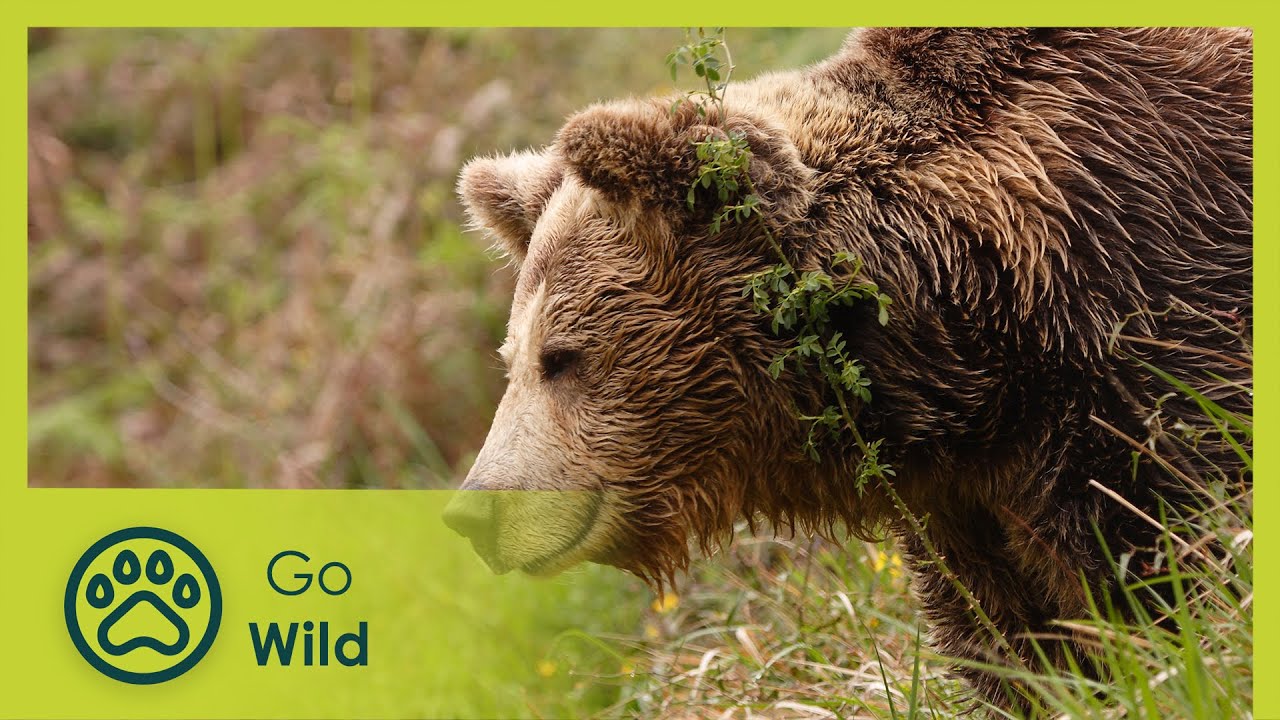
4The Rarest Piece of the Puzzle - Wild Connection 4/6
51mThe Iberian Peninsula, once a small continent, formed through the Alpine orogeny, creating diverse ecosystems and landscapes that connect Europe and Africa.
 5
5Iberian Europe - Wild Connection 5/6
53mThe Iberian Peninsula's unique ecosystems, shaped by its isolation and diverse species like the wood grouse, bear, and Spanish ibex, highlight its ecological significance.
 6
6Mediterranean Iberia - Wild Connection 6/6
52mMediterranean Iberia showcases the unique wildlife of the Iberian Peninsula, highlighting species like Gibraltar monkeys and the black-winged kite that thrive at the crossroads of Europe and Africa.