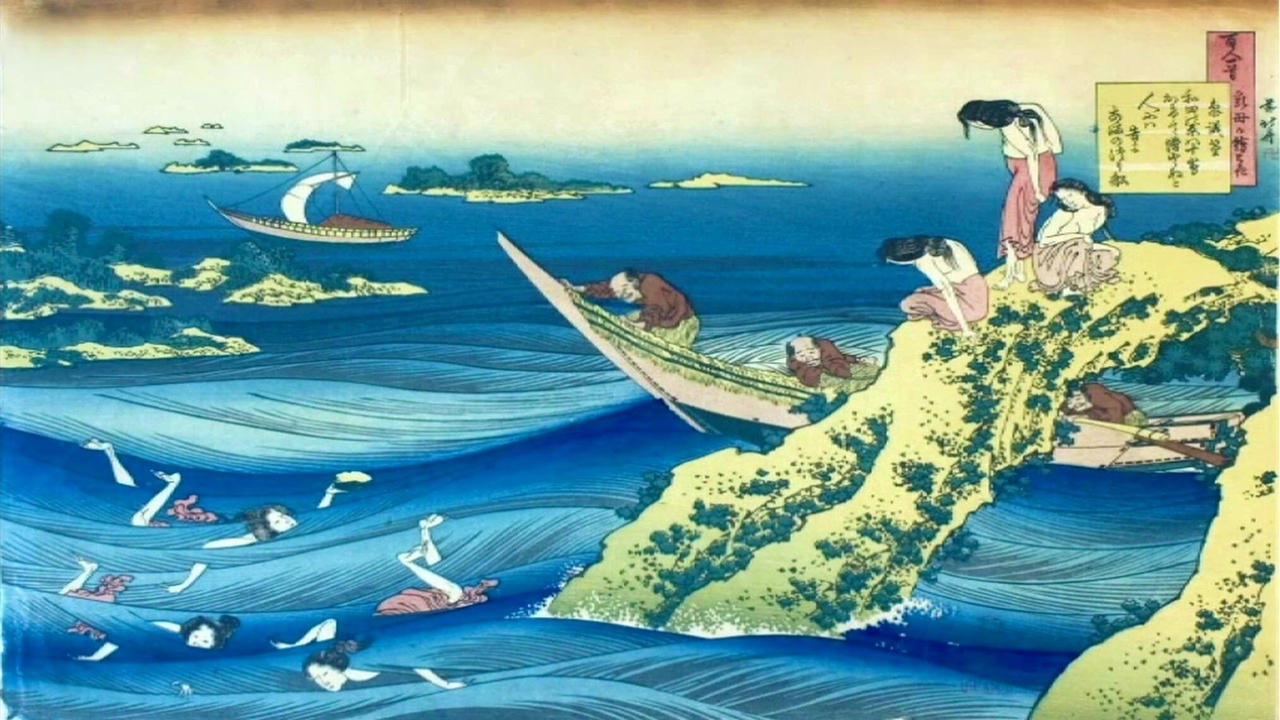
Ukiyo-e emerged in Japan during the Edo period, producing thousands of intricate woodblock prints that influenced Western artists in the late 19th century.
Synopsis
Ukiyo-e emerged in Japan during the Edo period, producing thousands of intricate woodblock prints that influenced Western artists in the late 19th century.

Synopsis
Manuel Gómez directs a detailed look at Ukiyo-e, an art form that flourished in Japan during the Edo period from 1603 to 1868. The film features insights from art historians and comparisons between Ukiyo-e prints and the works of Impressionist artists like Vincent van Gogh. It traces the cultural exchange between Japan and the West, illustrating how these floating images influenced Western art in the late nineteenth century. The documentary runs for 52 minutes and is produced in Belgium.
Deep Dive
Why Watch
- See the impact of Ukiyo-e on Western Impressionism.
- Meet artists like Vincent van Gogh through their Ukiyo-e connections.
- Find out about cultural exchanges between Japan and the West.
Did You Know
- Ukiyo-e originated in Japan during the Edo period from 1603 to 1868.
- Vincent van Gogh was significantly influenced by Ukiyo-e art.
- The documentary has a duration of 52 minutes.
Perfect For
Frequently Asked Questions
What does Ukiyo-e mean?
Ukiyo-e means 'floating images of the world'.
During which period did Ukiyo-e emerge in Japan?
Ukiyo-e emerged during the Edo period, which lasted from 1603 to 1868.
Who directed the documentary 'Ukiyo-e: Floating World Images'?
The documentary was directed by Manuel Gómez.
What are people saying?
Play More Like This



Where else to watch




Related Films
Is this your film?
If you made this film or hold the rights to it, we'd like to talk. We can license it and pay you a share of what it earns.

Comments