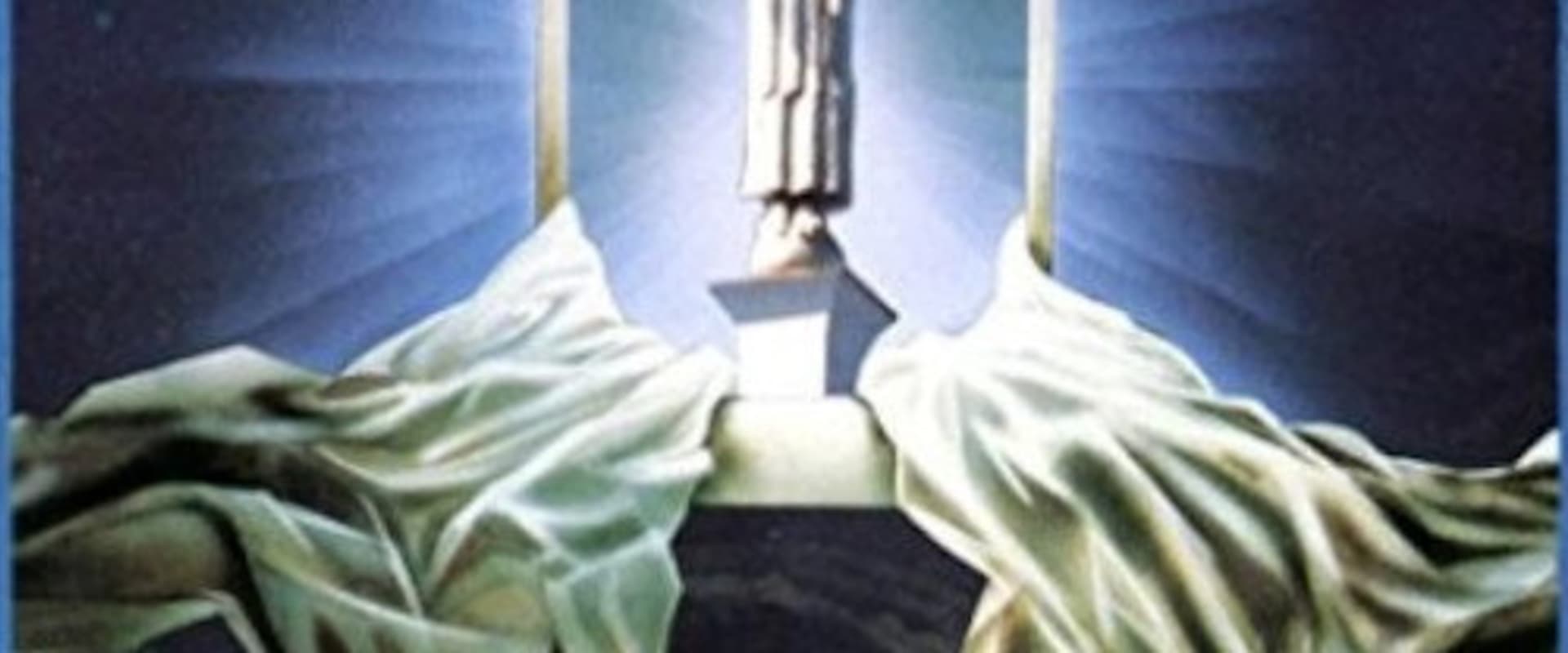
4,000 evangelical Christians attended the first screening of the film at Grace Community Church in Sun Valley, California, on December 31, 1982.
Synopsis
4,000 evangelical Christians attended the first screening of the film at Grace Community Church in Sun Valley, California, on December 31, 1982.
People
View all →Synopsis
Ed Decker and Dick Baer meet with two actors portraying attorneys in a Los Angeles office to discuss a potential class-action lawsuit against the Church of Jesus Christ of Latter-day Saints. The 1982 documentary, produced by Jeremiah Films, presents a critical view of the church's practices and teachings. It features interviews with former members and experts, revealing the church's secretive rituals and beliefs, including the idea that members can become gods. The film aims to inform audiences about the perceived dangers of Mormonism.
Deep Dive
Why Watch
- See Ed Decker's claims about the LDS Church's practices.
- Find out why 4,000 people attended the premiere screening.
- Meet Dr. Harold Goodman discussing temple significance.
Did You Know
- The film was first shown to 4,000 evangelical Christians on December 31, 1982.
- The film was produced by Jeremiah Films and released in 1982.
- The book version of The God Makers was published in 1984, two years after the film.
- Dr. Harold Goodman, featured in the film, was a former Latter-day Saint bishop.
Perfect For
Frequently Asked Questions
Who produced The God Makers?
Jeremiah Films produced The God Makers in 1982.
When was The God Makers first shown?
The God Makers was first shown to a group of 4,000 evangelical Christians on December 31, 1982.
What is required for temple attendance in the LDS Church?
Temple attendance in the LDS Church requires members to live according to the basic tenets of the faith and receive a temple recommend from their ecclesiastical authority.
What are people saying?
Play More Like This







Where else to watch


Related Films
Is this your film?
If you made this film or hold the rights to it, we'd like to talk. We can license it and pay you a share of what it earns.
Comments