
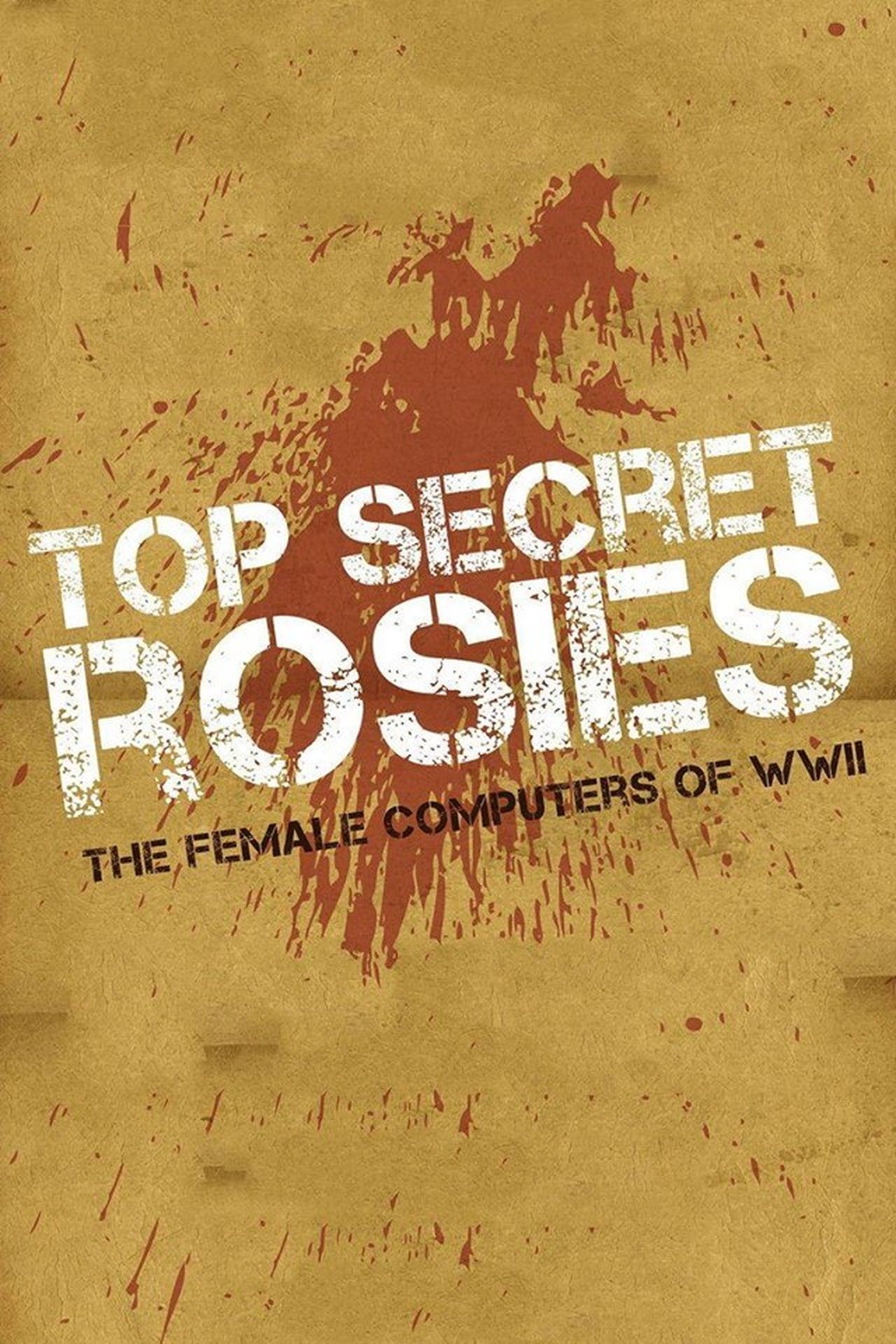
Six women programmed the ENIAC, the first all-electronic programmable computer, during a secret U.S. project in World War II, yet received no credit for their work.
“The Remarkable Story of the ENIAC Programmers”
Synopsis
Six women programmed the ENIAC, the first all-electronic programmable computer, during a secret U.S. project in World War II, yet received no credit for their work.
Synopsis
Betty Snyder Holberton and Jean Jennings Barik worked on the ENIAC, the first all-electronic programmable computer, during World War II. Alongside Kay McNulty Mauchly Antonelli, Marlyn Wescoff Meltzer, Ruth Lichterman Teitelbaum, and Frances Bilas Spence, they played crucial roles in a secret U.S. military project. Despite their significant contributions, these women received little recognition. The documentary recounts their stories and achievements, aiming to restore their place in the history of computing.
Deep Dive
Why Watch
- Meet the six women behind the ENIAC
- Find out how WWII changed computing
- See the unrecognized pioneers of technology
Did You Know
- The ENIAC was the world's first all-electronic programmable computer.
- The documentary features six women who programmed the ENIAC.
- These women were not credited for their work during World War II.
Perfect For
Frequently Asked Questions
Who were the six women recognized for their contributions to computing during World War II?
The six women are Betty Snyder Holberton, Jean Jennings Barik, Kay McNulty Mauchly Antonelli, Marlyn Wescoff Meltzer, Ruth Lichterman Teitelbaum, and Frances Bilas Spence.
What was the ENIAC?
The ENIAC was the world's first all-electronic programmable computer, programmed by the six women as part of a secret U.S. project during World War II.
What year was the documentary 'The Computers' released?
The documentary 'The Computers' was released in 2014.
What are people saying?
Play More Like This







Explore The Computers
Where else to watch




Browse more like this



Related Films
Is this your film?
If you made this film or hold the rights to it, we'd like to talk. We can license it and pay you a share of what it earns.



Comments