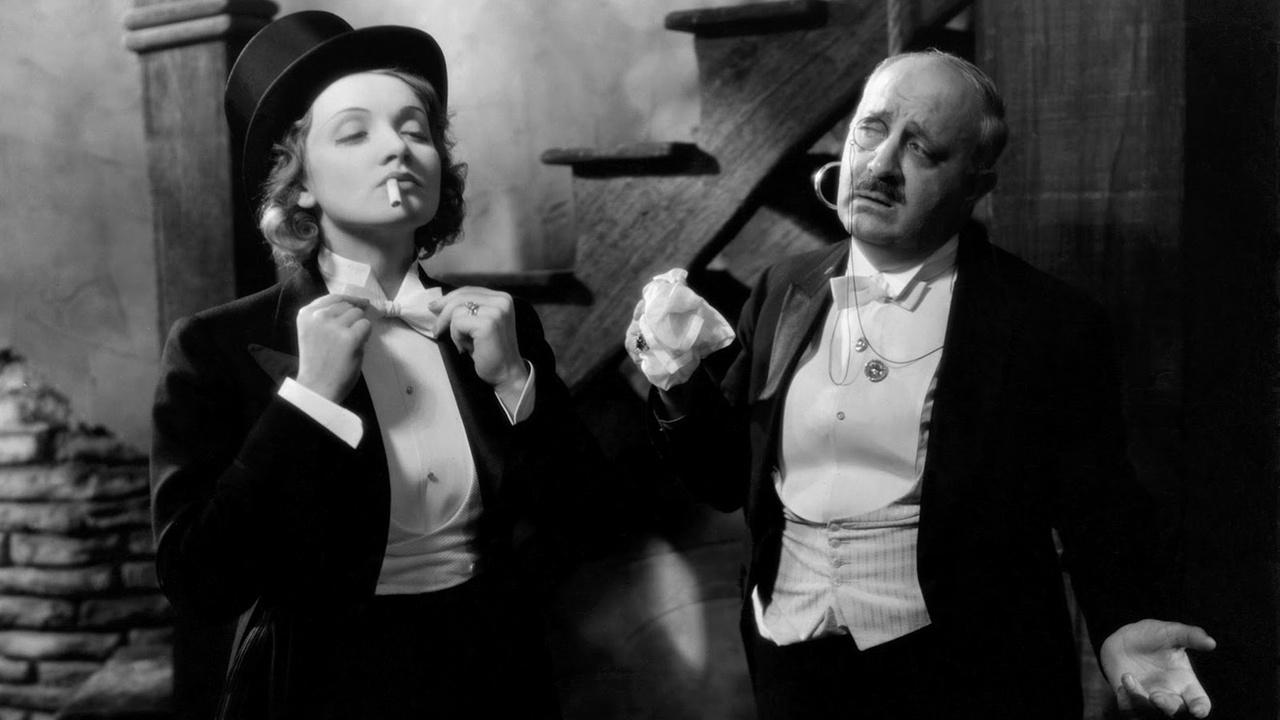
120 films provide a backdrop for interviews with industry figures discussing the portrayal of LGBTQ+ characters in Hollywood.
Synopsis
120 films provide a backdrop for interviews with industry figures discussing the portrayal of LGBTQ+ characters in Hollywood.
Go deeperPeople
View all →


Synopsis
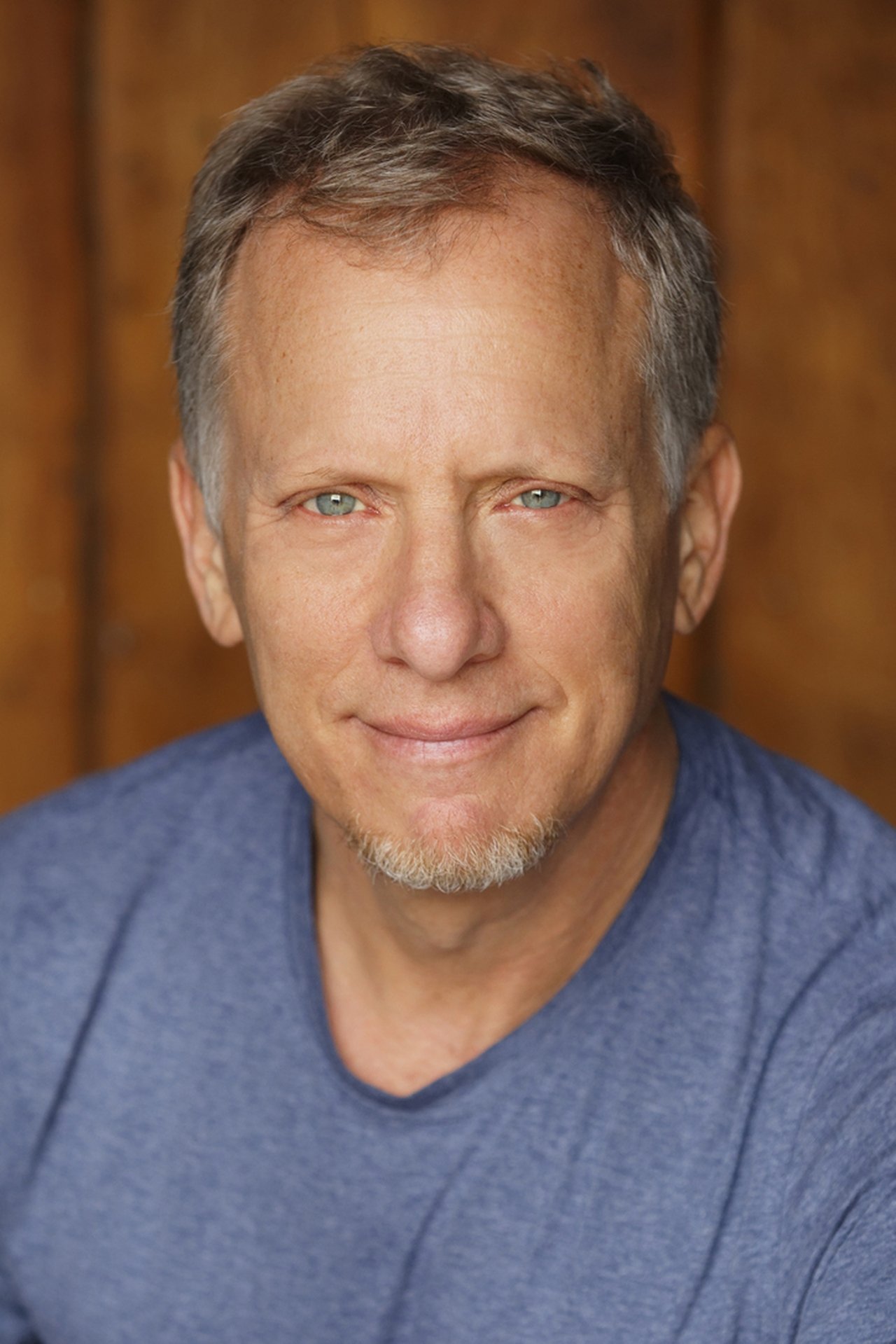
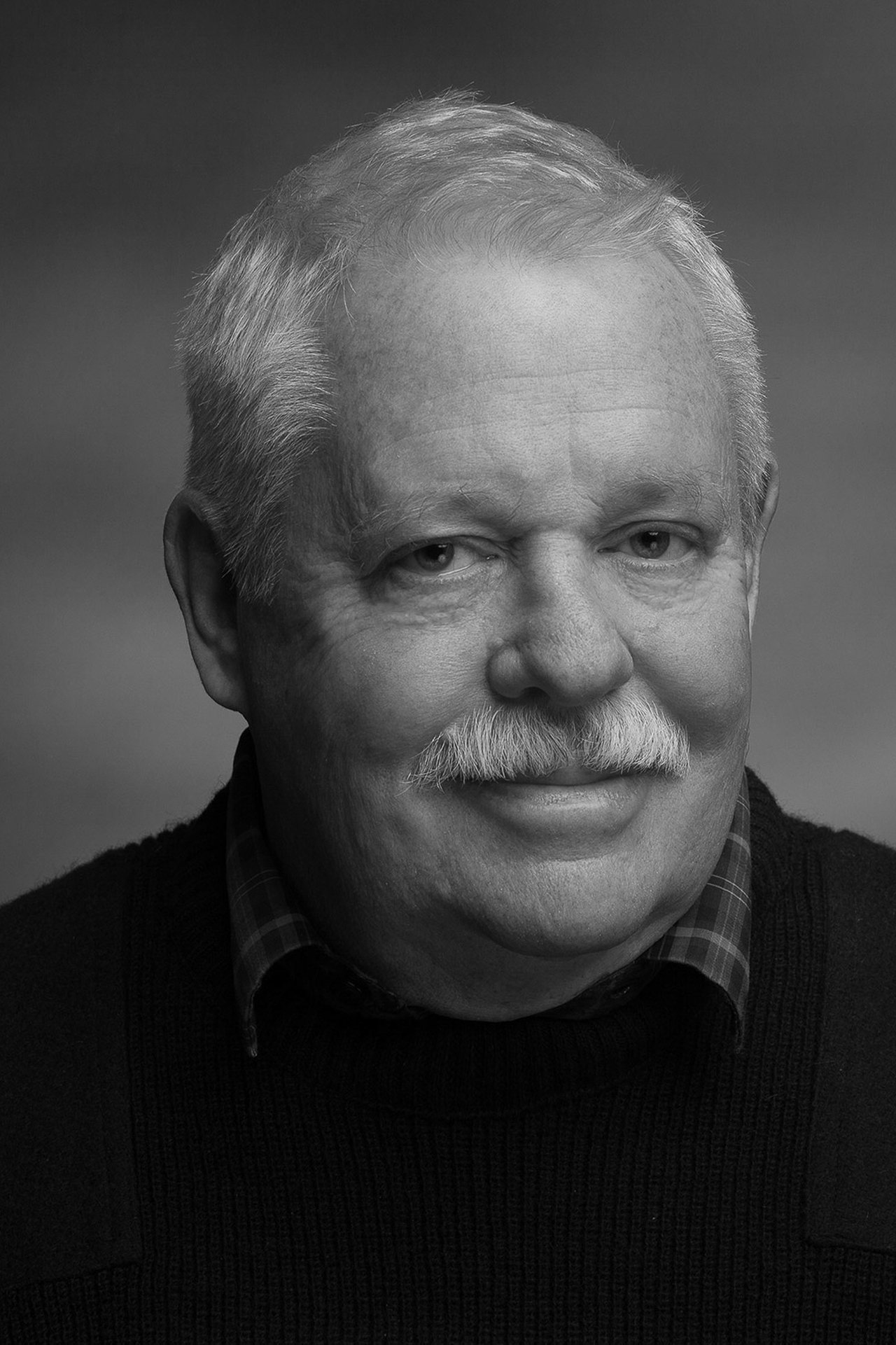
Vito Russo's research on LGBTQ+ representation in film forms the backbone of The Celluloid Closet. Directed by Rob Epstein and Jeffrey Friedman, the documentary uses clips from over 120 films to trace the portrayal of gay, lesbian, bisexual, and transgender characters. It features interviews with industry figures such as Shirley MacLaine and Gore Vidal, discussing the evolution from negative stereotypes to more positive representations. The film premiered in April 1996 at the Castro Theatre in San Francisco before airing on HBO.
What Critics Say
A fascinating documentary about the history of homosexuality in the movies.
Deep Dive
Why Watch
- See interviews with Hollywood figures discussing LGBTQ representation.
- Find out how censorship shaped film portrayals of LGBTQ characters.
- Meet Vito Russo's legacy through his vision for the documentary.
Did You Know
- Vito Russo's book was published in 1981 and inspired the film.
- The film had a limited release in April 1996 at the Castro Theatre.
- Lily Tomlin launched a fundraising campaign in honor of Vito Russo.
- The film received four Emmy Award nominations in 1996.
Perfect For
Frequently Asked Questions
Who directed The Celluloid Closet?
The Celluloid Closet was directed and co-written by Rob Epstein and Jeffrey Friedman.
What year was The Celluloid Closet released?
The Celluloid Closet was released in 1996.
What awards did The Celluloid Closet receive?
The film received four Emmy Award nominations, a Peabody Award, and won the Freedom of Expression award at the 1996 Sundance Film Festival.
Awards & Festivals
What are people saying?
Play More Like This










Where else to watch


Browse more like this





Related Films
Is this your film?
If you made this film or hold the rights to it, we'd like to talk. We can license it and pay you a share of what it earns.





Comments