A blind man sinks a basketball, illustrating how neuroplasticity allows the brain to adapt and change throughout life.
Synopsis
A blind man sinks a basketball, illustrating how neuroplasticity allows the brain to adapt and change throughout life.
Synopsis
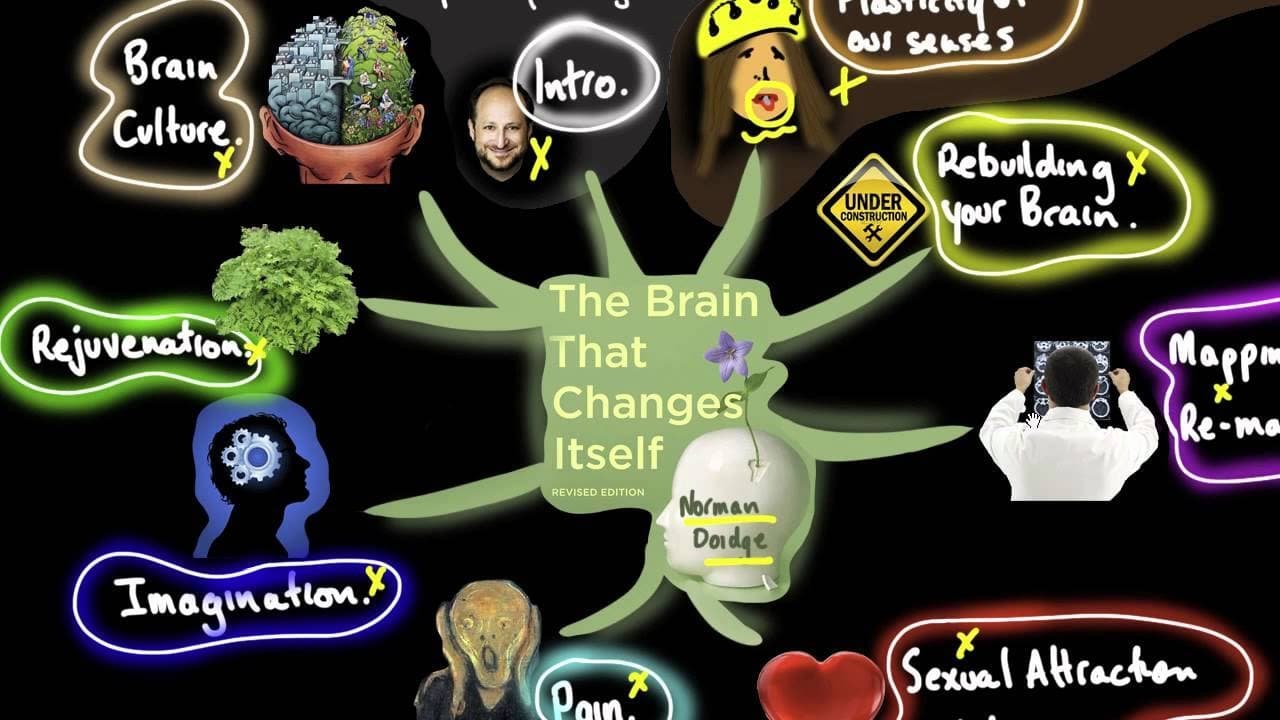
Dr. Norman Doidge presents cases of neuroplasticity, a concept that shows how thoughts can change the brain's structure. A blind man sinks a basketball, illustrating the brain's adaptability. A woman lives a normal life with only half of her brain, demonstrating human capability. The film discusses conditions like learning disorders and strokes, detailing how neuroplasticity can lead to improvement. It also addresses chronic pain relief, revealing the brain's potential for recovery. The documentary runs for 56 minutes and was directed by Mike Sheerin in 2008.
Deep Dive
Why Watch
- Meet Dr. Norman Doidge and his groundbreaking ideas.
- Find out how a blind man plays basketball.
- See a woman thrive with half a brain.
Did You Know
- A blind man successfully sinks a basketball, showcasing brain adaptability.
- A woman lives a normal life with only half of her brain.
- Neuroplasticity can improve or cure conditions like learning disorders and strokes.
- Chronic pain relief is discussed as a potential benefit of neuroplasticity.
Perfect For
Frequently Asked Questions
What is neuroplasticity?
Neuroplasticity is the concept that the brain can physically change its structure and function in response to thoughts and experiences.
Can a person live with only half of their brain?
Yes, the documentary features a woman who lives a normal life with only half of her brain.
What conditions can be improved through neuroplasticity?
Conditions such as learning disorders, strokes, and brain traumas can be improved or cured through neuroplasticity.
What are people saying?
Play More Like This







Where else to watch







Related Films
Is this your film?
If you made this film or hold the rights to it, we'd like to talk. We can license it and pay you a share of what it earns.
Comments