
Three Rabbis from the Yitzhar Settlement on the West Bank discuss a ruling that justifies killing a child if it poses a future threat.
Synopsis
Three Rabbis from the Yitzhar Settlement on the West Bank discuss a ruling that justifies killing a child if it poses a future threat.
People
View all →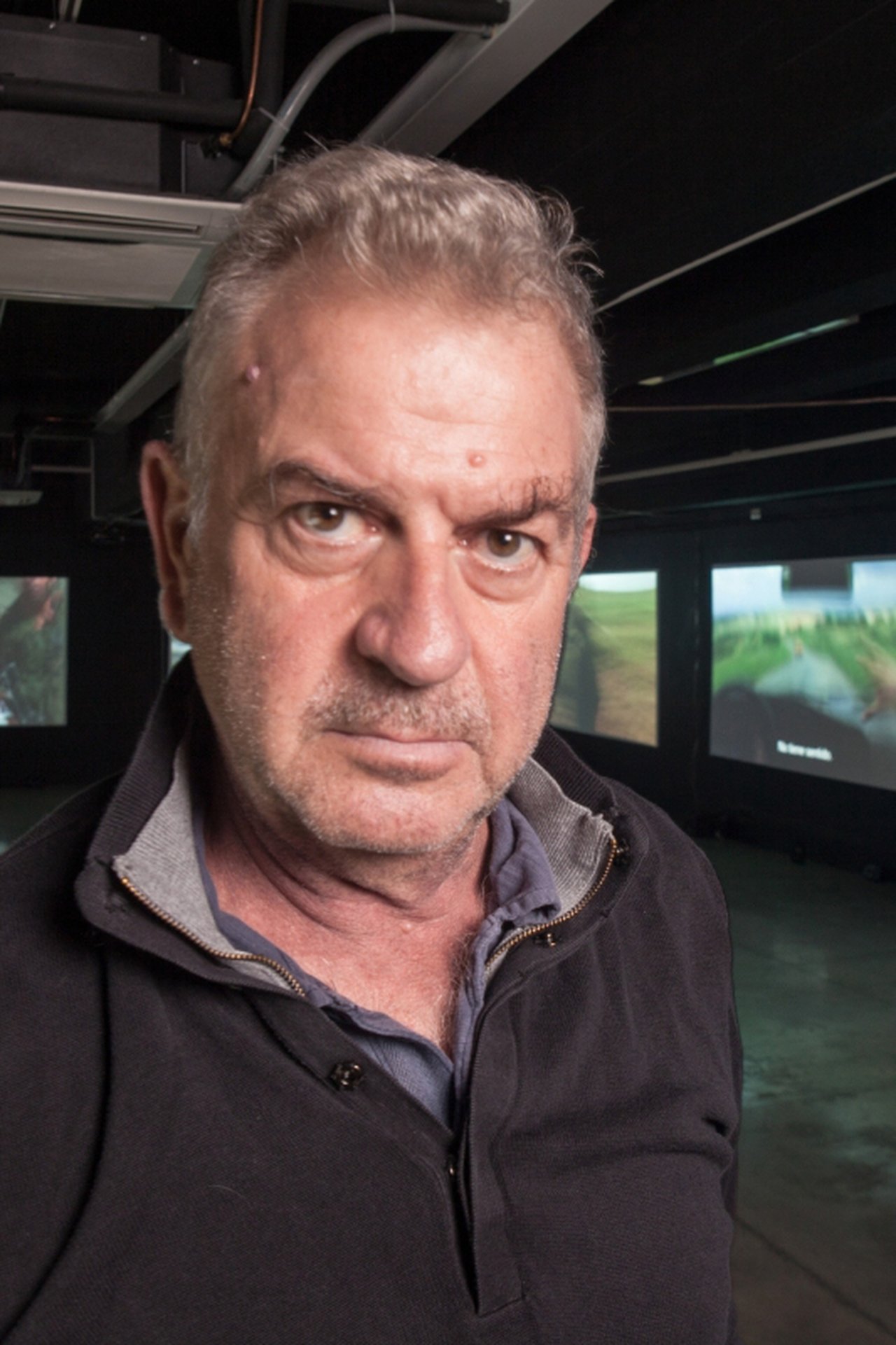
Synopsis
Maurice Barrés stands on a Tel Aviv beach, voicing his opposition to foreign labor. The film examines fascist ideologies from the early 20th century, featuring figures such as Mussolini in a gym and Jose Antonio Primo de Rivera in a bookshop. It includes Carl Schmitt at court and a discussion among three Rabbis from the Yitzhar Settlement, who interpret Divine commands regarding violence. Gudrun Streiter reflects on her past with an SA Stormtrooper, while Hitler and Himmler are depicted in a park.
Deep Dive
Why Watch
- See Maurice Barrés oppose foreign labor in Tel Aviv.
- Find out about the 2009 ruling by Yitzhar Rabbis.
- Meet Gudrun Streiter and her connection to the SA.
- Follow Mussolini's portrayal in a gym setting.
Did You Know
- Maurice Barrés argues against foreign labor on the Tel Aviv beach.
- Three Rabbis from Yitzhar Settlement ruled on violence against children in 2009.
- Gudrun Streiter recalls her affair with an SA Stormtrooper.
- Carl Schmitt is depicted at court, highlighting his legal influence.
Perfect For
Frequently Asked Questions
What ideologies are presented in 'Our Beds Are Burning'?
The film presents fascist ideologies since the beginning of the 20th Century.
Who argues against foreign labor on the Tel Aviv beach?
Maurice Barrés argues against foreign labor on the Tel Aviv beach.
What controversial ruling did three Rabbis from the Yitzhar Settlement make?
The Rabbis ruled that 'there is a reason to kill a child if it is clear that it will grow to harm us'.
What are people saying?
Play More Like This









Related Films
Is this your film?
If you made this film or hold the rights to it, we'd like to talk. We can license it and pay you a share of what it earns.
Comments