
452 deceased individuals, including the homeless and unidentified, were buried at Riga's Jaunciems cemetery in 2000, reflecting societal attitudes toward death.
Synopsis
452 deceased individuals, including the homeless and unidentified, were buried at Riga's Jaunciems cemetery in 2000, reflecting societal attitudes toward death.
Synopsis
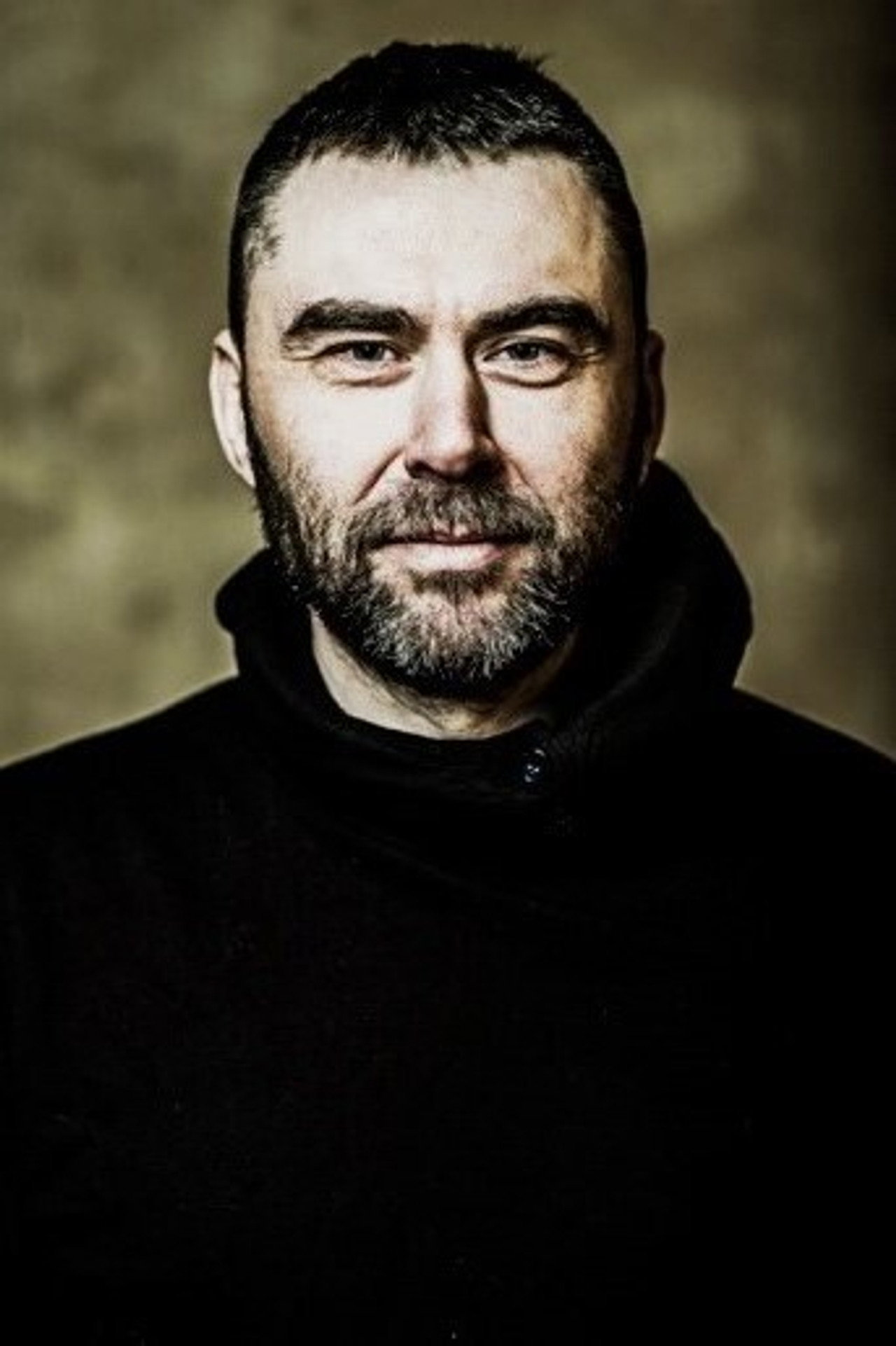
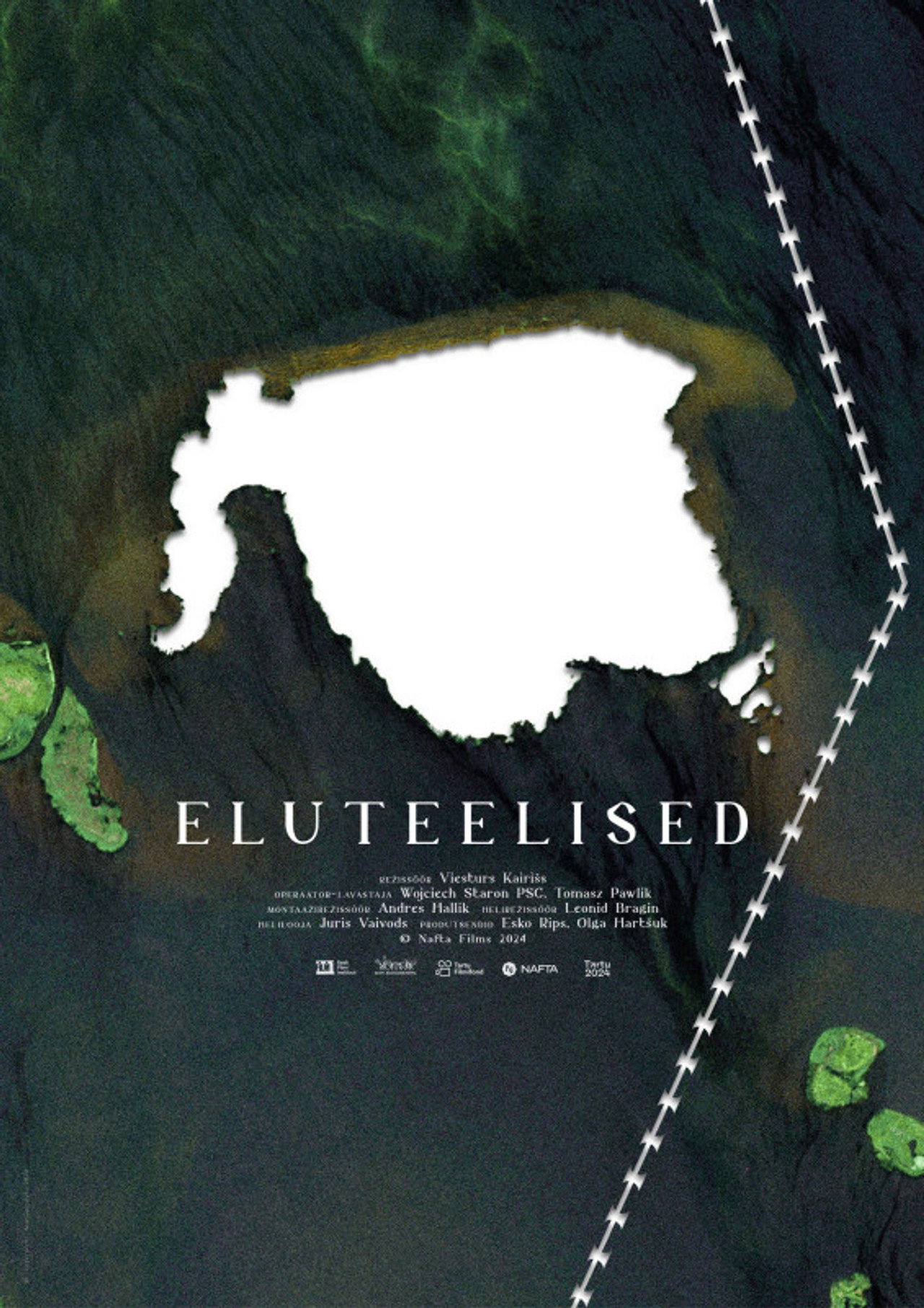
Mozart's relationship with death is reflected in his own burial in a mass grave in Vienna in 1791. The film juxtaposes this historical context with the 2000 burial of 452 unidentified individuals at Jaunciems cemetery in Riga. While it touches on themes of mortality, the focus shifts to Mozart's opera, The Magic Flute, and the concept of love. Directed by Viesturs Kairišs, this 10-minute piece was commissioned for the Latvian exhibition at the Venice Biennale.
Deep Dive
Why Watch
- See Mozart's unique perspective on death.
- Find out about Riga's contemporary burial practices.
- Meet the director Viesturs Kairišs and his vision.
Did You Know
- Mozart died in 1791 and was buried in a mass grave in Vienna.
- In 2000, 452 unidentified people were buried at Jaunciems cemetery in Riga.
- The film was commissioned for the Latvian exhibition at the Venice Biennale.
Perfect For
Frequently Asked Questions
What year did Mozart die?
Mozart died in 1791.
Where was Mozart buried?
Mozart was buried in a mass grave in Vienna.
How many deceased were buried at Jaunciems cemetery in 2000?
In 2000, 452 deceased individuals were buried at the Jaunciems cemetery.
What are people saying?
Play More Like This





Explore Magic Flute
Browse more like this


Related Films
Is this your film?
If you made this film or hold the rights to it, we'd like to talk. We can license it and pay you a share of what it earns.
Comments