
Two contrasting theories of color emerge from the works of Johann Wolfgang von Goethe and Sir Isaac Newton, each presenting unique perspectives on light and darkness.
Synopsis
Two contrasting theories of color emerge from the works of Johann Wolfgang von Goethe and Sir Isaac Newton, each presenting unique perspectives on light and darkness.
People
View all →Synopsis
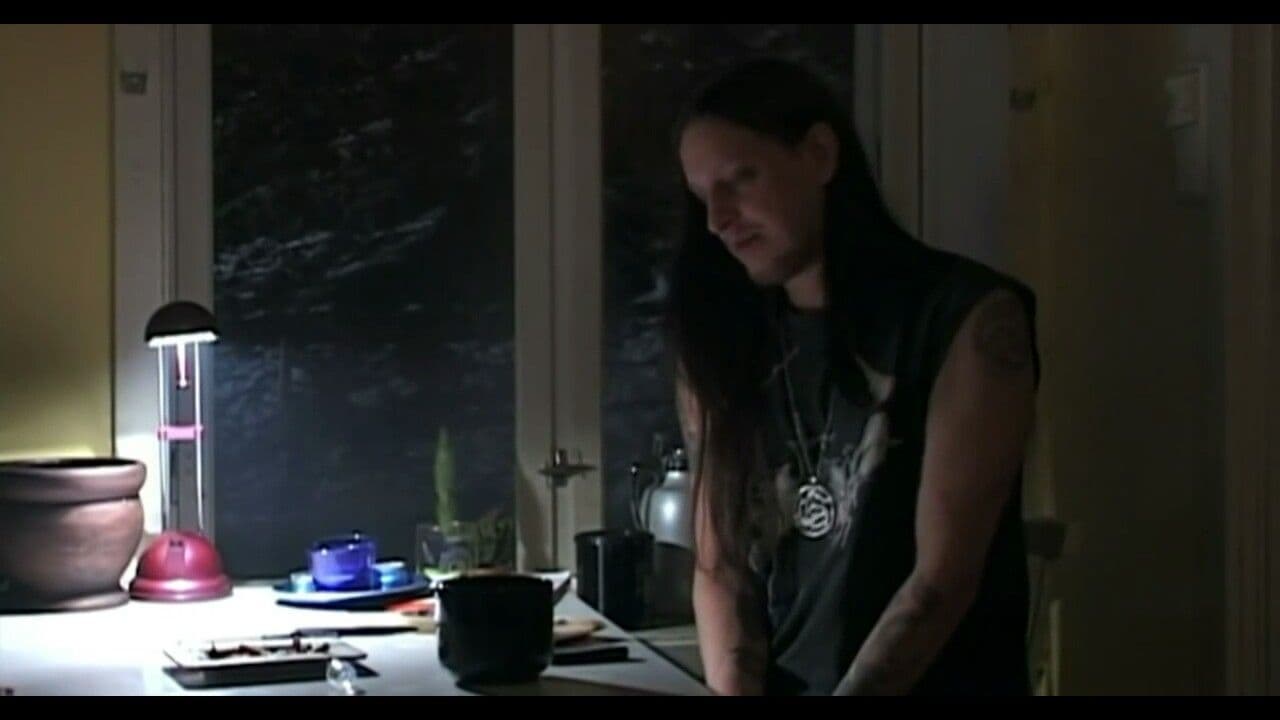
Johann Wolfgang von Goethe and Sir Isaac Newton present contrasting views on color theory. Goethe's 1810 book, 'Zur Farbenlehre', introduces the idea of 'light-darkness polarity', asserting that darkness plays a crucial role in color perception. In contrast, Newton's 1704 work, 'Opticks', isolates sunlight to reveal the color spectrum. This documentary blends artistic and scientific perspectives to deepen understanding of visual perception and color. Directed by Marie Louise Lauridsen, it runs for 52 minutes.
Deep Dive
Why Watch
- See Goethe's unique take on color theory.
- Find out how Newton's work differs from Goethe's.
- Meet experts discussing visual perception.
Did You Know
- Johann Wolfgang von Goethe published 'Zur Farbenlehre' in 1810.
- Sir Isaac Newton's 'Opticks' was published in 1704.
- Goethe introduced the concept of 'light-darkness polarity' in his work.
- The film has a duration of 52 minutes.
Perfect For
Frequently Asked Questions
What is Goethe's contribution to color theory?
Goethe's 1810 work, 'Zur Farbenlehre', introduces the concept of 'light-darkness polarity' and emphasizes the role of darkness in understanding color.
What is the focus of Newton's study 'Opticks'?
Newton's 1704 study, 'Opticks', focuses on the objective analysis of light by isolating sunlight to reveal the color spectrum.
Who directed the documentary 'Light Darkness and Colour'?
The documentary was directed by Marie Louise Lauridsen.
What are people saying?
Play More Like This





Where else to watch


Related Films
Is this your film?
If you made this film or hold the rights to it, we'd like to talk. We can license it and pay you a share of what it earns.
Comments