
Klee Wyck
Synopsis
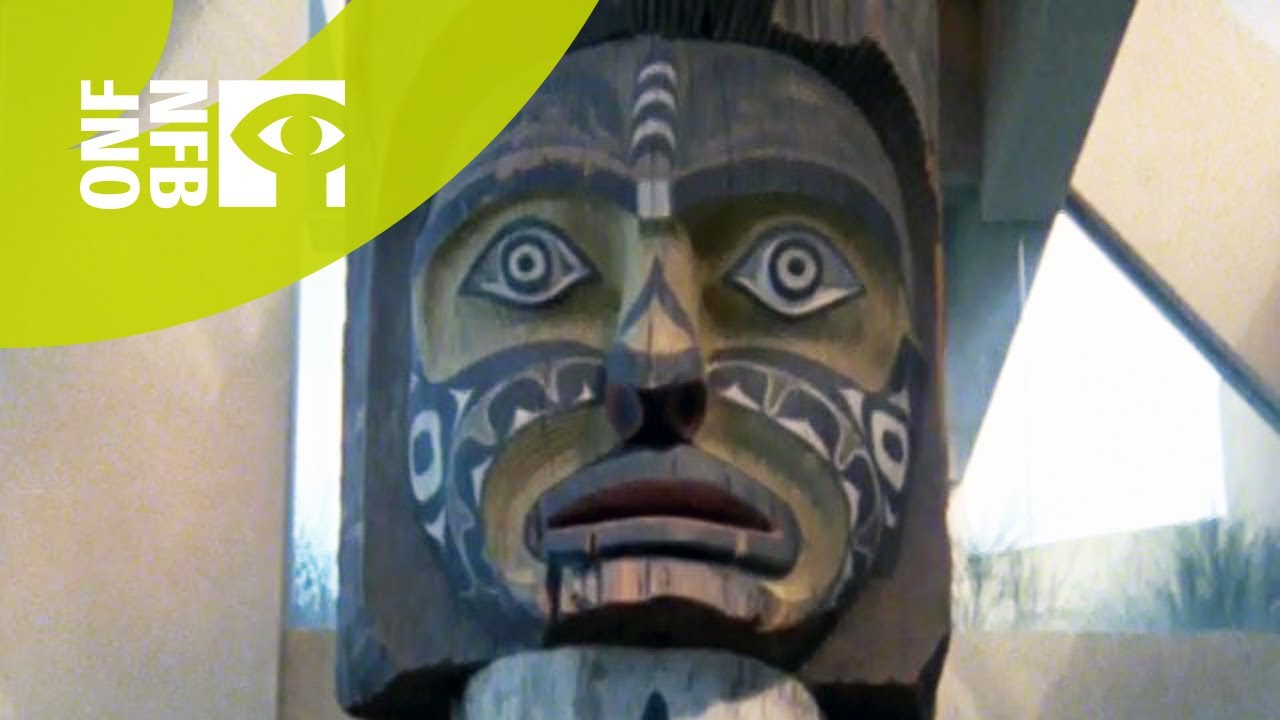
Emily Carr, born in 1871 in Victoria, British Columbia, painted the totem poles and landscapes of Indigenous villages along the Pacific Coast.
Synopsis
Emily Carr, born in Victoria, British Columbia, in 1871, found inspiration along the Pacific Coast. She traveled to Indigenous villages, where she immersed herself in their culture and art. Carr painted totem poles and the natural beauty surrounding her, capturing the essence of a vanishing civilization. By the late 1920s, her work reflected a deeper understanding and passion. After her death in 1945, she left her brushes to a young Indigenous painter and her unsold canvases to fund scholarships for British Columbia artists.
Deep Dive
Why Watch
- Meet Emily Carr, a pioneering Canadian artist.
- See how Indigenous cultures influenced her work.
- Find out what inspired Carr's later artistic freedom.
Did You Know
- Emily Carr was born in 1871 in Victoria, British Columbia.
- The Indigenous peoples referred to Emily Carr as Klee Wyck, meaning 'The Laughing One.'
- Carr's output in her last years was described as prolific and filled with freedom.
- She passed away in 1945, leaving her brushes to a young Indian painter.
Perfect For
Frequently Asked Questions
When was Emily Carr born?
Emily Carr was born in 1871.
What did the Indians call Emily Carr?
The Indians called her Klee Wyck, which means 'The Laughing One'.
What did Emily Carr do with her unsold canvases after her death?
She left her unsold canvases to found scholarships for British Columbia artists.
What are people saying?
Play More Like This






Browse more like this



Related Films
Is this your film?
If you made this film or hold the rights to it, we'd like to talk. We can license it and pay you a share of what it earns.
Comments