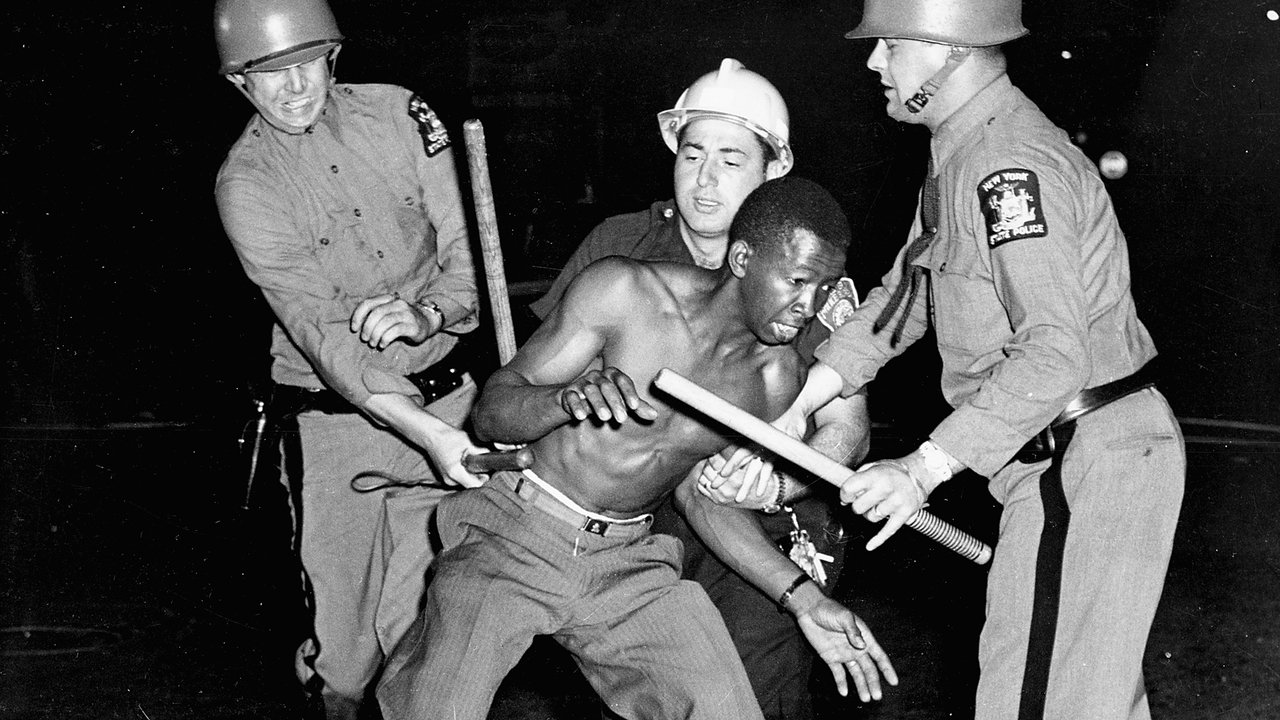
Three days of unrest in July 1964 led to widespread violence in Rochester, New York, fueled by police dog attacks and deep-rooted community frustrations.
Synopsis
Three days of unrest in July 1964 led to widespread violence in Rochester, New York, fueled by police dog attacks and deep-rooted community frustrations.
Synopsis
Rochester, New York, erupted in violence on July 24, 1964, as a three-day race riot unfolded in response to systemic issues like overcrowding and limited job opportunities. Tensions escalated after police dog attacks on residents, igniting anger in two predominantly African American neighborhoods. Directed by Chris Christopher, July '64 features archival footage, news reports, and interviews with witnesses and participants. The documentary details the events that led to the riots and their lasting effects on the local community.
Deep Dive
Why Watch
- See archival footage from the July 1964 riots in Rochester.
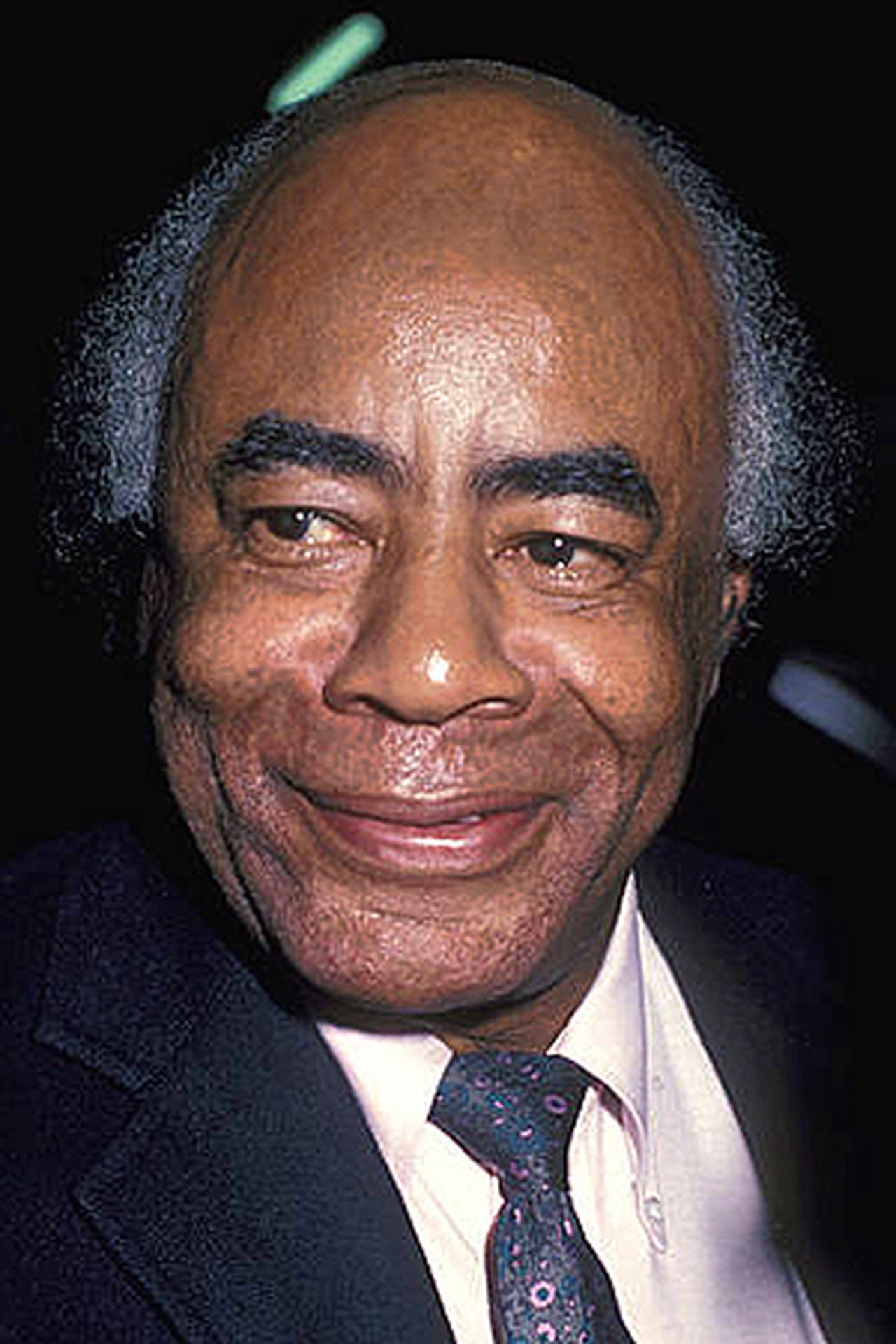
- Meet key figures like Roscoe Lee Browne discussing the events.
- Find out how police actions escalated community anger.
Did You Know
- The riots in Rochester lasted for three days, starting on July 24, 1964.
- The unrest was fueled by police dog attacks on community members.
- The documentary features interviews with witnesses and participants from the riots.
- Rochester's African American community faced significant social tensions leading up to the riots.
Perfect For
Frequently Asked Questions
What triggered the race riot in Rochester in July 1964?
The race riot was triggered by deep-seated frustrations stemming from institutional racism, overcrowding, and a lack of job opportunities.
How long did the Rochester race riot last?
The race riot lasted for three days, beginning on the night of July 24, 1964.
Who directed the documentary 'July '64'?
The documentary 'July '64' was directed by Chris Christopher.
What are people saying?
Play More Like This





Explore July '64


Related Films
Is this your film?
If you made this film or hold the rights to it, we'd like to talk. We can license it and pay you a share of what it earns.
Comments