
Energy Efficient Buildings
Synopsis
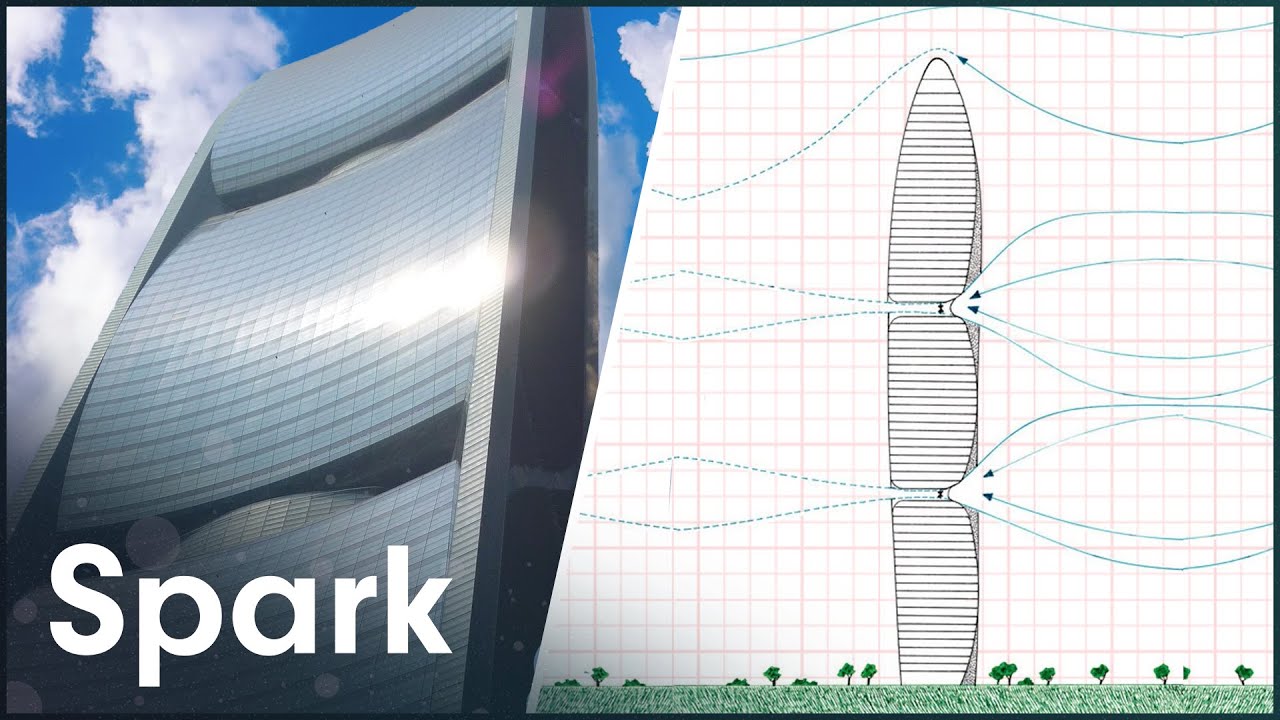
A skyscraper in Singapore uses combo-glass to insulate against tropical heat, self-clean, and generate electricity from sunlight.
Synopsis
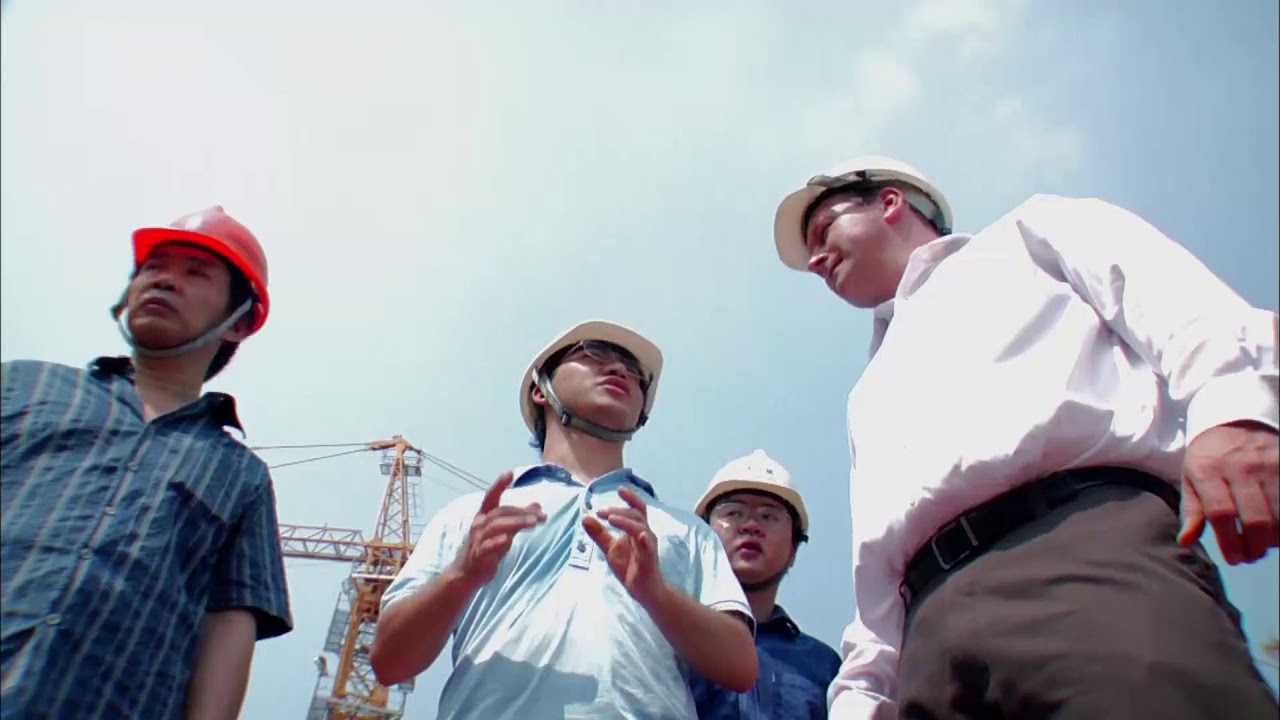
Kyoto, Japan, is home to the Panasonic Eco House, a model of advanced technology designed to reduce energy consumption. The house features a centralized control system for lighting, heating, and power management. In Taiwan, professors from National Taiwan University are reshaping urban Taipei by removing walls and excavating concrete to create energy-efficient buildings. Across Asia, scientists and activists are developing innovative solutions to address greenhouse gas emissions and improve urban living conditions. Their efforts aim to transform cities into more sustainable environments.
Deep Dive
Why Watch
- See how Asia's rapid growth impacts global emissions.
- Meet the change makers transforming urban living.
- Find out what the Panasonic Eco House offers for energy savings.
Did You Know
- Asia has become the world's factory, leading to increased emissions.
- Japan's belief in technology as the sole solution to carbon emissions is critiqued.
- Panasonic claims that their Eco House can save up to 60% of electricity.
Perfect For
Frequently Asked Questions
What percentage of electricity can be saved with the Panasonic Eco House?
Panasonic claims that if users are as clever as the house, they can save up to 60% of their electricity.
What is the Kyoto Protocol designed to address?
The Kyoto Protocol is designed to pull back the world's CO2 emissions.
What is a significant issue with many cities in Asia?
Many cities in Asia have been built hastily and are more rough and ready machines to live in than harmonious homes.
What are people saying?
Play More Like This









Browse more like this










Related Films
Is this your film?
If you made this film or hold the rights to it, we'd like to talk. We can license it and pay you a share of what it earns.
Comments