
Only two of Emile Reynaud's fragile paper strips survived after he threw the rest into the Seine, following the cancellation of his Théâtre Optique show.
Synopsis
Only two of Emile Reynaud's fragile paper strips survived after he threw the rest into the Seine, following the cancellation of his Théâtre Optique show.
People

Synopsis
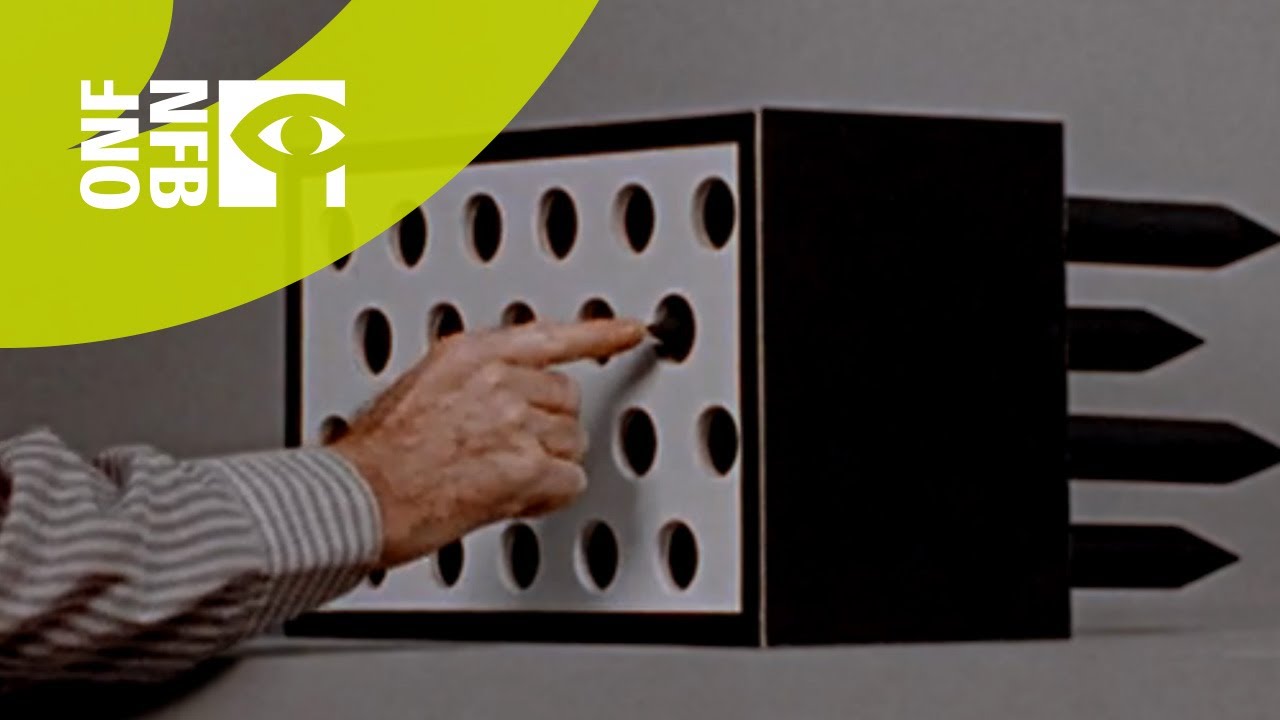
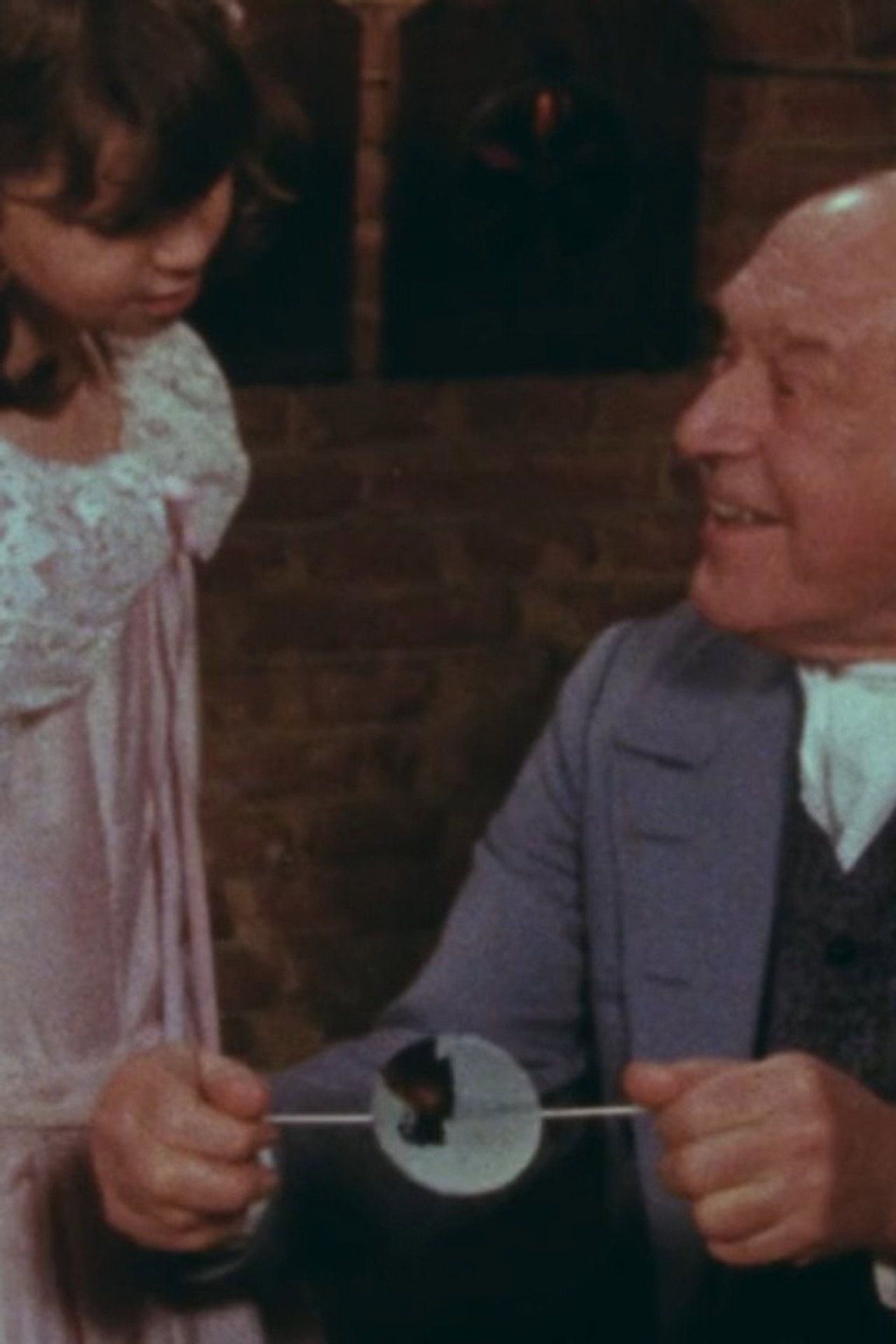
Emile Reynaud stands at the Musée Grévin, where he presents his Théâtre Optique, a pioneering work in pre-cinema. He invented the praxinoscope, a device using central mirrors to project animated images from fragile paper strips. Despite his innovative efforts, the strips often break, leading to the cancellation of his show. Reynaud attempts to incorporate photography into his invention but fails. In despair, he discards his remaining strips into the Seine, with only two surviving.
Deep Dive
Why Watch
- See Emile Reynaud's innovative praxinoscope in action.
- Find out about the fragile nature of early animation strips.
- Meet the challenges faced by a pioneer of pre-cinema.
Did You Know
- Emile Reynaud invented the praxinoscope in the 19th century.
- The Théâtre Optique was presented at the Musée Grévin.
- Only two of Reynaud's paper strips survived after he discarded them.
Perfect For
Frequently Asked Questions
What did Emile Reynaud invent?
Emile Reynaud invented the praxinoscope and its system of central mirrors.
What was the Théâtre Optique?
The Théâtre Optique was a projection system created by Emile Reynaud, presented at the Musée Grévin.
What happened to Reynaud's paper strips?
The perforated strips used in his praxinoscope were fragile, and only two survived after he threw the rest into the Seine.
What are people saying?
Play More Like This

Browse more like this

Browse more by Pierre Levie
View all films →
Related Films
Is this your film?
If you made this film or hold the rights to it, we'd like to talk. We can license it and pay you a share of what it earns.
Comments