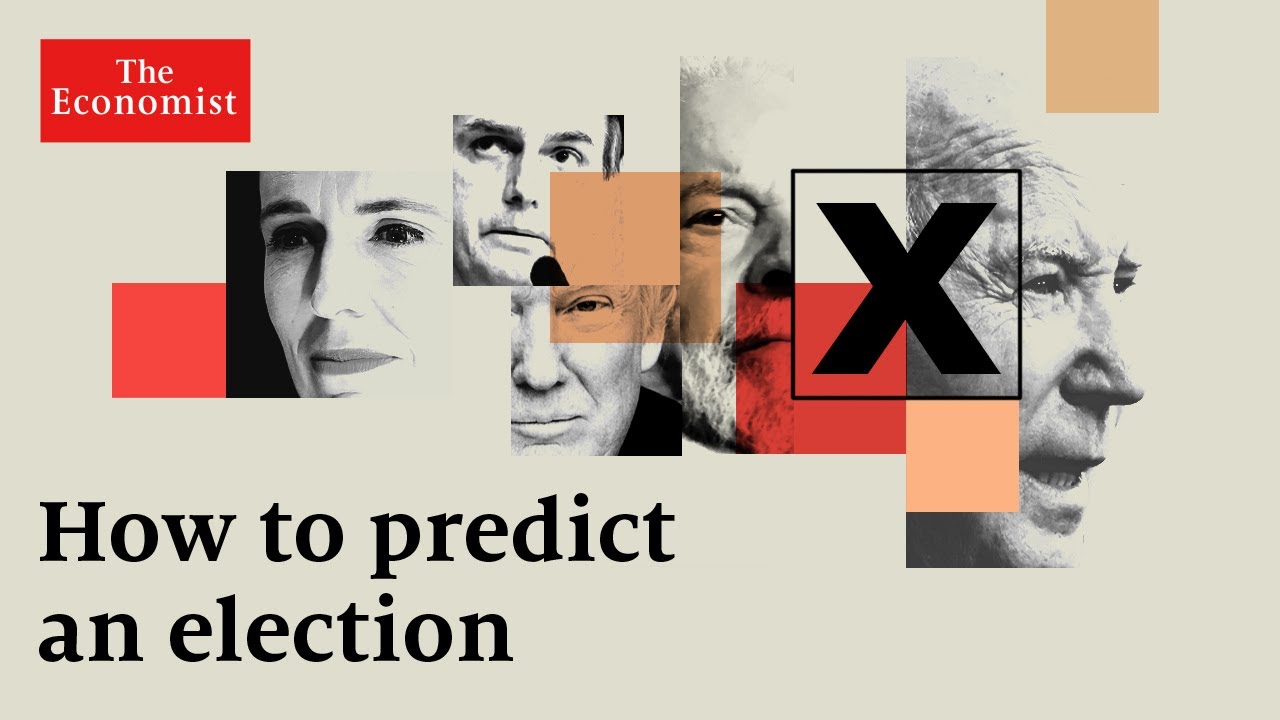
Election polling: why is it so difficult?
Synopsis
In 1936, George Gallup's random sampling method accurately predicted Franklin D. Roosevelt's victory, contrasting with the flawed straw polls of the time.
Synopsis
George Gallup's method for predicting election outcomes emerged in 1936, contrasting sharply with the flawed straw polls of the time. While the Literary Digest relied on skewed samples from car registration lists, Gallup used random sampling to better represent the electorate. His accurate prediction of Franklin D. Roosevelt's victory over Alf Landon set a new standard for polling. Today, pollsters continue to face challenges, as unforeseen events can disrupt forecasts, making 100 percent accuracy impossible.
Deep Dive
Why Watch
- Find out how George Gallup changed polling in 1936.
- See why modern polls still struggle with accuracy.
- Understand the role of demographics in polling results.
Did You Know
- In the 1936 presidential race, George Gallup correctly predicted Roosevelt's win against the Literary Digest's prediction for Alf Landon.
- Polls need to reflect the demographics of the population, such as ensuring 50% of respondents are female if 50% of the population is female.
- The chance of Macron's victory was estimated at around 80%, similar to a footballer scoring a penalty kick.
- Gallup's polling method was more representative than earlier straw polls, which were often skewed towards the wealthy.
Perfect For
Frequently Asked Questions
Who improved polling methods in the 1936 presidential race?
George Gallup improved polling methods in the 1936 presidential race by using random sampling to create a more representative electorate.
What was the prediction accuracy of Gallup's poll compared to the Literary Digest?
Gallup's poll correctly predicted a win for Roosevelt, while the Literary Digest predicted a win for Alf Landon.
What is necessary for an unbiased poll?
An unbiased poll requires a sample that reflects the population's demographics and a simple, clear question about voting intentions.
What are people saying?
Play More Like This








Where else to watch




Related Films
Is this your film?
If you made this film or hold the rights to it, we'd like to talk. We can license it and pay you a share of what it earns.
Comments