
Disaster Capitalism
Synopsis
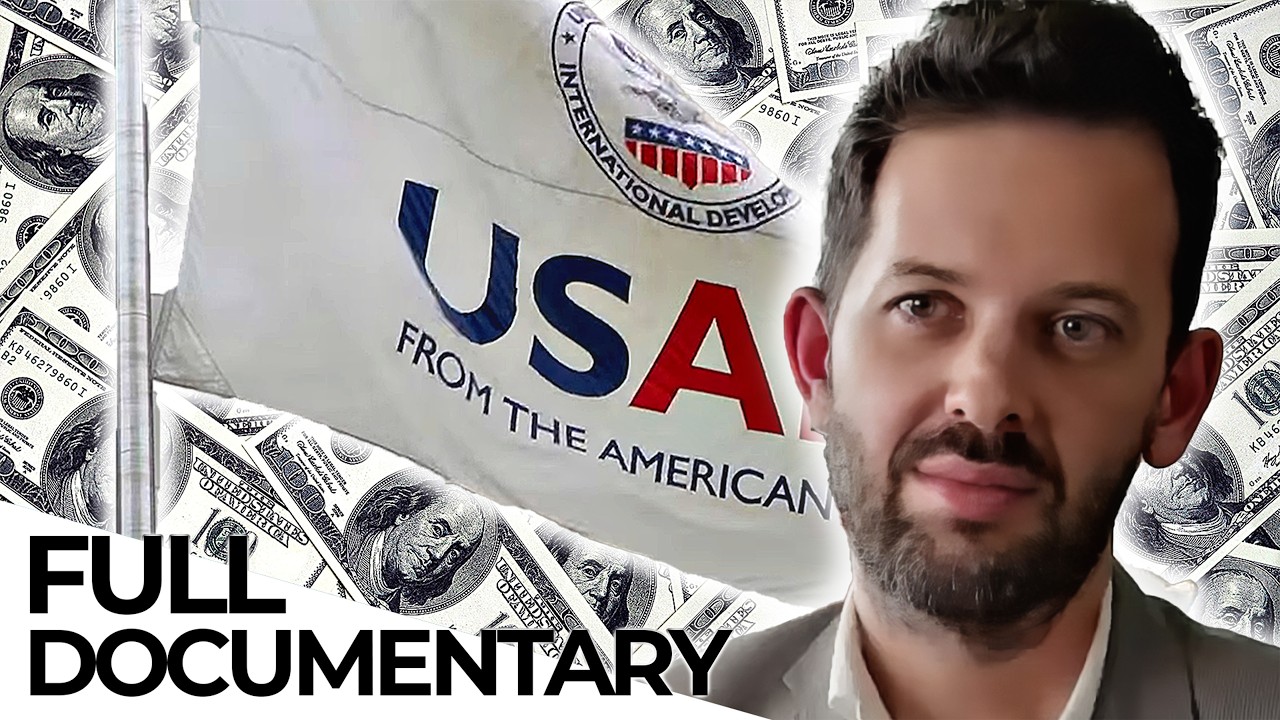
Washington has spent more on civilian aid to Afghanistan than was used to rebuild all of Europe after World War II, with mixed results.
Synopsis
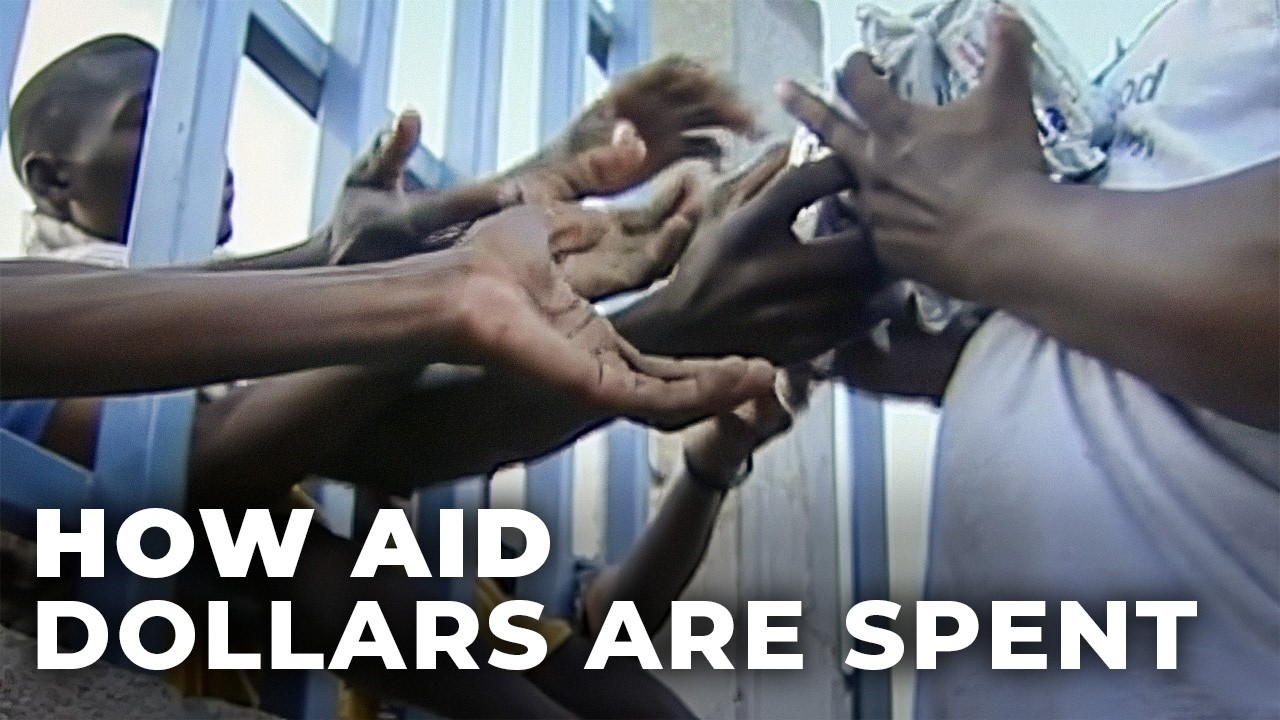
Anthony Lowenstein travels to Afghanistan, Haiti, and Papua New Guinea to investigate the effects of international aid in disaster-stricken regions. He discusses how decades of conflict in Afghanistan have led to a reliance on foreign assistance, with the U.S. spending more on civilian aid than on rebuilding Europe after World War II. In Haiti, natural disasters complicate governance, as a new leader promises to oversee foreign spending. The film questions the motivations behind aid and who truly benefits from it.
Deep Dive
Why Watch
- Meet Anthony Lowenstein, who critiques disaster capitalism.
- Find out how local Afghans fight for mining rights.
- See the impact of aid on Haiti's political landscape.
Did You Know
- Washington spent more on civilian aid to Afghanistan than on rebuilding Europe after World War II.
- The U.S. had hopes in 2010 that Afghanistan's mineral resources could end decades of war.
- President Trump reopened discussions about exploiting Afghanistan's mineral wealth, with a figure of $1 trillion circulating.
- Haiti faces ongoing natural disasters while struggling with delayed elections and foreign aid oversight.
Perfect For
Frequently Asked Questions
How much has the US spent on civilian aid to Afghanistan?
Washington has spent more on civilian aid to Afghanistan than was spent on rebuilding all of Europe after the Second World War.
What is the estimated value of Afghanistan's mineral wealth?
The figure of $1 trillion has been circulated in Washington regarding Afghanistan's vast mineral wealth.
What is the role of Javid Nurani in Afghanistan?
Javid Nurani is a founding member of the Natural Resources Monitoring Network, teaching local Afghans about mining rights.
What are people saying?
Play More Like This






Browse more like this



Related Films
Is this your film?
If you made this film or hold the rights to it, we'd like to talk. We can license it and pay you a share of what it earns.


Comments