
Conversations in Context: Marches
Synopsis
Nearly 10,000 black Americans marched silently down Fifth Avenue on July 28, 1917, in the first mass civil rights protest in New York City.
Synopsis
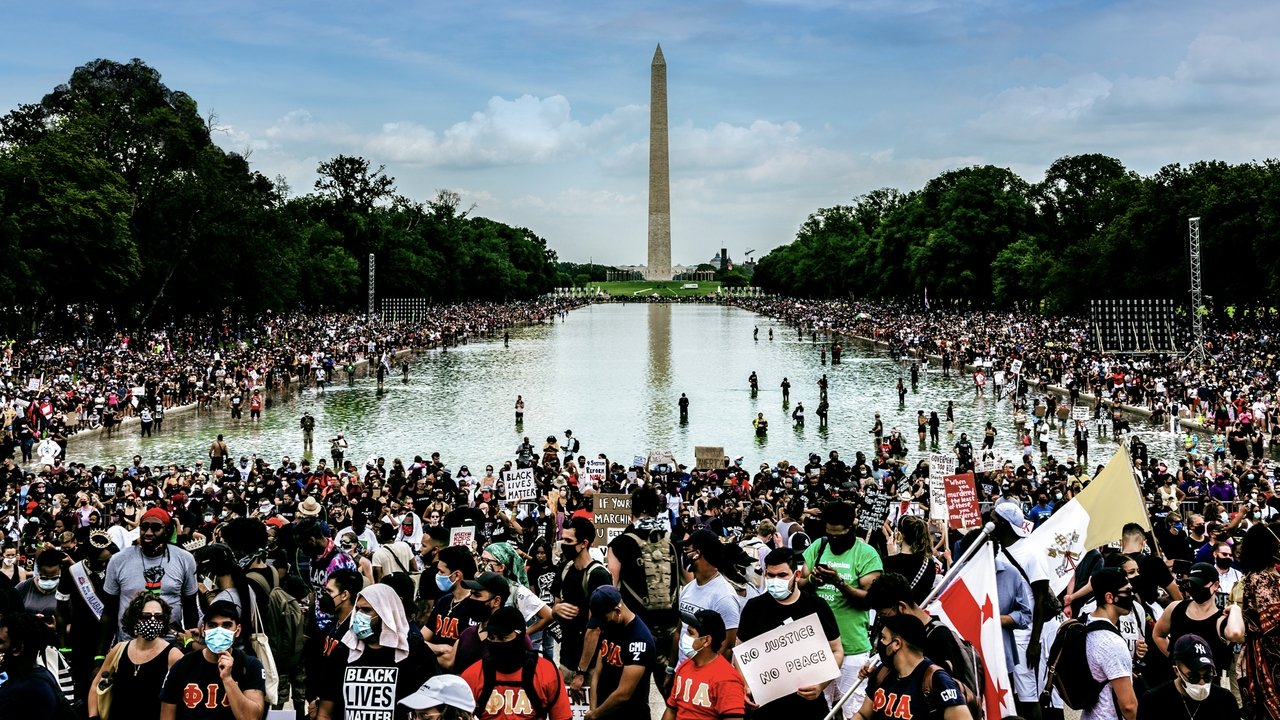
On July 28, 1917, nearly 10,000 black Americans marched silently down Fifth Avenue in New York City. Organized by W.E.B. Du Bois, this event marked the first mass civil rights protest in the city. The march aimed to draw attention to lynching and violence against black individuals, advocating for a federal anti-lynching law. Dometi Pongo speaks with Lonnie Bunch, the first African-American secretary of the Smithsonian Institution, about the historical context of marches and their relevance to contemporary protests, including those following George Floyd's murder.
Deep Dive
Why Watch
- See how W.E.B. Du Bois organized the 1917 silent march.
- Find out why the federal anti-lynching law was never passed.
- Meet Lonnie Bunch, the first African-American Smithsonian secretary.
Did You Know
- On July 28, 1917, nearly 10,000 Black Americans marched in New York City.
- The silent march was organized by W.E.B. Du Bois to protest lynching.
- The federal anti-lynching law that was sought after the 1917 march was never passed.
- All 50 states held marches in response to George Floyd's murder within the same week.
Perfect For
Frequently Asked Questions
What event is considered the first mass civil rights protest in New York City?
Nearly 10,000 black Americans marched silently down Fifth Avenue on July 28, 1917.
Who organized the silent march in 1917?
W.E.B. Du Bois organized the silent march to advocate for a federal anti-lynching law.
What was the outcome of the federal anti-lynching law proposed in 1917?
The federal anti-lynching law was never passed.
What are people saying?
Play More Like This






Where else to watch





Related Films
Is this your film?
If you made this film or hold the rights to it, we'd like to talk. We can license it and pay you a share of what it earns.


Comments