
In 1974, Masao Adachi joined the Japanese Red Army in Lebanon, collaborating with the Popular Front for the Liberation of Palestine.
Synopsis
In 1974, Masao Adachi joined the Japanese Red Army in Lebanon, collaborating with the Popular Front for the Liberation of Palestine.
Synopsis
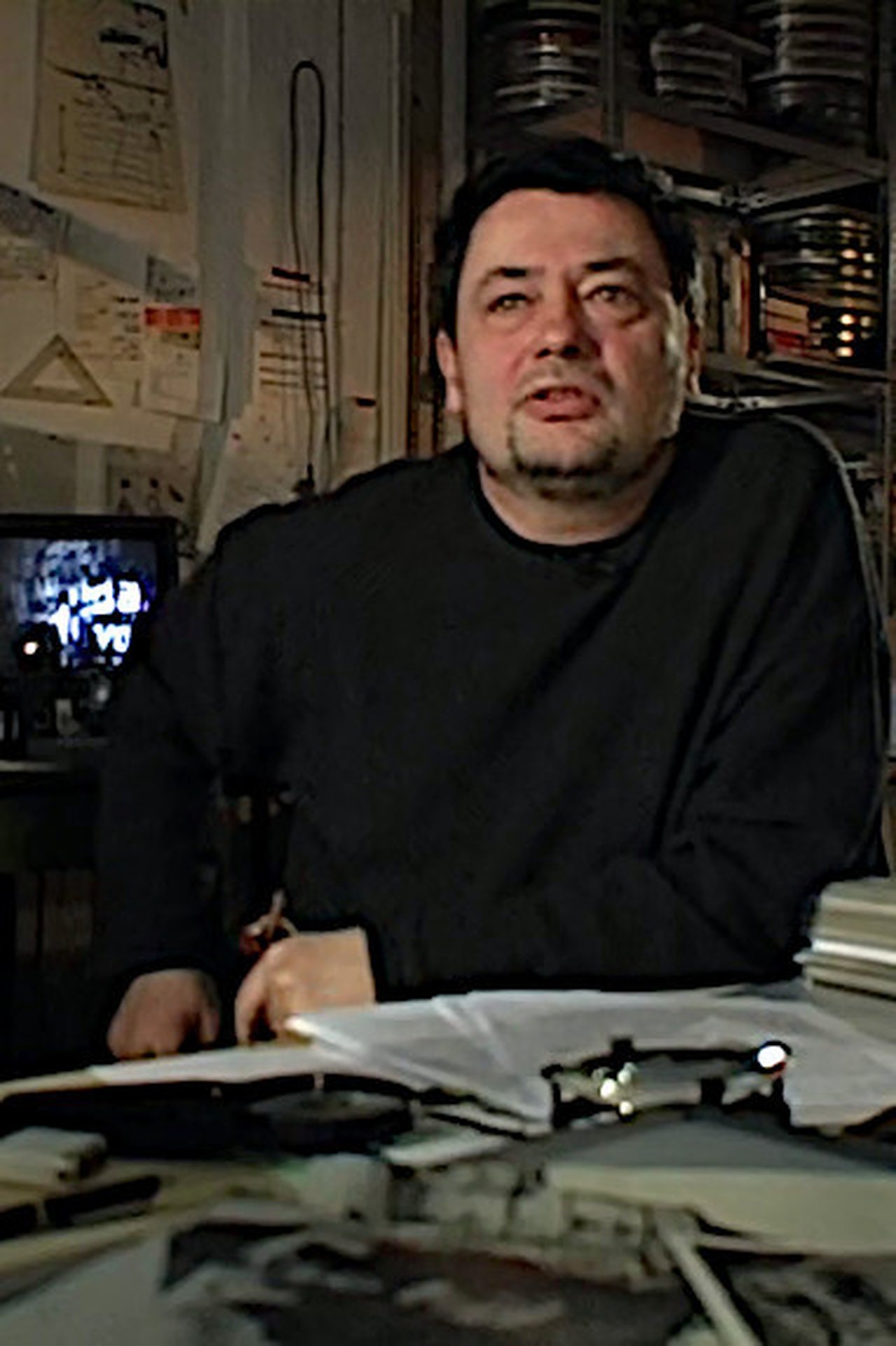
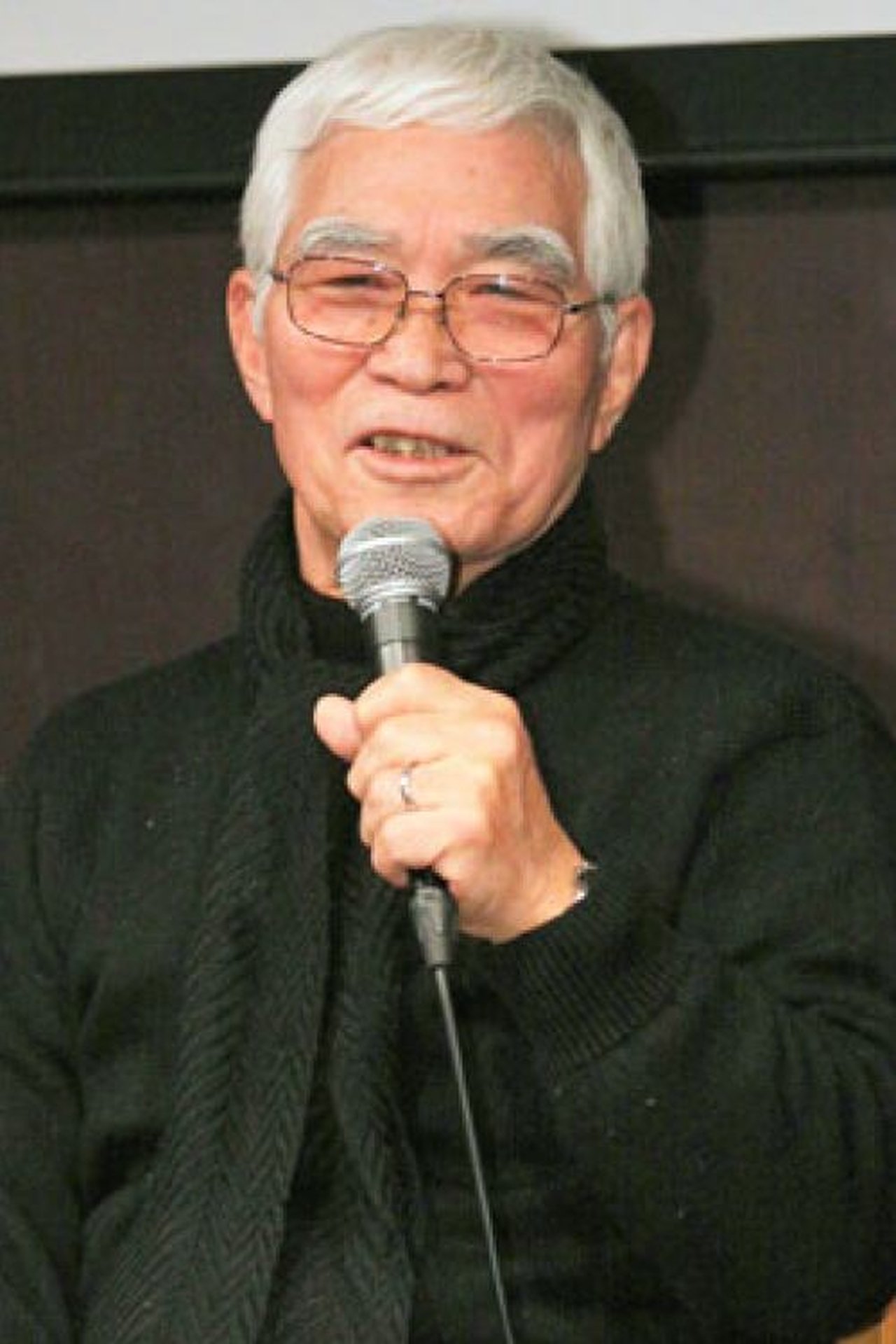
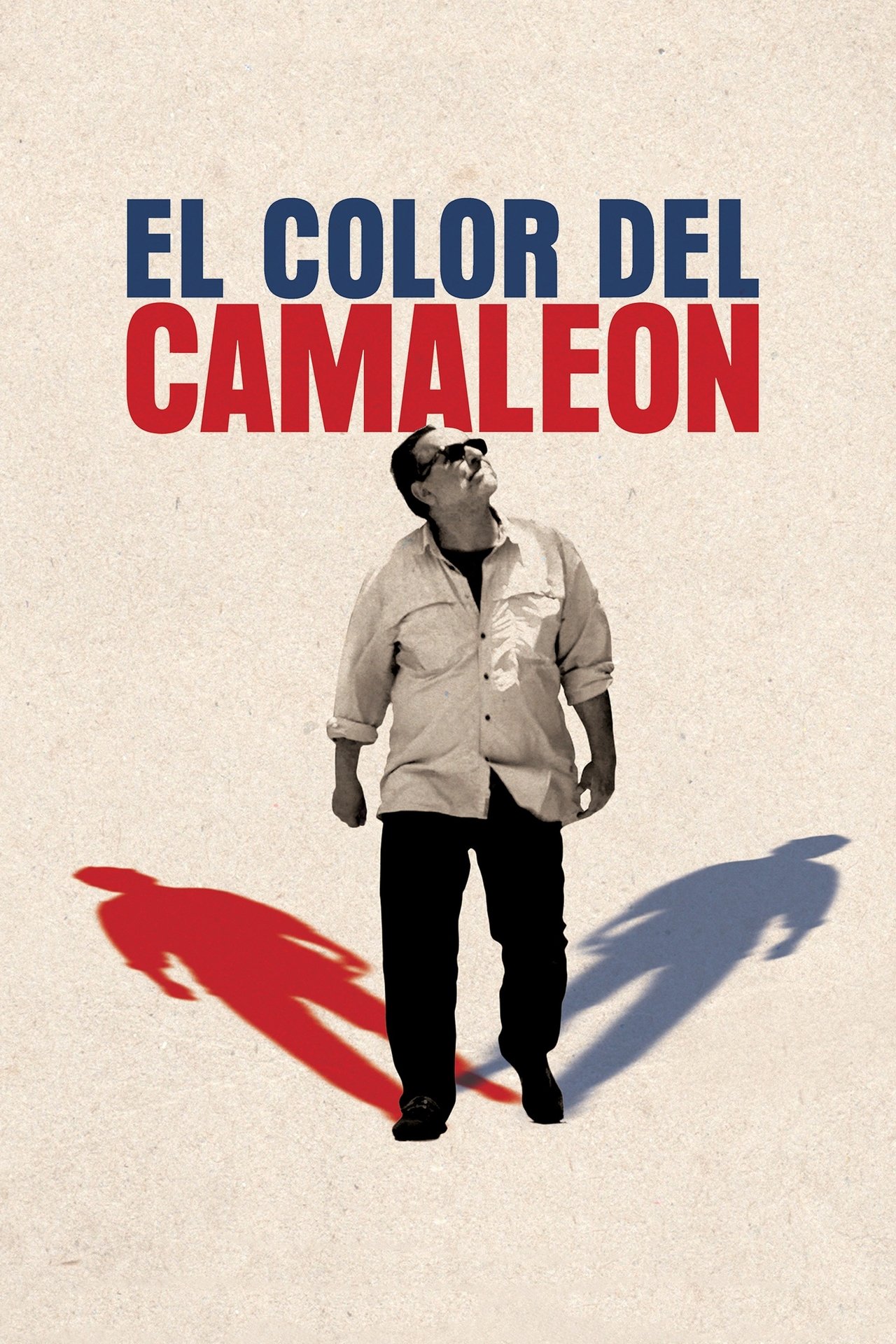
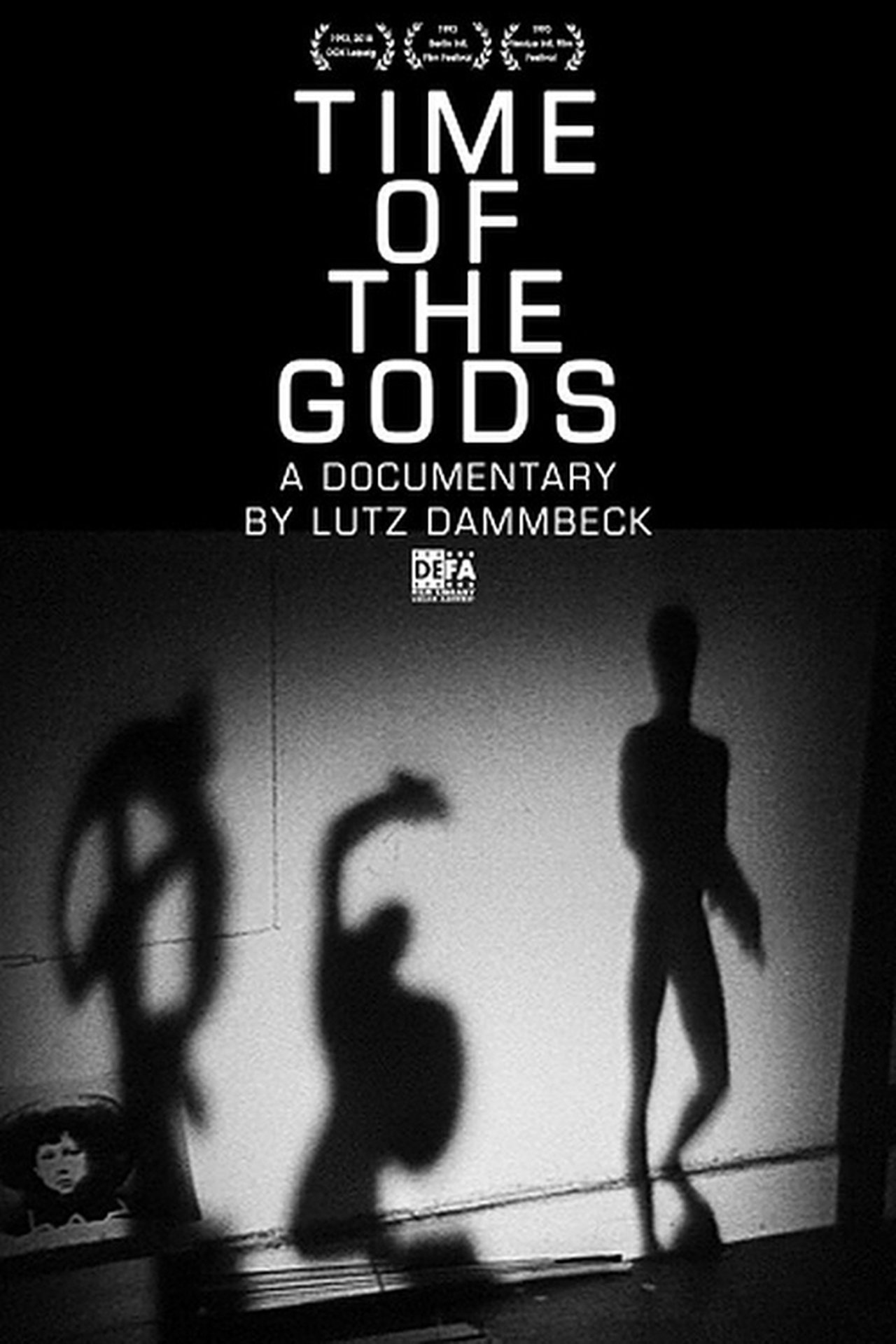
Masao Adachi sits in a Tokyo café in 2018, reflecting on his past as a filmmaker and guerrilla fighter. Once a member of the Japanese New Left, he joined the Japanese Red Army in Lebanon in 1974, collaborating with the Popular Front for the Liberation of Palestine. Filmmaker Lutz Dammbeck engages Adachi in discussions about art, revolution, and the failures of leftist strategies after 1968. Their conversation spans topics from avant-garde influences to the role of secret services in political movements.
Deep Dive
Why Watch
- Meet Masao Adachi, a filmmaker turned guerrilla fighter.
- Find out about the Japanese Red Army's ties to Palestine.
- See how art influenced political movements in the 1960s.
Did You Know
- Masao Adachi joined the Japanese Red Army in Lebanon in 1974.
- Adachi was part of the Japanese New Left movement in the 1960s.
- Lutz Dammbeck met Adachi in Tokyo in 2018.
Perfect For
Frequently Asked Questions
Who was Masao Adachi?
Masao Adachi was an author and director known for his experimental works and pinku-eiga in the 1960s.
What group did Masao Adachi join in 1974?
In 1974, Masao Adachi joined the Japanese Red Army in Lebanon.
What topics did Lutz Dammbeck discuss with Masao Adachi in 2018?
Lutz Dammbeck discussed topics such as art, revolution, the Japanese Red Army, and the failures of leftist ideas and strategies with Masao Adachi.
What are people saying?
Play More Like This










Where else to watch




Browse more like this






Related Films
Is this your film?
If you made this film or hold the rights to it, we'd like to talk. We can license it and pay you a share of what it earns.
Comments