Animals Like Us
Eleven episodes on animal behaviour that looks unsettlingly like ours: medicine, language, sexuality, mourning.
Synopsis
More than 450 species show homosexual behaviour. Others self-medicate with plants and insects, or use sounds that behave like vocabulary. Each episode takes one such behaviour and sets out what current ethology can and cannot claim about it.
Episodes
 1
1Animal Homosexuality - Animals Like Us 1/11
52mMore than 450 species of animals engage in homosexual behavior, as revealed through recent scientific research and exclusive film footage.
 2
2Animal Medicine - Animals Like Us 2/11
52mAnimals utilize plant and insect substances to self-medicate against parasites, bacteria, and viruses, showcasing their remarkable survival strategies.
 3
3Animal Language - Animals Like Us 3/11
51mIndonesian legends suggest that monkeys possess the ability to speak, raising questions about the existence of animal languages and their distinction from human communication.
 4
4Animal Politics - Animals Like Us 4/11
50mFranz de Waal's research on chimpanzees at Arnhem Zoo in the Netherlands reveals complex social structures and political organization among these primates.
 5
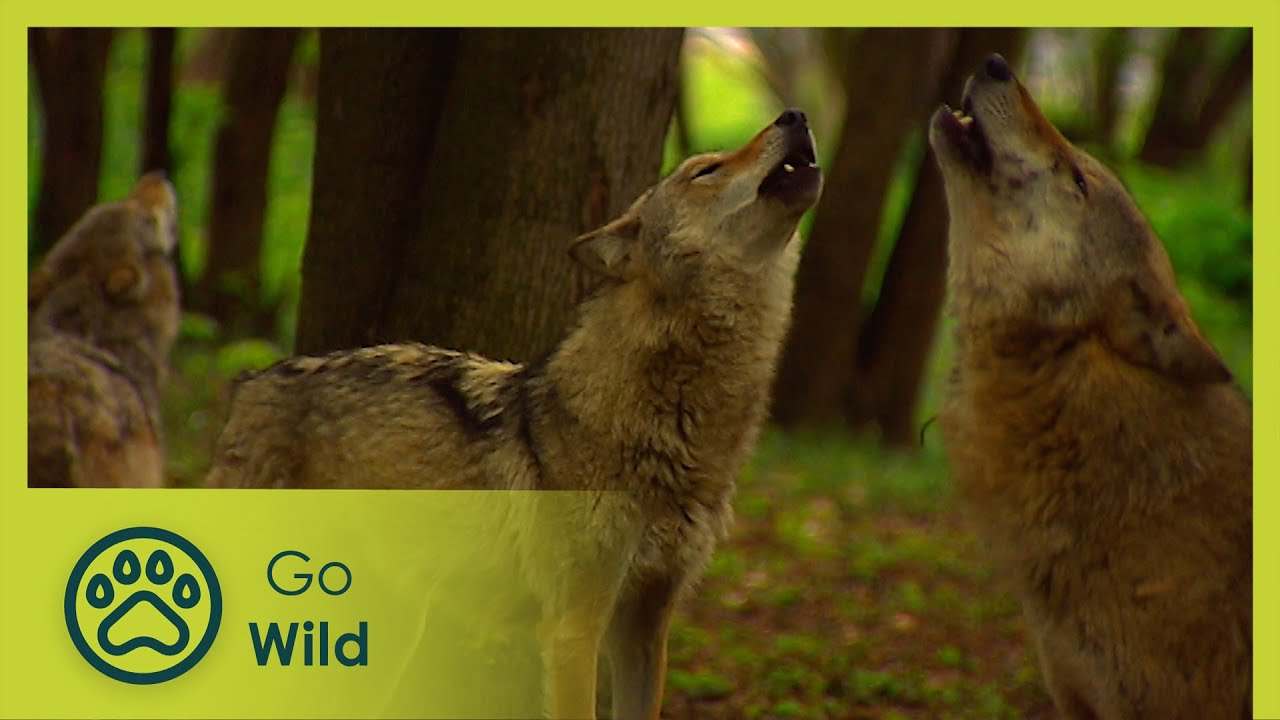
5Animal Adoption - Animals Like Us 5/11
52mAltruism in the animal kingdom, exemplified by adoption among species like dolphins, lions, and primates, challenges traditional evolutionary theories.
 6
6Animal Tools - Animals Like Us 6/11
52mRecent studies reveal that species like New Caledonia crows and sea otters utilize tools, showcasing the complex behaviors of animal intelligence.
 7
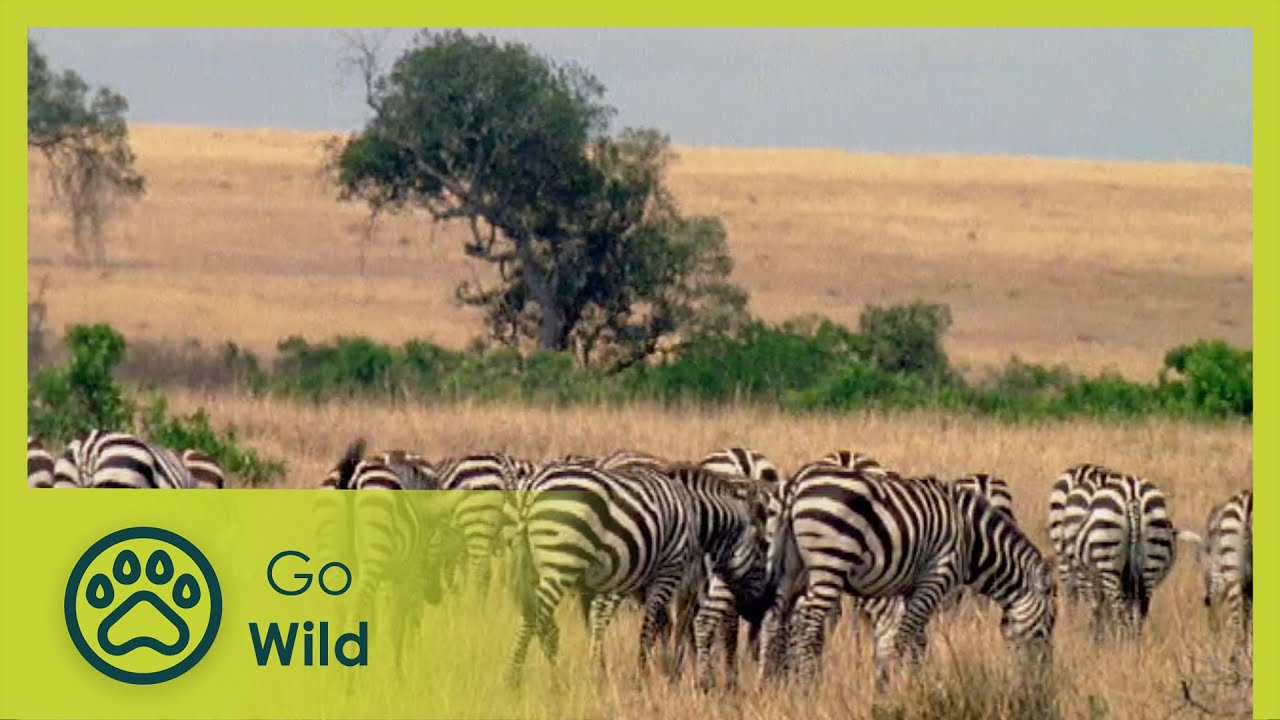
7Animal Business - Animals Like Us 7/11
53mMutualism, a phenomenon shaped by evolution, illustrates the beneficial alliances formed between animals for survival through various exchanges and cooperation.
 8
8Animal Play - Animals Like Us 8/11
49mAnimal play is a crucial aspect of development for many species, revealing similarities between human and animal behaviors in social and adaptive contexts.
 9
9Animal Emotions - Animals Like Us 9/11
49mAnimal behavior studies have historically overlooked emotional explanations, particularly during the peak of experimentation in the 1960s.
 10
10Animal Culture - Animals Like Us 10/11
51mRhesus macaques on Koshima Island in Japan began washing sweet potatoes in the 1950s, leading Japanese primatologists to term this behavior "preculture."
 11
11Animal Web - Animals Like Us 11/11
52mInsect societies exemplify remarkable organization, enabled by their ability to secrete substances like silk, which facilitates construction and communication.