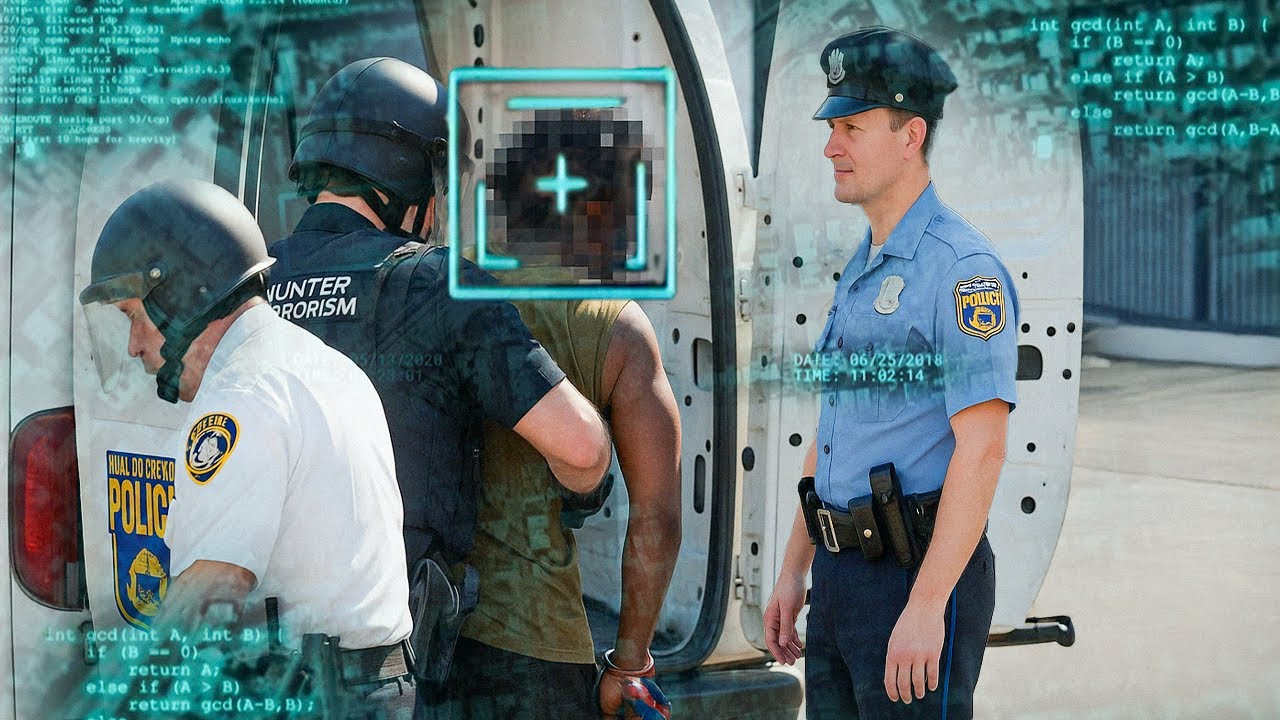
AI vs Crime
Synopsis
Algorithms are used in 17 states to predict crime and determine bail, raising questions about their fairness and the biases in their data.
Synopsis
Andrew Papachristos recalls his youth in Chicago during the violent 1980s and 1990s. He reflects on how predictive algorithms now influence policing and the justice system. These algorithms analyze past crime data to forecast future offenses and determine bail eligibility. Used in 17 states, including Alabama and Illinois, they promise to make communities safer. However, the film questions their fairness and the potential for bias, urging a closer look at their consequences and accountability in the justice system.
Deep Dive
Why Watch
- Find out how algorithms predict crime and bail decisions.
- See the historical context of violence in 1990s Chicago.
- Meet Andrew Papachristos and hear his personal story.
Did You Know
- Predictive algorithms are used in 17 states for crime forecasting.
- Chicago experienced some of its most violent periods in the 1980s and 1990s.
- Andrew Papachristos grew up in Chicago during the 1990s and worked in his family's restaurant.
Perfect For
Frequently Asked Questions
What are predictive algorithms used for in the criminal justice system?
Predictive algorithms are used by policing agencies to predict where the next crime will occur and by judges to determine who should get bail.
What is a concern regarding the use of algorithms in predicting crime?
A concern is that algorithms may be biased and can harm the communities they are designed to serve.
How many states have enacted the use of predictive algorithms in the criminal justice system?
Predictive algorithms have been enacted in 17 states, including Alabama, Colorado, Illinois, and Mississippi.
What are people saying?
Play More Like This




Browse more like this








Related Films
Is this your film?
If you made this film or hold the rights to it, we'd like to talk. We can license it and pay you a share of what it earns.
Comments