From over 100,000 films, discover the handful you'll love.
Free or premium access to the world's largest documentary library.
Europe • Historical
93 films(Page 1 of 2)
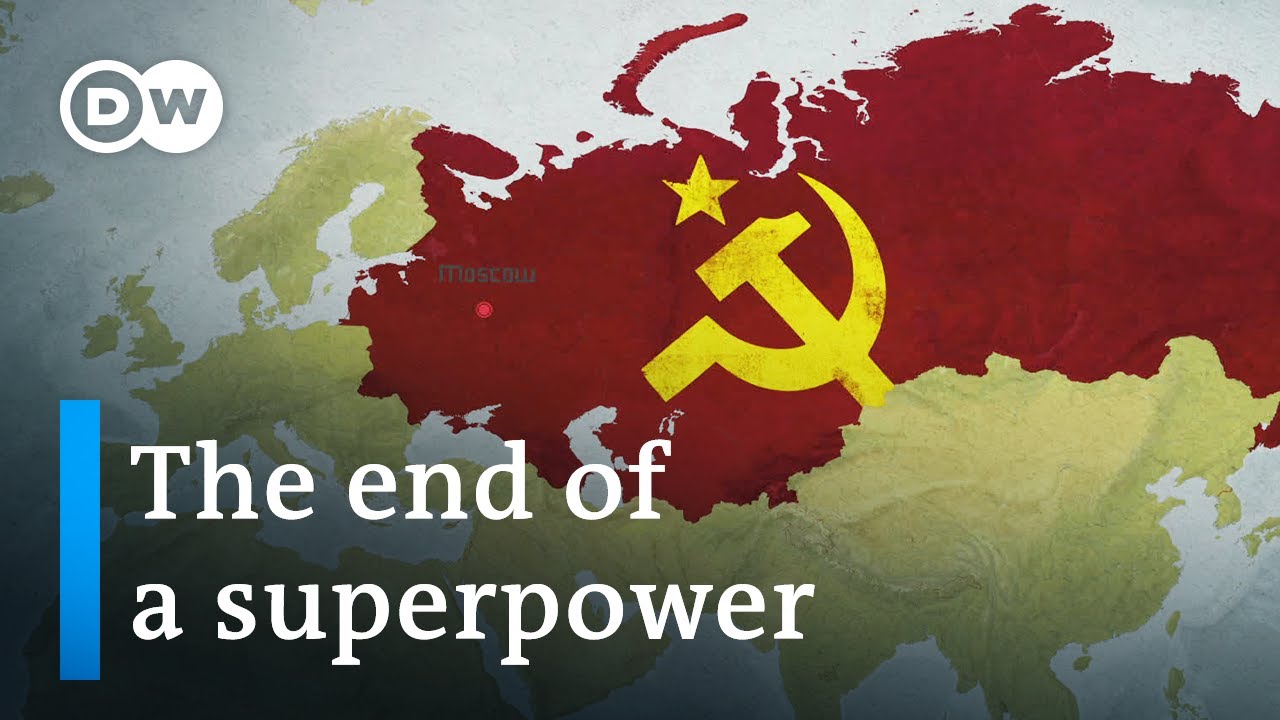
The Soviet Union, which covered a sixth of the Earth's surface and was home to 280 million people, collapsed on December 25, 1991.
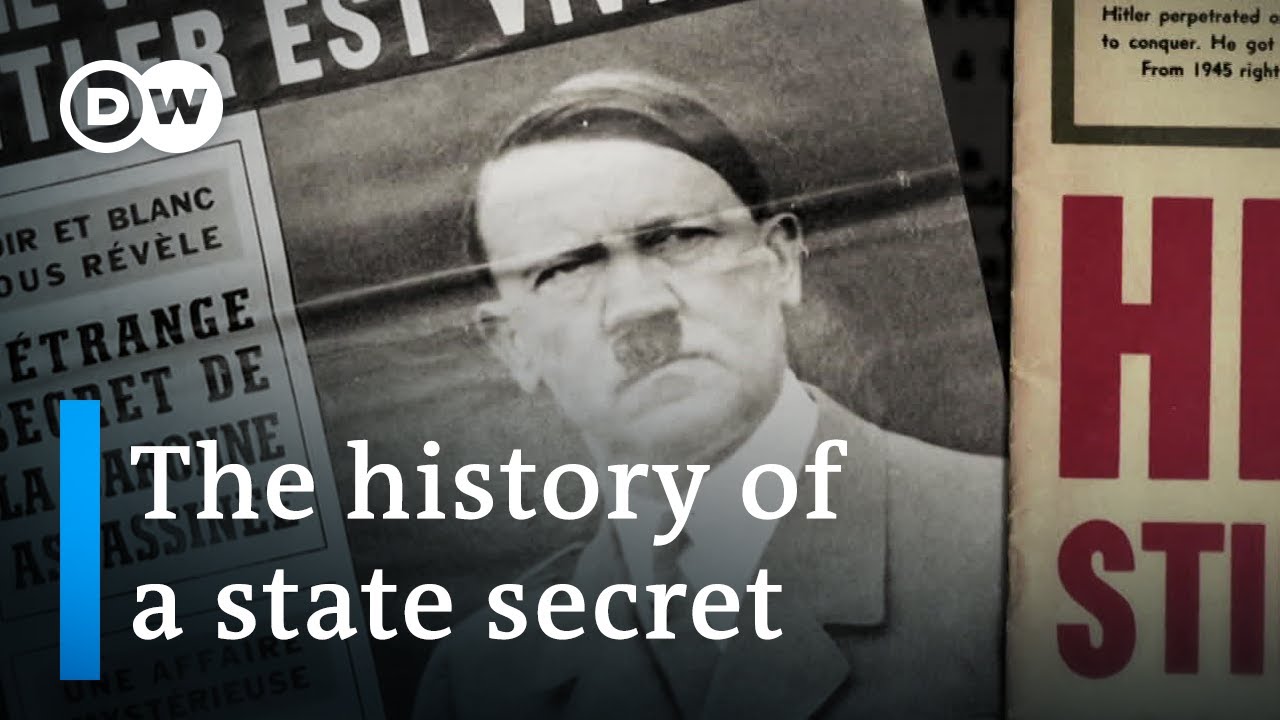
Adolf Hitler's suicide in his Berlin bunker on April 30, 1945, prompts a secret investigation into the identity of his remains after they are burned.
Richard Nixon was reelected in 1972 in one of the biggest landslides in American history, capturing 49 out of 50 states.
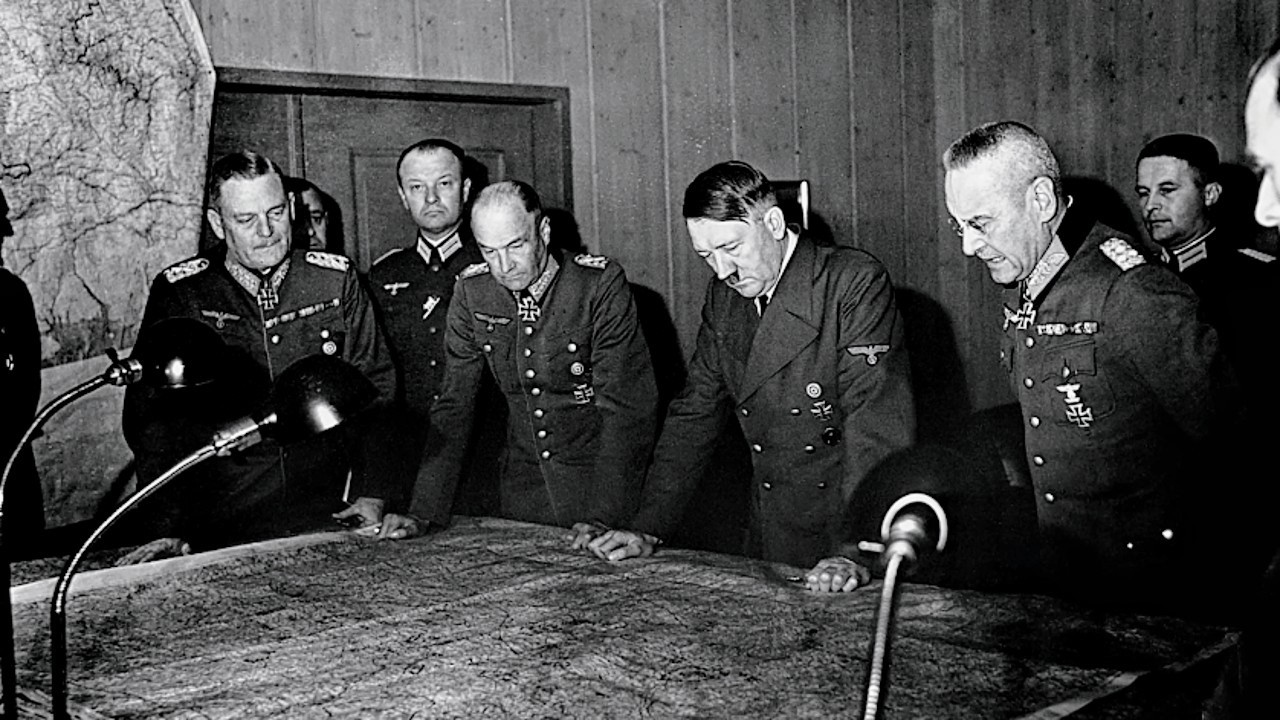
More than three million Axis soldiers launched the largest military invasion in history against the Soviet Union in June 1941.
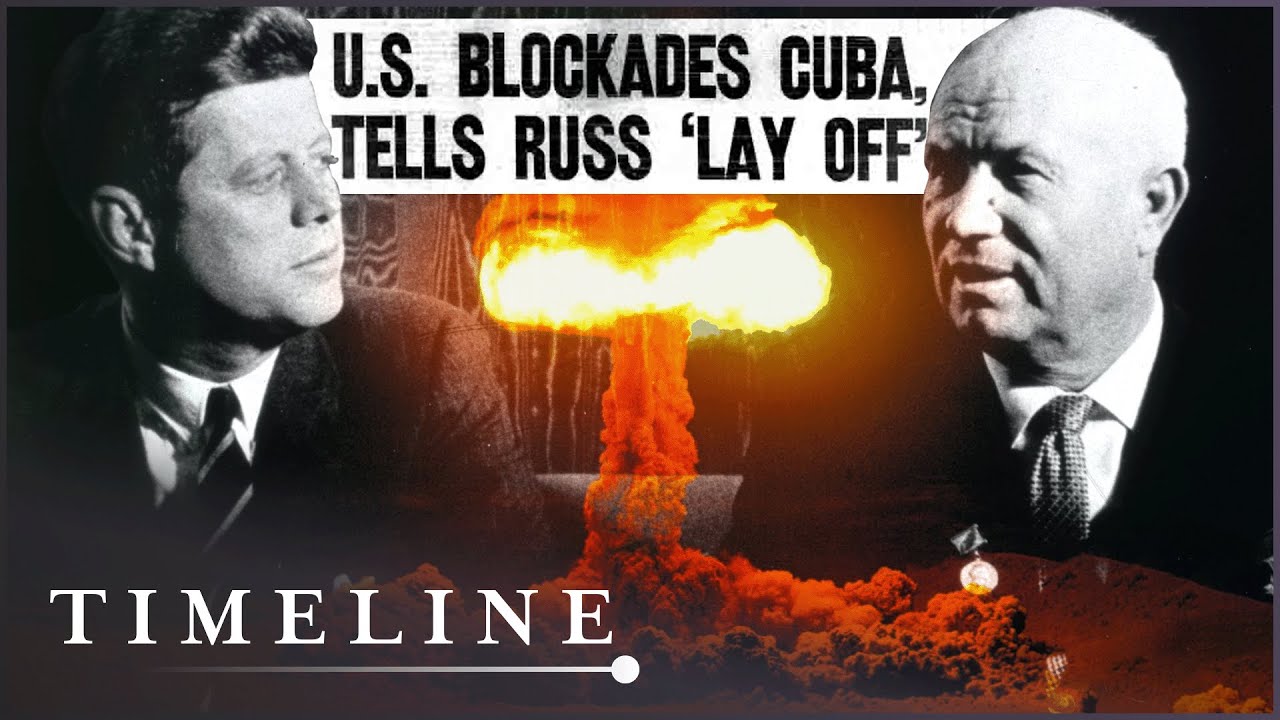
Ninety miles from Florida, the United States quarantined Cuba in response to the Soviet Union's placement of nuclear warheads on the island.
For the first time, the CIA successfully handled a well-placed agent in Moscow during the Cold War, marking a significant shift in intelligence operations.
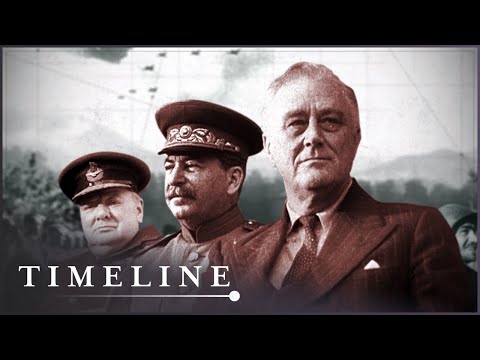
65 million people fought in World War II, a conflict that reshaped global power dynamics and saw leaders like Stalin, Roosevelt, and Churchill rise to prominence.
On Christmas Day 1991, Mikhail Gorbachev resigned, marking the end of the Soviet Union after nearly 70 years of communist rule.
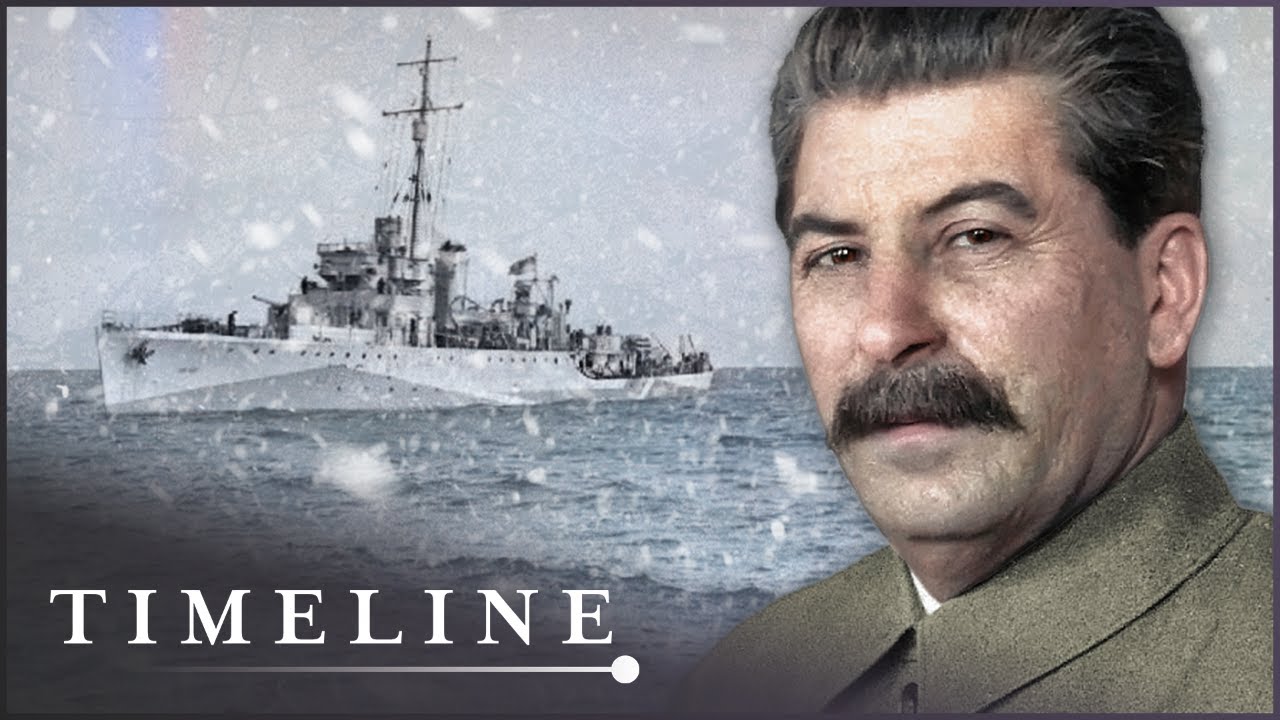
In August 1941, the Allies launched Operation Dervish to support the Soviet Union during WWII.
A jury deliberates for hours before finding Ethel and Julius Rosenberg guilty of espionage on March 29, 1951, leading to their death sentences.
Harold Adrian Russell Philby, a British agent, defects to the Soviets in 1963 and becomes Comrade Kim.
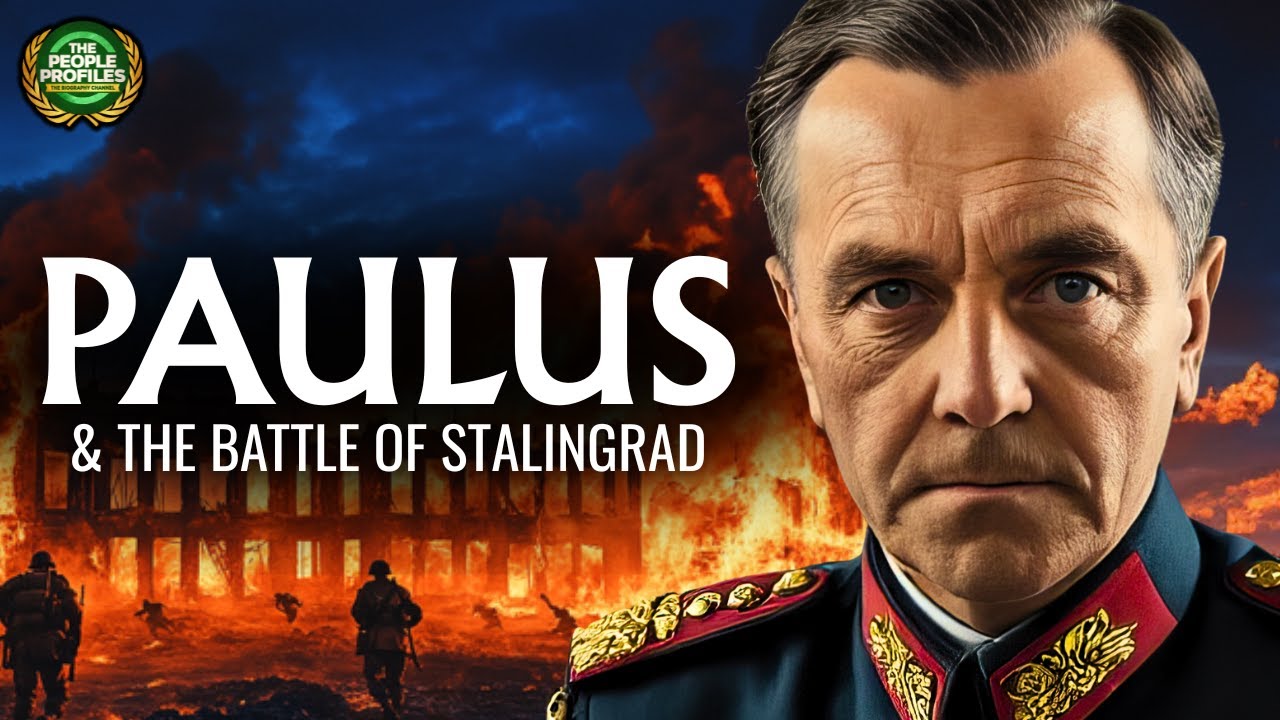
On January 31, 1943, Friedrich Paulus, commander of the German Sixth Army, surrenders in Stalingrad, marking a significant defeat for Nazi Germany.
Andrei Chikatilo, known as the Butcher of Rostov, killed at least 52 victims in the Soviet Union between 1978 and 1990 before his capture.
Yuri Gagarin's historic flight on April 12, 1961, marked the beginning of human space exploration and solidified the USSR's dominance in the space race.
Over 100 times more radiation was released during the Chernobyl nuclear accident than the atomic bombs dropped on Hiroshima and Nagasaki.
Christopher Boyce reveals his past as a CIA double agent selling secrets to the KGB.
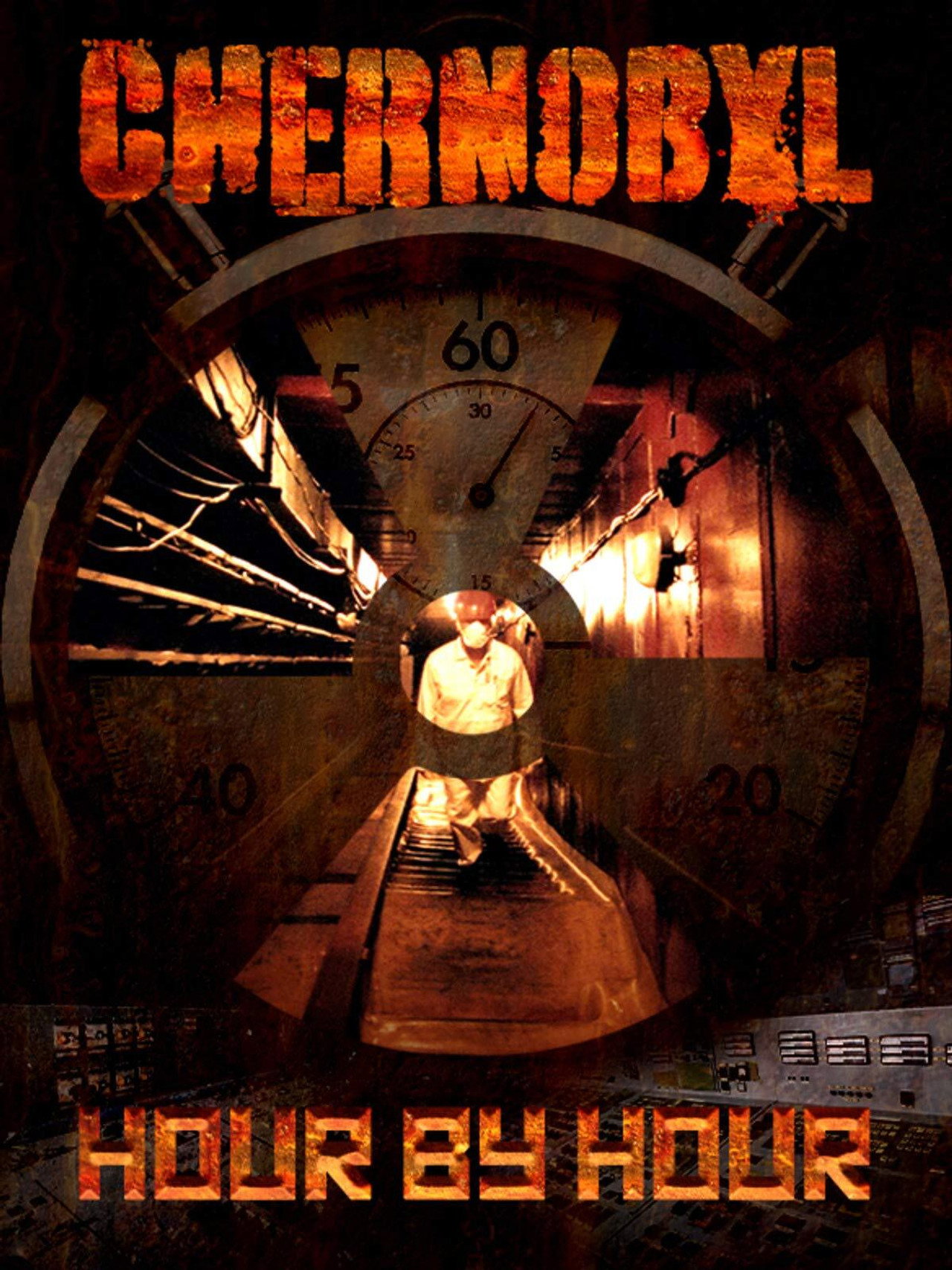
On April 26, 1986, a catastrophic meltdown at the Chernobyl Nuclear Power Plant in Ukraine exposed systemic flaws and a culture of secrecy within the Soviet Union.
Anatoly Kuznetsov shares his escape from the USSR to the UK during the Cold War.
In 1988, Olivier Brodard and Paul Castella undertake a humanitarian mission in Afghanistan, encountering commander Ahmad Shah Massoud and the realities of Soviet occupation.
Joe Moses fights to protect the Paga Hill Settlement in Papua New Guinea from violent police actions aimed at clearing the area for luxury development.
The Chernobyl Disaster reveals the 1986 reactor explosion and its impact on Pripyat.
European countries depend on Russian gas, with Germany as a key player in this energy crisis.
In the early 1990s, Russia threatened Ukraine with a gas boycott during heated discussions over the division of the Black Sea Fleet located in Crimea.
More than 30 million dollars in funding for Nicaraguan contras came from Saudi Arabia, despite congressional restrictions on U.S. support.
500 men were sent to the Westman Islands in 1973 to assist in evacuating residents during a massive volcanic eruption.
Fareed Zakaria discusses his background and the rise of global powers in 'The Post-American World.'
Vsevolod Chaplin discusses the Russian Orthodox Church's resurgence since the Soviet era, highlighting its influence under Vladimir Putin and the rapid construction of churches across Russia.
Kim Jong Un's birthday coincides with North and South Korea's first talks in two years.
Pakistan's ISI controls sensitive policies on Afghanistan and Kashmir while backing the Taliban.
The panel discusses Putin's demands for security guarantees and rising tensions in Ukraine.
Anton Kolomitsyn discovers a dangerous Stalin-era bunker in Russia's countryside.
Israeli criminal gangs and Bedouin smugglers exploit thousands of women from the former Soviet Union, forcing them into prostitution in Tel Aviv's brothels.
The average wage in Azerbaijan is now around $40 a month, despite the country sitting on at least $80 billion in oil reserves.
The Taliban remains in control of Afghanistan, despite nearly 20 years of American military efforts.
Ernesto Che Guevara transforms Cuba's economy and leads revolutionary efforts against Batista.
The launch of Sputnik spurs the birth of the internet in America during the Cold War.
Stalin's ruthless policies lead to millions of deaths and the worst man-made famine in history.
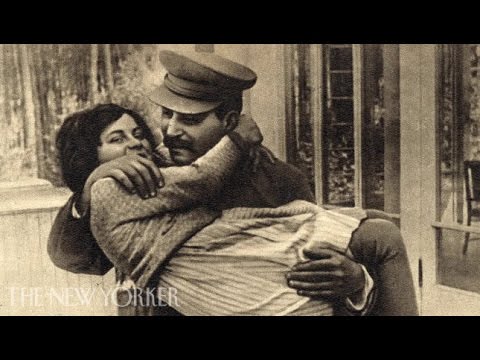
Svetlana Stalin, daughter of Joseph Stalin, defected to the United States in 1967, where she held a press conference that drew significant public attention.
The video examines Stalin's life, questioning his motivations as ruler of the Soviet Union.
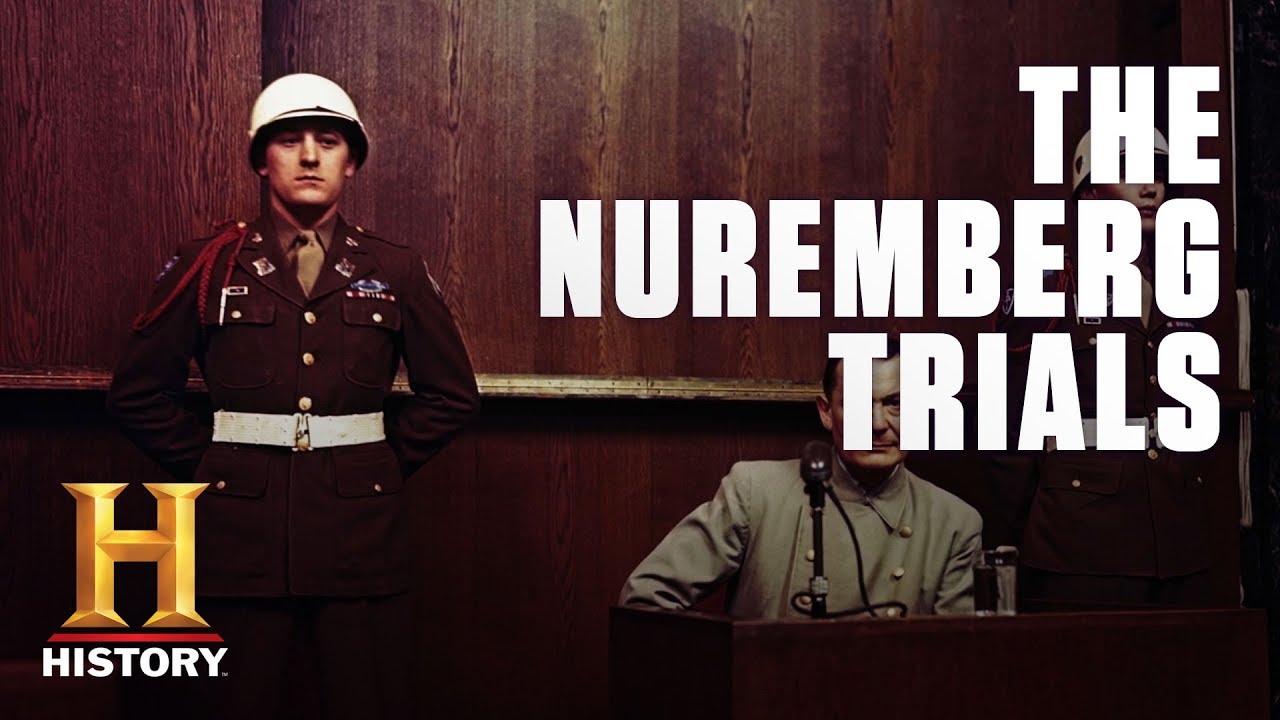
The Nuremberg trials, held from 1945 to 1949, marked a significant moment in international law as the Allies prosecuted major Nazi war criminals like Hermann Goering and Rudolf Hess.
The United States implements the Marshall Plan to rebuild post-war Europe and counter Soviet influence.
1,400 Cuban exiles landed at the Bay of Pigs on April 17, 1961, facing overwhelming forces of 25,000 soldiers from Fidel Castro's army.
Leonard Kleinrock's work with ARPA during the Cold War was instrumental in developing the foundational technologies that led to the birth of the internet.
Viktor Orekhov, a former KGB officer, recounts his transformation from enforcer of repression to supporter of dissidents in Soviet-era Russia.
Millions perished under Joseph Stalin's regime, yet many Russians today, especially older citizens, still regard him as a national hero.
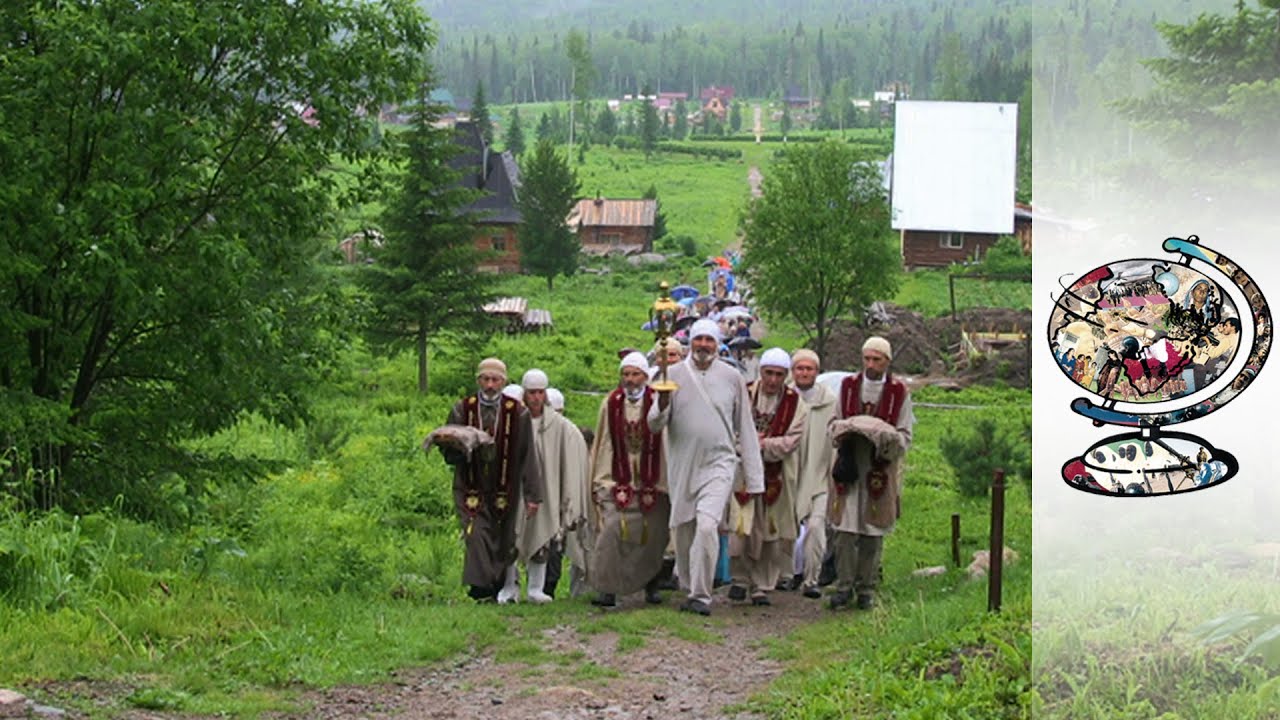
Sergei Torop, known as Vissarion, claims to be Jesus alive in Siberia with thousands of followers.
Conan and his Chums discuss workplace dynamics and their humorous friendship.
The Taliban's rapid takeover of Afghanistan follows the US withdrawal from the country.