From over 100,000 films, discover the handful you'll love.
Free or premium access to the world's largest documentary library.
Americas
898 films(Page 8 of 19)
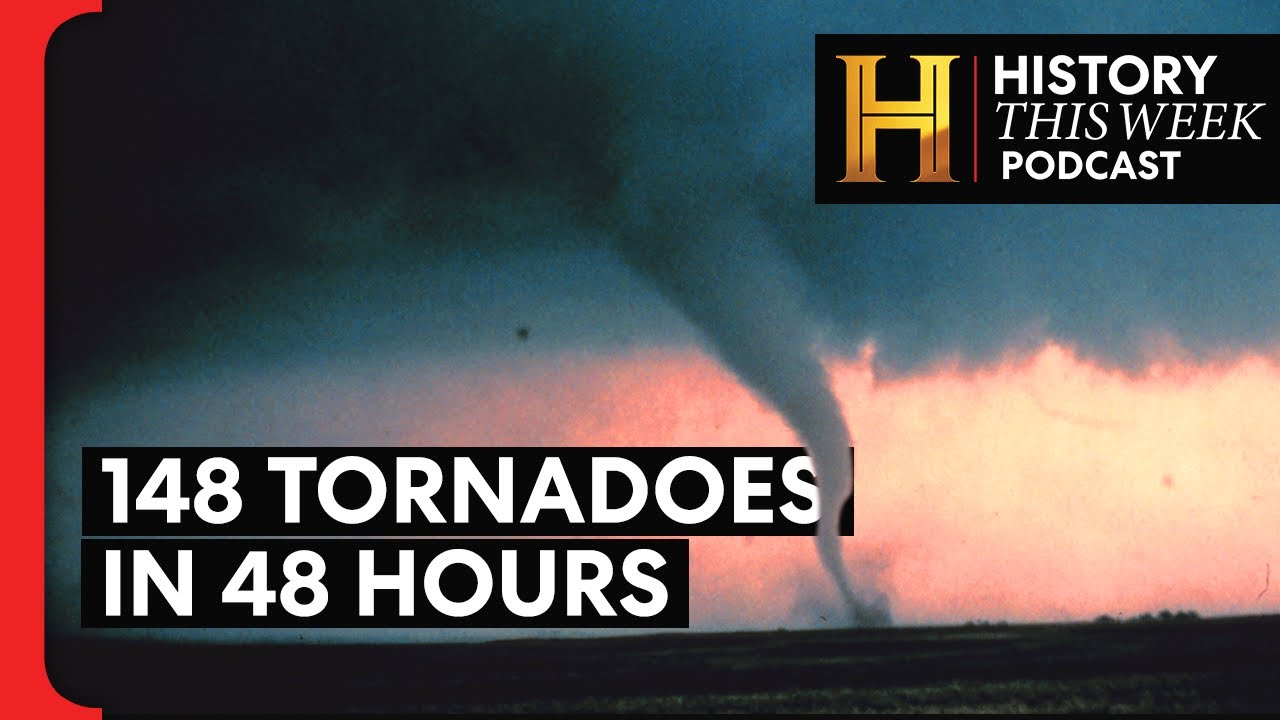
On April 3, 1974, nearly 150 tornadoes struck across 13 states in just 18 hours, marking the largest tornado outbreak in U.S. history.
The narrator shares an embarrassing moment with President Obama about future plans after serving.
Emma, a Chinese student, studies at Pius XI Catholic High School in Milwaukee, aiming for college.
Ai Weiwei discusses his soft detention in Beijing and the importance of understanding Chinese history.
Over 20,000 people lived in the ancient city of Cahokia, a thriving metropolis that shaped the early interactions between Black and Native American communities.
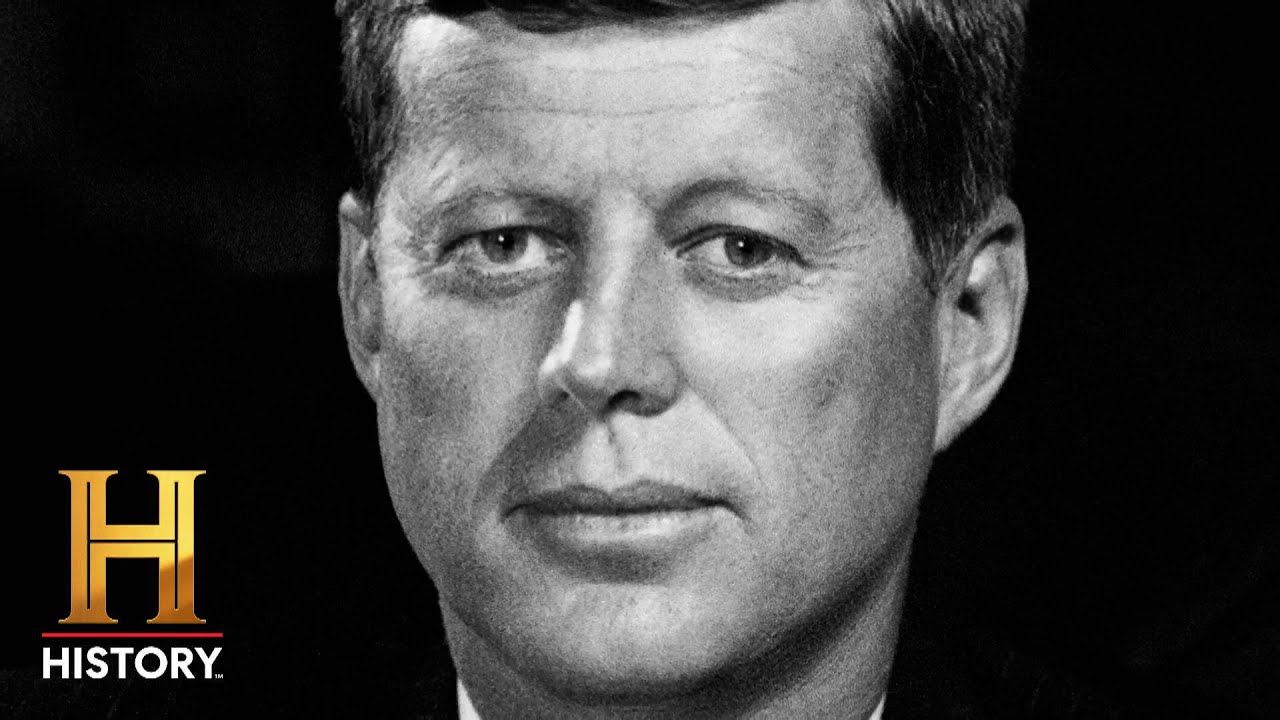
On November 22, 1963, President John F. Kennedy is shot twice in Dallas, Texas, and later pronounced dead at Parkland Memorial Hospital.
St. Paul, Minnesota, has the largest concentration of Korean adoptees in the United States, many of whom are raised in transracial families.
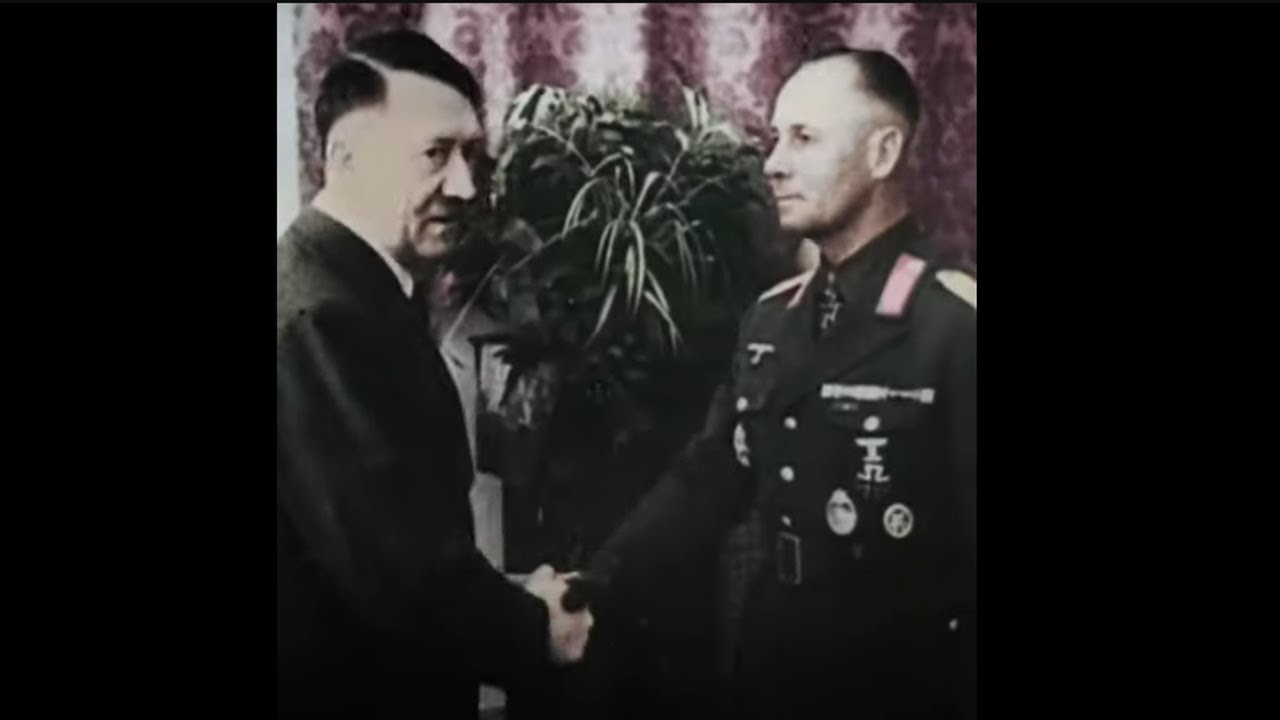
Hitler faces his fears as Eisenhower arrives in Londres during World War II.
Angela Merkel served as Chancellor of Germany for 16 years, during which she became the most popular politician in the country.
President Franklin Roosevelt and Prime Minister Winston Churchill meet to form the Atlantic Charter.
Franklin Roosevelt's first fireside chat reassured Americans during a banking crisis, as thousands of banks had already closed and the economy was in freefall.
Over a million dollars in college scholarships have been awarded to students from Democracy Prep in the South Bronx through speech and debate competitions.
Twin Oaks in Louisa County, Virginia, is a unique intentional community in America.
An estimated 300,000 fans attended the Altamont Free Concert in 1969, where Hells Angels members provided security and became involved in a fatal altercation.
90% of the United States is under stay-at-home orders during the COVID-19 pandemic, prompting a rise in virtual dating experiences.
1,400 Cuban exiles landed at the Bay of Pigs on April 17, 1961, facing overwhelming forces of 25,000 soldiers from Fidel Castro's army.
On October 10, 1913, President Woodrow Wilson pressed a button that initiated the filling of the Culebra Cut, creating a 51-mile waterway.
Restart in the United States treats video game addiction as a serious health issue.
Nineteen-year-old Haida Hamza returns to Baghdad University, expressing feelings of helplessness amid looting and the presence of new military authority.
In 1789, George Washington had to beg Thomas Jefferson to serve as secretary of state, setting the stage for a fierce rivalry with Alexander Hamilton.
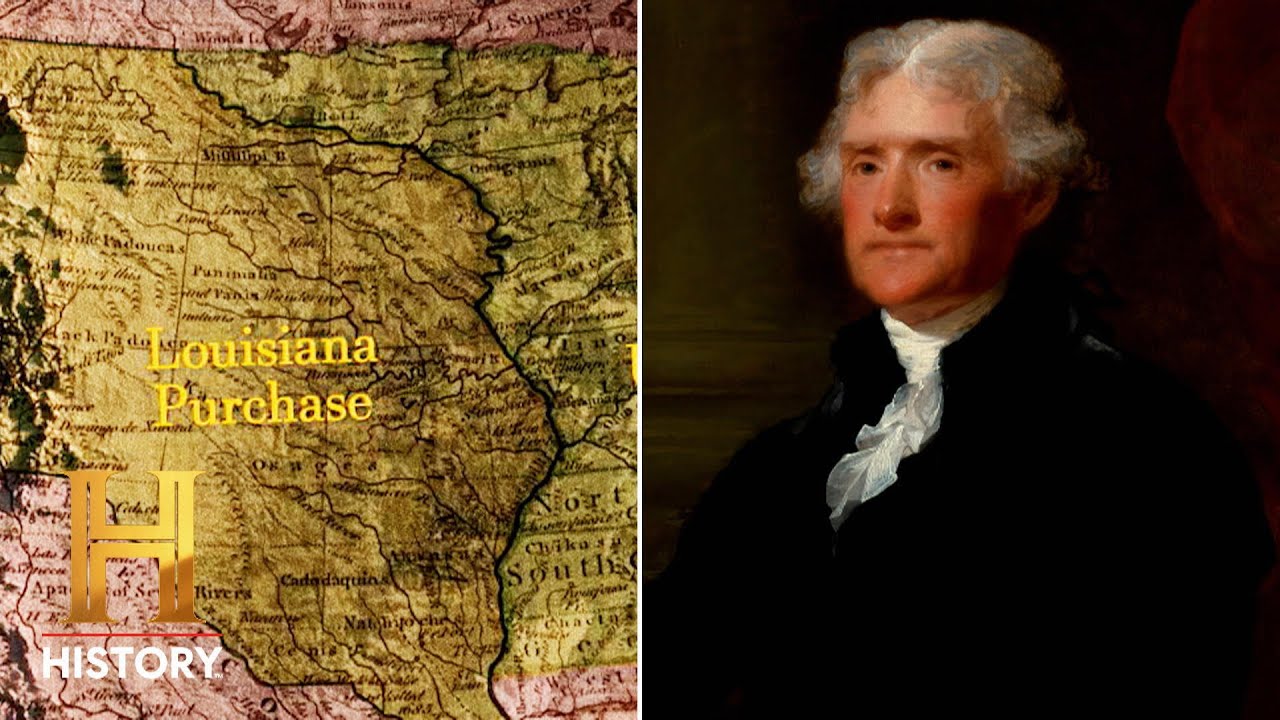
Thomas Jefferson plans to buy the Port of New Orleans, impacting the economy and territory.
Kennedy navigates his formative years and family relationships in this insightful clip.
John F. Kennedy's five-year campaign for the presidency transformed modern political strategies, particularly through the innovative use of television to engage voters.
Nearly half a million Berliners gathered to hear President John F. Kennedy speak at the Berlin Wall on June 26, 1963, during a critical moment in the Cold War.
On April 12, 1961, the Soviets launched Yuri Gagarin, the first person to orbit the Earth, intensifying the U.S. space race under President John F. Kennedy.
In 1794, U.S. General Anthony Wayne leads an army into Miami territory, marking a critical moment in the conflict between settlers and Native Nations.
Over 300 million privately owned weapons exist in the United States, outnumbering the population and reflecting the country's gun culture.
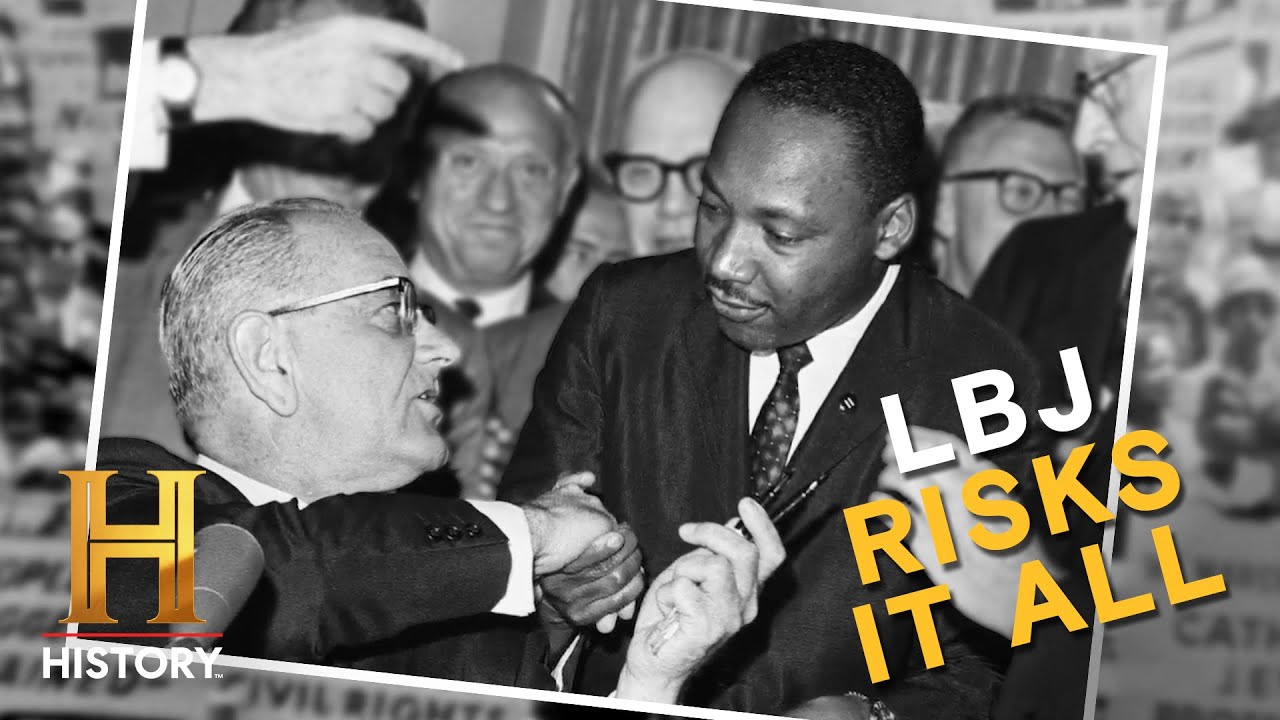
Six weeks after delivering a speech to Congress prioritizing civil rights, Lyndon B. Johnson died of a heart attack, leaving a complex legacy.
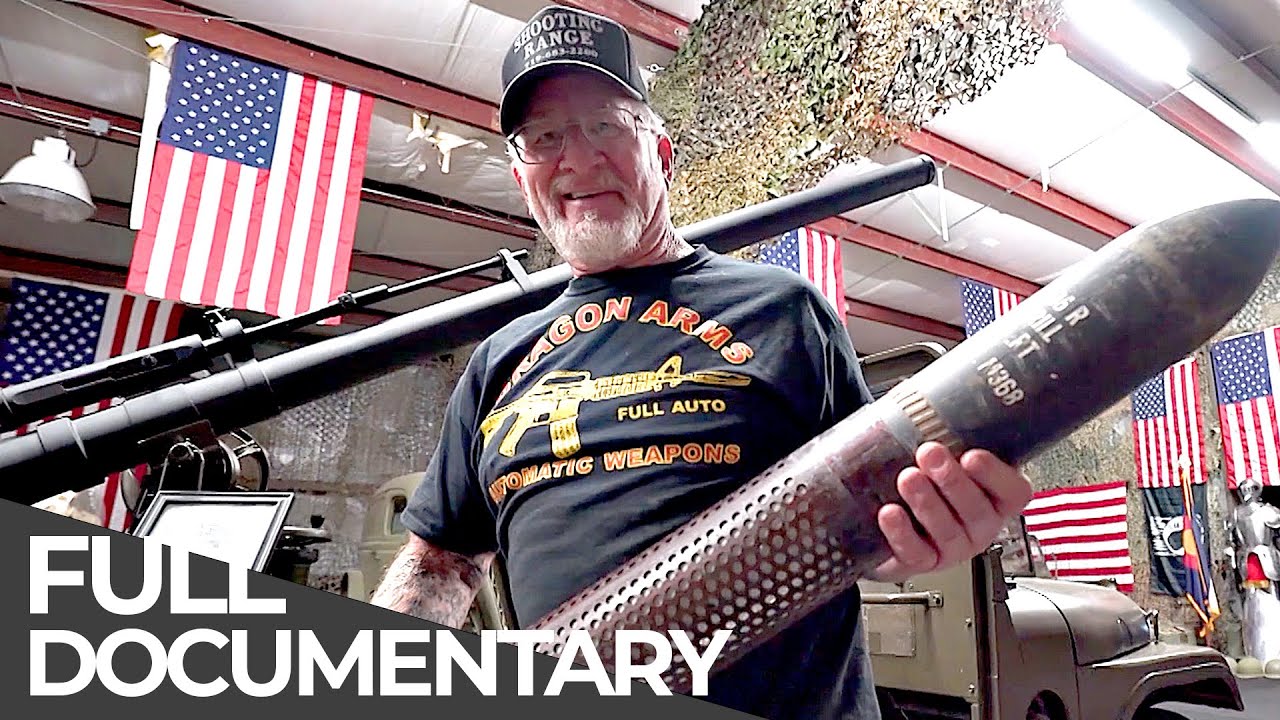
Fred, a tank commander, collects military equipment from the Korean War in the United States.
Monica, a North Korean defector, recounts her traumatic escape to Koreatown, Los Angeles, where she faces discrimination and isolation among fellow North Koreans.
Miriam and her children face the dangers of traveling on 'La Bestia', a freight train, as they flee violence in Honduras for a better life in the US.
A 10-minute episode commemorates the 60th anniversary of John F. Kennedy's assassination on November 22, 1963, and examines his lasting impact.
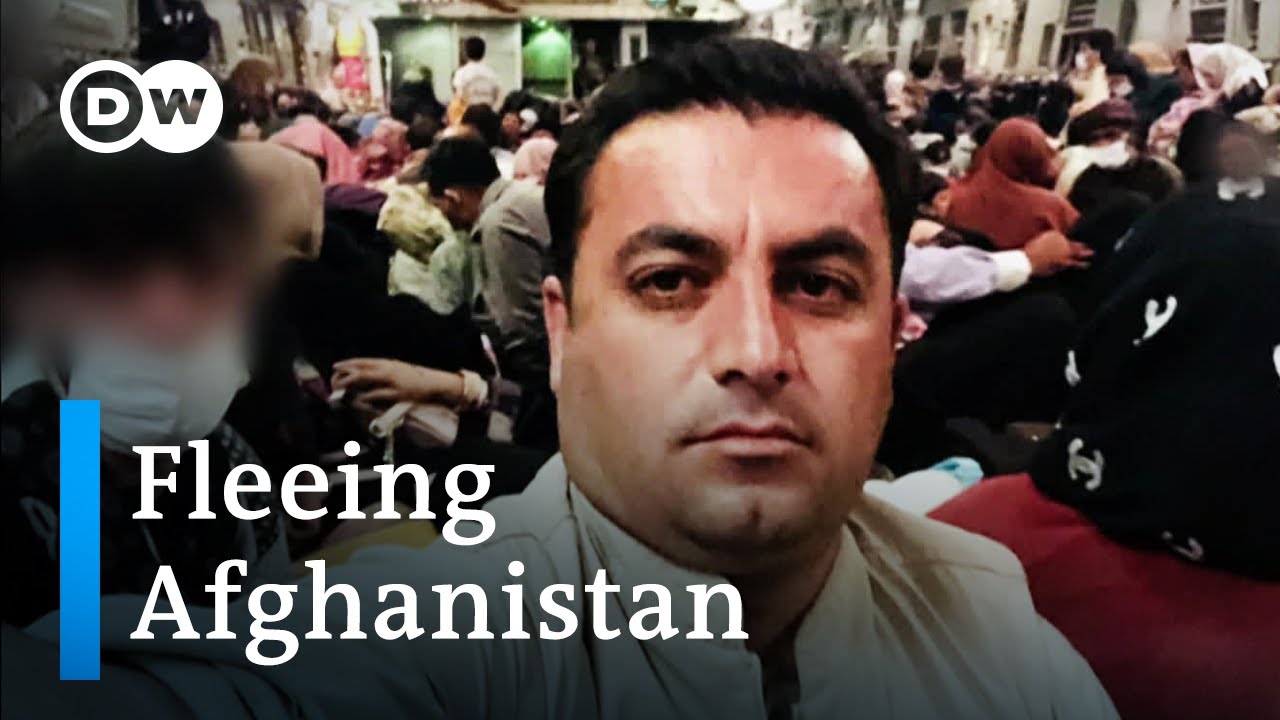
Fremont, California, home to 200,000 residents, hosts the largest Afghan community in the United States, where former US Army interpreter Ahmad now lives.
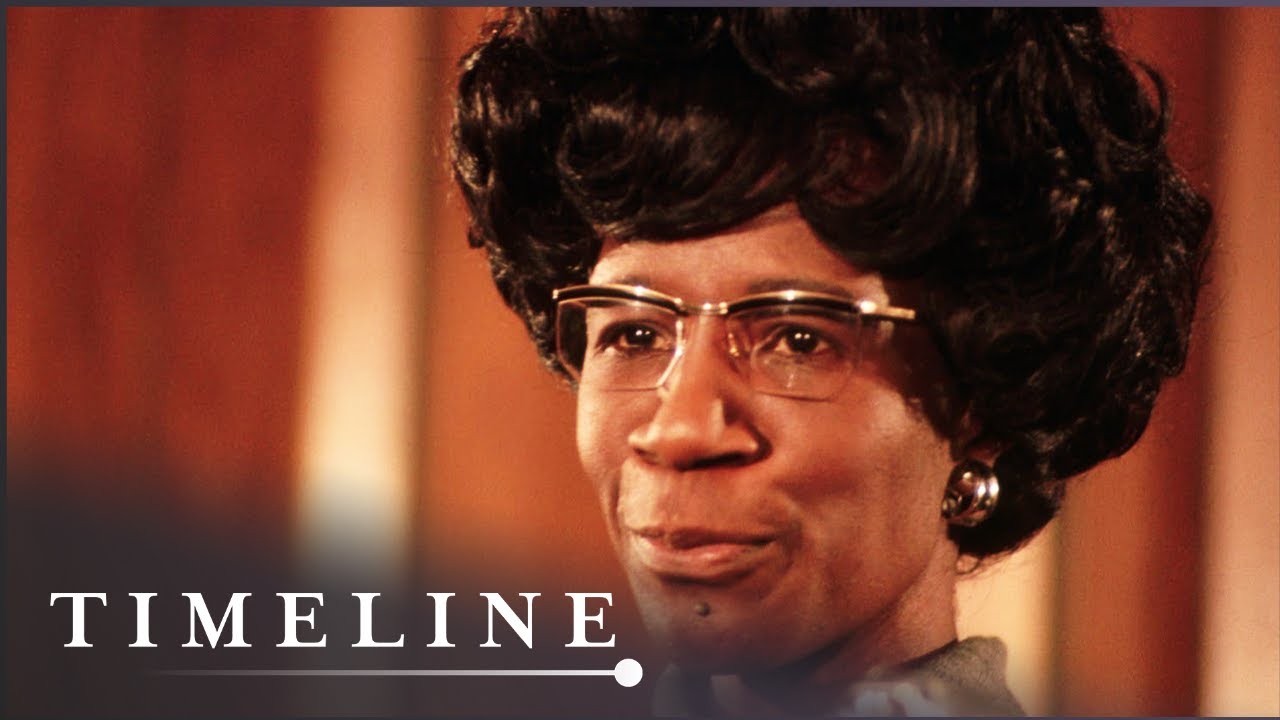
In 1969, Shirley Chisholm became the first black woman elected to Congress, representing New York's 12th congressional district for seven terms.
56% of Americans deny that climate change is happening and that human activity is a contributing factor, according to Paul Douglas in this 23-minute film.
The Clotilde brings the last enslaved Africans to America in 1860, arriving in Mobile, Alabama.
Peter Guppy, an immigrant and art collector, collaborates with Valerie to research a painting attributed to a Russian artist, seeking its origins at the Metropolitan Museum of Art.
America rebuilds after the Civil War during Reconstruction from Andrew Johnson to Chester A. Arthur.
America's Age of Reconstruction, from 1865 to 1885, highlights the challenges faced by Presidents Andrew Johnson and Chester A. Arthur in rebuilding a fractured nation.
Ikaria, a Greek island, boasts a high life expectancy due to its unique lifestyle and diet.
Teddy Roosevelt confronts NYC's powerful to end corruption during his presidency.
Franklin Square in Baltimore improves attendance through community support and engagement.
14-year-old Zach Lamb experiences violent outbursts from Tourette's syndrome, sometimes hitting his family while feeling powerless to stop it.
In March 1941, the Tuskegee program faced financial trouble, prompting First Lady Eleanor Roosevelt to fly with instructor Charles Alfred Anderson.
A UFO is spotted over Theodore Roosevelt's home in 1907, linking aliens to U.S. history.
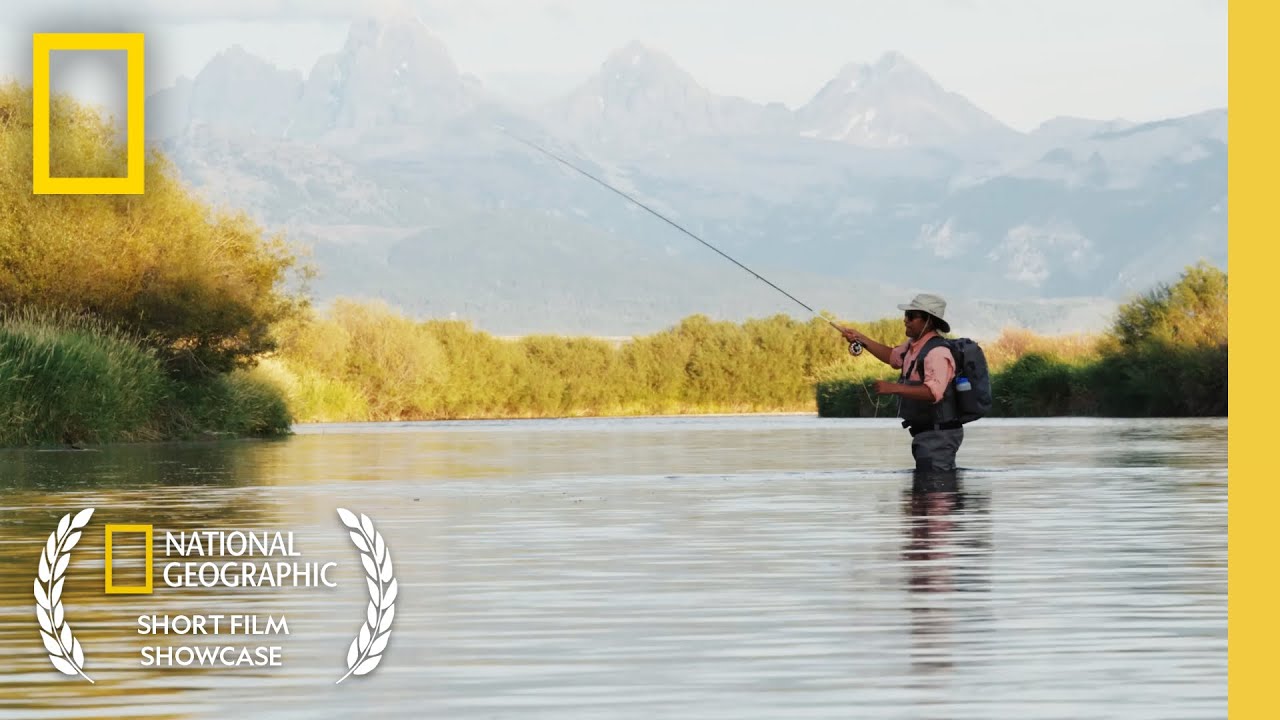
A person of color moves from fishing in Houston to fly fishing in the Tetons, seeking a deeper connection with nature and community.
George Washington leads 19,000 French and American soldiers in a siege against General Charles Cornwallis and his 8,000 British troops in Yorktown, 1781.
The average price of one pound of chicken in 2019 was $1.92, nearly half of its price in 1960, while meat production has tripled since 1970.